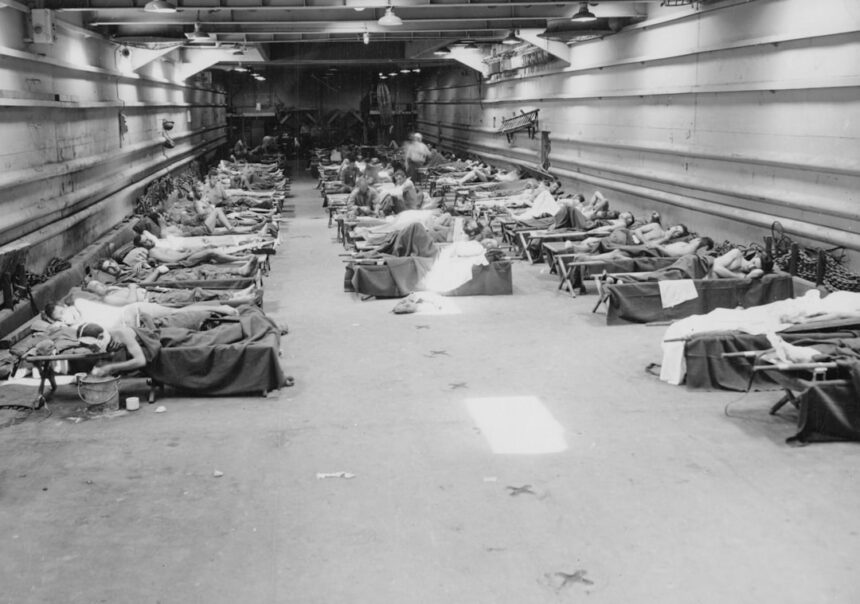
Throughout history, countless soldiers have fought valiantly in wars, yet many remain unrecognized and uncelebrated. These unsung heroes often serve in the shadows, their contributions overshadowed by more prominent figures or grand narratives. They are the soldiers who fought in lesser-known battles, those who served in support roles, and individuals who made sacrifices that went unnoticed.
Their stories are woven into the fabric of military history, yet they often fade into obscurity, leaving behind a legacy that deserves to be remembered. The lives of these forgotten heroes are rich with experiences that reflect the complexities of war. Many of them faced insurmountable odds, enduring harsh conditions and personal sacrifices that would shape their lives forever.
From the trenches of World War I to the jungles of Vietnam, these soldiers displayed unwavering courage and resilience. Their stories remind us that heroism is not always defined by grand gestures; sometimes, it is found in the quiet determination to serve and protect, even when recognition is not forthcoming.
Key Takeaways
- Unsung soldiers and female warriors have played crucial but often overlooked roles in military history.
- Classified missions and personal stories reveal the complex human experiences behind warfare.
- War profoundly affects families, highlighting themes of sacrifice, resilience, and recovery.
- Military technology and strategic leadership have continuously evolved, shaping the outcomes of conflicts.
- Understanding past wars offers valuable lessons for building peace and preventing future conflicts.
Uncovering Secret Missions: Classified Operations Revealed
The world of military operations is often shrouded in secrecy, with classified missions remaining hidden from public view for decades. These covert operations can change the course of history, yet they are rarely discussed outside of military circles. As declassified documents and testimonies emerge, a clearer picture of these secret missions begins to take shape.
From espionage activities during the Cold War to special operations in modern conflicts, these missions reveal the lengths to which nations will go to achieve their objectives. One notable example is Operation Gladio, a clandestine NATO project during the Cold War aimed at countering Soviet influence in Europe. The operation involved the establishment of secret armies and networks that operated outside of democratic oversight.
As details of such operations come to light, they raise important questions about accountability and the ethical implications of military secrecy. The revelations surrounding these missions not only provide insight into military strategy but also highlight the complex interplay between national security and democratic values.
Women at War: The Role of Female Soldiers Throughout History
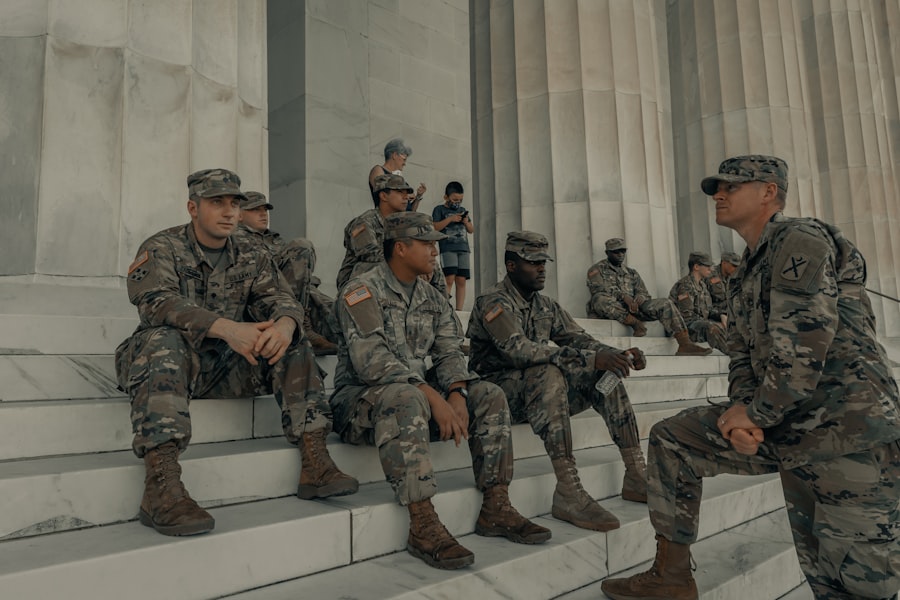
The role of women in warfare has evolved significantly over the centuries, yet their contributions have often been overlooked or minimized. From serving as nurses and support staff to taking up arms on the front lines, women have played crucial roles in conflicts throughout history. Their involvement challenges traditional notions of gender roles and highlights the diverse capabilities that women bring to the military.
During World War II, for instance, women took on various roles that were previously deemed unsuitable for them.
The Women’s Army Corps (WAC) and similar organizations allowed women to contribute directly to the war effort, paving the way for future generations.
Today, women continue to break barriers in the military, serving in combat roles and leadership positions, demonstrating that their contributions are invaluable to national defense.
The Human Side of Conflict: Personal Accounts of Soldiers and Civilians
War is often depicted through statistics and strategic analyses, but it is essential to remember the human stories behind these events. Personal accounts from soldiers and civilians provide a poignant glimpse into the realities of conflict. These narratives reveal the emotional toll of war, illustrating how it affects individuals on both sides of the battlefield.
Soldiers recount harrowing experiences that test their physical and mental limits. They share stories of camaraderie forged in adversity, moments of fear and uncertainty, and the struggle to maintain humanity amidst chaos. Civilians caught in the crossfire offer their perspectives on loss, displacement, and resilience.
Their voices remind us that war is not just a series of battles; it is a profound human experience that leaves lasting scars on communities and families.
The Impact of War on Families: Stories of Sacrifice and Resilience
| Documentary Title | Year Released | Duration (minutes) | Focus Area | Director | Viewer Rating (out of 10) |
|---|---|---|---|---|---|
| The World at War | 1973 | 1040 | World War II | Jeremy Isaacs | 9.3 |
| Vietnam in HD | 2011 | 6 x 60 | Vietnam War | Stephen Ives | 8.5 |
| Ken Burns: The War | 2007 | 14 x 60 | World War II | Ken Burns | 8.9 |
| Apocalypse: The Second World War | 2009 | 6 x 52 | World War II | Isabelle Clarke, Daniel Costelle | 8.7 |
| Greatest Tank Battles | 2010 | 10 x 45 | Armored Warfare | Gary Foreman | 7.8 |
The effects of war extend far beyond the battlefield, reaching deep into the lives of families left behind. Spouses, children, and parents endure emotional turmoil as they grapple with separation, loss, and uncertainty. The sacrifices made by military families often go unnoticed, yet they play a crucial role in supporting those who serve.
Stories abound of families who have navigated the challenges of deployment and reintegration. Some have faced the heart-wrenching reality of losing a loved one while others have welcomed home veterans struggling with physical or psychological wounds. These narratives highlight the resilience of families as they adapt to new realities and find ways to cope with grief and trauma.
The strength demonstrated by military families serves as a testament to their unwavering support for those who serve their country.
Weapons of War: The Evolution of Military Technology
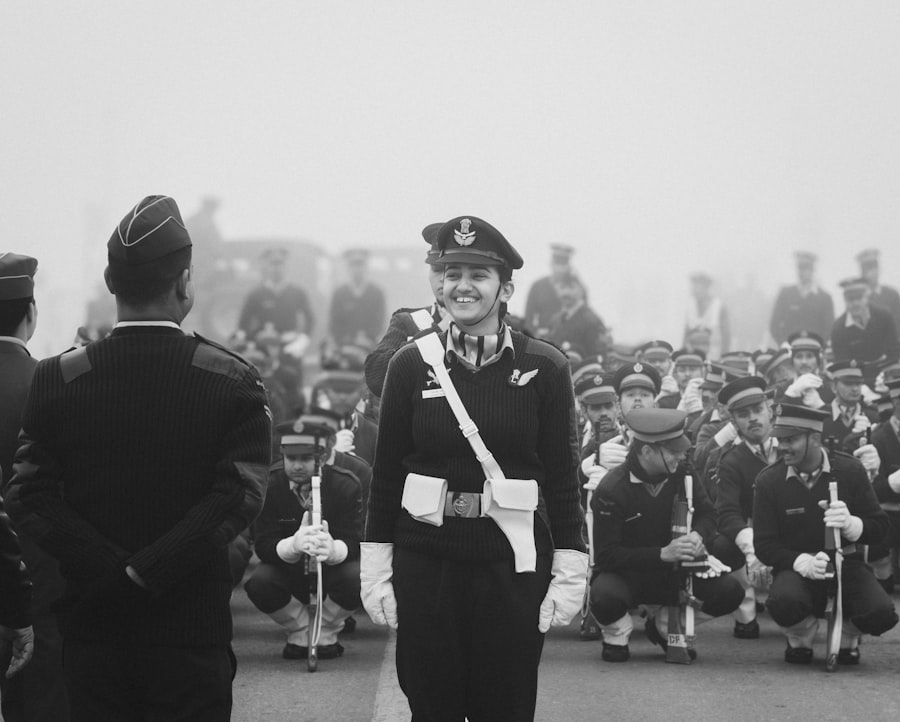
The landscape of warfare has been dramatically transformed by advancements in military technology. From rudimentary weapons used in ancient battles to sophisticated drones and cyber warfare capabilities today, the evolution of military technology has reshaped how conflicts are fought. Each innovation brings with it new strategies and challenges, influencing both tactics on the ground and broader geopolitical dynamics.
The introduction of firearms revolutionized warfare in the 15th century, changing how battles were fought and won. As technology progressed, so did the complexity of weaponry—tanks, aircraft, and naval vessels became integral components of military strategy. In recent years, cyber warfare has emerged as a new frontier, where battles are fought not just with physical weapons but also through digital means.
This evolution raises critical questions about ethics in warfare and the implications for civilian populations caught in the crossfire.
The Price of Freedom: Examining the Cost of War
War comes at a significant cost—both human and financial. The toll on soldiers’ lives is immeasurable; countless individuals return home physically or psychologically scarred from their experiences. Additionally, civilian casualties often exceed military losses, highlighting the tragic consequences of conflict on innocent lives.
The price of freedom is steep, prompting society to reflect on whether such sacrifices are justified. Financially, wars drain national resources and can lead to long-term economic repercussions. Governments allocate vast sums for military expenditures while neglecting social programs that support veterans and their families.
As nations grapple with these realities, it becomes essential to consider how best to honor those who have sacrificed while also striving for peace.
The Art of Strategy: Military Tactics and Leadership
Military strategy is an intricate art that combines planning, execution, and adaptability. Successful leaders must navigate complex environments while making critical decisions that can determine the outcome of conflicts. Throughout history, renowned military strategists have left their mark on warfare through innovative tactics that have reshaped battlefields.
Figures such as Sun Tzu and Carl von Clausewitz have influenced military thought for centuries with their insights into strategy and leadership. Their teachings emphasize understanding both one’s own strengths and weaknesses as well as those of the enemy. Modern warfare continues to evolve with new technologies and tactics; however, the fundamental principles of strategy remain relevant as leaders adapt to changing circumstances on the ground.
Defying the Odds: Tales of Courage and Bravery on the Battlefield
Amidst the chaos of war, stories emerge that exemplify extraordinary acts of courage and bravery. Soldiers often find themselves in life-threatening situations where they must make split-second decisions that can save lives or alter the course of a battle. These tales serve as powerful reminders of human resilience in the face of adversity.
One such story is that of Audie Murphy, one of America’s most decorated soldiers during World War
Despite being outnumbered and facing overwhelming odds, Murphy’s bravery during a critical battle earned him numerous accolades, including the Medal of Honor. His actions inspired countless others and exemplified what it means to defy expectations in times of crisis. Such stories resonate across generations, instilling a sense of pride and admiration for those who display unwavering courage when it matters most.
The Aftermath of War: Rebuilding Nations and Healing Wounds
The aftermath of war presents significant challenges as nations strive to rebuild and heal from conflict’s scars. Reconstruction efforts often focus on restoring infrastructure, providing humanitarian aid, and fostering reconciliation among divided communities. However, healing goes beyond physical rebuilding; it requires addressing psychological wounds inflicted on soldiers and civilians alike.
Post-war societies grapple with complex issues such as trauma recovery, social integration for veterans, and addressing grievances among affected populations. Initiatives aimed at promoting dialogue and understanding can help bridge divides created by conflict while fostering a sense of shared purpose moving forward. The journey toward healing is long and arduous but essential for creating lasting peace.
Lessons from History: How Military Events Shape the World Today
Military events throughout history have left indelible marks on global politics, culture, and society. Understanding these events provides valuable insights into contemporary issues facing nations today. From examining past conflicts to analyzing their outcomes, historians can draw lessons that inform current military strategies and diplomatic efforts.
For instance, World War I reshaped national boundaries and set the stage for future conflicts due to unresolved tensions among nations. Similarly, lessons learned from Vietnam continue to influence U.S. foreign policy decisions today as leaders navigate complex geopolitical landscapes.
By studying history’s lessons—both successes and failures—nations can better prepare for future challenges while striving for peace in an increasingly interconnected world. In conclusion, exploring these multifaceted aspects of war reveals a complex tapestry woven from individual stories, technological advancements, strategic decisions, and societal impacts. Each section highlights different dimensions that contribute to our understanding of conflict’s far-reaching consequences while honoring those who have served—both seen and unseen—in pursuit of freedom and justice.
For those interested in exploring the intricacies of military history, the documentary featured on In The War Room provides a compelling look at pivotal battles and strategies that shaped the course of history. This resource delves into various military campaigns, offering insights and analyses that are both educational and engaging for history enthusiasts.
FAQs
What is a military history documentary?
A military history documentary is a film or video production that explores historical events related to warfare, battles, military strategies, and the experiences of soldiers and civilians during times of conflict. These documentaries often use archival footage, expert interviews, and reenactments to present factual information.
What topics are commonly covered in military history documentaries?
Common topics include major wars such as World War I and II, the Vietnam War, the Korean War, ancient battles, military technology and tactics, biographies of military leaders, and the social and political impacts of warfare.
How accurate are military history documentaries?
The accuracy of military history documentaries varies depending on the producers and sources used. Reputable documentaries rely on verified historical records, expert consultations, and primary sources to ensure factual accuracy, though some may include dramatizations for storytelling purposes.
Where can I watch military history documentaries?
Military history documentaries can be found on streaming platforms like Netflix, Amazon Prime, and History Channel, as well as on public broadcasting services, YouTube, and specialized military history websites.
Who typically produces military history documentaries?
These documentaries are often produced by historians, filmmakers, educational institutions, television networks, and military organizations aiming to educate the public about historical military events.
Why are military history documentaries important?
They provide insight into past conflicts, help preserve historical knowledge, honor the experiences of those involved, and offer lessons on the consequences of war and the importance of peace.
Can military history documentaries be used for educational purposes?
Yes, they are widely used in schools, universities, and military training programs to supplement textbooks and lectures by providing visual and narrative context to historical events.
Do military history documentaries include perspectives from all sides of a conflict?
Many strive to present balanced viewpoints by including perspectives from multiple sides of a conflict, but the extent varies depending on the documentary’s focus and production.