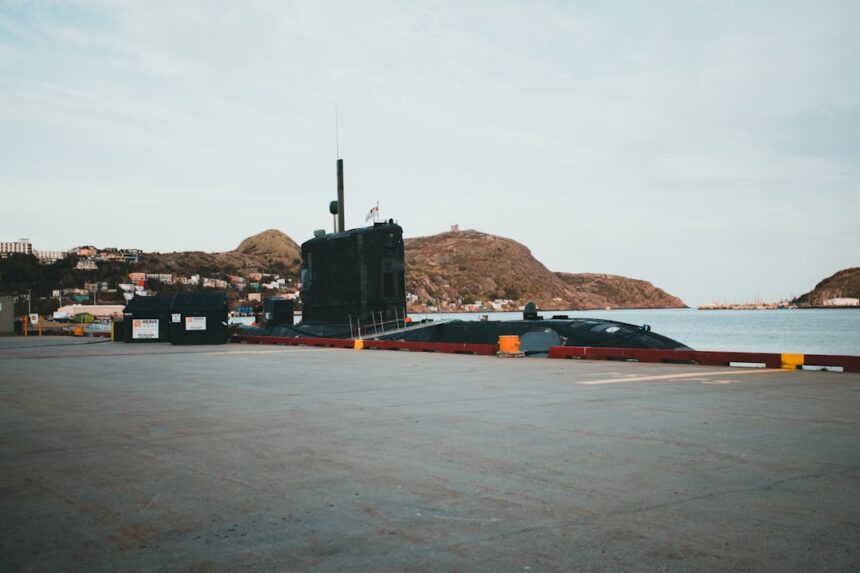
Submarine doctrine consists of the operational principles and strategic frameworks that guide the deployment and employment of submarines in naval operations. This doctrine extends beyond basic operational procedures to encompass a comprehensive framework for integrating submarine capabilities into joint military operations. Submarine doctrine continues to evolve in response to changing warfare requirements and technological developments.
Submarines provide distinct operational advantages that are critical for maritime security operations and the achievement of strategic military objectives. Multiple factors influence the development of submarine doctrine, including technological innovation, geopolitical conditions, and lessons learned from historical operations. Nations worldwide continue to invest in submarine capability development and doctrinal refinement to maintain operational effectiveness in the evolving global security environment.
This analysis examines the historical development of submarine warfare, the operational role of submarines in contemporary military conflicts, and emerging trends that will influence future submarine doctrine development.
Key Takeaways
- Submarine doctrine has evolved significantly from historical roots to meet modern warfare demands.
- Stealth, secrecy, and advanced communication systems are critical to effective submarine operations.
- Integration of submarines in joint military operations enhances strategic capabilities.
- Training and personnel development are essential for maintaining operational readiness.
- Future trends focus on technological innovation and adapting doctrine to new warfare environments.
Historical Evolution of Submarine Warfare
The history of submarine warfare dates back to the early 17th century, with the first recorded use of a submarine-like vessel by Dutch inventor Cornelis Drebbel. However, it was not until the 20th century that submarines became a significant force in naval warfare. The First World War marked a turning point, as submarines were employed extensively by Germany to disrupt Allied shipping through unrestricted submarine warfare.
This tactic demonstrated the potential of submarines to alter the course of naval engagements and highlighted their strategic value. The interwar period saw significant advancements in submarine technology and tactics, leading to the development of more sophisticated vessels capable of greater underwater endurance and firepower. By World War II, submarines had evolved into a critical component of naval strategy for multiple nations.
The United States, for instance, utilized submarines effectively in the Pacific Theater, employing them to target Japanese supply lines and disrupt enemy operations. The lessons learned during these conflicts laid the groundwork for modern submarine doctrine, emphasizing stealth, surprise, and the importance of intelligence gathering.
The Role of Submarines in Modern Warfare
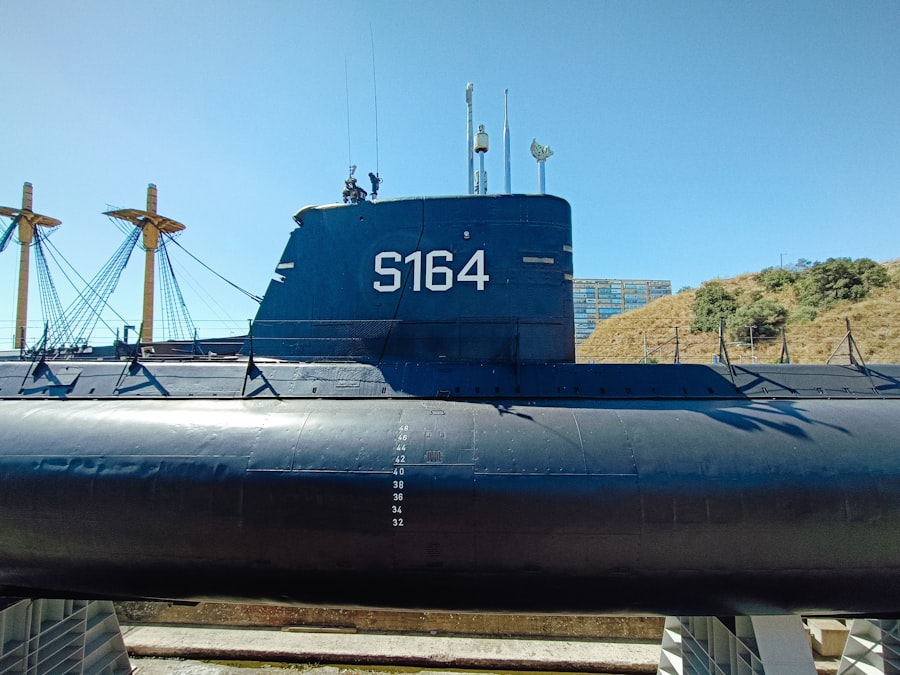
In contemporary warfare, submarines play a multifaceted role that extends beyond traditional combat scenarios. They serve as platforms for intelligence, surveillance, and reconnaissance (ISR), providing critical information about enemy movements and capabilities. This intelligence-gathering function is vital for informing strategic decision-making and enhancing situational awareness in complex operational environments.
Additionally, submarines are equipped with advanced missile systems that enable them to strike land-based targets with precision, further expanding their operational scope. Moreover, submarines contribute to deterrence strategies by maintaining a credible second-strike capability. The presence of nuclear-powered submarines armed with ballistic missiles serves as a powerful deterrent against potential adversaries, ensuring that any aggressive actions would be met with a devastating response.
This aspect of submarine warfare underscores their importance not only in offensive operations but also in maintaining global stability and preventing conflict escalation.
Adapting to Technological Advances
As technology continues to advance at an unprecedented pace, submarine doctrine must adapt accordingly. The integration of cutting-edge technologies such as artificial intelligence (AI), unmanned systems, and advanced sensor capabilities is reshaping how submarines operate in modern warfare. These innovations enhance situational awareness, improve decision-making processes, and increase operational effectiveness.
For instance, AI can assist in analyzing vast amounts of data collected by sensors, enabling submarines to identify threats more rapidly and accurately. Furthermore, advancements in stealth technology have made it increasingly challenging for adversaries to detect submarines. The development of quieter propulsion systems and improved hull designs allows submarines to operate undetected in contested environments.
This emphasis on stealth is crucial for maintaining the element of surprise and ensuring mission success. As nations continue to invest in research and development, submarine doctrine will need to evolve to incorporate these technological advancements while addressing emerging threats.
Integration of Submarines in Joint Operations
| Year | Doctrine Change | Key Focus | Impact on Submarine Operations | Notable Nations Implementing |
|---|---|---|---|---|
| 1990 | Shift to Multi-Role Missions | Incorporation of intelligence gathering and special forces deployment | Expanded submarine roles beyond traditional attack and deterrence | USA, Russia |
| 2005 | Emphasis on Littoral Warfare | Operations in shallow coastal waters | Development of smaller, more maneuverable submarines | China, USA, UK |
| 2015 | Integration of Unmanned Underwater Vehicles (UUVs) | Use of drones for reconnaissance and mine countermeasures | Enhanced situational awareness and reduced risk to crew | USA, France, Australia |
| 2020 | Focus on Cyber and Electronic Warfare | Countering digital threats and enhancing stealth capabilities | Increased investment in electronic countermeasures and cyber defense | Russia, USA, China |
| 2023 | Emphasis on Strategic Deterrence and Hypersonic Weapons | Deployment of submarines capable of launching hypersonic missiles | Strengthened second-strike capabilities and deterrence posture | Russia, China |
The integration of submarines into joint operations is essential for maximizing their effectiveness within a broader military framework. Modern conflicts often require collaboration among various branches of the armed forces, necessitating seamless communication and coordination between submarines and surface vessels, aircraft, and ground forces. This integrated approach enhances operational synergy and allows for more comprehensive responses to complex threats.
Joint operations involving submarines can take many forms, from anti-submarine warfare (ASW) exercises to coordinated strikes against enemy installations. By leveraging the unique capabilities of submarines alongside other military assets, commanders can create a multi-dimensional approach that complicates adversary responses. The successful integration of submarines into joint operations not only enhances mission success but also reinforces the importance of interoperability among allied forces.
Importance of Stealth and Secrecy

Stealth and secrecy are fundamental tenets of submarine warfare that significantly influence operational success. The ability to operate undetected provides submarines with a strategic advantage over adversaries, allowing them to gather intelligence, conduct surprise attacks, or evade countermeasures. This emphasis on stealth is reflected in the design and construction of modern submarines, which prioritize noise reduction and concealment from sonar detection.
Moreover, secrecy extends beyond physical stealth; it encompasses operational security measures that protect sensitive information regarding submarine capabilities and missions. Maintaining confidentiality about submarine deployments and activities is crucial for preserving strategic advantages and preventing adversaries from developing countermeasures. As nations increasingly recognize the value of stealthy undersea operations, the importance of secrecy within submarine doctrine will continue to grow.
Submarine Communication and Command Systems
Effective communication and command systems are vital for ensuring that submarines can operate efficiently within complex operational environments. Given the unique challenges posed by underwater communication—such as limited bandwidth and signal attenuation—submarines rely on a combination of advanced technologies to maintain connectivity with command centers and other naval assets. These systems enable real-time data sharing and situational awareness, which are essential for informed decision-making during missions.
Additionally, command systems must be designed to facilitate rapid responses to emerging threats while ensuring that crews can operate autonomously when necessary. The integration of advanced communication technologies allows submarines to receive updates on changing operational conditions while remaining concealed from enemy detection. As communication technologies continue to evolve, submarine doctrine will need to adapt to leverage these advancements effectively.
Training and Personnel Development
The effectiveness of submarine operations hinges on the skills and expertise of personnel who operate these complex vessels. Comprehensive training programs are essential for developing proficient crews capable of executing diverse missions under challenging conditions. Training encompasses various aspects, including technical skills related to navigation, weapon systems operation, and emergency procedures.
Moreover, personnel development extends beyond technical training; it includes fostering leadership qualities and teamwork among crew members. Submarine crews often operate in confined spaces for extended periods, necessitating strong interpersonal skills and effective communication to maintain morale and cohesion. As submarine missions become increasingly complex, ongoing training initiatives will be crucial for ensuring that personnel remain prepared for evolving challenges.
Submarine Doctrine in Non-traditional Warfare
In recent years, the concept of non-traditional warfare has gained prominence as conflicts become more asymmetric and irregular.
Their ability to operate undetected allows them to gather intelligence on non-state actors or insurgent groups without drawing attention.
Furthermore, submarines can contribute to humanitarian assistance and disaster relief efforts by providing logistical support or conducting search-and-rescue operations in maritime environments. This versatility underscores the adaptability of submarine doctrine in addressing a wide range of operational scenarios beyond traditional state-on-state conflict.
Future Trends in Submarine Warfare
Looking ahead, several trends are likely to shape the future of submarine warfare and doctrine. The increasing proliferation of advanced anti-submarine warfare technologies poses challenges for submarine operations, necessitating ongoing innovation in stealth capabilities and countermeasures. Additionally, the rise of unmanned underwater vehicles (UUVs) presents new opportunities for enhancing submarine missions through collaborative operations.
Moreover, geopolitical tensions may drive nations to invest further in their submarine fleets as they seek to assert maritime dominance or protect vital interests. As countries develop new classes of submarines equipped with advanced capabilities—such as hypersonic missiles or enhanced ISR systems—the strategic landscape will continue to evolve.
The Continued Evolution of Submarine Doctrine
In conclusion, submarine doctrine is a dynamic field that reflects the changing nature of warfare and technological advancements. From its historical roots to its modern applications in joint operations and non-traditional warfare scenarios, submarines have proven their value as versatile assets within naval strategy. As nations adapt their doctrines to incorporate emerging technologies and address evolving threats, the role of submarines will remain critical in shaping future military engagements.
The continued evolution of submarine doctrine will require ongoing investment in training, personnel development, and technological innovation. By embracing these changes while maintaining core principles such as stealth and secrecy, navies around the world can ensure that their submarine forces remain effective in an increasingly complex global security environment. Ultimately, the future of submarine warfare will be defined by adaptability and resilience as nations navigate the challenges posed by an ever-changing geopolitical landscape.
Recent changes in submarine doctrine have sparked significant discussions within military circles, particularly regarding the evolving role of submarines in modern warfare. An insightful article that delves into these changes can be found at In the War Room, where experts analyze the implications of new strategies and technologies on submarine operations. This examination highlights how these adaptations are crucial for maintaining strategic advantages in an increasingly complex global security environment.
FAQs
What is submarine doctrine?
Submarine doctrine refers to the set of strategic principles, tactics, and operational guidelines that govern the deployment and use of submarines in naval warfare and defense.
Why do submarine doctrines change?
Submarine doctrines change in response to evolving technological advancements, shifts in geopolitical threats, changes in naval strategy, and lessons learned from past operations to maintain effective underwater capabilities.
What factors influence changes in submarine doctrine?
Changes in submarine doctrine are influenced by advancements in submarine technology, new weapons systems, intelligence on potential adversaries, changes in international maritime law, and evolving military objectives.
How do changes in submarine doctrine affect naval operations?
Changes in submarine doctrine can alter patrol patterns, engagement rules, communication protocols, and coordination with other naval assets, thereby impacting overall naval strategy and effectiveness.
Are submarine doctrine changes publicly disclosed?
Details of submarine doctrine changes are often classified due to their sensitive nature, but general information may be released through official military statements or defense publications.
How do submarine doctrine changes impact international security?
Submarine doctrine changes can influence deterrence strategies, naval balance of power, and maritime security, potentially affecting regional and global stability.
Who is responsible for updating submarine doctrine?
Submarine doctrine is typically updated by a nation’s naval command or defense ministry, often involving input from military strategists, submarine commanders, and defense analysts.
Can submarine doctrine changes lead to arms races?
Yes, significant changes in submarine doctrine, especially those involving new capabilities or aggressive postures, can prompt rival nations to enhance their own submarine forces, potentially leading to arms races.
How often are submarine doctrines reviewed or updated?
The frequency of submarine doctrine reviews varies by country but generally occurs periodically or in response to significant technological or geopolitical developments.
What role do submarines play in modern naval doctrine?
Submarines play critical roles in intelligence gathering, strategic deterrence, sea control, and special operations, making them a key component of modern naval doctrine.