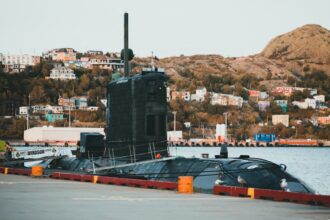
Shipwrecks containing valuable cargo have occurred throughout maritime history, documented since ancient civilizations began seafaring. These incidents typically resulted from severe weather conditions, navigation failures, or military conflicts.
The Spanish galleon Nuestra Señora de Atocha sank in 1622 near the Florida Keys during a hurricane, becoming one of the most sought-after shipwrecks by salvage operations. Treasure hunting activities increased substantially during the 19th century, driven by improved diving technology and growing interest in maritime exploration. The 1985 discovery of the RMS Titanic wreck by Robert Ballard represented a significant milestone in underwater archaeology and deep-sea exploration capabilities.
This discovery shifted academic and public perspectives on shipwrecks from purely commercial salvage operations toward recognizing their value as archaeological sites and historical records. Modern approaches to shipwreck exploration now emphasize scientific documentation and cultural preservation alongside any recovery of artifacts or valuable materials.
Key Takeaways
- Sunken treasures have a rich history, often linked to shipwrecks and lost civilizations.
- Deep sea salvage faces significant challenges including extreme pressure, darkness, and difficult terrain.
- Advanced technology like remotely operated vehicles (ROVs) and sonar mapping is crucial for underwater recovery.
- Environmental and legal concerns play a major role in how sunken treasures are salvaged and preserved.
- The future of deep ocean recovery depends on balancing economic interests with archaeological preservation and environmental protection.
The Challenges of Deep Sea Salvage
Deep sea salvage operations are fraught with challenges that can deter even the most seasoned treasure hunters. One of the primary obstacles is the sheer depth at which many shipwrecks lie. The ocean’s depths can reach over 36,000 feet, where pressure is immense and conditions are often inhospitable.
This environment poses significant risks to both equipment and personnel involved in salvage operations. The logistics of transporting heavy machinery and specialized divers to these remote locations can be daunting, requiring meticulous planning and substantial financial investment. Moreover, the unpredictable nature of the ocean adds another layer of complexity to deep sea salvage.
Weather patterns can change rapidly, creating dangerous conditions that can halt operations or even endanger lives. Strong currents and shifting tides can also complicate recovery efforts, making it difficult to locate and retrieve artifacts. Additionally, the potential for encountering hazardous materials or unstable wreck sites further complicates salvage missions.
These challenges necessitate a combination of advanced technology, skilled personnel, and a deep understanding of marine environments to successfully navigate the treacherous waters.
The Technology Behind Deep Ocean Recovery
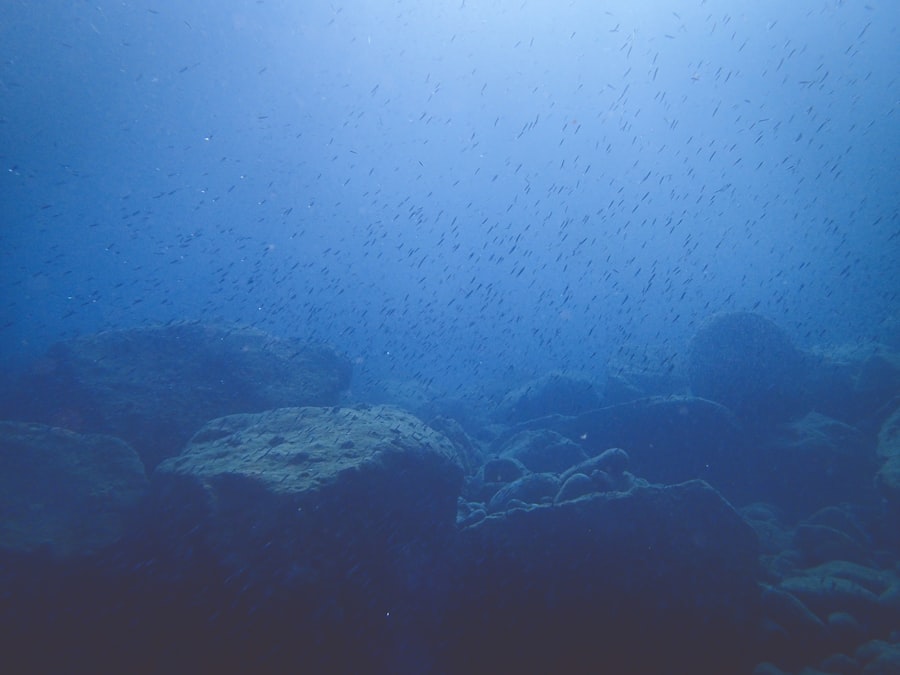
Advancements in technology have revolutionized deep ocean recovery, enabling treasure hunters and archaeologists to explore depths that were once deemed unreachable. Remotely operated vehicles (ROVs) equipped with high-definition cameras and robotic arms have become invaluable tools in underwater exploration. These unmanned submersibles can withstand extreme pressures while providing real-time data and imagery from the ocean floor.
Their ability to manipulate objects allows for careful excavation of artifacts without disturbing the surrounding environment. In addition to ROVs, advancements in sonar technology have significantly improved the ability to locate shipwrecks. Side-scan sonar systems can create detailed images of the seafloor, revealing hidden wrecks that may have been overlooked in previous searches.
This technology not only aids in locating treasures but also assists in mapping underwater landscapes, providing a broader understanding of marine archaeology. Furthermore, advancements in 3D modeling and imaging techniques allow researchers to create virtual reconstructions of wreck sites, offering insights into their historical context and significance.
The Role of Underwater Archaeologists
Underwater archaeologists play a crucial role in the recovery and preservation of sunken treasures. Their expertise extends beyond mere treasure hunting; they are dedicated to understanding the historical and cultural significance of submerged artifacts. These professionals employ scientific methods to excavate sites carefully, ensuring that artifacts are documented and preserved for future study.
Their work often involves collaboration with historians, conservationists, and marine biologists to create a comprehensive picture of the past. The responsibilities of underwater archaeologists also include assessing the impact of salvage operations on marine ecosystems. They strive to balance the desire for discovery with the need for environmental stewardship, recognizing that many shipwrecks serve as artificial reefs that support diverse marine life.
By conducting thorough research and employing ethical practices, underwater archaeologists contribute to a deeper understanding of maritime history while advocating for the protection of underwater cultural heritage.
Environmental Concerns in Deep Ocean Recovery
| Metric | Description | Typical Value | Unit |
|---|---|---|---|
| Depth of Operation | Maximum depth at which recovery operations are conducted | 6000 | meters |
| Recovery Time | Average time taken to complete a recovery mission | 48 | hours |
| Payload Capacity | Maximum weight of objects that can be recovered | 2000 | kilograms |
| ROV Operational Hours | Average operational hours of Remotely Operated Vehicles per mission | 36 | hours |
| Communication Latency | Time delay in communication between surface and deep ocean equipment | 2 | seconds |
| Success Rate | Percentage of successful recovery missions | 85 | percent |
| Pressure Tolerance | Maximum pressure equipment can withstand during operation | 600 | bar |
The pursuit of sunken treasures raises significant environmental concerns that must be addressed by those involved in deep ocean recovery. Disturbing shipwreck sites can have detrimental effects on marine ecosystems, as many wrecks provide habitats for various species. The removal of artifacts can disrupt these delicate environments, leading to unintended consequences for local biodiversity.
As such, it is essential for salvage operations to incorporate environmentally responsible practices that minimize harm to marine life. Additionally, the potential for pollution from salvaged materials poses another challenge. Many shipwrecks contain hazardous substances such as oil or chemicals that can leak into surrounding waters during recovery efforts.
This contamination can have far-reaching effects on marine ecosystems and coastal communities. To mitigate these risks, salvage teams must implement strict protocols for handling hazardous materials and ensure that any recovered items are properly disposed of or treated before being brought to shore.
Legal and Ethical Considerations in Salvaging Sunken Treasures
The legal landscape surrounding sunken treasure salvage is complex and often contentious. International laws governing maritime heritage vary significantly from one country to another, leading to disputes over ownership rights and recovery permissions. The United Nations Convention on the Law of the Sea (UNCLOS) provides a framework for addressing these issues; however, enforcement remains challenging due to differing national interests and interpretations.
Ethical considerations also play a significant role in treasure salvage operations. Many argue that sunken treasures should be preserved as part of humanity’s shared heritage rather than exploited for profit. This perspective emphasizes the importance of archaeological research and public education over commercial gain.
As a result, some organizations advocate for collaborative efforts between treasure hunters and academic institutions to ensure that recovered artifacts are studied and displayed responsibly.
Notable Sunken Treasure Discoveries
Throughout history, numerous notable sunken treasure discoveries have captured public attention and sparked imaginations worldwide. One such discovery was made by Mel Fisher in 1985 when he located the Atocha off the coast of Florida, recovering an estimated $450 million worth of gold, silver, and emeralds. This monumental find not only enriched Fisher but also reignited interest in treasure hunting as a legitimate pursuit.
Another remarkable discovery occurred in 2000 when a team led by Dr. Robert Ballard uncovered the wreckage of the RMS Titanic. While not a treasure in the traditional sense, the artifacts recovered from this iconic ship provided invaluable insights into early 20th-century maritime history and human tragedy.
These discoveries highlight the diverse motivations behind treasure hunting—ranging from financial gain to historical preservation—and underscore the ongoing fascination with what lies beneath the waves.
The Economic Impact of Sunken Treasure Salvage
The economic implications of sunken treasure salvage extend beyond individual fortunes; they can significantly impact local economies and industries as well. Successful salvage operations often lead to increased tourism in regions associated with famous shipwrecks or treasure hunts. Visitors flock to museums showcasing recovered artifacts or embark on diving expeditions to explore wreck sites firsthand.
This influx of tourism can create jobs and stimulate local businesses, contributing to economic growth. Moreover, the sale of recovered treasures can generate substantial revenue for salvagers and investors alike. However, this financial windfall is not without controversy; debates surrounding profit-sharing with governments or local communities often arise.
Striking a balance between economic gain and ethical considerations remains a challenge within the industry, prompting discussions about sustainable practices that benefit both salvagers and society at large.
The Future of Deep Ocean Recovery
As technology continues to advance, the future of deep ocean recovery holds great promise for both treasure hunters and researchers alike. Innovations in robotics, artificial intelligence, and data analysis are poised to enhance exploration capabilities further, allowing for more efficient searches and safer recovery operations. These advancements may lead to previously undiscovered wrecks being located and studied, expanding our understanding of maritime history.
Additionally, growing awareness of environmental concerns may drive changes in how salvage operations are conducted. A shift towards more sustainable practices could emerge as stakeholders recognize the importance of preserving marine ecosystems while pursuing treasures from the past. Collaborative efforts between treasure hunters, archaeologists, and environmentalists may pave the way for a more responsible approach to deep ocean recovery.
The Importance of Preserving Sunken Treasures
Preserving sunken treasures is essential not only for their historical value but also for their potential contributions to scientific research and education. Artifacts recovered from shipwrecks can provide insights into trade routes, cultural exchanges, and technological advancements throughout history. By studying these items within their archaeological context, researchers can piece together narratives that enrich our understanding of human civilization.
Furthermore, preserving sunken treasures allows future generations to appreciate their cultural significance. Museums showcasing recovered artifacts serve as educational resources that foster public interest in maritime history and archaeology. By prioritizing preservation over profit-driven motives, society can ensure that these treasures continue to inspire curiosity and wonder long into the future.
The Fascination with Sunken Treasures
The fascination with sunken treasures endures across cultures and generations, fueled by tales of adventure, mystery, and discovery. From ancient legends of lost cities beneath the sea to modern-day expeditions seeking fortune among shipwrecks, this intrigue reflects humanity’s enduring desire for exploration and understanding. The stories surrounding these treasures often evoke themes of heroism, tragedy, and redemption—elements that resonate deeply within the human experience.
Moreover, sunken treasures symbolize more than just material wealth; they represent lost histories waiting to be uncovered. Each wreck tells a story—a narrative woven into the fabric of time that connects people across continents and eras. As long as there are oceans to explore and mysteries to unravel, the allure of sunken treasures will continue to captivate hearts and minds around the world.
For a deeper understanding of the challenges and innovations in this field, you can read a related article on the topic at In the War Room. This resource provides valuable insights into the complexities of underwater recovery missions and the evolving techniques used to address them.
FAQs
What is a deep ocean recovery operation?
A deep ocean recovery operation involves retrieving objects, equipment, or materials from the deep sea, often at depths exceeding 1,000 meters. These operations typically require specialized technology such as remotely operated vehicles (ROVs), submersibles, and advanced sonar systems.
What types of objects are recovered in deep ocean recovery operations?
Objects recovered can include sunken ships, aircraft wreckage, lost cargo, scientific instruments, underwater cables, and sometimes environmental samples. Recovery may also involve salvaging valuable materials or conducting archaeological explorations.
What technologies are used in deep ocean recovery operations?
Key technologies include remotely operated vehicles (ROVs), autonomous underwater vehicles (AUVs), manned submersibles, sonar mapping systems, deep-sea cranes, and specialized lifting equipment designed to operate under high pressure and low temperatures.
What challenges are associated with deep ocean recovery operations?
Challenges include extreme water pressure, low temperatures, limited visibility, complex underwater terrain, and the technical difficulty of operating equipment remotely at great depths. Additionally, weather conditions and the risk of equipment failure can complicate operations.
Who typically conducts deep ocean recovery operations?
These operations are usually conducted by specialized marine salvage companies, government agencies, research institutions, or military organizations with expertise in underwater exploration and recovery.
What are common applications of deep ocean recovery operations?
Applications include salvage of lost or sunken vessels, recovery of scientific data and instruments, environmental cleanup, underwater archaeology, and retrieval of valuable materials such as precious metals or minerals.
How is safety ensured during deep ocean recovery operations?
Safety is ensured through rigorous planning, use of reliable and tested equipment, real-time monitoring, adherence to operational protocols, and employing experienced personnel trained in deep-sea operations.
What environmental considerations are taken during deep ocean recovery operations?
Operators aim to minimize disturbance to marine ecosystems by carefully planning recovery routes, avoiding sensitive habitats, and following environmental regulations to prevent pollution or damage to underwater life.
How long can a deep ocean recovery operation take?
The duration varies widely depending on the depth, complexity of the recovery, weather conditions, and the nature of the object being recovered. Operations can last from several hours to several weeks.
Is deep ocean recovery operation expensive?
Yes, these operations are typically costly due to the specialized equipment, skilled personnel, and logistical support required to operate in challenging deep-sea environments.