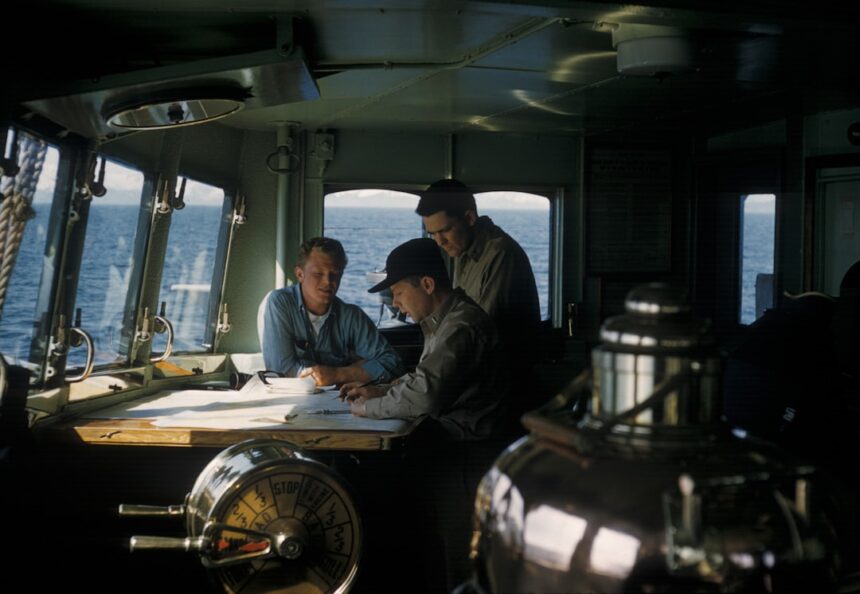
During the Cold War, the geopolitical landscape was characterized by a tense standoff between the Soviet Union and Western powers, particularly the United States. In this context, Soviet trawlers emerged as an unconventional yet effective tool for surveillance and intelligence gathering. These seemingly innocuous fishing vessels were often equipped with advanced technology that allowed them to monitor naval activities, gather intelligence on military exercises, and track the movements of Western ships.
The dual purpose of these trawlers—fishing and espionage—enabled the Soviet Union to maintain a constant watch over its adversaries while simultaneously projecting an image of peaceful maritime activity. The strategic deployment of trawlers along critical maritime routes underscored their importance in the Soviet surveillance apparatus. By blending into the fishing fleet, these vessels could operate with a degree of anonymity, making it difficult for Western naval forces to distinguish between legitimate fishing operations and covert surveillance missions.
This tactic not only provided the Soviets with valuable intelligence but also contributed to a broader strategy of psychological warfare, as it instilled a sense of unease among Western naval commanders who were aware of the potential for espionage lurking beneath the surface of everyday maritime activities.
Key Takeaways
- Soviet trawlers played a crucial role in Cold War surveillance and intelligence gathering.
- Advanced technology and covert tactics enabled Soviet trawlers to monitor Western naval activities effectively.
- Western powers developed countermeasures in response, leading to a prolonged strategic game at sea.
- The operations of Soviet trawler crews were vital yet often overlooked components of Cold War espionage.
- The legacy of Soviet trawler surveillance continues to influence modern maritime security and international law.
The Development of Soviet Trawler Surveillance Technology
The evolution of Soviet trawler surveillance technology was marked by significant advancements that reflected the broader technological race of the Cold War era. Initially, these vessels were equipped with rudimentary communication and navigation systems, but as the conflict progressed, so too did their capabilities. By the 1970s and 1980s, Soviet trawlers boasted sophisticated radar systems, sonar equipment, and electronic surveillance devices that allowed them to intercept communications and gather data on enemy movements.
This technological leap was not merely a response to Western advancements; it was also a testament to the Soviet Union’s commitment to maintaining parity in military capabilities. Moreover, the integration of these technologies into trawler operations required extensive training for crew members, who had to be adept not only in fishing techniques but also in the nuances of intelligence gathering. The development of specialized training programs ensured that crews were well-versed in operating complex equipment while maintaining the façade of ordinary fishermen.
This duality became a hallmark of Soviet maritime strategy, as it allowed for a seamless blend of legitimate economic activity with covert military objectives.
The Tactics and Strategies of Soviet Trawler Surveillance
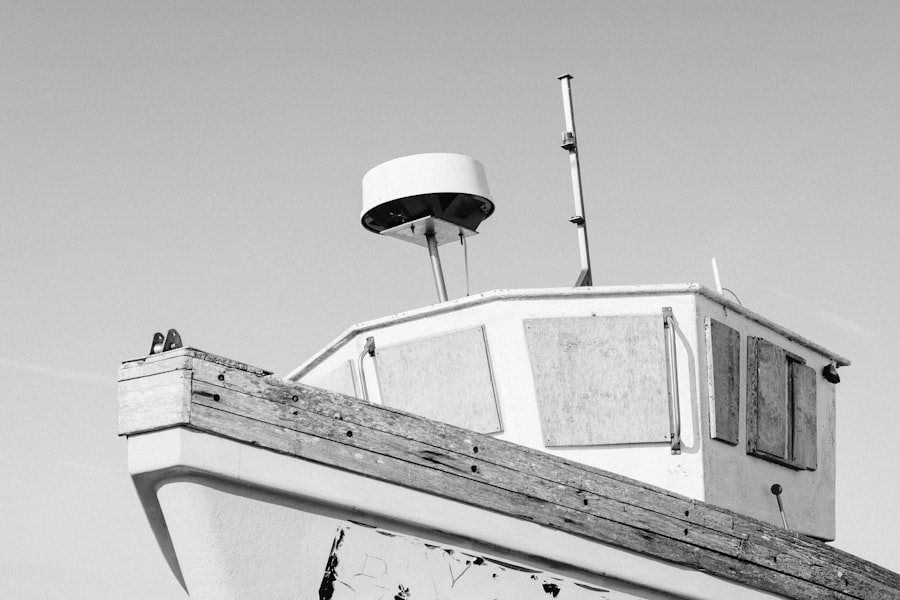
Soviet trawlers employed a variety of tactics and strategies to maximize their effectiveness in surveillance operations. One prominent approach involved the use of “fishing” as a cover for intelligence-gathering missions. By positioning themselves near naval exercises or strategic shipping lanes, these vessels could collect data on naval formations, weapon systems, and operational readiness without raising suspicion.
This tactic not only provided valuable insights into Western naval capabilities but also allowed the Soviets to develop counter-strategies based on real-time intelligence. In addition to passive observation, Soviet trawlers sometimes engaged in more aggressive tactics, such as shadowing Western naval vessels or conducting close-range surveillance operations. These maneuvers were designed to provoke reactions from Western forces, thereby revealing their operational protocols and response strategies.
The psychological impact of such tactics was significant; they served to remind Western powers that their maritime activities were under constant scrutiny, fostering an atmosphere of paranoia and caution among naval commanders.
The Impact of Soviet Trawler Surveillance on Western Powers
The presence of Soviet trawlers in international waters had profound implications for Western naval operations during the Cold War. As these vessels gathered intelligence on military exercises and shipping routes, they forced Western powers to adapt their strategies and enhance their own surveillance capabilities. The need to counteract the threat posed by these seemingly benign fishing boats led to increased investment in anti-submarine warfare technologies and improved reconnaissance methods.
This arms race in maritime surveillance underscored the pervasive influence of Soviet trawler operations on Western military planning. Furthermore, the psychological impact of Soviet surveillance activities extended beyond mere operational adjustments. The knowledge that Soviet trawlers were monitoring their every move created an atmosphere of distrust among Western naval forces.
Commanders had to operate under the assumption that their tactics were being observed and analyzed, which often led to more cautious decision-making. This dynamic not only affected military readiness but also shaped diplomatic relations, as incidents involving trawlers occasionally escalated tensions between superpowers.
The Cat and Mouse Game: Western Responses to Soviet Trawler Surveillance
| Metric | Description | Value | Unit |
|---|---|---|---|
| Number of Soviet Trawlers Monitored | Total count of Soviet fishing trawlers under surveillance | 120 | vessels |
| Average Distance from Coast | Mean distance of trawlers from nearest coastline during surveillance | 150 | nautical miles |
| Surveillance Duration | Average time each trawler was monitored continuously | 72 | hours |
| Number of Surveillance Missions | Total number of missions conducted to monitor trawlers | 45 | missions |
| Types of Surveillance Equipment Used | List of primary equipment used for monitoring | Radar, Sonar, Aerial Reconnaissance | n/a |
| Incidents of Illegal Fishing Detected | Number of times trawlers were found fishing in restricted zones | 8 | incidents |
| Average Speed of Trawlers | Mean speed recorded during surveillance | 6 | knots |
In response to the persistent threat posed by Soviet trawlers, Western powers developed a range of countermeasures aimed at mitigating their effectiveness. One common strategy involved increased naval patrols in areas known for high levels of Soviet surveillance activity. By deploying more ships and aircraft to monitor these regions, Western navies sought to deter Soviet trawlers from operating freely and to gather intelligence on their movements.
This cat-and-mouse game became a defining feature of Cold War maritime operations, as both sides sought to outmaneuver one another in a high-stakes environment. Additionally, Western intelligence agencies began to invest heavily in technological advancements designed to detect and track Soviet trawlers more effectively.
These innovations not only improved situational awareness but also enabled more effective responses to potential threats posed by trawlers operating in contested waters.
The Legacy of Soviet Trawler Surveillance in Modern Maritime Security
The legacy of Soviet trawler surveillance continues to resonate in contemporary maritime security practices. The tactics and technologies developed during the Cold War have informed modern approaches to maritime intelligence gathering and surveillance operations. Today’s naval forces are acutely aware of the potential for non-military vessels to engage in espionage activities, leading to increased vigilance in monitoring commercial shipping routes and fishing fleets.
Moreover, the lessons learned from the Cold War era have prompted nations to establish clearer legal frameworks governing maritime operations. The need for international cooperation in addressing issues related to surveillance and espionage has become paramount in an increasingly interconnected world. As nations grapple with new security challenges posed by non-state actors and evolving geopolitical dynamics, the experiences gained from dealing with Soviet trawler surveillance remain relevant in shaping contemporary maritime policies.
The Life of Soviet Trawler Crews: The Unsung Heroes of Cold War Surveillance
While much attention has been focused on the strategic implications of Soviet trawler surveillance, the lives of the crews who operated these vessels often remain overlooked. These individuals were not merely sailors; they were integral components of a complex intelligence-gathering apparatus that operated under immense pressure and scrutiny. Life aboard a Soviet trawler was characterized by long hours at sea, challenging working conditions, and the constant need for vigilance against detection.
Crew members were trained not only in fishing techniques but also in the operation of sophisticated surveillance equipment. This dual role required them to balance their responsibilities as fishermen with their duties as intelligence operatives. Many crew members took great pride in their work, viewing themselves as defenders of their nation’s interests in a hostile world.
Their contributions were vital to the success of Soviet maritime operations during the Cold War, yet they often remained anonymous figures within a larger narrative dominated by political leaders and military strategists.
The Espionage and Intelligence Gathering Operations of Soviet Trawlers
The espionage activities conducted by Soviet trawlers were multifaceted and often highly sophisticated. These vessels were equipped with advanced listening devices capable of intercepting communications from nearby naval forces, allowing them to gather critical information about military strategies and operational plans. Additionally, some trawlers were outfitted with sonar systems that enabled them to detect submarines and other underwater activities, further enhancing their intelligence-gathering capabilities.
The information collected by these trawlers played a crucial role in shaping Soviet military strategy during the Cold War. By analyzing data on enemy movements and capabilities, Soviet leaders could make informed decisions regarding their own naval deployments and operational readiness. This intelligence-driven approach allowed the Soviet Union to maintain a competitive edge over its adversaries, demonstrating the effectiveness of unconventional methods in modern warfare.
The International Legal and Political Implications of Soviet Trawler Surveillance
The operations conducted by Soviet trawlers raised significant legal and political questions regarding maritime sovereignty and international law. As these vessels operated in contested waters, they often found themselves at the center of diplomatic disputes between nations. The ambiguity surrounding their dual purpose—fishing versus surveillance—complicated efforts to establish clear legal frameworks governing their activities.
Western powers frequently protested against what they perceived as violations of territorial waters by Soviet trawlers engaged in espionage activities. These incidents highlighted the challenges inherent in balancing national security interests with international legal norms. As nations grappled with these complexities during the Cold War, discussions surrounding maritime law evolved significantly, laying the groundwork for contemporary debates about sovereignty and surveillance on the high seas.
The Disguises and Camouflages Used by Soviet Trawlers to Evade Detection
To enhance their effectiveness as surveillance vessels, Soviet trawlers employed various disguises and camouflage techniques designed to evade detection by Western naval forces. These tactics included altering their appearance to resemble legitimate fishing boats through modifications in paint schemes or rigging configurations. By blending into commercial fishing fleets, these vessels could operate with relative impunity while conducting intelligence-gathering missions.
Additionally, some trawlers utilized advanced electronic countermeasures designed to disrupt radar signals or obscure their true intentions. These technologies allowed them to operate undetected for extended periods while collecting valuable intelligence on enemy activities. The ingenuity displayed by Soviet naval strategists in employing such disguises underscored the lengths to which they would go to maintain an advantage over their adversaries during this tumultuous period.
The Influence of Soviet Trawler Surveillance on Cold War Literature and Popular Culture
The intriguing world of Soviet trawler surveillance has left an indelible mark on Cold War literature and popular culture. Authors and filmmakers have drawn inspiration from the clandestine operations conducted by these vessels, weaving narratives that explore themes of espionage, deception, and geopolitical tension. Novels featuring espionage plots often incorporate elements related to maritime surveillance, reflecting society’s fascination with the hidden battles fought beneath the surface.
In popular culture, films depicting Cold War tensions frequently feature scenes involving covert operations at sea or encounters between naval forces and disguised vessels. These portrayals serve not only as entertainment but also as a means of engaging audiences with historical events that shaped global politics during this era. Through literature and film, the legacy of Soviet trawler surveillance continues to resonate, reminding contemporary audiences of the complexities inherent in international relations during one of history’s most fraught periods.
In recent discussions about maritime security, the topic of Soviet trawler surveillance has gained renewed attention. An insightful article that delves into the historical context and implications of these surveillance tactics can be found at this link. The article explores how these trawlers were not just fishing vessels but also played a crucial role in intelligence gathering during the Cold War, highlighting the intricate relationship between maritime activities and national security.
FAQs
What was the purpose of Soviet trawler surveillance?
Soviet trawler surveillance involved monitoring and tracking fishing vessels, often to gather intelligence on naval activities, maritime routes, and foreign naval operations during the Cold War era.
How were Soviet trawlers used for surveillance?
Soviet trawlers were equipped with electronic surveillance equipment and operated under the guise of fishing activities. They collected signals intelligence (SIGINT) and monitored naval movements of other countries, particularly NATO forces.
During which period was Soviet trawler surveillance most active?
Soviet trawler surveillance was most active during the Cold War, roughly from the late 1940s through the 1980s, when tensions between the Soviet Union and Western countries were high.
What types of equipment did Soviet surveillance trawlers carry?
These trawlers were often fitted with radio intercept equipment, radar, sonar, and other electronic monitoring devices to intercept communications and track naval vessels.
Were Soviet trawlers involved in any notable incidents?
Yes, there were several incidents where Soviet trawlers were confronted by Western naval forces, including close encounters and sometimes collisions, as both sides sought to assert control over maritime intelligence gathering.
How did Western countries respond to Soviet trawler surveillance?
Western navies often monitored Soviet trawlers closely, sometimes escorting or shadowing them to deter intelligence gathering. They also developed counter-surveillance tactics and improved their own electronic security measures.
Did Soviet trawler surveillance continue after the Cold War?
After the dissolution of the Soviet Union in 1991, the scale of such surveillance activities decreased significantly, although some successor states may have continued limited maritime intelligence operations.
What was the strategic importance of Soviet trawler surveillance?
Soviet trawler surveillance provided valuable intelligence on NATO naval deployments, submarine movements, and maritime communication, contributing to the Soviet Union’s broader military and strategic planning during the Cold War.