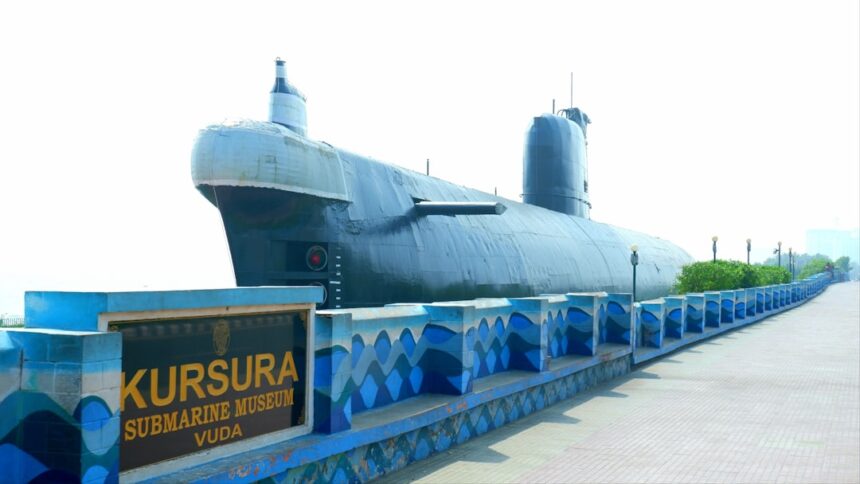
The history of submarine operations in the Sea of Okhotsk is a complex narrative that intertwines military strategy, technological advancement, and geopolitical tensions. The region, located between the Kamchatka Peninsula and the Russian mainland, has been a focal point for naval activities since the Cold War era. Initially, the Soviet Union recognized the strategic importance of the Sea of Okhotsk as a bastion for its submarine fleet, particularly during the height of its rivalry with the United States.
The establishment of submarine bases along the coast allowed for enhanced operational capabilities, enabling submarines to launch missions that would extend their reach into the Pacific Ocean. As the Cold War progressed, the Sea of Okhotsk became a critical theater for submarine warfare. The Soviet Navy developed a formidable fleet of nuclear-powered submarines, which were designed to counterbalance American naval power in the Pacific.
These submarines were equipped with advanced missile systems and stealth technology, allowing them to operate undetected in the frigid waters of the Sea of Okhotsk. The region’s unique geography, characterized by deep waters and numerous islands, provided ideal conditions for submarine operations, facilitating both offensive and defensive strategies. Over time, these operations evolved, reflecting changes in military doctrine and technological advancements.
Key Takeaways
- Okhotsk submarine operations have a rich history and play a critical role in modern naval warfare and national security.
- These operations face significant challenges and risks, requiring advanced technology and specialized equipment.
- Submarine crews undergo rigorous training and preparation to effectively conduct missions in strategic Okhotsk locations.
- Okhotsk submarine activities influence geopolitical relations and involve international collaboration and cooperation.
- Environmental considerations are increasingly important in the planning and execution of Okhotsk submarine operations.
The Importance of Okhotsk Submarine Operations in Modern Warfare
In contemporary military strategy, the significance of submarine operations in the Sea of Okhotsk cannot be overstated. As nations increasingly recognize the value of undersea warfare, submarines have emerged as pivotal assets in modern naval arsenals. The Sea of Okhotsk serves as a strategic gateway for projecting power into the Pacific, making it essential for countries like Russia to maintain a robust submarine presence in the region.
This operational focus allows for rapid response capabilities and enhances deterrence against potential adversaries. Moreover, the role of submarines in intelligence gathering and surveillance has become increasingly vital. Modern submarines are equipped with sophisticated sensors and communication systems that enable them to collect critical data on enemy movements and capabilities.
In an era where information dominance is paramount, the ability to operate covertly beneath the waves provides a significant advantage. The Sea of Okhotsk, with its proximity to key maritime routes and potential flashpoints, remains a crucial area for conducting such operations, underscoring its importance in modern warfare.
The Role of Okhotsk Submarine Operations in National Security
Submarine operations in the Sea of Okhotsk play a fundamental role in national security strategies for countries bordering the region. For Russia, maintaining a strong submarine fleet is essential for safeguarding its territorial integrity and asserting its influence in the Pacific. The ability to deploy submarines capable of launching nuclear missiles serves as a powerful deterrent against potential threats, reinforcing Russia’s position as a major player on the global stage.
This strategic posture is particularly relevant given ongoing tensions with NATO and other regional powers. In addition to deterrence, submarine operations contribute to broader national security objectives by enhancing maritime domain awareness. By monitoring shipping lanes and conducting reconnaissance missions, submarines provide valuable intelligence that informs decision-making at the highest levels of government.
This capability is especially critical in an era marked by hybrid warfare and asymmetric threats, where traditional military engagements may be complemented by cyber operations and information warfare. Thus, the Sea of Okhotsk remains a vital arena for ensuring national security through effective submarine operations.
The Challenges and Risks of Okhotsk Submarine Operations
Despite their strategic importance, submarine operations in the Sea of Okhotsk are fraught with challenges and risks. The harsh environmental conditions present significant obstacles for submariners, including extreme cold temperatures and unpredictable weather patterns. These factors can impact operational readiness and complicate maintenance efforts for submarines stationed in the region.
Additionally, the underwater terrain is characterized by complex topography, which can hinder navigation and increase the likelihood of accidents. Moreover, geopolitical tensions in the region pose inherent risks to submarine operations. The presence of multiple nations with competing interests raises the stakes for potential confrontations at sea.
Incidents involving close encounters between submarines or surface vessels can escalate quickly, leading to diplomatic crises or military confrontations. As nations continue to assert their maritime claims, the potential for miscalculations increases, making it imperative for operators in the Sea of Okhotsk to exercise caution and maintain open lines of communication.
The Technology and Equipment Used in Okhotsk Submarine Operations
| Metric | Details |
|---|---|
| Submarine Class | Typhoon-class (Project 941 Akula) |
| Operational Area | Okhotsk Sea, Northern Pacific Ocean |
| Primary Mission | Strategic nuclear deterrence |
| Number of Submarines | 6 (historically operated) |
| Maximum Dive Depth | 400 meters (approximate) |
| Endurance | Up to 120 days submerged |
| Armament | 20 RSM-52 missiles (SS-N-20 Sturgeon) |
| Displacement | Approx. 48,000 tons submerged |
| Speed | 27 knots submerged |
| Notable Operations | Patrols in Okhotsk Sea during Cold War era |
The technological advancements in submarine design and equipment have revolutionized operations in the Sea of Okhotsk. Modern submarines are equipped with cutting-edge systems that enhance their stealth capabilities and operational effectiveness. For instance, advancements in sonar technology allow submarines to detect enemy vessels from greater distances while minimizing their own acoustic signatures.
This stealth advantage is crucial for conducting covert missions without detection. Additionally, missile technology has evolved significantly, enabling submarines to launch precision strikes against land-based targets or enemy ships from considerable distances. The integration of advanced navigation systems ensures that submarines can operate effectively even in challenging underwater environments.
Furthermore, improvements in battery technology have extended the operational range of non-nuclear submarines, allowing them to remain submerged for longer periods without surfacing. These technological innovations not only enhance combat capabilities but also contribute to overall mission success in the strategically vital Sea of Okhotsk.
The Training and Preparation of Submarine Crews for Okhotsk Operations
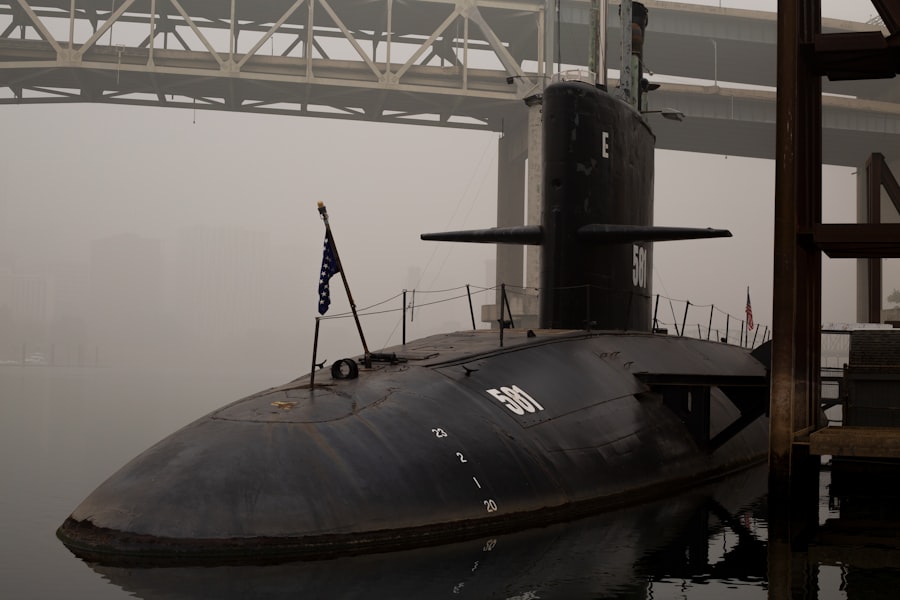
The effectiveness of submarine operations in the Sea of Okhotsk hinges on rigorous training and preparation for crews tasked with these missions. Submarine personnel undergo extensive training programs designed to equip them with the skills necessary to operate complex systems and respond effectively to emergencies. This training encompasses various aspects, including navigation, weapon systems operation, and emergency procedures.
Moreover, crew members must develop a deep understanding of the unique challenges posed by operating in the Sea of Okhotsk. Familiarity with local geography, environmental conditions, and potential adversary tactics is essential for successful mission execution. Simulated exercises often replicate real-world scenarios that crews may encounter during deployments, ensuring they are well-prepared for any situation that may arise.
This comprehensive training regimen not only enhances individual proficiency but also fosters teamwork and cohesion among crew members, which is vital for maintaining operational effectiveness under pressure.
The Strategic Locations and Missions of Okhotsk Submarine Operations
Strategic locations within the Sea of Okhotsk serve as critical hubs for submarine operations, facilitating various missions that align with national defense objectives. Key bases along the Russian coastline provide logistical support and maintenance facilities for submarines operating in this region. These locations are strategically positioned to allow quick access to vital maritime routes while also serving as launch points for offensive operations.
Missions conducted by submarines in the Sea of Okhotsk encompass a wide range of objectives, including anti-submarine warfare, intelligence gathering, and deterrence operations. Submarines may be tasked with monitoring naval activities of rival nations or conducting surveillance on critical infrastructure along coastlines. Additionally, they may engage in joint exercises with allied forces to enhance interoperability and demonstrate collective defense capabilities.
The strategic significance of these missions underscores the importance of maintaining a robust submarine presence in this geopolitically sensitive area.
The Impact of Okhotsk Submarine Operations on Geopolitical Relations
Submarine operations in the Sea of Okhotsk have far-reaching implications for geopolitical relations among nations bordering this strategic waterway. As countries like Russia assert their naval capabilities through increased submarine activity, neighboring states may perceive these actions as threats to their own security interests. This dynamic can lead to heightened tensions and an arms race as nations seek to bolster their maritime defenses in response.
Furthermore, incidents involving submarines can exacerbate existing rivalries or spark new conflicts. Close encounters between submarines from different nations can lead to misunderstandings or miscalculations that escalate into diplomatic crises. As such, effective communication channels between naval forces are essential to mitigate risks associated with submarine operations in this sensitive region.
Ultimately, the interplay between submarine activities and geopolitical relations underscores the need for strategic dialogue among nations to promote stability and prevent conflict.
The Future of Okhotsk Submarine Operations in Naval Warfare
Looking ahead, the future of submarine operations in the Sea of Okhotsk is likely to be shaped by evolving technological advancements and shifting geopolitical dynamics. As nations invest in next-generation submarine designs equipped with advanced stealth capabilities and artificial intelligence systems, operational paradigms will continue to evolve. These innovations will enhance situational awareness and decision-making processes during missions conducted in this strategically significant area.
Moreover, as climate change alters maritime environments and opens new shipping routes in the Arctic region, submarines may play an increasingly prominent role in securing these emerging pathways. The Sea of Okhotsk could become a focal point for new naval strategies aimed at addressing challenges posed by changing geopolitical landscapes. Consequently, nations will need to adapt their submarine operations to remain relevant in an ever-changing security environment.
The Environmental Considerations of Okhotsk Submarine Operations
Environmental considerations are becoming increasingly important in discussions surrounding submarine operations in the Sea of Okhotsk.
Noise pollution generated by submarines can disrupt marine life communication patterns and migratory behaviors, raising concerns about long-term ecological impacts.
Additionally, potential accidents involving submarines pose significant environmental risks due to possible leaks or spills from nuclear reactors or weaponry onboard. As awareness grows regarding environmental sustainability, there is a pressing need for naval forces operating in this region to adopt practices that minimize their ecological footprint while ensuring operational effectiveness. Balancing military objectives with environmental stewardship will be crucial as nations navigate their responsibilities within this sensitive maritime environment.
The Collaboration and Cooperation Among Nations in Okhotsk Submarine Operations
While competition often characterizes submarine operations in the Sea of Okhotsk, there are also opportunities for collaboration among nations seeking mutual security interests. Joint exercises involving multiple countries can foster trust-building measures and enhance interoperability among naval forces operating in this region. Such cooperation can serve as a platform for sharing best practices related to submarine operations while addressing common challenges posed by maritime security threats.
Furthermore, dialogue among nations regarding submarine activities can help mitigate tensions and promote stability within this strategically significant area. Establishing communication protocols during joint missions or exercises can reduce misunderstandings that may arise from close encounters at sea.
In conclusion, submarine operations in the Sea of Okhotsk represent a multifaceted aspect of modern naval warfare that encompasses historical legacies, technological advancements, national security imperatives, environmental considerations, and geopolitical relations among nations. As this region continues to evolve as a strategic theater for military activities, understanding its complexities will be crucial for policymakers seeking to navigate future challenges effectively.
The strategic significance of Okhotsk submarine operations has been a topic of extensive analysis in recent military discussions. For a deeper understanding of the implications and developments surrounding these operations, you can refer to a related article that provides insights into the broader context of naval strategies in the region. Check it out here: Okhotsk Submarine Operations.
FAQs
What is the Okhotsk submarine?
The Okhotsk is a Russian nuclear-powered ballistic missile submarine, part of the Delta III class, designed for strategic deterrence missions.
Where does the Okhotsk submarine primarily operate?
The Okhotsk submarine primarily operates in the Northern Pacific Ocean, including areas around the Sea of Okhotsk, which is part of its namesake region.
What are the main missions of the Okhotsk submarine?
The main missions of the Okhotsk submarine include strategic nuclear deterrence, underwater patrols, and maintaining a second-strike capability as part of Russia’s naval nuclear forces.
What type of weapons does the Okhotsk submarine carry?
The Okhotsk submarine is equipped with ballistic missiles, specifically the R-29R (SS-N-18 Stingray) submarine-launched ballistic missiles, along with torpedoes for self-defense.
How long can the Okhotsk submarine stay submerged during operations?
As a nuclear-powered submarine, the Okhotsk can remain submerged for extended periods, limited mainly by crew endurance and supplies, typically several weeks to months.
What is the significance of the Okhotsk submarine in Russia’s naval strategy?
The Okhotsk submarine plays a critical role in Russia’s strategic nuclear triad by providing a stealthy and survivable platform for launching nuclear missiles, thereby enhancing deterrence.
Has the Okhotsk submarine been involved in any notable operations?
While specific operational details are often classified, the Okhotsk has participated in routine patrols and naval exercises demonstrating Russia’s strategic capabilities.
What technologies are used in the Okhotsk submarine for stealth and detection?
The Okhotsk employs advanced sonar systems, noise-reduction technologies, and hull design features to minimize detection by enemy forces during its operations.
How does the Okhotsk submarine contribute to regional security?
By maintaining a credible nuclear deterrent, the Okhotsk submarine contributes to strategic stability in the Asia-Pacific region and deters potential adversaries from aggression.
Is the Okhotsk submarine still in active service?
As of the latest available information, the Okhotsk submarine remains in active service within the Russian Navy, continuing its role in strategic deterrence.