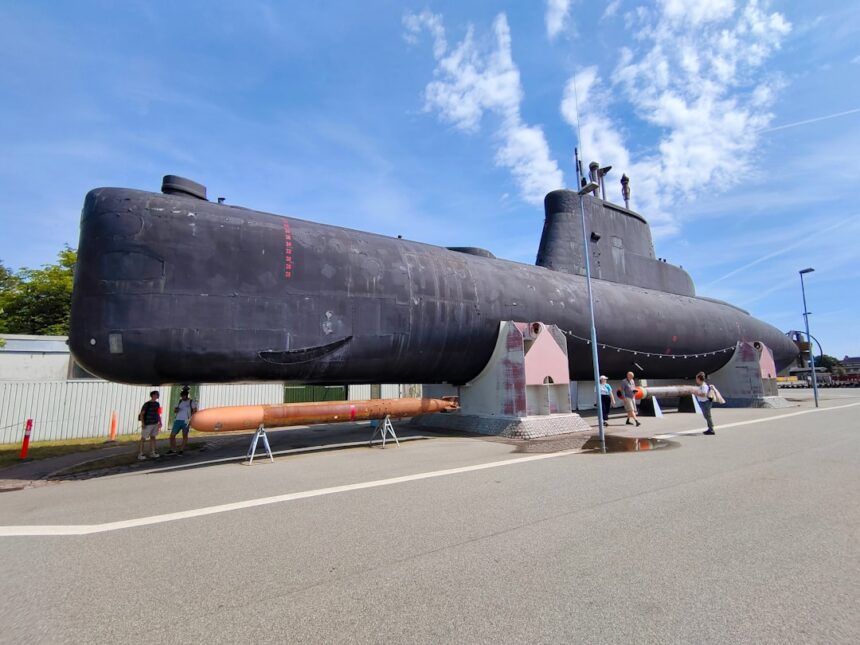
The South China Sea has emerged as one of the most contentious regions in the world, characterized by overlapping territorial claims, strategic military maneuvers, and a complex web of international relations. This vital waterway, which serves as a crucial conduit for global trade, is not only rich in natural resources but also holds significant geopolitical importance. The tensions in the region have escalated in recent years, driven by China’s assertive territorial claims and the responses from neighboring countries and global powers.
The stakes are high, as the South China Sea is home to some of the world’s busiest shipping lanes, making it a focal point for both economic interests and military posturing. The situation is further complicated by the presence of various nations with competing claims, including Vietnam, the Philippines, Malaysia, and Brunei. Each of these countries has sought to assert its rights over parts of the sea, leading to confrontations and diplomatic disputes.
The United States has also taken a keen interest in the region, advocating for freedom of navigation and supporting its allies in their territorial claims. As a result, the South China Sea has become a hotbed of tension, where military exercises, naval confrontations, and diplomatic negotiations play out against a backdrop of historical grievances and national pride.
Key Takeaways
- The South China Sea is a critical and contested region with rising tensions fueled by submarine deployments.
- Both China and the United States are expanding and enhancing their submarine capabilities to assert dominance in the area.
- Advanced submarine technology plays a pivotal role in modern naval strategy and regional power projection.
- Submarine presence significantly influences regional stability, deterrence, and geopolitical dynamics.
- Environmental concerns and international legal frameworks are increasingly important in governing submarine operations in the South China Sea.
The Role of Submarines in Modern Warfare
Submarines have long been a cornerstone of naval warfare, providing nations with a stealthy and formidable means of projecting power beneath the waves. In modern warfare, submarines serve multiple roles, including intelligence gathering, deterrence, and direct combat operations. Their ability to operate undetected allows them to gather critical information about enemy movements and capabilities while remaining hidden from adversaries.
This stealth factor is particularly crucial in an era where information dominance can dictate the outcome of conflicts. Moreover, submarines are equipped with advanced weaponry that can strike targets with precision from significant distances.
As nations invest in their submarine fleets, the strategic importance of these vessels continues to grow, making them essential components of modern military doctrine. In the context of the South China Sea, submarines play a pivotal role in shaping the balance of power and influencing regional security dynamics.
China’s Submarine Expansion in the South China Sea
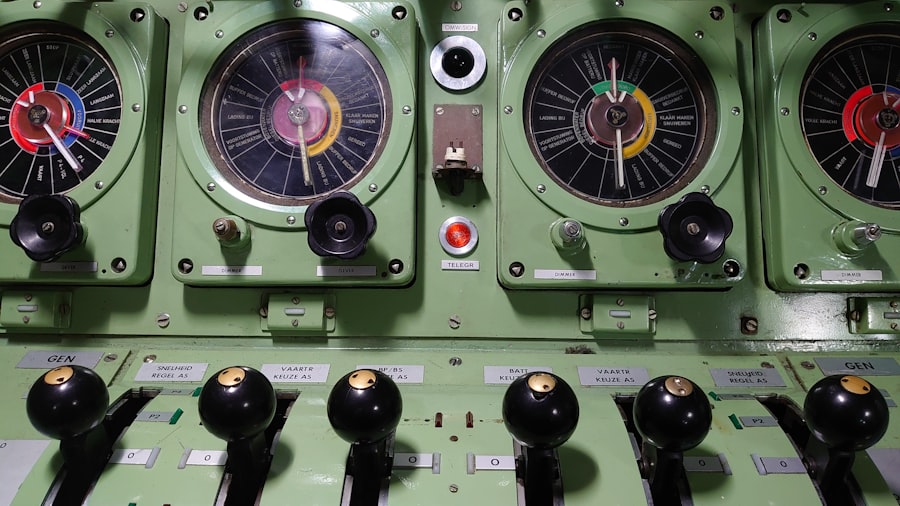
China’s submarine expansion in the South China Sea has been a focal point of concern for regional and global powers alike. Over the past decade, China has significantly increased its submarine fleet, investing heavily in both nuclear and diesel-electric submarines. This expansion is not merely a reflection of China’s desire to enhance its naval capabilities; it is also indicative of its broader ambitions to assert dominance over the South China Sea.
By bolstering its underwater fleet, China aims to secure its territorial claims and deter any potential challenges from rival nations. The Chinese Navy’s growing submarine presence has raised alarms among neighboring countries and the United States. The deployment of advanced submarines equipped with sophisticated weaponry allows China to project power throughout the region while simultaneously complicating the operational environment for its adversaries.
As these submarines operate in contested waters, they pose a significant challenge to freedom of navigation and regional stability. The implications of China’s submarine expansion extend beyond mere military capabilities; they also reflect a strategic shift in how China perceives its role on the global stage.
The United States’ Response: Submarine Presence in the South China Sea
In response to China’s assertive submarine expansion, the United States has reaffirmed its commitment to maintaining a robust naval presence in the South China Sea. The U.S. Navy has increased its submarine deployments to the region as part of a broader strategy to ensure freedom of navigation and uphold international law.
By demonstrating its capabilities through regular patrols and exercises, the United States aims to reassure its allies while sending a clear message to China regarding its intentions. The U.
submarine fleet is equipped with advanced technologies that enable it to operate effectively in contested environments.
American submarines are capable of conducting surveillance missions, engaging in anti-submarine warfare, and launching precision strikes against land-based targets. This multifaceted approach allows the United States to counterbalance China’s growing influence while reinforcing its commitment to regional partners. As tensions continue to simmer in the South China Sea, the U.S.
submarine presence serves as a critical deterrent against potential aggression.
The Strategic Importance of Submarines in the South China Sea
| Country | Submarine Class | Number of Submarines | Type | Displacement (tons) | Max Speed (knots) | Armament |
|---|---|---|---|---|---|---|
| China | Type 039A (Yuan-class) | 20+ | Diesel-electric | 2,350 | 20 | Torpedoes, Anti-ship missiles |
| Vietnam | Kilo-class (Project 636) | 6 | Diesel-electric | 3,000 | 20 | Torpedoes, Missiles |
| Philippines | None (plans to acquire) | 0 | N/A | N/A | N/A | N/A |
| Malaysia | Scorpène-class | 2 | Diesel-electric | 1,800 | 20 | Torpedoes, Missiles |
| Indonesia | Type 209/1300 | 5 | Diesel-electric | 1,300 | 21 | Torpedoes, Mines |
The strategic importance of submarines in the South China Sea cannot be overstated. These vessels provide nations with a unique advantage in terms of stealth and versatility, allowing them to operate effectively in a region characterized by complex maritime geography and dense shipping traffic. Submarines can conduct covert operations that gather intelligence on enemy movements while remaining undetected, thereby enhancing situational awareness for their respective navies.
Furthermore, submarines play a crucial role in deterrence strategies. The mere presence of submarines can dissuade potential aggressors from taking hostile actions due to the uncertainty surrounding their capabilities and locations. In an environment where miscalculations can lead to escalations, submarines serve as a stabilizing force by providing nations with credible second-strike capabilities.
As such, their strategic importance extends beyond immediate military applications; they are integral to maintaining regional stability and preventing conflicts from spiraling out of control.
Submarine Technology and Advancements

The evolution of submarine technology has transformed naval warfare over the past few decades. Modern submarines are equipped with cutting-edge systems that enhance their stealth, survivability, and combat effectiveness. Advances in sonar technology allow submarines to detect enemy vessels at greater distances while minimizing their own acoustic signatures.
This technological edge enables submarines to operate more effectively in contested waters like those found in the South China Sea. Additionally, advancements in missile technology have expanded the offensive capabilities of submarines. Many modern submarines can launch long-range cruise missiles that can strike land-based targets with precision from significant distances underwater.
This capability not only enhances their role as strategic deterrents but also allows them to engage in power projection missions without exposing themselves to direct confrontation. As nations continue to invest in research and development for submarine technology, the landscape of undersea warfare will likely evolve further, shaping future conflicts.
The Impact of Submarine Warfare on Regional Stability
Submarine warfare has profound implications for regional stability in the South China Sea. The increasing presence of submarines from various nations creates an environment ripe for miscalculations and unintended confrontations. As countries enhance their underwater capabilities, the potential for incidents at sea rises, which could escalate into broader conflicts if not managed carefully.
The delicate balance between deterrence and provocation becomes increasingly challenging as more submarines operate within close proximity to one another. Moreover, submarine warfare can exacerbate existing tensions among claimant states in the region. The deployment of advanced submarines by one nation may prompt neighboring countries to bolster their own naval capabilities in response, leading to an arms race that further destabilizes the region.
As nations invest heavily in their submarine fleets, the focus shifts from cooperative security measures to competitive posturing, undermining efforts to resolve disputes peacefully through diplomacy.
The Role of Submarine Deterrence in the South China Sea
Submarine deterrence plays a critical role in shaping security dynamics within the South China Sea. The ability of submarines to remain hidden while possessing significant strike capabilities creates uncertainty for potential aggressors. This uncertainty acts as a powerful deterrent against hostile actions, as adversaries must consider the potential consequences of provoking a nation equipped with advanced underwater assets.
In this context, submarine deterrence is not solely about possessing advanced technology; it also involves effective communication strategies that convey resolve and capability to both allies and adversaries alike. Nations must demonstrate their commitment to defending their interests while ensuring that their adversaries understand the risks associated with aggressive actions. By maintaining a credible submarine deterrent posture, countries can contribute to regional stability while safeguarding their national interests.
Environmental and Ecological Concerns of Submarine Activity in the South China Sea
While discussions surrounding submarine activity often focus on military implications, it is essential not to overlook environmental and ecological concerns associated with such operations in the South China Sea. The region is home to diverse marine ecosystems that are already under threat from overfishing, pollution, and climate change. Increased submarine activity can exacerbate these challenges by disrupting marine habitats and contributing to underwater noise pollution.
Submarines generate significant noise during operations, which can interfere with marine life communication patterns and migratory behaviors. Additionally, accidents involving submarines or their weaponry could lead to catastrophic environmental consequences if hazardous materials were released into sensitive marine ecosystems. As nations navigate their strategic interests in the South China Sea, it is crucial that they also consider the long-term ecological impacts of their military activities on this vital marine environment.
International Law and Submarine Operations in the South China Sea
The legal framework governing submarine operations in the South China Sea is complex and often contentious. International law, particularly the United Nations Convention on the Law of the Sea (UNCLOS), provides guidelines for maritime activities but leaves room for interpretation regarding territorial claims and navigational rights. As nations assert their claims over various features within the sea, disputes arise over what constitutes legitimate maritime boundaries.
Submarine operations must adhere to international law while navigating these contested waters. However, differing interpretations of legal norms can lead to tensions between states as they seek to assert their rights over maritime zones. The challenge lies in balancing national security interests with compliance with international legal standards—a task made more difficult by competing territorial claims and geopolitical rivalries.
The Future of Submarine Warfare in the South China Sea
The future of submarine warfare in the South China Sea is likely to be shaped by ongoing technological advancements and evolving geopolitical dynamics. As nations continue to invest in their underwater capabilities, new developments may emerge that redefine how submarines are utilized within this critical region. Enhanced stealth technologies, improved weapon systems, and advanced communication networks will likely play pivotal roles in shaping future naval strategies.
Moreover, as tensions persist among claimant states and external powers like the United States maintain their presence in the region, submarine warfare will remain a key component of national defense strategies for many countries involved. The interplay between technological advancements and geopolitical realities will determine how submarine operations evolve over time—potentially leading to new forms of conflict or cooperation among nations navigating this complex maritime landscape. In conclusion, as nations grapple with competing interests within the South China Sea, submarines will continue to play an integral role in shaping regional security dynamics while posing challenges that require careful management through diplomacy and adherence to international law.
The strategic dynamics in the South China Sea have been significantly influenced by the increasing presence of submarines in the region. For a deeper understanding of the implications of these developments, you can read the article on the topic at this link. This article provides insights into the military strategies employed by various nations and the potential impact on regional stability.
FAQs
What is the significance of submarines in the South China Sea?
Submarines play a crucial role in the South China Sea due to the region’s strategic importance for military presence, surveillance, and control over vital shipping lanes. They provide stealth capabilities for reconnaissance, deterrence, and potential combat operations.
Which countries operate submarines in the South China Sea?
Several countries with interests in the South China Sea operate submarines, including China, Vietnam, the Philippines, Malaysia, and Indonesia. China has the largest and most advanced submarine fleet in the region.
What types of submarines are commonly found in the South China Sea?
The South China Sea hosts a mix of diesel-electric and nuclear-powered submarines. China primarily operates both types, while other regional countries mostly use diesel-electric submarines due to cost and operational requirements.
Why is there tension related to submarines in the South China Sea?
Tensions arise because submarines enhance a country’s ability to assert territorial claims and conduct covert operations. The South China Sea is a disputed area with overlapping claims, making submarine deployments a source of strategic competition and concern among claimant states and external powers.
How do submarines impact the security dynamics of the South China Sea?
Submarines increase the complexity of security dynamics by providing a stealthy means to monitor adversaries, protect maritime interests, and potentially disrupt shipping routes. Their presence can escalate military posturing and influence diplomatic negotiations.
Are there international laws governing submarine operations in the South China Sea?
Yes, submarine operations in the South China Sea are subject to international laws such as the United Nations Convention on the Law of the Sea (UNCLOS). These laws regulate navigation rights, territorial waters, and exclusive economic zones, but enforcement and interpretation often vary among claimant states.
What technological advancements are seen in South China Sea submarines?
Technological advancements include improved stealth capabilities, enhanced sonar and communication systems, and the integration of air-independent propulsion (AIP) in diesel-electric submarines, allowing longer underwater endurance and quieter operations.
How do submarines contribute to maritime surveillance in the South China Sea?
Submarines contribute to maritime surveillance by covertly gathering intelligence on naval movements, monitoring shipping traffic, and detecting potential threats, thereby enhancing situational awareness for their respective navies.
What role do external powers play regarding submarines in the South China Sea?
External powers such as the United States, Japan, and Australia conduct submarine patrols and joint exercises in the South China Sea to support freedom of navigation, deter aggression, and maintain regional stability, often in response to China’s expanding submarine capabilities.
Can submarines in the South China Sea be used for non-military purposes?
While primarily military assets, submarines can also support non-military missions such as scientific research, underwater mapping, and search and rescue operations, though these roles are less common in the contested South China Sea region.