Submarine warfare has evolved significantly since its origins in the early 17th century. Early submarines were basic vessels powered by human propulsion with limited underwater operational capacity. The Dutch vessel “Dolfijn” represents one of the first documented submarine attempts during the Anglo-Dutch Wars.
Practical submarine development accelerated in the 19th century with the introduction of steam power and improved construction materials. During the American Civil War, the Confederate submarine H.L. Hunley achieved the first successful sinking of an enemy warship by a submarine, establishing a precedent for underwater naval combat.
The late 19th and early 20th centuries brought substantial technological improvements to submarine design. Diesel-electric propulsion systems enhanced operational efficiency and extended underwater endurance capabilities. During World War I, Germany deployed U-boats extensively, implementing unrestricted submarine warfare tactics against Allied merchant shipping.
This strategy demonstrated submarines’ effectiveness against surface vessels while exposing the vulnerability of conventional naval forces. By World War II, submarines had developed into advanced platforms incorporating torpedo weapons systems and sonar technology, fundamentally changing naval warfare doctrine and tactical approaches.
Key Takeaways
- Submarine warfare has evolved significantly, shaping modern military strategies and geopolitical dynamics.
- Technological advancements have enhanced submarine capabilities, complicating detection and tracking efforts.
- Submarines play a critical role in nuclear deterrence and maintaining global maritime security.
- The proliferation of submarines among nations raises new challenges for international relations and security frameworks.
- Ethical and legal considerations are increasingly important in governing submarine warfare in the contemporary era.
The Role of Submarines in Modern Geopolitics
In contemporary geopolitics, submarines play a crucial role in shaping international relations and military strategies. Nations recognize that possessing a formidable submarine fleet can serve as a powerful deterrent against potential adversaries. The stealth and mobility of submarines allow them to operate undetected in contested waters, providing strategic advantages in both offensive and defensive operations.
Countries like the United States, Russia, and China have invested heavily in their submarine capabilities, viewing them as essential components of their national security frameworks. Moreover, submarines are increasingly being utilized for intelligence gathering and surveillance missions. Their ability to remain submerged for extended periods enables them to monitor enemy activities without detection.
This capability is particularly valuable in regions with heightened tensions, such as the South China Sea or the Arctic, where nations vie for control over strategic waterways and resources. As geopolitical rivalries intensify, submarines are likely to become even more integral to national defense strategies, influencing diplomatic negotiations and military posturing.
The Strategic Importance of Submarine Warfare
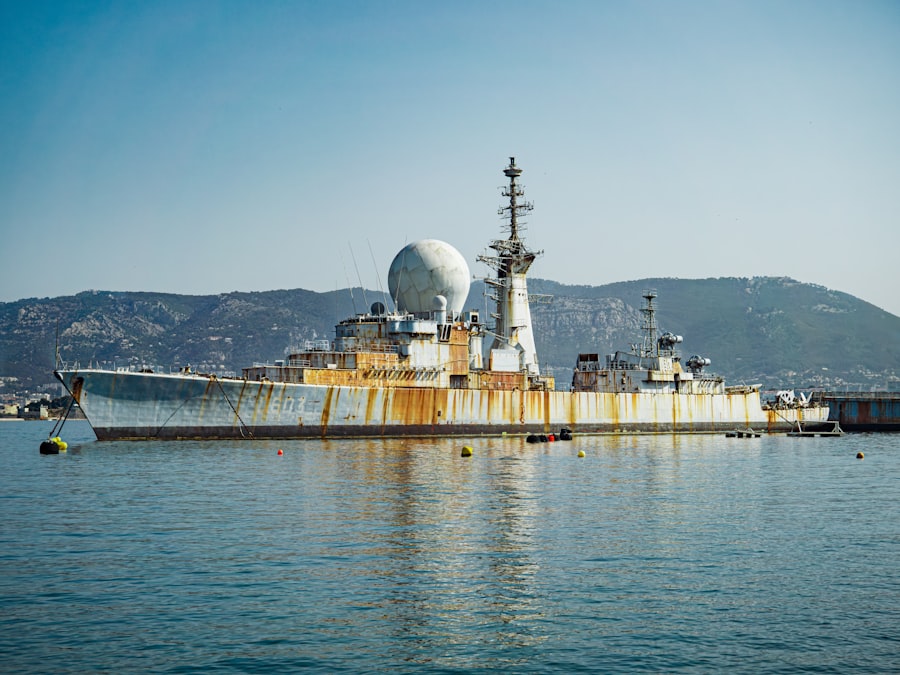
The strategic importance of submarine warfare cannot be overstated. Submarines provide nations with a unique blend of offensive and defensive capabilities that can be leveraged in various military scenarios. Their stealthy nature allows them to launch surprise attacks on enemy vessels or coastal installations while remaining hidden from enemy radar and sonar systems.
This element of surprise can significantly alter the course of naval engagements, making submarines a vital asset in any modern navy. Furthermore, submarines serve as a critical component of nuclear deterrence strategies. Many countries maintain fleets of nuclear-powered submarines equipped with ballistic missiles capable of striking targets across vast distances.
This second-strike capability ensures that even if a nation suffers a devastating first strike, it can still retaliate effectively, thereby deterring potential aggressors from initiating conflict. The presence of these submarines in strategic locations around the globe serves as a constant reminder of their destructive potential, contributing to global stability through the principle of mutually assured destruction.
The Impact of Technological Advancements on Submarine Warfare
Technological advancements have profoundly impacted submarine warfare, enhancing both their capabilities and operational effectiveness. Innovations in materials science have led to the development of quieter hull designs, allowing submarines to operate with reduced noise signatures. This stealth technology is crucial for evading detection by enemy sonar systems, enabling submarines to carry out their missions more effectively.
Moreover, modern submarines are equipped with sophisticated sensor systems that enhance their situational awareness and targeting capabilities. Advanced sonar technology enables submarines to detect and track enemy vessels from great distances, while integrated combat systems allow for rapid decision-making during engagements.
The incorporation of artificial intelligence and machine learning into submarine operations is also on the rise, promising to further revolutionize how these vessels are deployed and utilized in future conflicts.
The Rise of Submarine Proliferation
| Metric | Description | Current Status / Data | Geopolitical Impact |
|---|---|---|---|
| Number of Active Submarines | Total operational submarines by major naval powers | USA: 66, Russia: 62, China: 70, UK: 10, India: 16 | Indicates naval strength and underwater deterrence capabilities |
| Submarine-Launched Ballistic Missiles (SLBMs) | Number of SLBMs deployed on strategic submarines | USA: 240, Russia: 160, China: 48 | Key component of nuclear deterrence and second-strike capability |
| Underwater Communication Networks | Extent and sophistication of underwater communication infrastructure | Developing advanced low-frequency communication systems globally | Enhances command and control, complicates enemy detection efforts |
| Anti-Submarine Warfare (ASW) Capabilities | Technologies and platforms dedicated to detecting and neutralizing submarines | Increased investment in sonar arrays, drones, and ASW aircraft | Shifts balance in underwater warfare, affects submarine stealth advantage |
| Submarine Incidents and Encounters | Reported close encounters, collisions, or confrontations involving submarines | Multiple incidents in South China Sea and Arctic regions in past 5 years | Raises tensions, risks escalation in contested maritime zones |
| Strategic Chokepoints | Key maritime passages critical for submarine movement and control | Straits of Malacca, Bab el-Mandeb, GIUK Gap heavily monitored | Control over chokepoints influences regional power projection |
| Investment in Next-Gen Submarine Technology | Funding and development of stealth, nuclear propulsion, and AI integration | Major navies increasing budgets for autonomous and quieter submarines | Potential to redefine underwater warfare and strategic deterrence |
The proliferation of submarines has become a significant concern for global security in recent years. As more nations seek to enhance their naval capabilities, the number of countries possessing advanced submarine technology has increased dramatically. This trend is particularly evident in regions where geopolitical tensions are high, such as Asia and the Middle East.
Countries like India, Brazil, and South Korea have developed or acquired advanced submarine fleets, contributing to an arms race that raises the stakes for regional stability. The rise of non-state actors also poses challenges to submarine proliferation. As technology becomes more accessible, there is a growing risk that terrorist organizations or rogue states could acquire or develop their own submarine capabilities.
This potential shift could lead to new forms of asymmetric warfare, where smaller entities leverage advanced technologies to challenge traditional military powers. Consequently, nations must navigate a complex landscape where submarine proliferation could destabilize existing power dynamics and lead to increased conflict.
The Challenges of Detecting and Tracking Submarines
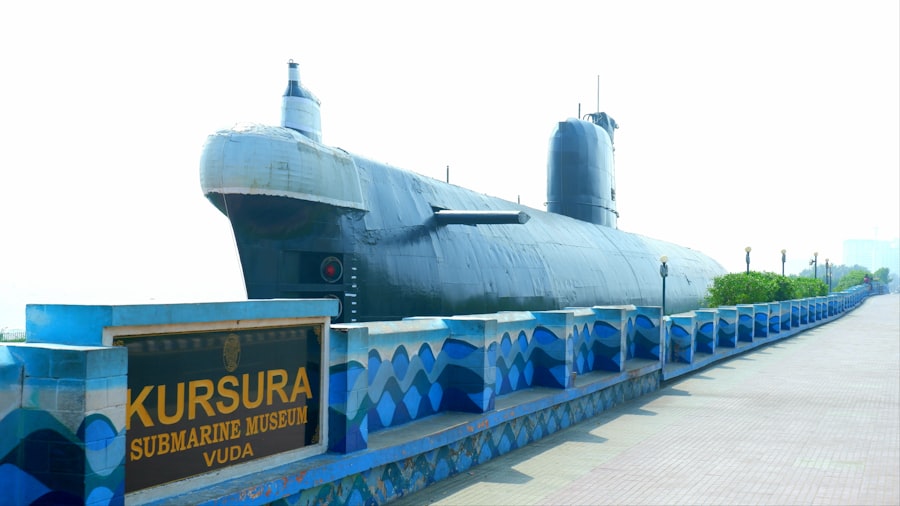
Detecting and tracking submarines remains one of the most formidable challenges in modern naval warfare. Despite advancements in sonar technology and surveillance systems, submarines continue to exploit their inherent stealth advantages to evade detection. The underwater environment presents unique obstacles for detection systems; sound propagation varies significantly based on temperature, salinity, and depth, complicating efforts to locate submerged vessels.
Moreover, as submarines become quieter due to technological improvements, traditional detection methods become less effective. Navies around the world are investing heavily in developing new technologies and strategies to counter these challenges. This includes deploying advanced underwater drones equipped with sophisticated sensors and utilizing satellite-based surveillance systems to monitor maritime activities.
However, as detection technologies evolve, so too do submarine capabilities, leading to an ongoing cat-and-mouse game between hunters and prey beneath the waves.
The Role of Submarine Warfare in Nuclear Deterrence
Submarine warfare plays a pivotal role in nuclear deterrence strategies employed by various nations around the globe. The concept of mutually assured destruction relies heavily on the ability of nuclear-armed submarines to survive an initial strike and retaliate effectively. This second-strike capability is crucial for maintaining strategic stability among nuclear powers; it ensures that no nation can launch a successful first strike without facing devastating consequences.
Nuclear-powered ballistic missile submarines (SSBNs) are particularly significant in this context. These vessels are designed specifically for stealthy patrols in strategic waters, carrying intercontinental ballistic missiles (ICBMs) capable of delivering nuclear warheads over vast distances. Their ability to remain hidden from enemy detection makes them an essential component of a nation’s nuclear triad—complementing land-based missile silos and strategic bombers.
As long as these submarines remain operational and undetected, they serve as a powerful deterrent against potential aggressors.
The Influence of Submarine Warfare on Maritime Trade and Security
Submarine warfare has far-reaching implications for maritime trade and security across the globe. The presence of advanced submarine fleets can significantly impact shipping routes and trade dynamics, particularly in regions where tensions are high or territorial disputes exist. Nations may employ submarines to protect vital shipping lanes or disrupt enemy supply lines during conflicts, leading to increased risks for commercial vessels operating in contested waters.
Moreover, the threat posed by submarines can influence global trade patterns as nations seek to secure their maritime interests. Shipping companies may alter routes or invest in additional security measures to mitigate risks associated with potential submarine attacks or blockades. This dynamic can lead to increased shipping costs and longer transit times, ultimately affecting global supply chains and economic stability.
The Implications of Submarine Warfare on International Relations
The evolution of submarine warfare has significant implications for international relations and diplomacy among nations. As countries expand their submarine capabilities, they often engage in strategic posturing that can heighten tensions or provoke rivalries. The presence of advanced submarine fleets can serve as both a deterrent and a source of anxiety for neighboring states, leading to arms races or military alliances aimed at countering perceived threats.
Furthermore, submarine warfare can complicate diplomatic negotiations surrounding arms control and disarmament efforts. Nations may be reluctant to engage in talks about limiting submarine capabilities due to concerns about maintaining strategic parity with adversaries. This reluctance can hinder progress toward global disarmament initiatives and contribute to an increasingly polarized international environment where military capabilities take precedence over diplomatic solutions.
The Future of Submarine Warfare: Emerging Trends and Threats
The future of submarine warfare is likely to be shaped by emerging trends and evolving threats in the global security landscape.
Innovations such as unmanned underwater vehicles (UUVs) may complement traditional manned submarines, enhancing operational flexibility and expanding mission profiles.
Additionally, geopolitical shifts may lead to new challenges for submarine warfare strategies. As nations grapple with climate change impacts on maritime routes or resource competition in polar regions, submarines will play an increasingly vital role in asserting territorial claims and protecting national interests. The rise of hybrid warfare tactics may also necessitate adaptations in submarine operations as navies prepare for unconventional threats posed by non-state actors or cyber warfare.
The Ethics and Legalities of Submarine Warfare in the 21st Century
The ethics and legalities surrounding submarine warfare have become increasingly complex in the 21st century as technological advancements blur traditional lines between combatants and non-combatants. The use of autonomous systems raises questions about accountability and decision-making processes during military engagements involving submarines. As nations develop unmanned underwater vehicles capable of conducting offensive operations independently, ethical dilemmas arise regarding their deployment and potential consequences.
International law governing naval warfare also faces challenges as new technologies emerge. Existing treaties may not adequately address issues related to underwater warfare or the use of nuclear weapons at sea. As nations navigate these legal frameworks while pursuing their strategic interests, ongoing discussions about the ethical implications of submarine warfare will be essential for ensuring compliance with international norms and maintaining global stability.
In conclusion, submarine warfare has evolved significantly over centuries from rudimentary vessels into sophisticated machines that play critical roles in modern geopolitics and military strategy. As nations continue to invest in their submarine capabilities amid rising tensions worldwide, understanding the implications of this evolution is essential for navigating future challenges in international relations and security dynamics.
Geopolitical submarine warfare has become increasingly significant in recent years, as nations seek to assert their dominance beneath the waves. A related article that delves into the intricacies of this topic can be found at this link. The article explores the strategic implications of submarine capabilities and their impact on global security dynamics, providing valuable insights into the underwater arms race among major powers.
FAQs
What is geopolitical submarine warfare?
Geopolitical submarine warfare refers to the strategic use of submarines by nations to influence or control geopolitical outcomes. It involves deploying submarines for military, intelligence, and deterrence purposes in key maritime regions to assert dominance, protect national interests, or disrupt adversaries.
Why are submarines important in geopolitical conflicts?
Submarines are crucial in geopolitical conflicts because of their stealth capabilities, which allow them to operate undetected in contested waters. They can gather intelligence, launch surprise attacks, enforce blockades, and serve as platforms for nuclear deterrence, making them powerful tools in maintaining or challenging regional and global power balances.
Which countries are known for their submarine warfare capabilities?
Countries with advanced submarine warfare capabilities include the United States, Russia, China, the United Kingdom, France, and India. These nations maintain fleets of nuclear-powered and diesel-electric submarines equipped with advanced weaponry and surveillance systems to project power and secure maritime interests.
How does submarine warfare impact international relations?
Submarine warfare impacts international relations by influencing power dynamics and security strategies among nations. The presence of submarines in strategic areas can escalate tensions, trigger arms races, and complicate diplomatic negotiations, especially in regions with disputed waters or competing territorial claims.
What are the main types of submarines used in geopolitical warfare?
The main types of submarines used in geopolitical warfare include nuclear-powered ballistic missile submarines (SSBNs), which serve as nuclear deterrents; nuclear-powered attack submarines (SSNs), designed for offensive operations; and diesel-electric submarines, which are quieter and effective in littoral or coastal waters.
How do submarines contribute to nuclear deterrence?
Submarines contribute to nuclear deterrence by providing a secure and survivable second-strike capability. Ballistic missile submarines can remain hidden underwater for extended periods, ensuring that a country can retaliate even after a nuclear attack, thereby deterring adversaries from initiating conflict.
What challenges do nations face in submarine warfare?
Challenges in submarine warfare include technological advancements in anti-submarine warfare (ASW), the high cost of building and maintaining submarines, the need for skilled personnel, and the complexities of operating in diverse maritime environments. Additionally, detecting and countering stealthy submarines remains a significant challenge.
How has submarine warfare evolved with modern technology?
Modern technology has enhanced submarine warfare through improved stealth features, advanced sonar and sensor systems, precision-guided weapons, and enhanced communication capabilities. Innovations such as air-independent propulsion (AIP) and unmanned underwater vehicles (UUVs) have also expanded the operational scope of submarines.
What role do submarines play in protecting maritime trade routes?
Submarines play a vital role in protecting maritime trade routes by monitoring and securing key chokepoints, deterring piracy, and preventing hostile forces from disrupting commercial shipping. Their ability to operate covertly allows them to safeguard critical sea lanes essential for global trade.
Can submarine warfare lead to accidental conflicts?
Yes, submarine warfare can lead to accidental conflicts due to misidentification, close encounters, or misunderstandings between naval forces. The covert nature of submarine operations increases the risk of unintended escalation, making communication and clear rules of engagement essential to prevent conflicts.