Submarine wreck recovery serves multiple scientific and cultural purposes across several disciplines. These operations provide researchers with direct access to naval vessels that document technological development, military tactics, and historical events. Each recovered submarine contains physical evidence of construction methods, weaponry, and operational procedures from specific time periods, enabling historians and archaeologists to reconstruct accurate accounts of past naval operations and technological capabilities.
The recovery process contributes significantly to maritime heritage preservation. Many submarine wrecks function as underwater memorials containing the remains of military personnel who died during wartime service. Recovery operations conducted with appropriate protocols help preserve these sites while maintaining their commemorative significance.
The documentation and preservation of these vessels ensures that historical records remain accessible for educational and research purposes. Archaeological analysis of recovered submarines yields detailed information about naval engineering practices, metallurgy, and manufacturing techniques from their construction periods. Material samples and structural components provide data on technological innovations, design evolution, and industrial capabilities of different nations and time periods.
This information enhances understanding of naval development and contributes to broader studies of military technology and maritime history.
Key Takeaways
- Submarine wreck recovery is crucial for historical preservation, environmental protection, and honoring lost lives.
- Salvaging submarine wrecks involves complex technical, environmental, and legal challenges.
- Advanced technology and archaeological methods are essential for effective and respectful recovery operations.
- Environmental impact and ethical considerations must be carefully managed during recovery efforts.
- Successful recovery projects provide valuable cultural insights, economic benefits, and closure to human stories.
The Challenges of Salvaging Submarine Wrecks
Salvaging submarine wrecks presents a myriad of challenges that can complicate recovery efforts. One of the primary obstacles is the depth at which many submarines rest. Often located several hundred feet below the surface, these wrecks require specialized equipment and expertise to reach.
The extreme underwater conditions, including high pressure and low temperatures, can hinder operations and pose risks to divers and remotely operated vehicles (ROVs). Additionally, the unpredictable nature of ocean currents can further complicate salvage missions, making it difficult to maintain stability during recovery operations. Another significant challenge lies in the structural integrity of the wrecks themselves.
Many submarines have been resting on the ocean floor for decades, leading to corrosion and deterioration. This degradation can make it difficult to safely extract artifacts or even the entire vessel without causing further damage. Furthermore, the presence of hazardous materials, such as fuel or munitions, poses environmental risks that must be carefully managed during recovery efforts.
Salvage teams must navigate these complexities while adhering to safety protocols and environmental regulations, making submarine wreck recovery a highly intricate endeavor.
Technology and Techniques Used in Submarine Wreck Recovery
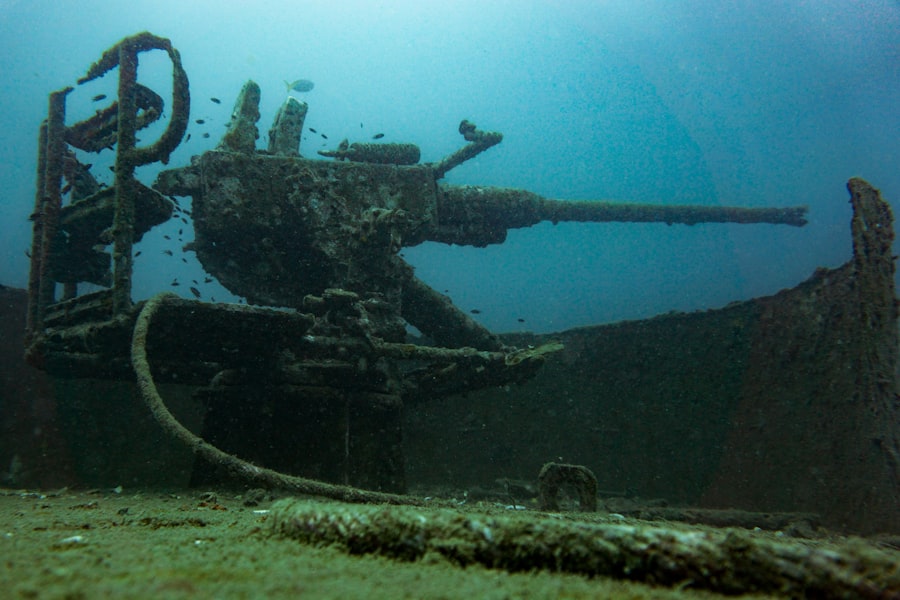
The advancement of technology has revolutionized submarine wreck recovery, enabling teams to conduct operations with greater efficiency and safety. One of the most significant developments is the use of remotely operated vehicles (ROVs), which allow operators to explore deep-sea environments without putting human divers at risk. Equipped with high-definition cameras and specialized tools, ROVs can capture detailed images of wreck sites and assist in the retrieval of artifacts.
These vehicles have become indispensable in modern salvage operations, providing real-time data and enhancing situational awareness for recovery teams. In addition to ROVs, advanced sonar technology plays a crucial role in locating submarine wrecks. Multibeam sonar systems can create detailed maps of the ocean floor, helping researchers identify potential wreck sites before deploying recovery teams.
Once a site is located, divers or ROVs can use sonar imaging to assess the condition of the wreck and plan recovery strategies accordingly. Furthermore, innovations in underwater robotics and 3D modeling have improved the ability to document and analyze wreck sites, allowing for more comprehensive studies that contribute to both archaeological research and historical preservation.
The Role of Archaeology in Submarine Wreck Recovery
Archaeology is integral to submarine wreck recovery, as it provides a framework for understanding the historical significance of these submerged vessels. Archaeologists employ systematic methods to excavate and document wreck sites, ensuring that artifacts are recovered in a manner that preserves their context. This meticulous approach allows researchers to draw connections between the artifacts found at a site and the broader historical narrative surrounding the submarine’s operation and eventual sinking.
Moreover, archaeological techniques help to interpret the cultural significance of submarine wrecks. By analyzing the materials used in construction, the design features of the vessel, and the artifacts recovered from within, archaeologists can gain insights into the technological capabilities of the time as well as the social dynamics aboard these submarines. This interdisciplinary approach not only enriches historical understanding but also fosters a deeper appreciation for maritime heritage among the public.
Environmental Considerations in Submarine Wreck Recovery
| Metric | Description | Typical Values | Units |
|---|---|---|---|
| Depth of Wreck | Depth at which the submarine wreck is located | 100 – 6000 | meters |
| Visibility | Water clarity at wreck site affecting recovery operations | 0.5 – 30 | meters |
| Recovery Time | Estimated duration to recover wreckage or artifacts | 1 – 12 | weeks |
| Number of Divers/ROVs | Personnel or remotely operated vehicles involved in recovery | 2 – 10 | count |
| Weight of Recovered Material | Total mass of recovered wreckage or artifacts | 500 – 20000 | kilograms |
| Salvage Success Rate | Percentage of successful recoveries from attempted wrecks | 60 – 90 | percent |
| Cost of Recovery | Estimated operational cost excluding equipment purchase | 100000 – 5000000 | units (currency varies) |
| Environmental Impact Score | Assessment of environmental disturbance caused by recovery | 1 – 10 | scale (1=low, 10=high) |
Environmental considerations are paramount in submarine wreck recovery efforts. Many submarines contain hazardous materials that can pose risks to marine ecosystems if not handled properly. For instance, residual fuel or munitions may leak from a wreck, contaminating surrounding waters and harming marine life.
As such, salvage teams must conduct thorough assessments before initiating recovery operations to identify potential environmental hazards and develop strategies for mitigating risks. Additionally, the impact of recovery operations on marine habitats must be carefully evaluated. Disturbing a wreck site can disrupt local ecosystems and alter sediment patterns on the ocean floor.
To minimize ecological damage, salvage teams often employ techniques that prioritize environmental protection while still achieving their recovery goals. This commitment to environmental stewardship reflects a growing awareness within the field of submarine wreck recovery about the interconnectedness of human activities and marine health.
Examples of Successful Submarine Wreck Recovery Projects
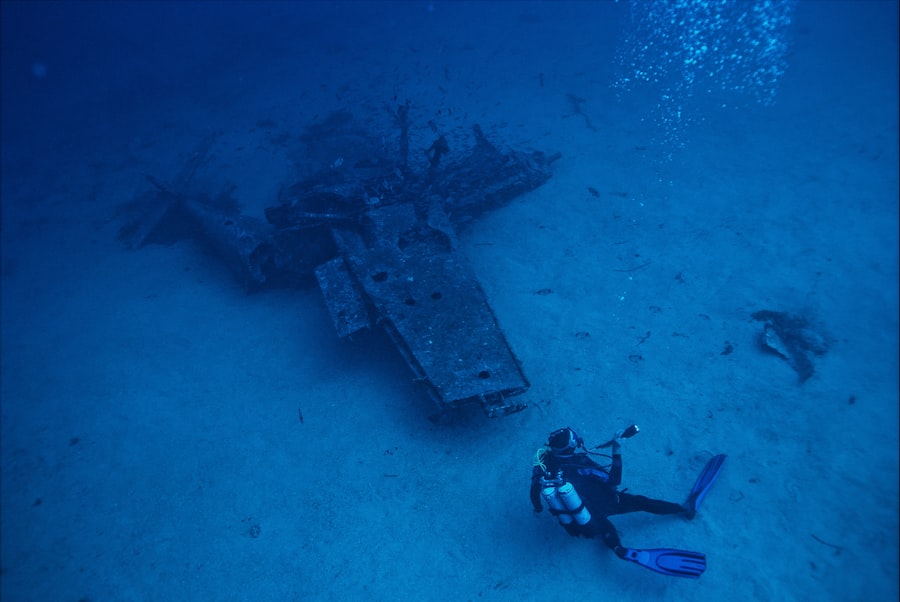
Several notable submarine wreck recovery projects have garnered attention for their success and significance. One such project is the recovery of the USS Monitor, an iconic Civil War-era ironclad warship that sank off the coast of North Carolina in 1862. After years of research and planning, a team successfully located and recovered key components of the vessel in the 1990s.
The artifacts retrieved from the Monitor have since been preserved and displayed in museums, providing valuable insights into naval engineering during the Civil War era. Another remarkable example is the recovery of U-869, a German U-boat that sank during World War II off the coast of New Jersey. After its discovery in 1991, a team undertook an extensive salvage operation that involved both archaeological research and artifact recovery.
The project not only yielded numerous artifacts but also contributed to a deeper understanding of U-boat operations during the war. The successful recovery of U-869 highlights how such projects can enhance historical knowledge while also honoring those who served aboard these vessels.
The Economic Impact of Submarine Wreck Recovery
The economic impact of submarine wreck recovery extends beyond immediate financial gains from salvaged materials or artifacts. These projects often stimulate local economies by creating jobs in various sectors, including marine engineering, archaeology, and tourism. As communities recognize the potential for attracting visitors interested in maritime history, they may invest in infrastructure improvements or develop educational programs centered around recovered wrecks.
Furthermore, successful recovery projects can lead to increased funding for future archaeological endeavors or conservation efforts. Grants and sponsorships may become available as public interest grows, allowing researchers to explore additional wreck sites or enhance preservation initiatives for existing artifacts. In this way, submarine wreck recovery not only contributes to historical knowledge but also fosters economic development within coastal communities.
Ethical and Legal Issues in Submarine Wreck Recovery
The field of submarine wreck recovery is fraught with ethical and legal dilemmas that require careful consideration by all involved parties. One major concern is determining ownership rights over recovered artifacts or vessels. Many countries have laws governing shipwrecks within their territorial waters, while international agreements may apply to wrecks found in international waters.
Navigating these legal frameworks can be complex, often leading to disputes over ownership between nations or private entities. Ethical considerations also come into play when dealing with war graves or sites containing human remains. Respecting the memory of those who lost their lives at sea is paramount; thus, recovery efforts must be conducted with sensitivity and care.
Archaeologists and salvage teams must balance their desire for discovery with their responsibility to honor those who perished aboard these submarines. Establishing guidelines for ethical conduct in submarine wreck recovery is essential for maintaining respect for both history and humanity.
The Future of Submarine Wreck Recovery
The future of submarine wreck recovery appears promising as technology continues to advance and public interest grows. Innovations in underwater robotics and artificial intelligence are likely to enhance exploration capabilities, allowing teams to conduct more thorough assessments of wreck sites while minimizing environmental impact.
Additionally, increased collaboration between governments, academic institutions, and private entities may lead to more comprehensive approaches to submarine wreck recovery. By pooling resources and expertise, stakeholders can tackle complex challenges more effectively while ensuring that ethical considerations remain at the forefront of their efforts. As awareness about maritime heritage continues to rise, it is likely that future generations will prioritize preserving these underwater sites for both educational purposes and cultural appreciation.
The Cultural and Historical Significance of Submarine Wreck Recovery
Submarine wreck recovery holds immense cultural and historical significance as it serves as a tangible link to past events that shaped nations and societies. Each recovered vessel represents not only technological achievements but also human experiences—stories of bravery, sacrifice, and innovation during times of conflict. By studying these wrecks, historians can gain insights into naval strategies employed during wars as well as societal attitudes toward warfare at different points in history.
Moreover, recovered artifacts often become focal points for public education about maritime history. Museums frequently showcase items retrieved from submarine wrecks, allowing visitors to engage with history on a personal level. This interaction fosters a deeper understanding of how naval conflicts influenced global dynamics while also highlighting the importance of preserving maritime heritage for future generations.
The Human Stories Behind Submarine Wreck Recovery
Behind every submarine wreck lies a tapestry of human stories—tales of courage, loss, and resilience that resonate deeply with those who study them. The lives lost aboard these vessels represent not just statistics but individuals with families, dreams, and aspirations cut short by war or tragedy. As researchers delve into the histories surrounding these submarines, they uncover personal narratives that add depth to their understanding of historical events.
These human stories often drive public interest in submarine wreck recovery efforts as communities seek to honor those who served aboard these vessels. Memorials may be established at recovery sites or through educational programs aimed at preserving their legacies. By sharing these narratives with broader audiences, stakeholders can foster empathy and appreciation for those who sacrificed their lives at sea while also emphasizing the importance of learning from history to prevent future conflicts.
In conclusion, submarine wreck recovery is a multifaceted endeavor that encompasses historical research, technological innovation, environmental stewardship, economic development, ethical considerations, cultural significance, and human stories. As advancements continue to shape this field’s future trajectory, it remains essential for all involved parties to approach these efforts with respect for both history and humanity while striving toward greater understanding through exploration and preservation.
The recovery of submarine wrecks is a complex and fascinating topic that has garnered significant attention in recent years. For those interested in exploring this subject further, a related article can be found on In The War Room, which delves into the challenges and technologies involved in submarine wreck recovery. You can read more about it in their article [here](https://www.inthewarroom.com/).
FAQs
What is submarine wreck recovery?
Submarine wreck recovery refers to the process of locating, salvaging, and sometimes restoring sunken submarines. This can involve retrieving the vessel itself, recovering artifacts, or conducting investigations to determine the cause of the sinking.
Why is submarine wreck recovery important?
Recovering submarine wrecks is important for historical preservation, providing closure to families of lost crew members, advancing marine archaeology, and sometimes for environmental reasons such as removing hazardous materials from the ocean floor.
What methods are used in submarine wreck recovery?
Common methods include sonar scanning to locate wrecks, remotely operated vehicles (ROVs) for underwater inspection, divers for manual recovery, and specialized lifting equipment to raise parts or entire submarines to the surface.
What challenges are involved in submarine wreck recovery?
Challenges include deep water pressure, poor visibility, hazardous conditions, the fragile state of wrecks, legal and ethical considerations, and the technical difficulty of lifting heavy objects from the ocean floor.
Are there legal restrictions on recovering submarine wrecks?
Yes, many submarine wrecks are protected by international laws, treaties, or national regulations. Permission is often required from relevant authorities, especially if the wreck is considered a war grave or cultural heritage site.
Can submarine wreck recovery provide information about historical events?
Absolutely. Recovering and studying submarine wrecks can offer valuable insights into naval history, technological advancements, and the circumstances surrounding maritime accidents or wartime losses.
What happens to recovered submarine wrecks?
Recovered wrecks may be preserved in museums, used for research, or sometimes restored for display. In some cases, only artifacts are recovered while the main wreck remains underwater as a memorial or protected site.
How long does submarine wreck recovery take?
The duration varies widely depending on the depth, location, condition of the wreck, and complexity of the recovery operation. It can range from weeks to several years.
Who typically conducts submarine wreck recovery operations?
Operations are usually carried out by specialized marine salvage companies, naval forces, research institutions, or collaborative teams involving archaeologists, engineers, and divers.
Is submarine wreck recovery dangerous?
Yes, it involves significant risks due to underwater hazards, heavy equipment, and challenging environmental conditions. Safety protocols and experienced personnel are essential to minimize risks.