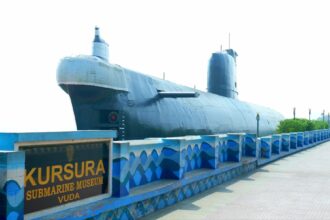
American submarine tactics have undergone substantial transformation since their inception, driven by technological advancements, evolving strategic doctrines, and shifting global security environments. The United States Navy has consistently leveraged submarines’ inherent advantages—stealth capabilities, operational flexibility, and covert power projection—making them integral to modern naval operations. Contemporary American submarines conduct diverse missions including intelligence collection, surveillance, reconnaissance, strategic deterrence, and combat operations across multiple maritime theaters.
Submarines constitute a critical component of U.S. naval strategy and national defense architecture. They provide strategic deterrence through nuclear-powered ballistic missile submarines (SSBNs), maintain sea control through attack submarines (SSNs), and support special operations through guided missile submarines (SSGNs).
American submarine tactics capitalize on underwater vessels’ ability to operate undetected in contested waters, conduct long-duration patrols, and engage targets with precision-guided munitions. These capabilities enable operations in anti-access/area-denial environments where surface vessels face significant threats. The development of American submarine tactics reflects broader changes in naval warfare, incorporating lessons from World War II Pacific operations, Cold War strategic competition, and contemporary multi-domain operations.
Modern tactics integrate advanced sonar systems, network-centric warfare capabilities, and coordinated operations with surface and air assets. This tactical evolution demonstrates the submarine force’s adaptation to emerging threats while maintaining its role as a decisive element in maritime strategy and global power projection.
Key Takeaways
- American submarine tactics have evolved significantly from historical roots to modern stealth operations.
- Technological advancements have enhanced the effectiveness and strategic value of U.S. submarines.
- Submarines play a critical role in modern warfare through stealth, communication, and coordinated maneuvers.
- Challenges such as detection risks and operational hazards remain key concerns in submarine warfare.
- Future trends focus on improved technology and tactics to maintain strategic superiority underwater.
History of Submarine Warfare
The history of submarine warfare dates back to the American Revolutionary War when the first known military submarine, the Turtle, was used in an attempt to sink British ships. However, it was not until World War I that submarines began to play a significant role in naval conflicts. The German U-boat campaign demonstrated the effectiveness of submarines in disrupting enemy supply lines and projecting power from beneath the waves.
This marked a turning point in naval warfare, as nations recognized the potential of submarines as formidable weapons. World War II further solidified the role of submarines in military strategy. The United States Navy’s submarine fleet was instrumental in the Pacific Theater, where they conducted successful campaigns against Japanese shipping and naval forces.
The tactics employed during this time included wolf pack strategies, where groups of submarines would coordinate attacks on enemy vessels. This period also saw advancements in submarine technology, such as improved torpedoes and sonar systems, which enhanced their effectiveness in combat. The lessons learned from these early conflicts laid the groundwork for modern submarine tactics and operations.
Evolution of American Submarine Technology
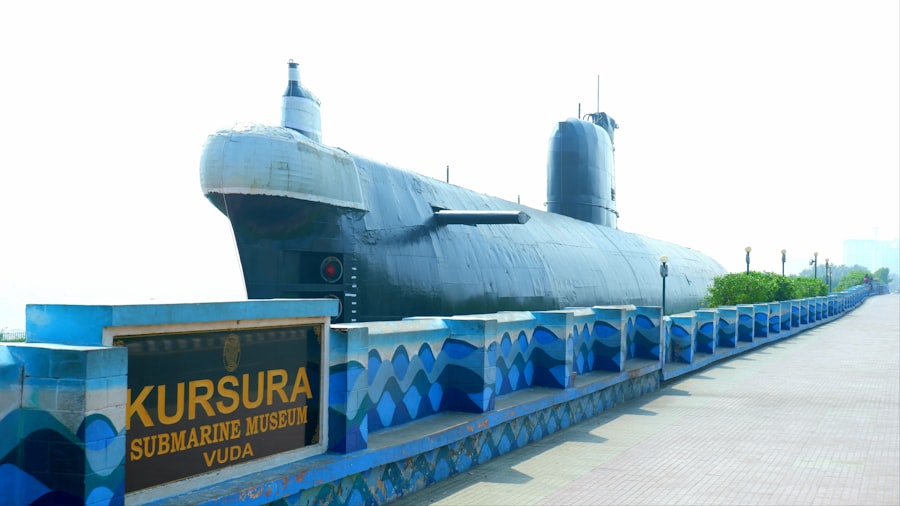
The evolution of American submarine technology has been marked by significant advancements that have transformed the capabilities of these vessels. From the early diesel-electric submarines to the modern nuclear-powered fleet, each generation has brought innovations that enhance performance and operational effectiveness.
This capability not only increased their stealth but also expanded their operational range. In addition to propulsion advancements, improvements in weaponry and sensor technology have played a crucial role in the evolution of American submarines. The development of advanced torpedoes, cruise missiles, and sophisticated sonar systems has enabled submarines to engage targets with greater precision and effectiveness.
Furthermore, advancements in stealth technology have made modern submarines harder to detect, allowing them to operate closer to enemy shores without compromising their safety. As technology continues to advance, American submarines are poised to remain at the forefront of naval warfare.
Role of Submarines in Modern Warfare
In contemporary military operations, submarines play a multifaceted role that extends beyond traditional combat missions. They are integral to intelligence gathering, surveillance, and reconnaissance (ISR) efforts, providing critical information about enemy movements and capabilities. Submarines can operate undetected in contested waters, making them ideal platforms for gathering intelligence without alerting adversaries.
This capability is particularly valuable in an era where information dominance is crucial for success on the battlefield. Moreover, American submarines serve as a deterrent against potential threats. Their ability to launch precision strikes from concealed positions allows them to project power and influence regional stability without the need for overt military presence.
This strategic ambiguity can deter adversaries from aggressive actions, as they remain uncertain about the exact capabilities and locations of American forces. In this way, submarines contribute not only to direct military engagements but also to broader geopolitical strategies aimed at maintaining peace and stability.
Stealth Technology and Submarine Tactics
| Metric | Description | Typical Value/Range | Notes |
|---|---|---|---|
| Stealth Duration | Time a submarine can remain undetected while submerged | Weeks to months | Depends on battery life, noise levels, and enemy detection capabilities |
| Maximum Operating Depth | Maximum depth at which the submarine can operate safely | 800 to 1,600 feet (244 to 488 meters) | Varies by class of submarine |
| Speed (Submerged) | Maximum speed while submerged | 20 to 30+ knots | Higher speeds reduce stealth due to noise |
| Sonar Detection Range | Range at which enemy vessels can be detected using sonar | Up to 20+ nautical miles | Varies with water conditions and sonar technology |
| Torpedo Loadout | Number of torpedoes carried for attack | 20 to 40 torpedoes | Includes both torpedoes and cruise missiles in some classes |
| Communication Methods | Techniques used to communicate while submerged | Very Low Frequency (VLF), Satellite communication | Limited bandwidth; often requires surfacing or periscope depth |
| Engagement Tactics | Common tactics used in combat | Ambush, shadowing, hit-and-run attacks | Emphasizes stealth and surprise |
| Counter-Detection Measures | Techniques to avoid enemy detection | Silent running, decoys, thermal layer exploitation | Critical for survival in hostile environments |
Stealth technology is a defining characteristic of modern submarine tactics, enabling these vessels to operate effectively in hostile environments while minimizing the risk of detection. The design and construction of submarines incorporate features that reduce their acoustic signature, making them less detectable by enemy sonar systems. This includes specialized hull shapes, sound-dampening materials, and advanced propulsion systems that minimize noise generation.
The tactical implications of stealth are profound. By remaining undetected, submarines can gather intelligence, conduct surprise attacks, and evade enemy countermeasures. The ability to approach targets without being seen allows submarines to launch strikes with a high degree of surprise and effectiveness.
Additionally, stealth enhances their survivability; should conflict arise, submarines can evade enemy forces and reposition themselves for strategic advantage. As adversaries develop countermeasures against traditional detection methods, the importance of stealth technology will only continue to grow.
Strategic Importance of Submarine Warfare
The strategic importance of submarine warfare extends beyond individual missions; it encompasses broader national security objectives and geopolitical considerations. Submarines provide a flexible and adaptable platform that can respond to a wide range of threats across various theaters of operation. Their ability to operate independently or as part of a larger naval task force enhances the overall effectiveness of maritime operations.
Furthermore, submarines play a critical role in nuclear deterrence strategies. The United States maintains a fleet of ballistic missile submarines (SSBNs) that serve as a key component of its nuclear triad. These vessels provide a second-strike capability that ensures adversaries understand the consequences of any nuclear aggression.
The presence of SSBNs contributes to strategic stability by deterring potential adversaries from engaging in nuclear conflict.
Submarine Operations and Maneuvers
Submarine operations involve a complex array of maneuvers designed to maximize effectiveness while minimizing risk. These maneuvers include diving and surfacing techniques, evasive actions during detection attempts, and coordinated attacks on enemy vessels or installations. The ability to navigate underwater terrain while avoiding detection requires highly trained crews and sophisticated operational protocols.
One common tactic employed by submarines is the use of “periscope depth” operations, where they briefly surface to gather visual intelligence while remaining largely submerged.
Additionally, submarines often employ “silent running” techniques during high-risk operations, where they minimize noise production to evade detection by enemy sonar systems.
Communication and Coordination in Submarine Tactics
Effective communication and coordination are essential components of successful submarine operations. Given the unique challenges posed by underwater environments, maintaining situational awareness among crew members is paramount. Submarines utilize advanced communication systems that allow them to relay information with other naval assets while remaining covert.
Coordination with surface ships and aircraft is also crucial for successful missions. Submarines often operate as part of larger task forces that include surface combatants and support vessels. This requires seamless integration between different platforms to ensure that objectives are met efficiently and effectively.
The ability to share real-time intelligence enhances decision-making processes and allows for rapid responses to emerging threats.
Challenges and Risks in Submarine Warfare
Despite their many advantages, submarine warfare is fraught with challenges and risks that can impact operational success. One significant challenge is the inherent vulnerability of submarines during surfacing or when operating at periscope depth. These moments expose them to potential detection by enemy forces or anti-submarine warfare (ASW) assets.
Additionally, the complexity of underwater navigation presents its own set of challenges. Submarines must contend with varying oceanographic conditions that can affect sonar performance and maneuverability. Navigating through shallow waters or congested maritime environments requires careful planning and execution to avoid collisions or grounding incidents.
Future Trends in American Submarine Tactics
As technology continues to advance at an unprecedented pace, future trends in American submarine tactics are likely to reflect these changes. The integration of artificial intelligence (AI) into submarine operations holds great promise for enhancing decision-making processes and improving situational awareness. AI could assist crews in analyzing vast amounts of data collected during missions, allowing for more informed tactical choices.
Moreover, advancements in unmanned underwater vehicles (UUVs) may complement traditional submarine operations by conducting reconnaissance or engaging in mine countermeasures without risking crewed vessels. This could expand operational capabilities while reducing risks associated with manned missions. As adversaries develop new countermeasures against traditional submarine tactics, adapting to these challenges will be essential for maintaining an edge in underwater warfare.
The Future of American Submarine Tactics
The future of American submarine tactics is poised for transformation as technological advancements reshape the landscape of naval warfare. With an emphasis on stealth, adaptability, and integration with emerging technologies like AI and UUVs, American submarines will continue to play a pivotal role in national defense strategies. As they navigate an increasingly complex global security environment, their ability to operate effectively while minimizing risks will be paramount.
Ultimately, the evolution of American submarine tactics reflects not only advancements in technology but also shifts in military doctrine and geopolitical realities. As new challenges emerge on the horizon, American submarines will remain at the forefront of naval strategy—silent sentinels beneath the waves ready to respond to any threat that may arise.
American submarine tactics have evolved significantly over the years, adapting to new technologies and changing warfare strategies. A related article that delves deeper into these tactics can be found at this link, where various aspects of submarine warfare are explored, including stealth operations and the strategic importance of submarines in modern naval conflicts.
FAQs
What are American submarine tactics?
American submarine tactics refer to the strategic methods and operational procedures used by the United States Navy to effectively deploy and utilize submarines in various naval missions, including surveillance, reconnaissance, attack, and defense.
How do American submarines conduct stealth operations?
American submarines use advanced stealth technology, including sound-dampening hull designs, quiet propulsion systems, and electronic countermeasures, to minimize detection by enemy sonar and radar during covert operations.
What types of missions do American submarines typically undertake?
American submarines undertake a variety of missions such as intelligence gathering, special forces delivery, anti-submarine warfare, anti-surface warfare, strategic deterrence with ballistic missiles, and mine laying.
How do American submarines communicate while remaining undetected?
They use secure, low-frequency communication systems like Very Low Frequency (VLF) and Extremely Low Frequency (ELF) radio waves, which can penetrate water to a limited depth, allowing submarines to receive messages without surfacing.
What role do sonar systems play in American submarine tactics?
Sonar systems are critical for navigation, target detection, and threat avoidance. American submarines use both passive sonar to listen for enemy vessels and active sonar to emit sound pulses and detect objects, balancing stealth with situational awareness.
How do American submarines engage enemy targets?
They employ torpedoes and cruise missiles launched from submerged positions. Tactics include ambush attacks, coordinated strikes with other naval assets, and use of decoys to confuse enemy defenses.
What is the significance of nuclear propulsion in American submarine tactics?
Nuclear propulsion provides American submarines with virtually unlimited underwater endurance and high speeds, enabling extended covert operations and rapid repositioning without the need to surface frequently.
How do American submarines avoid detection by enemy forces?
They use a combination of quiet propulsion, careful route planning, electronic warfare measures, and operating in deep or complex underwater environments to reduce the risk of detection.
Are American submarine tactics different for attack submarines versus ballistic missile submarines?
Yes, attack submarines focus on hunting enemy vessels and gathering intelligence, using aggressive and flexible tactics, while ballistic missile submarines prioritize stealth and strategic deterrence, maintaining hidden patrol areas to ensure second-strike capability.
How has technology influenced American submarine tactics?
Advancements in sonar, stealth materials, weapons systems, and communication technologies have continually evolved American submarine tactics, enhancing their effectiveness, survivability, and ability to operate in contested environments.