Submarine propulsion systems constitute a fundamental element of naval engineering, providing underwater vessels with the capability to operate beneath the ocean surface. These systems directly affect a submarine’s speed, maneuverability, operational range, and mission duration. The propulsion technology employed also significantly impacts the vessel’s acoustic signature, which determines its detectability by sonar systems.
Modern submarine propulsion systems primarily fall into two categories: diesel-electric and nuclear. Diesel-electric submarines utilize diesel engines for surface operation and battery power when submerged, offering cost-effectiveness and reduced complexity but limiting underwater endurance. Nuclear-powered submarines employ nuclear reactors to generate steam for turbine propulsion, enabling extended submerged operations and higher sustained speeds.
Quieter propulsion reduces the submarine’s sonar signature, enhancing its stealth capabilities during intelligence gathering, patrol missions, and combat operations. Advanced propulsion technologies incorporate noise-dampening features, improved propeller designs, and alternative propulsion methods such as air-independent propulsion (AIP) systems.
Contemporary developments in submarine propulsion focus on increasing efficiency, reducing maintenance requirements, and minimizing environmental impact while maintaining operational effectiveness. These technological advances directly influence naval strategic capabilities and maritime defense systems across global naval forces.
Key Takeaways
- Submarine propulsion has evolved from traditional diesel-electric systems to advanced nuclear and air-independent technologies.
- Nuclear propulsion offers significant advantages in endurance and power but comes with complex challenges.
- Electric and fuel cell technologies are increasingly important for quieter, more efficient submarine operation.
- Innovations in air-independent propulsion enhance underwater endurance without surfacing.
- Future trends focus on improving environmental impact and operational efficiency of submarine propulsion systems.
Evolution of Submarine Propulsion Technology
The journey of submarine propulsion technology has been marked by significant milestones that reflect broader technological advancements and changing military needs. Early submarines relied on simple mechanical systems powered by diesel engines, which limited their operational depth and duration. These vessels were often constrained to surface operations, as their reliance on atmospheric oxygen made submerged travel impractical for extended periods.
The introduction of electric motors provided a breakthrough, allowing submarines to operate underwater for longer durations, albeit still with limitations. As the 20th century progressed, the advent of nuclear power revolutionized submarine propulsion. The first nuclear-powered submarine, USS Nautilus, launched in 1954, demonstrated the potential for virtually unlimited underwater endurance.
This innovation not only enhanced the strategic capabilities of submarines but also marked a significant shift in naval warfare, as submarines could now operate stealthily for extended periods without surfacing. The evolution of propulsion technology has thus been a continuous quest for greater efficiency, stealth, and operational flexibility.
Traditional Propulsion Systems for Submarines

Traditional submarine propulsion systems primarily include diesel-electric engines, which have been the backbone of many naval fleets around the world. Diesel engines provide the initial power needed for surface travel, while electric batteries take over when the submarine submerges. This hybrid system allows submarines to conserve fuel and maintain a low profile while submerged.
However, traditional systems come with inherent limitations, such as the need to surface or snorkel to recharge batteries, which can expose submarines to detection. Despite their limitations, traditional propulsion systems have been effective for many navies, particularly those operating in coastal waters or regions where extended underwater endurance is not as critical. The simplicity and reliability of diesel-electric systems make them an attractive option for smaller submarines or those used primarily for training and coastal defense missions.
Nevertheless, as global naval strategies evolve and the need for stealthy long-range operations increases, traditional systems are increasingly being supplemented or replaced by more advanced technologies.
Advancements in Nuclear-Powered Submarine Propulsion
Nuclear-powered submarines represent a significant leap forward in submarine propulsion technology, offering unparalleled endurance and speed. These vessels utilize nuclear reactors to generate steam, which drives turbines that propel the submarine through the water. The ability to operate submerged for months at a time without the need to surface or recharge batteries has made nuclear submarines a cornerstone of modern naval power.
They can conduct long-range missions and remain undetected for extended periods, making them formidable assets in any naval fleet. The advancements in nuclear propulsion have also led to improvements in safety and efficiency. Modern reactors are designed with advanced safety features that minimize the risk of accidents and environmental contamination.
Additionally, innovations in reactor design have allowed for more compact systems that reduce the overall size and weight of submarines while enhancing their performance capabilities. As nations continue to invest in their nuclear fleets, the ongoing development of nuclear propulsion technology will likely play a pivotal role in shaping future naval strategies.
The Role of Electric Propulsion in Submarines
| Propulsion System | Power Source | Typical Power Output (kW) | Maximum Speed (knots) | Endurance | Noise Level | Common Usage |
|---|---|---|---|---|---|---|
| Diesel-Electric | Diesel Engine + Battery | 1,000 – 5,000 | 20 – 25 | Limited by battery capacity (days submerged) | Moderate | Conventional attack submarines |
| Nuclear Propulsion | Nuclear Reactor | 30,000 – 60,000+ | 30 – 35+ | Months (limited by food and crew endurance) | Low to Moderate | Strategic ballistic missile subs, fast attack subs |
| Air-Independent Propulsion (AIP) | Fuel Cells / Stirling Engine / Closed-cycle Diesel | 200 – 1,000 | 15 – 20 | Weeks submerged | Very Low | Conventional subs requiring extended underwater endurance |
| Electric Propulsion (Battery Only) | Battery | Up to 1,000 | 10 – 15 | Hours to days (depending on battery size) | Very Low | Mini-submarines, unmanned underwater vehicles (UUVs) |
Electric propulsion has emerged as a vital component in modern submarine design, particularly in conjunction with traditional diesel engines and nuclear power. Electric motors provide a quiet and efficient means of propulsion that is essential for stealth operations. The use of electric propulsion allows submarines to operate at lower speeds while minimizing noise, making it more difficult for adversaries to detect them through sonar systems.
In recent years, advancements in battery technology have further enhanced the role of electric propulsion in submarines. Lithium-ion batteries, for example, offer higher energy density and longer life cycles compared to traditional lead-acid batteries. This improvement enables submarines to remain submerged for longer periods without needing to surface or recharge their batteries frequently.
As electric propulsion continues to evolve, it is likely to play an increasingly prominent role in both conventional and advanced submarine designs.
Innovations in Air-Independent Propulsion Systems
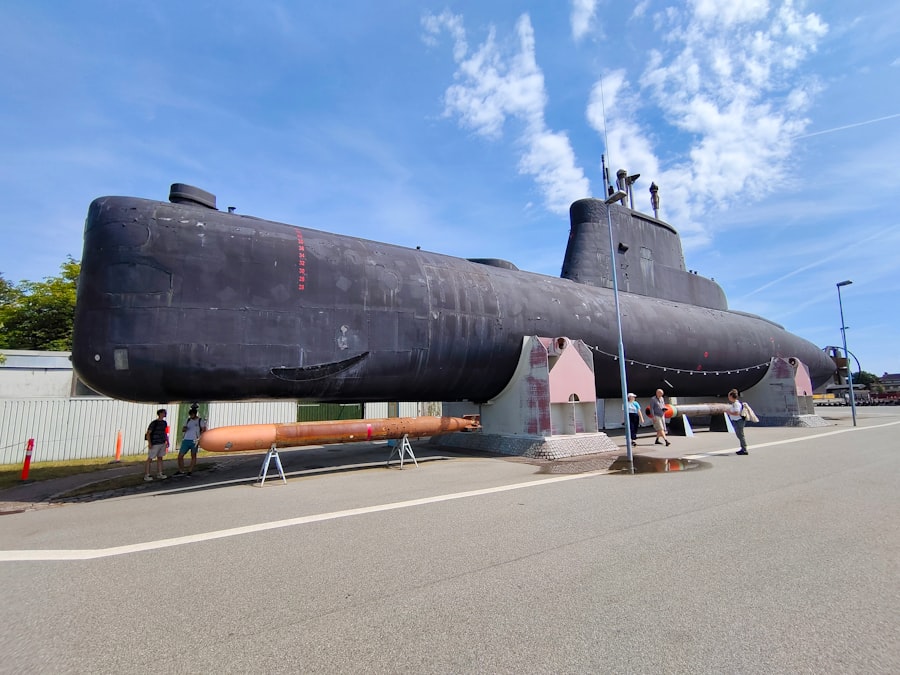
Air-independent propulsion (AIP) systems represent a significant advancement in submarine technology, allowing vessels to operate underwater without surfacing or relying on atmospheric oxygen. AIP systems can utilize various technologies, including fuel cells, Stirling engines, or closed-cycle diesel engines, each offering unique advantages in terms of efficiency and stealth. The ability to remain submerged for extended periods enhances a submarine’s operational capabilities and reduces its vulnerability to detection.
The development of AIP systems has been particularly beneficial for non-nuclear submarines, which often face limitations due to their reliance on diesel-electric propulsion. By incorporating AIP technology, these submarines can extend their operational range and endurance significantly. This innovation has led many navies around the world to invest in AIP-equipped submarines as a means of enhancing their underwater capabilities while maintaining cost-effectiveness compared to nuclear options.
The Use of Fuel Cell Technology in Submarine Propulsion
Fuel cell technology has emerged as a promising solution for enhancing submarine propulsion systems, particularly within air-independent propulsion frameworks. Fuel cells convert chemical energy from fuels such as hydrogen into electrical energy through an electrochemical reaction, producing only water as a byproduct. This clean energy source offers several advantages over traditional battery systems, including higher efficiency and longer operational durations without the need for recharging.
The integration of fuel cell technology into submarines allows for quieter operations and reduced thermal signatures compared to conventional diesel engines. As fuel cells can operate silently while generating power, they significantly enhance a submarine’s stealth capabilities during missions. Furthermore, ongoing research into hydrogen production and storage solutions may pave the way for more widespread adoption of fuel cell technology in future submarine designs.
Advantages and Challenges of Advanced Submarine Propulsion Systems
The advancements in submarine propulsion systems bring numerous advantages that enhance naval capabilities. Enhanced endurance and stealth are among the most significant benefits offered by modern technologies such as nuclear power and air-independent propulsion. These innovations allow submarines to conduct prolonged missions without detection, providing strategic advantages during military operations.
However, these advanced systems also present challenges that must be addressed by naval engineers and policymakers alike. The complexity of nuclear reactors requires stringent safety protocols and extensive training for personnel operating these vessels. Additionally, the high costs associated with developing and maintaining advanced propulsion technologies can strain national defense budgets.
Balancing these challenges with the need for effective maritime defense remains a critical consideration for navies worldwide.
Future Trends in Submarine Propulsion Technology
As global security dynamics continue to evolve, future trends in submarine propulsion technology are likely to focus on enhancing stealth capabilities and operational efficiency. Innovations such as hybrid propulsion systems that combine traditional diesel engines with advanced electric or fuel cell technologies may become more prevalent as navies seek to optimize performance while minimizing costs. Moreover, advancements in materials science could lead to lighter and more durable components that improve overall submarine performance.
Research into alternative fuels and energy sources may also drive future developments in submarine propulsion technology, aligning with broader trends toward sustainability within military operations. As nations invest in next-generation submarines, these trends will shape the future landscape of underwater warfare.
Environmental Impact of Advanced Submarine Propulsion Systems
The environmental impact of advanced submarine propulsion systems is an increasingly important consideration as nations strive for sustainable military practices. Nuclear-powered submarines produce minimal emissions during operation; however, concerns about radioactive waste management and potential accidents remain significant challenges that require careful oversight. On the other hand, air-independent propulsion systems utilizing fuel cells offer cleaner alternatives that produce only water as a byproduct during operation.
As navies explore greener technologies, there is potential for reducing the ecological footprint associated with submarine operations while maintaining strategic effectiveness.
The Implications of Advancements in Submarine Propulsion Systems
The advancements in submarine propulsion systems have profound implications for naval strategy and maritime security worldwide. As nations continue to invest in cutting-edge technologies that enhance stealth, endurance, and operational flexibility, the landscape of underwater warfare is poised for transformation. The evolution from traditional diesel-electric systems to advanced nuclear-powered and air-independent solutions reflects a broader trend toward modernization within military forces.
Ultimately, these advancements not only enhance national defense capabilities but also raise important questions about environmental sustainability and global security dynamics. As navies navigate these complexities, the ongoing development of submarine propulsion technology will play a pivotal role in shaping future maritime operations and ensuring that nations remain prepared for emerging challenges on the high seas.
Submarine propulsion systems have evolved significantly over the years, with advancements in technology leading to more efficient and quieter operations. For a deeper understanding of the various types of propulsion systems used in modern submarines, you can read the related article on this topic at this link. This article provides insights into the different propulsion technologies and their implications for naval warfare.
FAQs
What are submarine propulsion systems?
Submarine propulsion systems are the mechanisms and technologies used to move a submarine through water. They convert energy into thrust, allowing the submarine to navigate underwater.
What types of propulsion systems are used in submarines?
Common types include diesel-electric propulsion, nuclear propulsion, and air-independent propulsion (AIP) systems. Each type has different advantages depending on the submarine’s mission and operational requirements.
How does diesel-electric propulsion work in submarines?
Diesel-electric submarines use diesel engines to charge batteries while on the surface or at snorkel depth. When submerged, the submarine runs on battery power, which drives electric motors to propel the vessel quietly.
What is nuclear propulsion in submarines?
Nuclear propulsion uses a nuclear reactor to generate heat, which produces steam to drive turbines connected to the submarine’s propellers. This allows submarines to operate underwater for extended periods without surfacing.
What are air-independent propulsion (AIP) systems?
AIP systems enable non-nuclear submarines to operate underwater without access to atmospheric oxygen. They use technologies like fuel cells or Stirling engines to extend submerged endurance beyond conventional battery limits.
Why is propulsion system noise important in submarines?
Noise generated by propulsion systems can reveal a submarine’s location to enemy sonar. Therefore, quieter propulsion technologies are critical for stealth and operational effectiveness.
How do modern submarines reduce propulsion noise?
Modern submarines use advanced propeller designs, sound-isolating mounts, and pump-jet propulsion to minimize noise. Additionally, electric motors and improved hull designs contribute to quieter operation.
What role does propulsion efficiency play in submarine operations?
Efficient propulsion systems extend a submarine’s range and endurance by conserving energy. This is especially important for battery-powered and AIP submarines, which have limited onboard energy storage.
Can submarines switch between different propulsion modes?
Yes, many submarines, especially diesel-electric types, can switch between diesel engines and battery-powered electric motors depending on whether they are surfaced or submerged.
What advancements are being made in submarine propulsion technology?
Research focuses on improving battery technology, developing quieter and more efficient AIP systems, and enhancing nuclear reactor safety and compactness to improve submarine performance and stealth.