Cable monitoring technology has undergone substantial development, transitioning from basic inspection techniques to advanced automated systems that improve operational efficiency and system reliability. Initially, cable monitoring consisted of manual visual inspections and elementary electrical measurements. Maintenance personnel conducted physical examinations to identify cable deterioration, a process that required extensive time and was susceptible to inspection inconsistencies.
The expansion of industrial infrastructure and increasing requirements for dependable telecommunications and electrical power distribution created demand for enhanced monitoring capabilities. Digital technology integration introduced electronic sensing devices and automated data acquisition systems to cable monitoring applications. These technological improvements enabled continuous real-time assessment of cable operating conditions, allowing maintenance teams to identify defects and impending failures before they developed into major system disruptions.
The incorporation of analytical software has further advanced cable monitoring by delivering performance trend analysis and predictive maintenance functionality. This technological progression has established the foundation for implementing intelligent monitoring systems that are transforming cable maintenance and management practices across various industries.
Key Takeaways
- Traditional cable monitoring systems have significant limitations that smart repeaters address effectively.
- Smart repeaters enhance cable monitoring by providing real-time data and improved signal quality.
- They offer advantages such as increased accuracy, extended monitoring range, and easier maintenance.
- Smart repeaters are applicable across various industries, including telecommunications, energy, and transportation.
- The future of cable monitoring is poised to be transformed by smart repeaters, with ongoing innovations and successful implementations.
The Limitations of Traditional Cable Monitoring Systems
Despite the advancements in cable monitoring technology, traditional systems still exhibit several limitations that can hinder their effectiveness. One of the primary drawbacks is their inability to provide comprehensive data in real-time. Many conventional systems rely on periodic checks, which can lead to delayed responses to emerging issues.
This lag can result in costly downtime and potential damage to infrastructure, particularly in critical applications such as telecommunications and power distribution. Moreover, traditional cable monitoring systems often lack the flexibility needed to adapt to changing environments or varying operational demands. They may be designed for specific types of cables or applications, limiting their usability across different sectors.
Additionally, these systems can be cumbersome to install and maintain, requiring specialized knowledge and training. As industries continue to evolve and embrace digital transformation, the limitations of traditional cable monitoring systems become increasingly apparent, highlighting the need for more innovative solutions.
Introducing Smart Repeaters: A Game-Changer in Cable Monitoring
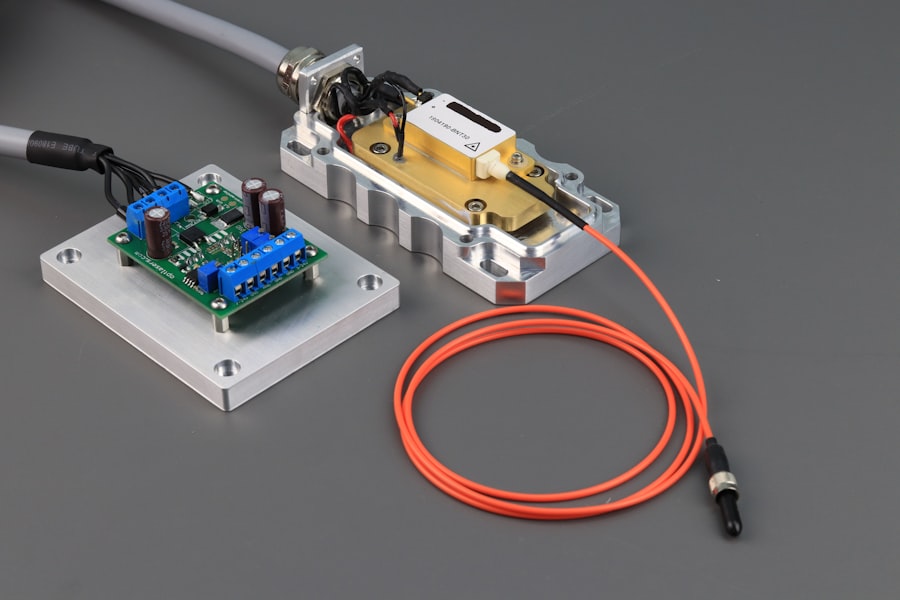
In response to the challenges posed by traditional cable monitoring systems, smart repeaters have emerged as a groundbreaking solution. These devices are designed to enhance signal integrity and extend the reach of communication networks while simultaneously providing advanced monitoring capabilities. By integrating smart technology into the repeater design, these devices can collect and analyze data in real-time, offering insights that were previously unattainable with conventional systems.
Smart repeaters not only improve the performance of cable networks but also facilitate proactive maintenance strategies. With their ability to monitor cable conditions continuously, they can detect anomalies such as signal degradation or temperature fluctuations that may indicate potential failures. This proactive approach allows operators to address issues before they escalate, ultimately reducing downtime and maintenance costs.
As industries increasingly rely on uninterrupted connectivity, the adoption of smart repeaters is becoming essential for ensuring optimal performance.
How Smart Repeaters Work
The functionality of smart repeaters is rooted in their advanced technological architecture, which combines signal amplification with intelligent monitoring capabilities. At their core, smart repeaters receive incoming signals from a source cable, amplify them, and then retransmit them over extended distances. This process ensures that signals maintain their integrity over long runs, which is crucial for applications such as telecommunications and data centers.
What sets smart repeaters apart is their embedded sensors and analytics software. These components continuously monitor various parameters such as signal strength, temperature, and environmental conditions. The data collected is processed in real-time, allowing for immediate detection of any irregularities.
Additionally, many smart repeaters are equipped with connectivity options that enable them to communicate with centralized management systems or cloud platforms. This connectivity facilitates remote monitoring and management, providing operators with a comprehensive view of their cable networks from anywhere in the world.
Advantages of Smart Repeaters for Cable Monitoring
| Metric | Description | Typical Value | Unit | Importance |
|---|---|---|---|---|
| Signal Strength | Measurement of the repeater’s output signal power | +15 to +30 | dBm | High |
| Noise Figure | Amount of noise added by the repeater to the signal | 3 to 6 | dB | High |
| Power Consumption | Energy used by the repeater during operation | 5 to 20 | Watts | Medium |
| Temperature Monitoring | Internal temperature range of the repeater | -20 to 70 | °C | High |
| Uptime | Operational time without failure | 99.9 | % | Critical |
| Latency | Delay introduced by the repeater in signal transmission | 1 to 5 | ms | Medium |
| Cable Integrity | Detection of faults or degradation in connected cables | Real-time monitoring | N/A | High |
| Remote Diagnostics | Ability to monitor and troubleshoot remotely | Supported | N/A | High |
The advantages of implementing smart repeaters in cable monitoring are manifold. One of the most significant benefits is enhanced reliability. By continuously monitoring cable conditions and amplifying signals as needed, smart repeaters help ensure that communication networks operate smoothly without interruptions.
This reliability is particularly critical in sectors where downtime can lead to substantial financial losses or safety risks. Another key advantage is the reduction in maintenance costs. Traditional monitoring systems often require frequent manual inspections and troubleshooting efforts, which can be labor-intensive and costly.
In contrast, smart repeaters automate much of this process by providing real-time alerts and diagnostics. This automation allows maintenance teams to focus their efforts on addressing actual issues rather than conducting routine checks, ultimately leading to more efficient resource allocation.
Applications of Smart Repeaters in Various Industries
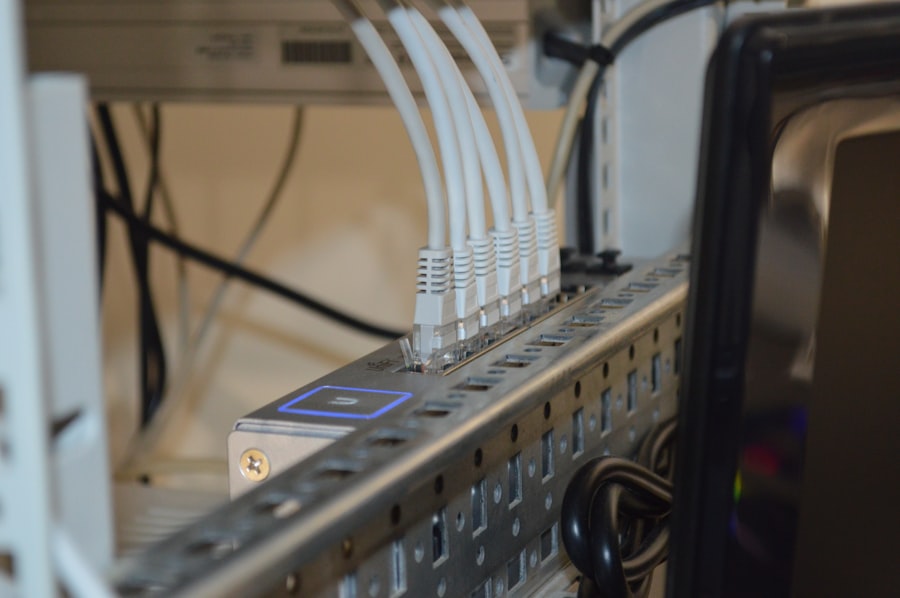
Smart repeaters find applications across a diverse range of industries, each benefiting from their unique capabilities. In telecommunications, for instance, these devices play a crucial role in enhancing network performance by ensuring that signals remain strong over long distances. This is particularly important in urban environments where physical obstructions can weaken signals.
In the energy sector, smart repeaters are used to monitor power transmission lines and substations. By providing real-time data on cable conditions and performance metrics, they help utility companies prevent outages and optimize maintenance schedules. Additionally, industries such as manufacturing and transportation are leveraging smart repeaters to enhance operational efficiency by ensuring seamless communication between equipment and control systems.
The Future of Cable Monitoring with Smart Repeaters
As technology continues to advance at a rapid pace, the future of cable monitoring appears promising with the integration of smart repeaters. The ongoing development of artificial intelligence (AI) and machine learning (ML) algorithms will likely enhance the capabilities of these devices even further. By analyzing historical data alongside real-time inputs, smart repeaters could predict potential failures with greater accuracy, allowing for even more proactive maintenance strategies.
Moreover, as industries increasingly adopt Internet of Things (IoT) technologies, smart repeaters will play a pivotal role in creating interconnected networks that facilitate seamless communication between devices. This interconnectedness will not only improve operational efficiency but also enable new business models centered around data-driven decision-making. The future landscape of cable monitoring will undoubtedly be shaped by these advancements, making smart repeaters an integral component of modern infrastructure.
Key Features to Look for in Smart Repeaters
When considering the implementation of smart repeaters for cable monitoring, several key features should be prioritized to ensure optimal performance and reliability. First and foremost is real-time monitoring capabilities. A smart repeater should provide continuous data on signal strength, temperature variations, and other critical parameters that could impact performance.
Another important feature is connectivity options. Smart repeaters should be able to integrate seamlessly with existing network management systems or cloud platforms for centralized monitoring and control. Additionally, scalability is crucial; as businesses grow or change their operational needs, the ability to easily expand or modify the repeater system will be essential.
Furthermore, user-friendly interfaces that allow operators to easily access data insights and configure settings are vital for maximizing the effectiveness of smart repeaters. Finally, robust security features must be included to protect sensitive data from potential cyber threats.
Case Studies: Success Stories of Smart Repeater Implementation
Numerous organizations have successfully implemented smart repeaters into their cable monitoring systems, showcasing their effectiveness across various sectors. One notable case study involves a major telecommunications provider that faced challenges with signal degradation in urban areas due to high-rise buildings obstructing transmission paths. By deploying smart repeaters strategically throughout the city, they were able to enhance signal strength significantly while also gaining valuable insights into network performance through real-time monitoring.
In another instance, an energy utility company integrated smart repeaters into its power transmission network to monitor cable conditions continuously. This implementation allowed them to identify potential faults before they led to outages, resulting in a 30% reduction in maintenance costs over two years.
Overcoming Challenges in Implementing Smart Repeaters for Cable Monitoring
While the benefits of smart repeaters are clear, organizations may encounter challenges during implementation that need addressing for successful integration. One common hurdle is resistance to change from personnel accustomed to traditional monitoring methods. To overcome this challenge, organizations should invest in training programs that educate staff on the advantages of smart technology and how it can enhance their work processes.
Another challenge lies in ensuring compatibility with existing infrastructure. Organizations must conduct thorough assessments of their current systems before integrating smart repeaters to avoid potential disruptions. Collaborating with experienced vendors who understand both legacy systems and modern technologies can facilitate smoother transitions.
Finally, budget constraints may pose a barrier to implementation for some organizations. However, it is essential to view smart repeaters as long-term investments rather than short-term expenses; the cost savings achieved through improved efficiency and reduced downtime can quickly offset initial expenditures.
The Impact of Smart Repeaters on Cable Monitoring
In conclusion, smart repeaters represent a significant advancement in cable monitoring technology that addresses many limitations associated with traditional systems. Their ability to provide real-time data insights while enhancing signal integrity makes them invaluable across various industries. As organizations continue to embrace digital transformation and seek ways to optimize operations, the adoption of smart repeaters will likely become increasingly prevalent.
The future of cable monitoring is bright with the integration of these innovative devices, promising enhanced reliability, reduced maintenance costs, and improved operational efficiency. By investing in smart repeater technology today, organizations position themselves for success in an ever-evolving landscape where connectivity is paramount. Ultimately, the impact of smart repeaters on cable monitoring will be profound, shaping how industries manage their infrastructure for years to come.
Smart repeaters are revolutionizing cable monitoring technology by enhancing signal strength and reliability in various applications. For a deeper understanding of how these advancements are shaping the future of connectivity, you can read more in this related article on our website: Smart Repeaters and Cable Monitoring Technology. This article delves into the intricacies of smart repeaters and their impact on network performance.
FAQs
What is smart repeaters cable monitoring technology?
Smart repeaters cable monitoring technology refers to advanced systems integrated into cable repeaters that continuously monitor the health and performance of communication cables. These systems use sensors and data analytics to detect faults, signal degradation, and environmental conditions affecting the cable.
How does smart repeaters cable monitoring technology work?
The technology works by embedding sensors within the repeater units along the cable route. These sensors collect real-time data on parameters such as temperature, signal strength, voltage, and physical stress. The data is then analyzed to identify potential issues before they cause service interruptions.
What are the benefits of using smart repeaters cable monitoring technology?
Benefits include early fault detection, reduced downtime, improved maintenance efficiency, enhanced cable lifespan, and better overall network reliability. It allows operators to perform predictive maintenance and quickly respond to cable faults.
Where is smart repeaters cable monitoring technology commonly used?
This technology is commonly used in submarine communication cables, long-haul fiber optic networks, and other critical infrastructure where cable integrity is essential for uninterrupted data transmission.
Can smart repeaters cable monitoring technology detect physical damage to cables?
Yes, the embedded sensors can detect physical stress, temperature anomalies, and signal degradation that may indicate physical damage or environmental impacts on the cable.
Does smart repeaters cable monitoring technology require additional power?
Smart repeaters typically have integrated power sources or draw power from the cable system itself. The monitoring components are designed to operate efficiently without significantly increasing power consumption.
How does smart repeaters cable monitoring technology improve maintenance?
By providing real-time data and early warnings of potential issues, maintenance teams can prioritize repairs, schedule maintenance proactively, and avoid costly emergency interventions.
Is smart repeaters cable monitoring technology compatible with existing cable systems?
Many smart repeater systems are designed to be compatible with existing cable infrastructure, though integration depends on the specific technology and cable type.
What types of data are collected by smart repeaters cable monitoring technology?
Data collected typically includes signal quality metrics, temperature, voltage levels, mechanical stress, and sometimes environmental factors like humidity or pressure.
Are there any limitations to smart repeaters cable monitoring technology?
Limitations may include the initial cost of installation, complexity of integration with older systems, and the need for specialized expertise to interpret monitoring data effectively.