Cable landing stations (CLS) are infrastructure facilities where submarine fiber optic cables connect to terrestrial networks. These stations function as termination points for undersea cables that carry international telecommunications traffic between continents. Cable landing stations house equipment that converts optical signals from submarine cables into formats compatible with domestic telecommunications networks.
The global submarine cable network consists of over 400 active cables spanning approximately 1.3 million kilometers of ocean floor. Cable landing stations are typically located in coastal areas and contain regeneration equipment, optical amplifiers, and network management systems. These facilities enable the transmission of internet traffic, telephone communications, and data services that account for over 99% of intercontinental digital communications.
Modern cable landing stations incorporate redundant power systems, environmental controls, and monitoring equipment to ensure continuous operation. The stations connect to multiple terrestrial networks through fiber optic links, providing diverse routing options for international traffic. Security considerations for cable landing stations include physical access controls, surveillance systems, and cybersecurity measures to protect against unauthorized access and potential service disruptions that could affect regional or global communications networks.
Key Takeaways
- Cable landing stations are critical infrastructure requiring robust security to ensure uninterrupted global communications.
- Physical security, cybersecurity, and strict access control are essential to protect these facilities from threats.
- Continuous monitoring, surveillance, and emergency response plans help mitigate risks and respond to incidents effectively.
- Compliance with regulations and ongoing training programs enhance operational security and staff preparedness.
- Collaboration with law enforcement and adapting to future technological challenges are vital for maintaining secure operations.
Importance of Secure Operations
The significance of secure operations at cable landing stations extends beyond mere functionality; it encompasses national security, economic stability, and the protection of sensitive information. Given that these facilities are often located in strategic geographic locations, any disruption or compromise can lead to significant consequences. For instance, a successful attack on a cable landing station could result in widespread communication outages, affecting everything from emergency services to financial transactions.
Therefore, ensuring the integrity and availability of these facilities is paramount. Moreover, as the world becomes increasingly interconnected, the risks associated with cyber threats have escalated dramatically. Cable landing stations are prime targets for malicious actors seeking to exploit vulnerabilities in the telecommunications infrastructure.
The potential for data breaches, service interruptions, and even espionage underscores the necessity for stringent security protocols. By prioritizing secure operations, cable landing stations not only safeguard their own assets but also contribute to the overall resilience of the global communication network.
Physical Security Measures
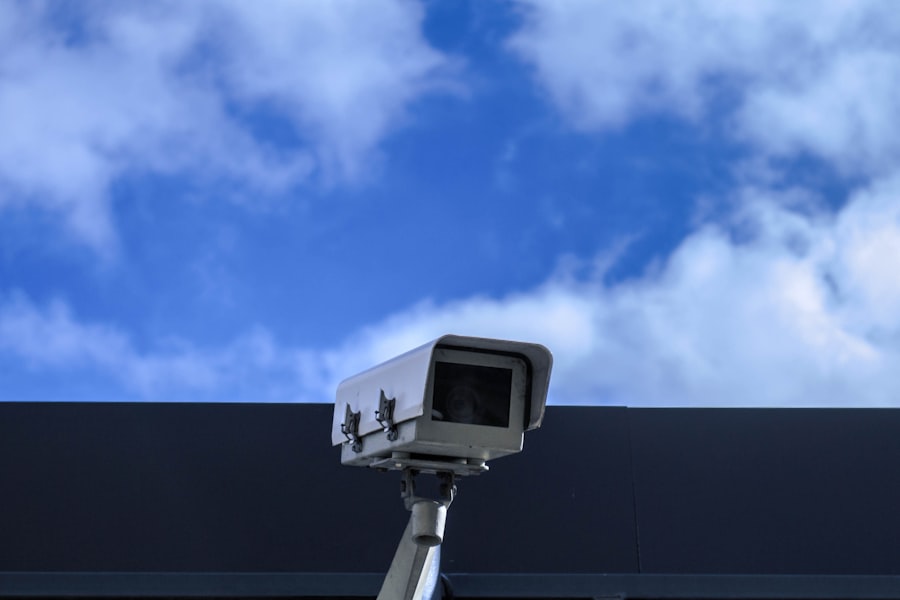
To mitigate risks associated with physical threats, cable landing stations must implement comprehensive physical security measures. These measures typically include perimeter fencing, surveillance cameras, and access control systems designed to deter unauthorized entry. The physical layout of a cable landing station is often fortified with barriers and secure entry points to prevent intrusions.
Additionally, employing security personnel trained in emergency response can further enhance the safety of these facilities. Incorporating advanced technologies such as biometric access controls and motion detection systems can significantly bolster physical security. These technologies provide an additional layer of protection by ensuring that only authorized personnel can access sensitive areas within the station.
Regular security audits and assessments are also crucial in identifying vulnerabilities and ensuring that physical security measures remain effective against evolving threats. By maintaining a proactive approach to physical security, cable landing stations can better protect their infrastructure from potential attacks.
Cybersecurity Protocols
In an era where cyber threats are omnipresent, cable landing stations must adopt robust cybersecurity protocols to safeguard their operations.
Regular software updates and patch management are essential practices that help mitigate vulnerabilities in the system.
By staying ahead of potential threats through proactive cybersecurity measures, cable landing stations can significantly reduce their risk exposure. Furthermore, establishing incident response plans is critical for addressing potential cyber incidents swiftly and effectively. These plans should outline clear procedures for identifying, containing, and recovering from cyberattacks.
Regular drills and simulations can help ensure that staff members are well-prepared to respond to various scenarios. By fostering a culture of cybersecurity awareness among employees, cable landing stations can create a more resilient operational environment that is better equipped to handle cyber threats.
Access Control and Authorization
| Metric | Description | Typical Value / Standard | Importance |
|---|---|---|---|
| Physical Access Control | Measures to restrict unauthorized physical entry to the station | Biometric scanners, security guards, 24/7 surveillance | High |
| Surveillance Coverage | Percentage of the facility monitored by CCTV cameras | 100% | High |
| Intrusion Detection Systems | Systems to detect unauthorized access or tampering | Installed and operational | High |
| Network Security Measures | Protection of data and control networks within the station | Firewalls, encryption, regular audits | High |
| Redundancy and Backup Power | Availability of backup power to maintain security systems | Uninterruptible Power Supply (UPS), generators | Medium |
| Incident Response Time | Time taken to respond to security breaches or alarms | < 5 minutes | High |
| Employee Security Training | Frequency and quality of security awareness training for staff | Quarterly training sessions | Medium |
| Environmental Monitoring | Systems to detect fire, flooding, or other environmental hazards | Smoke detectors, water sensors | Medium |
| Access Log Maintenance | Record keeping of all access events to the facility | Automated logging with audit trails | High |
| Compliance with Standards | Adherence to international security standards (e.g., ISO/IEC 27001) | Certified compliance | High |
Access control and authorization are fundamental components of secure operations at cable landing stations. Implementing strict access control measures ensures that only authorized personnel can enter sensitive areas or access critical systems. This can be achieved through a combination of physical barriers and digital authentication methods.
For instance, using key cards or biometric scanners can help verify the identity of individuals seeking access to restricted zones. Moreover, establishing a clear authorization hierarchy is essential for maintaining operational integrity. This hierarchy should define who has access to specific areas and systems based on their roles and responsibilities within the organization.
Regular reviews of access permissions are necessary to ensure that they remain appropriate as personnel change or as new roles are introduced. By maintaining stringent access control protocols, cable landing stations can minimize the risk of insider threats and unauthorized access to sensitive information.
Monitoring and Surveillance
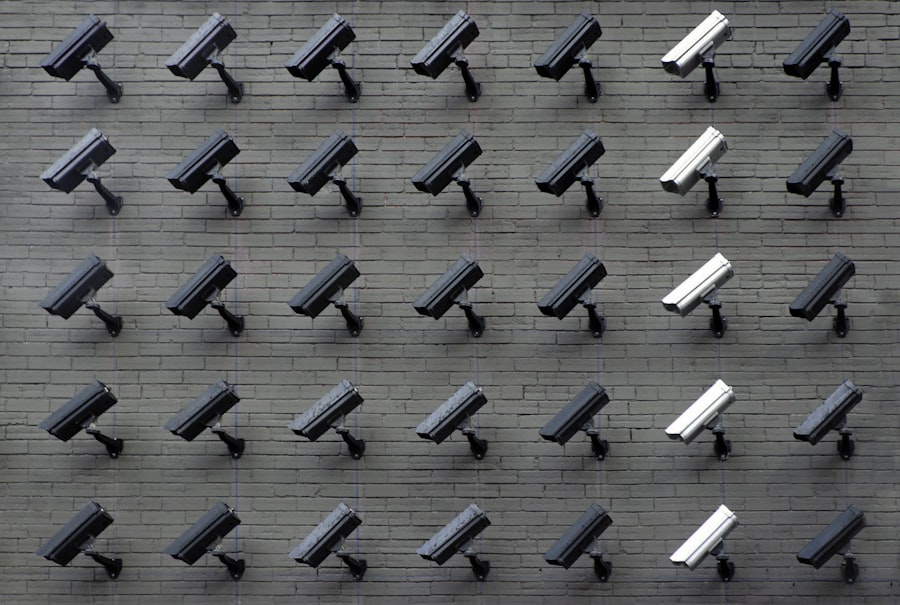
Continuous monitoring and surveillance play a crucial role in enhancing the security posture of cable landing stations. By employing advanced surveillance technologies such as closed-circuit television (CCTV) systems and motion sensors, operators can maintain real-time visibility over their facilities. This not only helps deter potential intruders but also enables rapid response to any suspicious activities or incidents.
In addition to physical surveillance, monitoring network traffic is equally important for identifying potential cyber threats. Intrusion detection systems can analyze data flows for unusual patterns that may indicate a cyberattack in progress. By integrating both physical and digital monitoring systems, cable landing stations can create a comprehensive security framework that addresses both types of threats effectively.
Regular analysis of surveillance data can also provide valuable insights into operational efficiency and help identify areas for improvement.
Emergency Response and Contingency Planning
An effective emergency response plan is vital for cable landing stations to ensure swift action during crises or security breaches. This plan should outline clear procedures for various scenarios, including natural disasters, physical attacks, or cyber incidents. Training staff on these procedures is essential so that everyone knows their roles during an emergency situation.
Contingency planning should also include strategies for maintaining operations during disruptions. This may involve establishing backup systems or alternative communication routes to ensure continuity of service even in adverse conditions. Regular drills and simulations can help test the effectiveness of these plans and identify areas for improvement.
By prioritizing emergency response and contingency planning, cable landing stations can enhance their resilience against unforeseen events.
Compliance with Regulatory Standards
Compliance with regulatory standards is a critical aspect of secure operations at cable landing stations. Various national and international regulations govern the telecommunications industry, requiring operators to adhere to specific security protocols and practices. These regulations are designed to protect both infrastructure and user data from potential threats.
Staying compliant not only helps mitigate legal risks but also enhances the overall security posture of cable landing stations. Regular audits and assessments can help ensure adherence to these standards while identifying areas for improvement. By fostering a culture of compliance within the organization, cable landing stations can demonstrate their commitment to maintaining high security standards while building trust with stakeholders.
Training and Awareness Programs
Training and awareness programs are essential for fostering a security-conscious culture within cable landing stations. Employees at all levels should receive training on security protocols, emergency response procedures, and best practices for safeguarding sensitive information. Regular workshops and seminars can help reinforce these concepts while keeping staff informed about emerging threats.
Moreover, promoting awareness about cybersecurity risks is crucial in today’s digital landscape. Employees should be educated on recognizing phishing attempts, social engineering tactics, and other common cyber threats that could compromise security. By empowering staff with knowledge and skills, cable landing stations can create a more vigilant workforce capable of identifying and responding to potential security incidents effectively.
Collaboration with Law Enforcement and Government Agencies
Collaboration with law enforcement and government agencies is vital for enhancing the security of cable landing stations. Establishing strong relationships with these entities allows operators to stay informed about potential threats while benefiting from shared intelligence and resources. Joint training exercises can also help improve coordination during emergencies or security incidents.
Additionally, engaging with government agencies can facilitate compliance with regulatory requirements while providing access to funding or support for security initiatives. By fostering collaboration between private operators and public entities, cable landing stations can create a more robust security framework that addresses both physical and cyber threats effectively.
Future Challenges and Innovations in Secure Operations
As technology continues to evolve rapidly, cable landing stations will face new challenges in maintaining secure operations. The increasing sophistication of cyber threats necessitates ongoing innovation in security measures to stay ahead of potential attackers. Emerging technologies such as artificial intelligence (AI) and machine learning (ML) offer promising solutions for enhancing threat detection and response capabilities.
Moreover, as the demand for data continues to grow exponentially, cable landing stations must adapt their infrastructure to accommodate increased traffic while ensuring security remains a top priority. This may involve investing in advanced monitoring systems or exploring new approaches to data encryption and access control. By embracing innovation while addressing future challenges, cable landing stations can continue to play a vital role in supporting global connectivity securely.
In conclusion, secure operations at cable landing stations are essential for safeguarding critical telecommunications infrastructure against an array of physical and cyber threats. By implementing comprehensive security measures encompassing physical security, cybersecurity protocols, access control, monitoring systems, emergency response planning, compliance with regulations, training programs, collaboration with law enforcement agencies, and embracing future innovations, operators can enhance their resilience against evolving challenges in an increasingly interconnected world.
In recent discussions surrounding the security of cable landing stations, the importance of robust protective measures has been highlighted. For a deeper understanding of the challenges and strategies involved in securing these critical infrastructures, you can refer to the article available at In the War Room. This resource provides valuable insights into the vulnerabilities faced by cable landing stations and the necessary steps to mitigate potential threats.
FAQs
What is a cable landing station?
A cable landing station is a facility where submarine communication cables come ashore and connect to terrestrial networks. These stations serve as critical points for data transmission between continents and countries.
Why is security important for cable landing stations?
Cable landing stations are vital infrastructure for global communications and internet connectivity. Ensuring their security helps prevent disruptions, data breaches, and potential sabotage that could impact national security and economic stability.
What types of threats do cable landing stations face?
Threats include physical attacks, cyberattacks, natural disasters, and insider threats. Physical threats may involve vandalism or sabotage, while cyber threats target the station’s control systems and data integrity.
How are cable landing stations physically secured?
Physical security measures include perimeter fencing, surveillance cameras, access control systems, security personnel, and intrusion detection systems. These measures help prevent unauthorized access and protect critical equipment.
What cybersecurity measures are implemented at cable landing stations?
Cybersecurity measures include firewalls, encryption, network monitoring, regular software updates, and incident response plans. These help protect the station’s control systems and data from cyber threats.
Are cable landing stations regulated by governments?
Yes, many countries have regulations and standards governing the security of cable landing stations to protect critical infrastructure. These regulations often require compliance with specific security protocols and reporting requirements.
How do cable landing stations ensure resilience against natural disasters?
Stations are often designed with redundancy, backup power supplies, and robust construction to withstand natural disasters such as earthquakes, floods, and storms. Emergency response plans are also in place to restore operations quickly.
Can cable landing stations be remotely monitored?
Yes, many cable landing stations use remote monitoring systems to oversee physical security and network performance. This allows for rapid detection and response to potential security incidents.
Who is responsible for the security of cable landing stations?
Security responsibility typically lies with the cable operators, facility owners, and sometimes government agencies. Collaboration among these stakeholders is essential to maintain comprehensive security.
What role do international organizations play in cable landing station security?
International organizations provide guidelines, best practices, and facilitate cooperation among countries to enhance the security and resilience of submarine cable infrastructure globally.