
Cable cut incidents represent a critical threat to modern infrastructure security as global dependence on digital connectivity continues to expand. These events involve the intentional or accidental severing of telecommunications cables, resulting in service disruptions that can affect internet connectivity, telephone networks, and emergency communication systems. The perpetrators’ motivations range from random vandalism and targeted sabotage to organized criminal enterprises seeking to disrupt operations or steal valuable materials.
Given society’s increasing reliance on uninterrupted digital communications, cable cuts create risks that extend beyond service interruptions to encompass public safety hazards and potential national security vulnerabilities. Statistical data indicates a measurable increase in reported cable cut incidents over recent years, drawing attention from telecommunications providers, law enforcement organizations, and security agencies. This upward trend has highlighted the critical importance of attribution forensics—specialized investigative techniques designed to identify those responsible for infrastructure attacks.
Through systematic analysis of cable cut incidents and the forensic methodologies used to trace their origins, industry stakeholders and security professionals can develop more effective prevention strategies and response protocols to address these emerging threats.
Key Takeaways
- Attribution forensics is crucial for identifying perpetrators behind cable cut incidents.
- Various methods and tools are employed to analyze and trace cable damage origins.
- Collaboration and information sharing enhance the effectiveness of forensic investigations.
- Legal and ethical considerations must guide the attribution process to ensure proper handling.
- Ongoing advancements promise improved accuracy and efficiency in future attribution forensics.
Understanding Attribution Forensics
Attribution forensics is a specialized field that focuses on identifying the source of malicious activities, particularly in cyber and physical domains. In the context of cable cut incidents, attribution forensics involves a meticulous examination of evidence to determine who is responsible for the disruption. This process is not merely about assigning blame; it encompasses a comprehensive analysis of motives, methods, and potential connections to broader criminal networks.
The importance of attribution forensics cannot be overstated. In an era where information is power, understanding who is behind a cable cut incident can inform preventive measures and enhance security protocols.
Moreover, effective attribution can aid in legal proceedings, allowing law enforcement agencies to build robust cases against offenders. As such, the field of attribution forensics has evolved to incorporate advanced technologies and methodologies that enhance the accuracy and efficiency of investigations.
Analyzing Cable Cut Incidents
Analyzing cable cut incidents requires a multifaceted approach that considers various factors contributing to the event. Investigators typically begin by gathering physical evidence from the scene, which may include fragments of the severed cable, tools left behind, or surveillance footage from nearby cameras. Each piece of evidence can provide critical insights into the methods employed by the perpetrator and their potential identity.
For instance, the type of tool used to cut the cable may indicate whether the act was carried out by an amateur or a seasoned professional. In addition to physical evidence, investigators must also consider contextual factors such as the location of the incident and any recent activities in the area. For example, if a cable cut occurs near a protest or demonstration, it may suggest a politically motivated act.
Conversely, if it happens in a remote area with no apparent motive, it could point to vandalism or opportunistic crime. By analyzing these elements in conjunction with one another, forensic experts can develop a clearer picture of the incident and its underlying causes.
Importance of Attribution Forensics in Cable Cut Incidents
The significance of attribution forensics in cable cut incidents extends beyond immediate response efforts; it plays a crucial role in shaping long-term strategies for infrastructure protection. By accurately identifying perpetrators, stakeholders can implement targeted measures to prevent future incidents. For instance, if a particular group is found to be responsible for multiple cable cuts, law enforcement agencies can allocate resources to monitor their activities more closely.
This proactive approach not only deters potential offenders but also fosters a sense of security within communities that rely on uninterrupted communication services. Furthermore, effective attribution forensics can enhance collaboration among various stakeholders involved in infrastructure security. When law enforcement agencies share information about identified perpetrators with service providers and local governments, it creates a more comprehensive understanding of threats facing communication networks.
This collaborative effort can lead to improved security protocols and infrastructure resilience, ultimately benefiting society as a whole.
Methods and Tools Used in Attribution Forensics
| Metric | Description | Typical Value / Range | Measurement Method | Relevance to Cable Cut Attribution Forensics |
|---|---|---|---|---|
| Time of Incident | Exact timestamp when the cable cut occurred | YYYY-MM-DD HH:MM:SS (UTC) | Network monitoring logs, CCTV footage | Helps correlate events and identify suspects |
| Location Coordinates | Geographical position of the cable cut | Latitude/Longitude (e.g., 37.7749° N, 122.4194° W) | GPS data, site inspection | Pinpoints exact site for forensic analysis |
| Type of Cable | Specification of the damaged cable | Fiber optic, Coaxial, Copper | Physical inspection, network documentation | Determines impact and forensic approach |
| Cut Pattern Analysis | Characteristics of the cable damage | Clean cut, jagged, multiple cuts | Microscopic examination, forensic tools | Indicates tools used and possible intent |
| Tool Mark Evidence | Impressions left by cutting tools | Distinctive marks matching specific tools | Forensic microscopy, comparison with tool database | Links suspect tools to the crime scene |
| Fiber Residue Analysis | Presence of foreign fibers or materials | Type and origin of fibers found | Laboratory chemical and microscopic analysis | May connect suspect to the scene |
| Network Traffic Disruption | Impact on data flow due to cable cut | Duration and extent of outage | Network monitoring systems | Assesses damage severity and timing |
| Witness Statements | Eyewitness accounts related to the incident | Number and reliability of witnesses | Interviews, recorded testimonies | Supports timeline and suspect identification |
| Surveillance Footage | Video evidence capturing the event | Duration and quality of footage | CCTV, drone footage | Visual confirmation of suspects and actions |
| Environmental Conditions | Weather and lighting at time of cut | Temperature, visibility, precipitation | Meteorological data, site reports | Influences forensic evidence preservation |
Attribution forensics employs a diverse array of methods and tools designed to facilitate thorough investigations into cable cut incidents. One common technique involves digital forensics, which focuses on recovering and analyzing data from electronic devices that may be linked to the crime. This could include examining mobile phones or computers belonging to suspects or analyzing data from surveillance systems installed near the incident site.
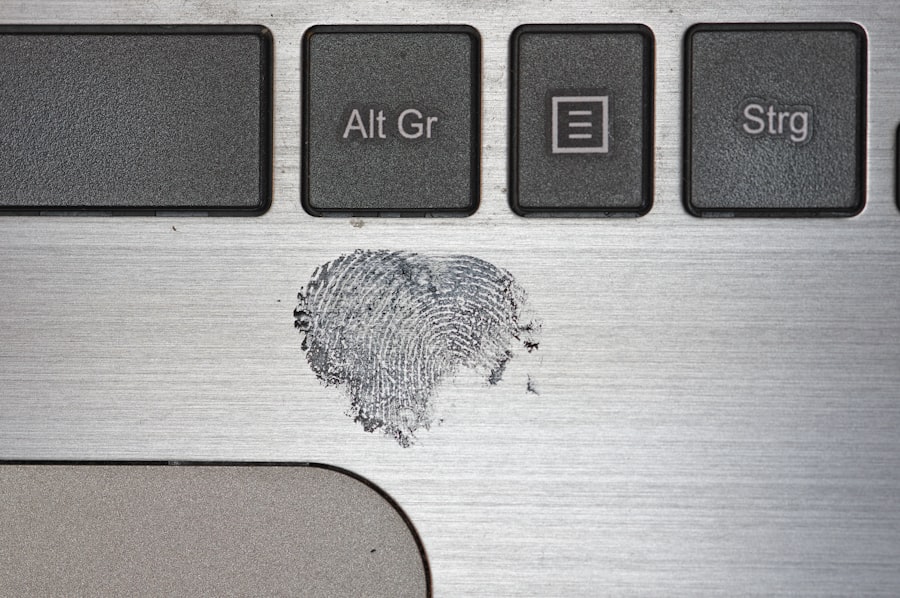
Digital footprints can provide valuable insights into the activities leading up to the incident and help establish connections between individuals involved. In addition to digital forensics, physical evidence analysis plays a pivotal role in attribution efforts. Investigators may utilize advanced techniques such as DNA analysis or fingerprinting to identify individuals who may have been present at the scene.
Moreover, geographic information systems (GIS) can be employed to map out patterns of cable cut incidents over time, revealing hotspots that may require increased surveillance or preventive measures. By integrating these various methods and tools, forensic experts can create a comprehensive profile of the incident and its perpetrators.
Challenges in Conducting Attribution Forensics for Cable Cut Incidents
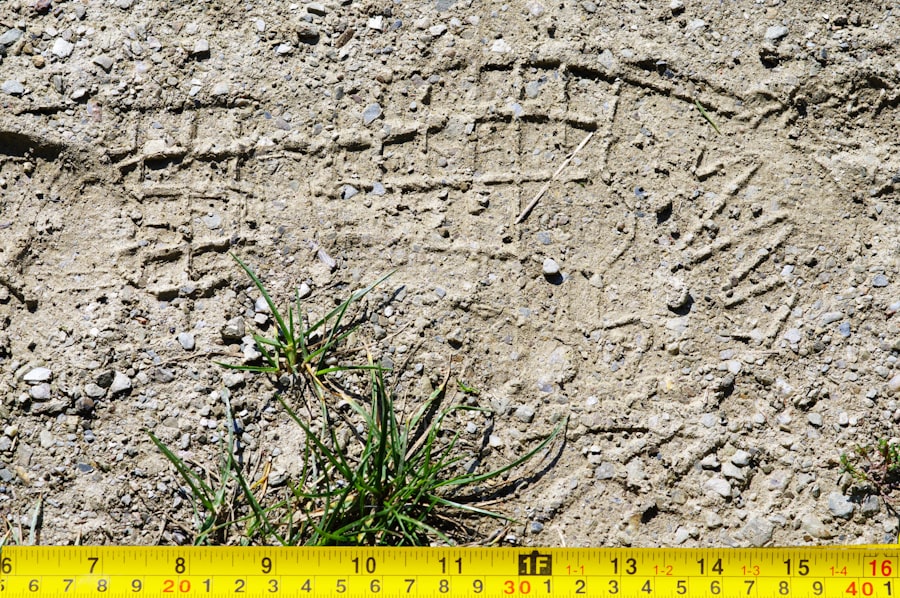
Conducting attribution forensics for cable cut incidents is fraught with challenges that can complicate investigations. One significant hurdle is the often limited availability of physical evidence at the scene. In many cases, perpetrators may take precautions to avoid leaving behind identifiable traces, making it difficult for investigators to establish clear links between suspects and the crime.
Additionally, environmental factors such as weather conditions or time constraints may hinder evidence collection efforts. Another challenge lies in the evolving nature of criminal tactics. As technology advances, so too do the methods employed by those seeking to disrupt communication networks.
Perpetrators may utilize sophisticated tools or techniques that make it difficult for forensic experts to trace their actions back to them. This constant evolution necessitates ongoing training and adaptation within the field of attribution forensics, as investigators must stay abreast of emerging trends and technologies that could impact their work.
Case Studies of Successful Attribution Forensics in Cable Cut Incidents
Examining case studies of successful attribution forensics in cable cut incidents provides valuable insights into effective investigative practices. One notable example involved a series of cable cuts that disrupted internet services across multiple states. Through meticulous analysis of surveillance footage and physical evidence collected from each site, investigators were able to identify a group responsible for orchestrating these attacks as part of a larger campaign against telecommunications companies.
The successful attribution not only led to arrests but also prompted enhanced security measures across vulnerable infrastructure. Another case study highlights how community engagement played a pivotal role in attribution efforts. In this instance, local residents reported suspicious activity near critical communication infrastructure prior to a series of cable cuts.
Law enforcement agencies collaborated with community members to gather information that ultimately led to identifying individuals involved in the incidents. This case underscores the importance of fostering strong relationships between law enforcement and communities in enhancing attribution forensics.
Collaboration and Information Sharing in Attribution Forensics
Collaboration and information sharing are essential components of effective attribution forensics in cable cut incidents. When various stakeholders—including law enforcement agencies, service providers, and local governments—work together, they can pool resources and expertise to enhance investigative efforts. This collaborative approach allows for a more comprehensive understanding of threats facing communication networks and facilitates timely responses to incidents as they occur.
Moreover, information sharing can help identify patterns or trends that may not be immediately apparent when examining individual cases in isolation. By analyzing data from multiple incidents across different regions, forensic experts can develop insights into common tactics employed by perpetrators or identify emerging threats that require attention. This collective intelligence not only strengthens attribution efforts but also fosters a culture of vigilance within communities reliant on stable communication infrastructure.
Legal and Ethical Considerations in Attribution Forensics for Cable Cut Incidents
The field of attribution forensics is not without its legal and ethical considerations, particularly when it comes to cable cut incidents. Investigators must navigate complex legal frameworks governing evidence collection and privacy rights while ensuring that their methods adhere to ethical standards. For instance, obtaining surveillance footage from private property may require consent from property owners or adherence to specific legal protocols.
Additionally, ethical considerations arise when attributing blame to individuals or groups based on circumstantial evidence alone. The potential consequences of misattribution can be severe, leading to wrongful accusations or unjust legal repercussions. As such, forensic experts must exercise caution and rigor in their investigations, ensuring that conclusions drawn are supported by robust evidence and sound reasoning.
Future of Attribution Forensics in Cable Cut Incidents
The future of attribution forensics in cable cut incidents is poised for significant advancements as technology continues to evolve. Emerging tools such as artificial intelligence (AI) and machine learning are expected to play an increasingly prominent role in enhancing investigative capabilities. These technologies can analyze vast amounts of data quickly and efficiently, identifying patterns or anomalies that may elude human investigators.
Moreover, as awareness grows regarding the importance of infrastructure security, there is likely to be increased investment in training programs focused on attribution forensics. This investment will equip law enforcement agencies and forensic experts with the skills necessary to adapt to evolving threats effectively. As society becomes more interconnected through digital communication networks, advancing attribution forensics will be crucial in safeguarding these vital infrastructures against disruption.
Advancing Attribution Forensics for Cable Cut Incidents
In conclusion, advancing attribution forensics for cable cut incidents is essential in addressing the growing challenges posed by disruptions to communication networks. By understanding the complexities surrounding these incidents and employing effective investigative methodologies, stakeholders can enhance their ability to identify perpetrators and prevent future occurrences. The importance of collaboration among various entities cannot be overstated; sharing information and resources will strengthen overall security efforts.
As technology continues to evolve, so too must the approaches taken within attribution forensics. Embracing innovative tools and fostering community engagement will be key components in building resilience against cable cut incidents. Ultimately, by prioritizing advancements in attribution forensics, society can work towards ensuring uninterrupted communication services that are vital for public safety and national security.
Cable cut attribution forensics is a critical area of study in understanding the implications of infrastructure sabotage. For a deeper dive into the methodologies and case studies surrounding this topic, you can refer to a related article that discusses various forensic techniques used in cable cut investigations. For more information, visit com/sample-page/’>this article.
FAQs
What is cable cut attribution forensics?
Cable cut attribution forensics is the process of investigating and determining the responsible party or cause behind the intentional or accidental cutting of communication cables, such as fiber optic or copper cables. This forensic analysis helps identify whether the damage was due to sabotage, negligence, or environmental factors.
Why is cable cut attribution important?
Attributing cable cuts is crucial for maintaining the integrity and reliability of communication networks. It helps service providers, law enforcement, and other stakeholders understand the cause of disruptions, assign liability, prevent future incidents, and ensure timely restoration of services.
What types of cables are typically analyzed in cable cut forensics?
The most commonly analyzed cables include fiber optic cables, copper cables, coaxial cables, and power cables used in telecommunications and data transmission networks. Each type may require different forensic techniques based on its material and construction.
What methods are used in cable cut attribution forensics?
Forensic methods include physical examination of the cable break, analysis of tool marks, collection of trace evidence (such as fibers or residues), reviewing surveillance footage, interviewing witnesses, and using network monitoring data to pinpoint the time and location of the cut.
Can cable cut forensics determine if the damage was intentional or accidental?
Yes, forensic experts analyze the nature of the damage, tool marks, and surrounding evidence to distinguish between intentional sabotage and accidental damage caused by construction work, environmental factors, or equipment failure.
Who typically conducts cable cut attribution investigations?
Investigations are usually conducted by specialized forensic teams within telecommunications companies, independent forensic experts, or law enforcement agencies, depending on the severity and legal implications of the incident.
How long does a cable cut forensic investigation usually take?
The duration varies depending on the complexity of the case, availability of evidence, and cooperation from involved parties. It can range from a few days to several weeks.
What challenges are commonly faced in cable cut attribution forensics?
Challenges include limited physical evidence, environmental degradation of the site, lack of surveillance footage, difficulty in accessing the damaged area, and distinguishing between multiple potential causes of damage.
Can cable cut forensics help in legal proceedings?
Yes, forensic findings can provide critical evidence in legal cases involving vandalism, terrorism, or negligence, helping to establish responsibility and support prosecution or claims for damages.
How can cable cut incidents be prevented?
Prevention strategies include proper marking of cable routes, public awareness campaigns, use of protective conduits, regular monitoring and maintenance, and employing advanced detection technologies to quickly identify and respond to cable disturbances.