Cable sabotage represents a growing threat to critical infrastructure systems, particularly affecting telecommunications networks and electrical power distribution. This deliberate destruction or interference with cable infrastructure can cause extensive service interruptions and result in substantial economic damages. The perpetrators’ motivations vary widely, encompassing political objectives, economic gain, terrorism, and personal grievances, creating a multifaceted security challenge for infrastructure operators and government agencies.
The increasing dependence on digital communications and electrical grid systems amplifies the potential impact of cable sabotage incidents. Disruptions can cascade through interconnected networks, affecting essential services including emergency communications, financial systems, healthcare facilities, and transportation networks. These vulnerabilities pose risks to both economic operations and public safety infrastructure.
Cable sabotage incidents generate both immediate and long-term consequences for affected organizations and communities. Direct impacts include service outages, emergency response costs, and immediate revenue losses. Extended effects encompass expensive infrastructure reconstruction, regulatory investigations, litigation expenses, and diminished public confidence in service reliability.
Recovery periods can extend from days to months, depending on the extent of damage and the complexity of affected systems. Effective protection strategies must address multiple threat vectors, including both deliberate attacks and environmental hazards that can compromise cable integrity. Weather-related protection systems play a critical role in maintaining cable infrastructure resilience.
Environmental factors such as moisture infiltration, temperature fluctuations, UV radiation exposure, and physical stress from weather events can weaken cable systems, making them more susceptible to both accidental damage and intentional sabotage.
Key Takeaways
- Weather conditions significantly affect the integrity and performance of cable systems, making protection essential.
- Weather covers provide a crucial barrier against environmental damage, reducing the risk of cable sabotage and failure.
- Various types of weather covers exist, each suited to different cable environments and protection needs.
- Proper installation and regular maintenance of weather covers are vital to ensure long-term cable protection.
- Emerging technologies and stricter regulations are driving advancements in weather cover solutions for enhanced cable security.
Understanding the Impact of Weather on Cable Systems
Weather plays a pivotal role in the performance and longevity of cable systems. Extreme conditions such as heavy rain, snow, ice, and high winds can significantly affect the physical integrity of cables, leading to malfunctions or failures. For instance, water infiltration can cause corrosion in metal components, while ice accumulation can add excessive weight, resulting in cable sagging or breakage.
Additionally, temperature fluctuations can lead to thermal expansion and contraction, which may compromise the structural integrity of cables over time. Understanding these weather-related challenges is essential for stakeholders involved in the design, installation, and maintenance of cable systems. Moreover, the impact of weather on cable systems is not merely a matter of physical damage; it also encompasses operational efficiency.
For example, during severe storms, power outages can occur due to downed cables or damaged infrastructure, disrupting services for consumers and businesses alike. Telecommunications networks are particularly vulnerable, as they rely on a delicate balance of physical components that can be easily affected by adverse weather conditions. As such, it becomes imperative for industry professionals to consider weather-related risks when planning and implementing cable systems.
Importance of Weather Cover for Cable Protection
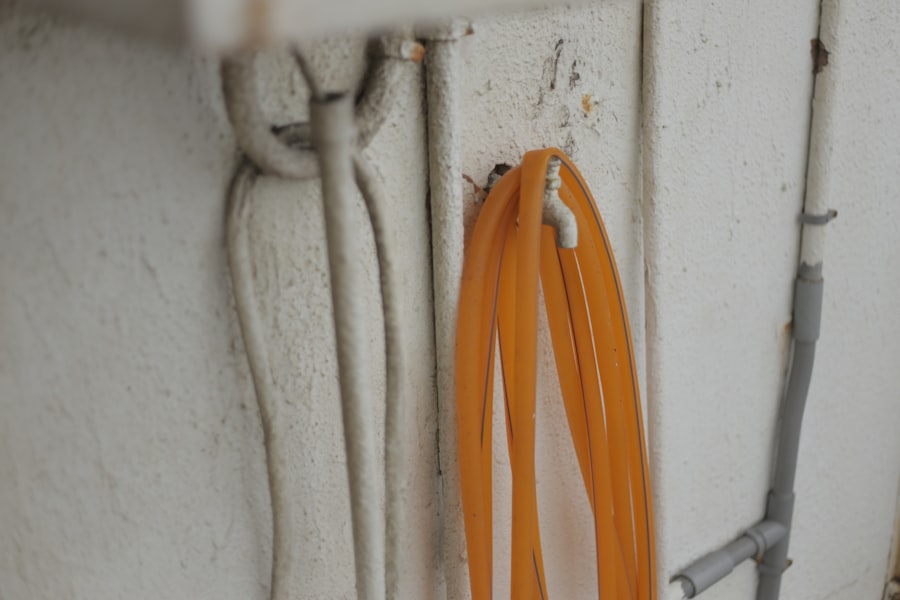
Given the significant impact that weather can have on cable systems, the importance of weather covers cannot be overstated. These protective coverings serve as a first line of defense against environmental elements that threaten the integrity of cables. By shielding cables from rain, snow, ice, and UV radiation, weather covers help to prolong the lifespan of these critical infrastructures while minimizing the risk of service interruptions.
The use of weather covers is particularly vital in regions prone to extreme weather conditions, where the likelihood of cable damage is heightened. In addition to physical protection, weather covers also contribute to operational reliability. By preventing moisture ingress and reducing the risk of corrosion, these covers help maintain optimal performance levels for cable systems.
This is especially important in industries where uninterrupted service is crucial, such as telecommunications and energy distribution. Furthermore, investing in weather covers can lead to cost savings over time by reducing maintenance needs and extending the life cycle of cable systems.
Types of Weather Covers for Cable Protection
There are several types of weather covers available for cable protection, each designed to address specific environmental challenges. One common type is the heat-shrinkable cover, which provides a tight seal around cables to protect against moisture and contaminants. These covers are often made from materials that can withstand high temperatures and are ideal for applications where heat resistance is essential.
Another popular option is the flexible PVC cover, which offers excellent resistance to UV radiation and harsh weather conditions. These covers are lightweight and easy to install, making them suitable for a wide range of applications. Additionally, there are specialized covers designed for extreme environments, such as those used in offshore installations or areas prone to heavy snowfall.
These covers often incorporate advanced materials that enhance durability and performance under challenging conditions.
Advantages of Using Weather Covers for Cable Protection
| Metric | Description | Typical Values | Impact on Cable Sabotage |
|---|---|---|---|
| Weather Cover Thickness | Thickness of protective weather cover on cables (mm) | 2 – 10 mm | Thicker covers provide better protection against physical sabotage and environmental damage |
| Material Type | Type of material used for weather cover | Polyethylene, PVC, Polyurethane | Durability and resistance to cutting or abrasion varies by material |
| UV Resistance | Resistance to ultraviolet light degradation (hours of exposure) | 500 – 2000 hours | Higher UV resistance prolongs cover life and reduces vulnerability |
| Temperature Range | Operational temperature range of weather cover (°C) | -40 to +85 °C | Ensures cover integrity in extreme weather conditions |
| Sabotage Incidents | Number of reported cable sabotage cases per year | Varies by region (0-50+) | Higher incidents indicate need for improved weather cover and security |
| Resistance to Cutting Tools | Ability to withstand cutting attempts (measured by force in Newtons) | 50 – 200 N | Higher resistance reduces successful sabotage attempts |
| Waterproof Rating | Ingress Protection (IP) rating of cable cover | IP65 – IP68 | Prevents water damage that could facilitate sabotage or failure |
The advantages of using weather covers for cable protection are manifold. Firstly, they provide a robust barrier against environmental elements that can cause damage to cables. By preventing moisture ingress and protecting against UV radiation, weather covers help maintain the integrity of cables over time.
This not only extends the lifespan of the infrastructure but also reduces the frequency and cost of repairs. Secondly, weather covers enhance operational reliability by minimizing the risk of service interruptions caused by environmental factors. In industries where consistent performance is critical, such as telecommunications and energy distribution, having reliable cable systems is paramount.
By investing in weather covers, companies can ensure that their services remain uninterrupted even during adverse weather conditions.
Factors to Consider When Choosing a Weather Cover
When selecting a weather cover for cable protection, several factors must be taken into account to ensure optimal performance. One crucial consideration is the material composition of the cover. Different materials offer varying levels of resistance to environmental factors such as moisture, UV radiation, and temperature fluctuations.
It is essential to choose a material that aligns with the specific environmental conditions in which the cables will be installed. Another important factor is the size and fit of the cover. A properly fitted cover will provide better protection than one that is too loose or too tight.
It is vital to measure cables accurately and select covers that accommodate their dimensions while allowing for any necessary expansion or contraction due to temperature changes.
Installation and Maintenance of Weather Covers
The installation process for weather covers is critical to their effectiveness in protecting cables from environmental threats. Proper installation ensures that covers fit securely around cables without gaps or loose areas that could allow moisture or debris to enter. Many manufacturers provide detailed installation guidelines that should be followed closely to achieve optimal results.
In some cases, specialized tools may be required to ensure a tight seal around the cables. Maintenance is another key aspect of ensuring the longevity and effectiveness of weather covers. Regular inspections should be conducted to check for signs of wear or damage that could compromise their protective capabilities.
If any issues are identified—such as tears or degradation—prompt repairs or replacements should be made to maintain optimal protection levels. By prioritizing both installation and maintenance practices, stakeholders can maximize the benefits offered by weather covers.
Case Studies of Cable Sabotage and the Role of Weather Covers
Examining case studies of cable sabotage provides valuable insights into how weather covers can mitigate risks associated with environmental factors. In one notable incident involving a telecommunications company, a series of service outages were traced back to damaged cables caused by heavy rainfall and flooding. The lack of adequate weather protection allowed water to infiltrate the cables, leading to significant disruptions in service delivery.
In contrast, another case study highlighted a utility company that had invested in high-quality weather covers for its power distribution cables. During a severe winter storm characterized by heavy snowfall and ice accumulation, this company experienced minimal disruptions compared to its competitors who had not implemented similar protective measures. The effective use of weather covers not only safeguarded their infrastructure but also reinforced customer trust in their reliability during challenging conditions.
Regulations and Standards for Cable Protection
Regulatory frameworks play a crucial role in establishing standards for cable protection against environmental threats. Various organizations set guidelines that dictate how cables should be installed and maintained to ensure safety and reliability. These regulations often encompass aspects such as material specifications for weather covers, installation practices, and maintenance protocols.
Compliance with these regulations is essential for companies operating within regulated industries such as telecommunications and energy distribution. Adhering to established standards not only helps protect infrastructure but also mitigates legal liabilities associated with service disruptions caused by inadequate protection measures. As technology evolves and new challenges emerge, ongoing updates to regulations will be necessary to address emerging threats effectively.
Future Developments in Weather Cover Technology for Cable Protection
The future of weather cover technology holds promise for enhanced protection against environmental threats facing cable systems. Innovations in materials science are paving the way for more durable and resilient covers that can withstand extreme conditions while remaining lightweight and easy to install. For instance, advancements in nanotechnology may lead to coatings that provide superior water resistance without compromising flexibility.
Additionally, smart technology integration could revolutionize how weather covers function by incorporating sensors that monitor environmental conditions in real-time. These sensors could provide alerts when conditions become hazardous or when maintenance is required, allowing for proactive measures to be taken before damage occurs. As research continues into developing more effective solutions for cable protection, stakeholders must remain vigilant in adopting new technologies that enhance resilience against both environmental factors and sabotage.
Conclusion and Recommendations for Cable Protection
In conclusion, cable sabotage poses significant risks to critical infrastructure across various sectors, necessitating comprehensive strategies for protection against both intentional threats and environmental challenges. Weather plays a crucial role in determining the integrity and performance of cable systems; therefore, investing in high-quality weather covers is essential for safeguarding these infrastructures from adverse conditions. Stakeholders should prioritize selecting appropriate materials based on specific environmental factors while ensuring proper installation and maintenance practices are followed diligently.
Furthermore, staying informed about regulatory standards will help organizations remain compliant while enhancing their protective measures against potential risks. As technology continues to evolve, embracing innovative solutions will be key in fortifying cable systems against future challenges posed by both sabotage and environmental factors alike. By taking proactive steps today, companies can ensure their infrastructures remain resilient and reliable well into the future.
In recent discussions about the impact of weather on infrastructure, the issue of cable sabotage has gained attention. A related article that delves into the complexities of this topic can be found at this link. It explores how adverse weather conditions can exacerbate vulnerabilities in cable systems, leading to increased risks of sabotage and disruption.
FAQs
What is a cable sabotage weather cover?
A cable sabotage weather cover is a protective enclosure designed to shield cables from environmental elements such as rain, wind, and dust, while also preventing unauthorized tampering or sabotage.
Why is a weather cover important for cables?
Weather covers protect cables from damage caused by exposure to harsh weather conditions, which can lead to deterioration, short circuits, or failure. They also help maintain the integrity and reliability of cable systems.
How does a cable sabotage weather cover prevent tampering?
These covers are typically made from durable materials and may include locking mechanisms or tamper-evident features that deter unauthorized access and make it easier to detect any attempts at sabotage.
What types of cables benefit from sabotage weather covers?
Various cables, including electrical, telecommunications, fiber optic, and data cables, can benefit from sabotage weather covers, especially those installed outdoors or in vulnerable locations.
Are cable sabotage weather covers customizable?
Yes, many manufacturers offer customizable options to fit different cable sizes, environmental conditions, and security requirements.
Can cable sabotage weather covers withstand extreme weather conditions?
High-quality weather covers are designed to withstand a range of extreme weather conditions, including heavy rain, snow, UV exposure, and temperature fluctuations.
How are cable sabotage weather covers installed?
Installation methods vary depending on the design but generally involve securely enclosing the cable within the cover and fastening it to a fixed structure to prevent removal or tampering.
Do cable sabotage weather covers require maintenance?
Periodic inspection and maintenance are recommended to ensure the cover remains intact, secure, and effective against weather and sabotage threats.
Where are cable sabotage weather covers commonly used?
They are commonly used in outdoor installations such as utility poles, communication towers, industrial sites, and public infrastructure where cables are exposed and vulnerable.
Can cable sabotage weather covers improve cable lifespan?
Yes, by protecting cables from environmental damage and tampering, these covers can significantly extend the operational lifespan of cable installations.