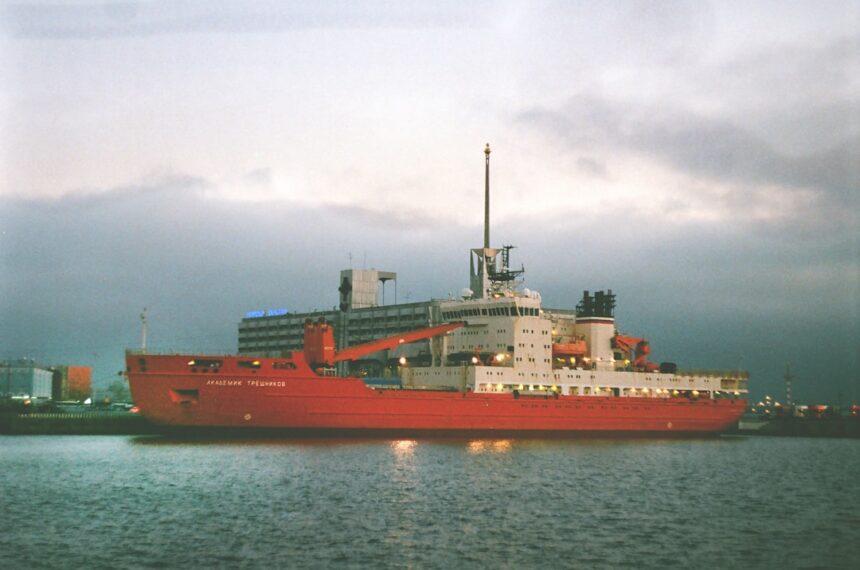
Shadow fleets consist of vessels that operate without proper regulatory oversight, documentation, or transparency in their activities. These ships often engage in sanctions evasion, illegal fishing, smuggling, or other illicit maritime activities while avoiding detection by maritime authorities. The proliferation of shadow fleets poses significant challenges to maritime security, environmental protection, and international trade compliance.
Shadow fleet vessel tracking employs multiple technological systems to monitor and identify vessels operating outside regulatory frameworks. Primary tracking methods include satellite-based automatic identification systems (AIS), synthetic aperture radar (SAR) imagery, optical satellite surveillance, and radio frequency monitoring. These technologies enable authorities to detect vessels that have disabled their transponders, falsified their identities, or operate in restricted waters.
AIS transponders, mandatory on commercial vessels over 300 gross tons, broadcast vessel identification, position, course, and speed data. However, shadow fleet operators frequently manipulate or disable these systems to avoid detection. Advanced tracking solutions combine AIS data with satellite imagery and machine learning algorithms to identify suspicious vessel behavior patterns, including AIS manipulation, ship-to-ship transfers in international waters, and visits to sanctioned ports.
International maritime organizations, naval forces, and commercial monitoring services utilize these tracking capabilities to enforce sanctions, combat illegal fishing, prevent smuggling operations, and maintain maritime domain awareness. The integration of multiple data sources and analytical tools has significantly improved the detection and monitoring of previously untracked vessel movements across global shipping routes.
Key Takeaways
- Shadow Fleet Vessel Tracking enhances maritime security by monitoring vessels covertly to ensure accountability.
- The technology improves operational efficiency and helps comply with international maritime regulations.
- It addresses security threats by providing real-time data and early warning capabilities.
- Successful case studies demonstrate its effectiveness in reducing illegal activities and improving fleet management.
- Despite challenges, ongoing innovations promise to advance the accuracy and scope of vessel tracking systems.
Importance of Security and Accountability in Vessel Tracking
The significance of security and accountability in vessel tracking cannot be overstated. In an era where maritime trade is integral to the global economy, ensuring that vessels adhere to international regulations is vital for maintaining safety and security at sea. Shadow fleets often operate in the shadows, evading regulatory scrutiny and potentially engaging in illegal activities such as smuggling, human trafficking, or environmental violations.
By implementing robust vessel tracking systems, authorities can enhance their ability to monitor these activities and take appropriate action when necessary. Moreover, accountability in vessel tracking extends beyond regulatory compliance; it also encompasses the ethical responsibility of shipping companies to operate transparently. Stakeholders, including governments, shipping companies, and consumers, are increasingly demanding greater transparency in maritime operations.
By adopting shadow fleet vessel tracking technologies, companies can demonstrate their commitment to ethical practices and responsible shipping.
How Shadow Fleet Vessel Tracking Works
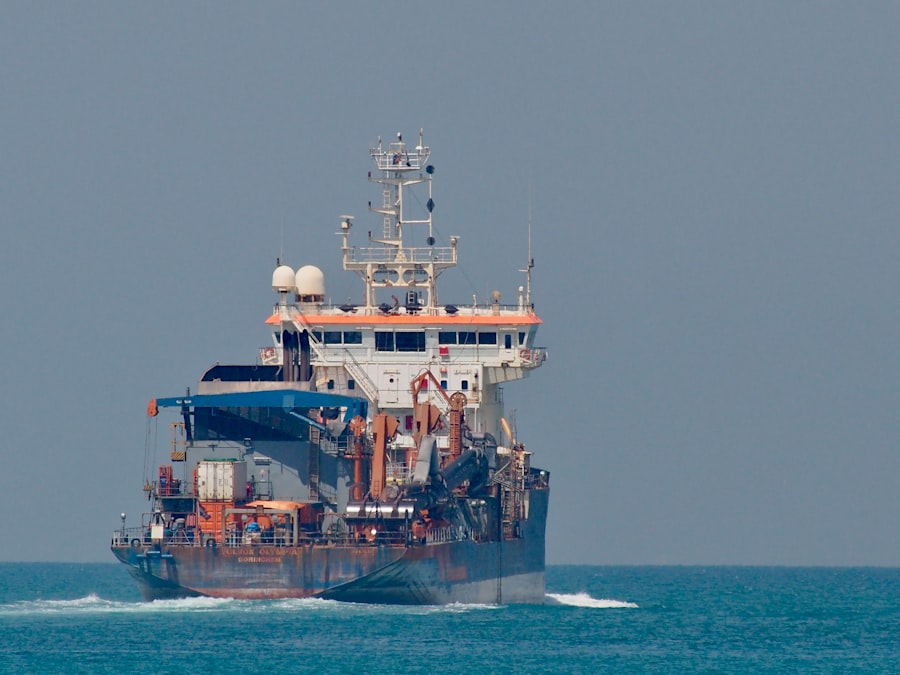
Shadow fleet vessel tracking operates through a combination of advanced technologies that work in tandem to provide real-time data on vessel movements. At its core, the system relies on satellite-based tracking methods that capture the location and trajectory of vessels across vast distances. Automatic Identification Systems (AIS) play a pivotal role in this process by transmitting information about a vessel’s identity, position, course, and speed.
However, shadow fleets often disable their AIS transponders to avoid detection, necessitating alternative tracking methods. To counteract this challenge, shadow fleet vessel tracking employs satellite imagery and radar technology to monitor vessels that may be operating without AIS signals. High-resolution satellite images can reveal the presence of ships in remote areas, while radar systems can detect vessels even when they are not broadcasting their location.
Additionally, machine learning algorithms analyze historical data to identify patterns and anomalies in vessel behavior, allowing authorities to flag suspicious activities for further investigation. This multi-faceted approach ensures that even the most elusive vessels can be tracked effectively.
Benefits of Implementing Shadow Fleet Vessel Tracking
The implementation of shadow fleet vessel tracking offers numerous benefits that extend beyond mere compliance with regulations. One of the most significant advantages is enhanced situational awareness for maritime authorities. By having access to real-time data on vessel movements, authorities can respond more swiftly to potential threats or incidents at sea.
This proactive approach not only improves safety but also helps prevent illegal activities before they escalate into more serious issues. Furthermore, shadow fleet vessel tracking contributes to environmental protection efforts by monitoring vessels that may engage in harmful practices such as illegal dumping or overfishing. By identifying these activities early on, authorities can take action to mitigate environmental damage and hold violators accountable.
Additionally, shipping companies that adopt these tracking systems can optimize their operations by gaining insights into route efficiency and fuel consumption, ultimately leading to cost savings and reduced environmental impact.
Ensuring Compliance with International Maritime Regulations
| Vessel Name | IMO Number | Last Known Location | Timestamp (UTC) | Speed (knots) | Heading (°) | Status | Flag State |
|---|---|---|---|---|---|---|---|
| Shadow Hawk | 9876543 | 12.3456° N, 45.6789° E | 2024-06-15 14:30 | 12.5 | 270 | Underway | Panama |
| Phantom Wave | 8765432 | 10.1234° S, 50.9876° W | 2024-06-15 13:45 | 0.0 | 0 | Anchored | Marshall Islands |
| Ghost Mariner | 7654321 | 22.5678° N, 60.1234° W | 2024-06-15 14:00 | 8.7 | 90 | Underway | Liberia |
| Silent Tide | 6543210 | 5.4321° N, 30.9876° E | 2024-06-15 14:15 | 0.0 | 0 | Moored | Singapore |
Compliance with international maritime regulations is a cornerstone of safe and responsible shipping practices. Shadow fleet vessel tracking plays a critical role in ensuring that vessels adhere to these regulations by providing a framework for monitoring compliance. Regulatory bodies can utilize tracking data to verify that vessels are following designated routes, maintaining proper documentation, and adhering to safety protocols.
Moreover, the ability to track vessels in real-time allows authorities to conduct inspections and audits more effectively. When irregularities are detected—such as deviations from established routes or suspicious behavior—regulatory agencies can intervene promptly to investigate further. This not only reinforces compliance but also serves as a deterrent for potential violators who may be tempted to operate outside the law.
In this way, shadow fleet vessel tracking contributes significantly to upholding the integrity of international maritime regulations.
Enhancing Operational Efficiency with Vessel Tracking
Operational efficiency is a key consideration for shipping companies seeking to remain competitive in an increasingly challenging market. Shadow fleet vessel tracking provides valuable insights that can enhance operational efficiency across various aspects of maritime operations. By analyzing real-time data on vessel movements, companies can optimize their routes, reduce fuel consumption, and minimize delays.
For instance, tracking systems can identify congestion points or adverse weather conditions along a vessel’s route, allowing operators to make informed decisions about rerouting or adjusting speed. This not only leads to cost savings but also improves overall service reliability for customers. Additionally, by monitoring fuel consumption patterns through tracking data, companies can implement strategies to reduce emissions and enhance sustainability efforts—an increasingly important consideration for stakeholders in today’s environmentally conscious market.
Addressing Security Threats and Risks with Vessel Tracking
The maritime industry faces a myriad of security threats ranging from piracy and terrorism to smuggling and human trafficking. Shadow fleet vessel tracking serves as a vital tool in addressing these risks by providing real-time intelligence on vessel movements and behaviors. By monitoring vessels that exhibit suspicious patterns or operate in high-risk areas, authorities can take proactive measures to mitigate potential threats before they escalate.
Furthermore, the integration of advanced analytics into vessel tracking systems allows for more sophisticated threat detection capabilities. Machine learning algorithms can analyze historical data to identify trends associated with illicit activities, enabling authorities to focus their resources on high-risk vessels or regions. This targeted approach enhances overall maritime security while ensuring that legitimate shipping operations are not unduly disrupted.
Case Studies of Successful Implementation of Shadow Fleet Vessel Tracking
Numerous case studies illustrate the successful implementation of shadow fleet vessel tracking across various regions and contexts. One notable example involves a collaborative effort between several countries in combating illegal fishing practices in the waters off West Africa. By utilizing satellite-based tracking systems, authorities were able to monitor fishing vessels operating in protected areas and identify those engaging in illegal activities.
The data collected led to increased enforcement actions and significant reductions in illegal fishing incidents. Another case study highlights the use of shadow fleet vessel tracking in addressing piracy threats in the Gulf of Aden. By employing advanced tracking technologies, naval forces were able to monitor commercial shipping routes closely and provide real-time intelligence on potential pirate activity.
This proactive approach not only deterred piracy attempts but also enhanced the safety of vessels operating in high-risk areas.
Challenges and Limitations of Vessel Tracking Technology
Despite its numerous advantages, shadow fleet vessel tracking is not without its challenges and limitations. One significant hurdle is the reliance on technology that may be vulnerable to hacking or interference. As cyber threats continue to evolve, ensuring the integrity and security of tracking systems becomes paramount.
A successful cyberattack could compromise the effectiveness of vessel tracking efforts and expose sensitive data. Additionally, while satellite-based tracking provides valuable insights into vessel movements, it may not always capture every detail accurately due to limitations such as signal interference or satellite coverage gaps. Furthermore, some vessels may still find ways to evade detection by employing countermeasures against tracking technologies.
Addressing these challenges requires ongoing investment in research and development to enhance the resilience and reliability of vessel tracking systems.
Future Trends and Innovations in Shadow Fleet Vessel Tracking
The future of shadow fleet vessel tracking is poised for significant advancements driven by emerging technologies and innovations. One promising trend is the integration of artificial intelligence (AI) into tracking systems, enabling more sophisticated data analysis and predictive modeling capabilities. AI algorithms can process vast amounts of data from multiple sources to identify patterns and anomalies that may indicate illicit activities or operational inefficiencies.
Additionally, advancements in blockchain technology hold potential for enhancing transparency and accountability within the maritime industry. By creating immutable records of vessel movements and transactions, blockchain could provide a secure framework for verifying compliance with regulations and facilitating trust among stakeholders. As these technologies continue to evolve, they will likely play a pivotal role in shaping the future landscape of shadow fleet vessel tracking.
The Role of Vessel Tracking in Ensuring Security and Accountability
In conclusion, shadow fleet vessel tracking represents a critical advancement in ensuring security and accountability within the maritime industry. As global trade continues to expand and evolve, the need for effective monitoring solutions becomes increasingly vital. By leveraging advanced technologies such as satellite imagery, AIS systems, and machine learning algorithms, stakeholders can gain valuable insights into vessel movements and behaviors.
The benefits of implementing shadow fleet vessel tracking extend beyond regulatory compliance; they encompass enhanced operational efficiency, improved environmental protection efforts, and increased safety at sea. While challenges remain—such as cybersecurity threats and technological limitations—the ongoing development of innovative solutions promises a brighter future for maritime security. Ultimately, as the maritime industry navigates an increasingly complex landscape, shadow fleet vessel tracking will play an indispensable role in fostering transparency, accountability, and safety on the high seas.
For those interested in the intricacies of shadow fleet vessel tracking, a related article can be found on In The War Room, which delves into the strategic implications of maritime movements and the challenges of monitoring unregistered vessels. You can read more about it in their insightful piece [here](https://www.inthewarroom.com/).
FAQs
What is a shadow fleet in vessel tracking?
A shadow fleet refers to a group of ships that operate under the radar, often by turning off their Automatic Identification System (AIS) transponders or using false identification to avoid detection. These vessels are typically involved in activities such as sanctions evasion, illegal fishing, or smuggling.
How does vessel tracking work for shadow fleets?
Vessel tracking for shadow fleets involves using a combination of satellite imagery, radar, AIS data, and other maritime surveillance technologies to detect and monitor ships that attempt to hide their movements. Analysts use these tools to identify suspicious behavior, such as AIS signal manipulation or unusual routing.
Why is tracking shadow fleet vessels important?
Tracking shadow fleet vessels is crucial for enforcing maritime laws, preventing illegal activities like smuggling and sanctions evasion, protecting marine environments, and ensuring global shipping security. It helps authorities and organizations maintain transparency and accountability in maritime operations.
What technologies are used to track shadow fleet vessels?
Technologies used include satellite-based AIS receivers, Synthetic Aperture Radar (SAR) satellites, optical satellite imagery, machine learning algorithms for pattern recognition, and maritime domain awareness platforms that integrate multiple data sources to detect and track vessels operating covertly.
Can shadow fleet vessels be detected if they turn off their AIS?
Yes, even if vessels turn off their AIS, they can often be detected through satellite radar imagery, optical satellite images, and by analyzing patterns such as ship-to-ship transfers or unusual movements. Combining multiple data sources increases the likelihood of detection.
Who monitors shadow fleet vessel activities?
Monitoring is conducted by a range of entities including government maritime agencies, international organizations, private maritime intelligence firms, and non-governmental organizations focused on maritime security and environmental protection.
What challenges exist in tracking shadow fleet vessels?
Challenges include the deliberate manipulation or disabling of AIS signals, limited satellite coverage or resolution, the vastness of the oceans, and the sophisticated tactics used by operators to avoid detection, such as ship-to-ship transfers and false flagging.
How can shadow fleet tracking data be used?
Data from shadow fleet tracking can be used to enforce sanctions, combat illegal fishing, prevent smuggling, support maritime law enforcement, inform policy decisions, and increase transparency in global shipping practices.