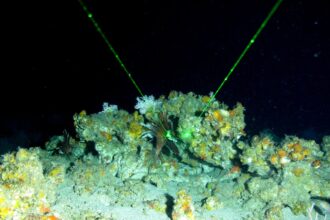
Deep submergence vehicle cable operations constitute a fundamental component of modern oceanographic research, providing the technological infrastructure necessary for exploring ocean depths beyond the reach of conventional diving methods. These operations utilize specialized tethering systems that maintain physical connections between submersible vehicles and surface support vessels, enabling real-time communication, electrical power transmission, and high-bandwidth data transfer during deep-sea missions. The cables serve as lifelines for remotely operated vehicles (ROVs) and hybrid systems, allowing operators to control equipment and receive scientific data from depths exceeding 6,000 meters.
The operational scope of deep submergence vehicle cable systems encompasses multiple scientific and commercial applications, including marine biological surveys, geological sampling, underwater archaeology, and offshore infrastructure inspection. These systems enable researchers to conduct extended observations of deep-sea environments, collect specimens from previously inaccessible locations, and monitor long-term environmental changes in abyssal ecosystems. The data transmission capabilities of modern cable systems support high-definition video streaming, sonar mapping, and real-time analysis of water chemistry and biological activity.
Additionally, these operations play crucial roles in deep-sea mining assessments, submarine cable maintenance, and underwater construction projects, making them essential tools for both scientific research and industrial applications.
Key Takeaways
- Deep submergence vehicles rely heavily on specialized cables for communication and power during deep sea missions.
- Operating cables at extreme ocean depths presents significant technical and environmental challenges.
- Advances in cable technology have improved the reliability and safety of deep sea exploration operations.
- Deep sea exploration via submergence vehicles contributes valuable data to scientific research and environmental understanding.
- Ongoing innovation and strict safety protocols are essential for the future success of deep submergence vehicle cable operations.
The Importance of Deep Sea Exploration
Deep sea exploration is crucial for understanding the Earth’s processes and ecosystems. The ocean covers more than 70% of the planet’s surface, yet much of it remains unexplored and poorly understood. This vast expanse harbors a wealth of biodiversity, geological features, and potential resources that could hold answers to pressing scientific questions.
By venturing into these depths, researchers can uncover new species, study unique ecosystems, and gain insights into climate change and its effects on marine life. Moreover, deep sea exploration plays a pivotal role in advancing technology and innovation. The challenges posed by extreme underwater environments drive engineers and scientists to develop cutting-edge tools and techniques.
These advancements not only enhance our understanding of the ocean but also have applications in various fields, including medicine, materials science, and environmental conservation. As humanity faces increasing environmental challenges, the knowledge gained from deep sea exploration becomes ever more critical.
Understanding Deep Submergence Vehicles
Deep submergence vehicles (DSVs) are specialized crafts designed to operate at extreme ocean depths. These vehicles come in various forms, including manned submersibles and unmanned remotely operated vehicles (ROVs). Manned submersibles allow scientists to directly observe and interact with underwater environments, while ROVs can be deployed for longer missions without risking human life.
Both types of vehicles are equipped with advanced technology to facilitate exploration and data collection. The design of DSVs is tailored to withstand immense pressure and harsh conditions found in the deep sea. They are constructed from robust materials that can endure the crushing forces of water at great depths.
Additionally, these vehicles are equipped with sophisticated sensors, cameras, and sampling tools that enable researchers to gather valuable data about marine life, geological formations, and environmental conditions. Understanding the capabilities and limitations of DSVs is essential for planning successful deep-sea missions.
The Role of Cables in Deep Sea Operations
Cables play a vital role in the operation of deep submergence vehicles, serving as lifelines that connect these crafts to surface support vessels. These cables provide essential functions such as power supply, data transmission, and communication between the submersible and its operators on the surface. The reliability of these cables is crucial for the success of deep-sea missions, as any failure could jeopardize the safety of the vehicle and the integrity of the research being conducted.
In addition to their functional importance, cables also contribute to the overall efficiency of deep-sea operations. By allowing real-time data transmission, they enable scientists to make informed decisions during missions. This capability is particularly important when navigating challenging underwater terrains or responding to unexpected discoveries.
The integration of advanced cable technology into DSV operations enhances both safety and scientific output.
Challenges of Operating Cables in the Ocean Depths
| Metric | Value | Unit | Description |
|---|---|---|---|
| Maximum Cable Length | 10,000 | meters | Maximum length of cable deployed during operations |
| Maximum Operating Depth | 6,000 | meters | Maximum depth at which the vehicle can operate with cable |
| Cable Diameter | 15 | millimeters | Diameter of the submergence vehicle cable |
| Cable Breaking Strength | 50 | kN | Maximum tensile strength before cable failure |
| Data Transmission Rate | 10 | Gbps | Maximum data transfer rate through the cable |
| Maximum Cable Tension During Operation | 30 | kN | Maximum tension experienced by the cable during deployment |
| Deployment Speed | 1.5 | meters/second | Speed at which the cable is deployed or retrieved |
| Operational Temperature Range | -2 to 40 | °C | Temperature range in which cable operations are safe |
Operating cables in the ocean depths presents a unique set of challenges that require careful consideration and planning. One of the primary concerns is the physical environment itself; deep-sea conditions are characterized by extreme pressure, low temperatures, and corrosive saltwater. These factors can lead to wear and tear on cables over time, necessitating robust engineering solutions to ensure their longevity and reliability.
Another significant challenge is managing cable dynamics during operations. Cables must be carefully deployed and retrieved to avoid entanglement or damage from underwater obstacles. Additionally, currents and other environmental factors can affect cable positioning, complicating operations further.
Engineers must develop strategies to mitigate these risks while ensuring that DSVs can operate effectively in their intended environments.
Advancements in Cable Technology for Deep Submergence Vehicles
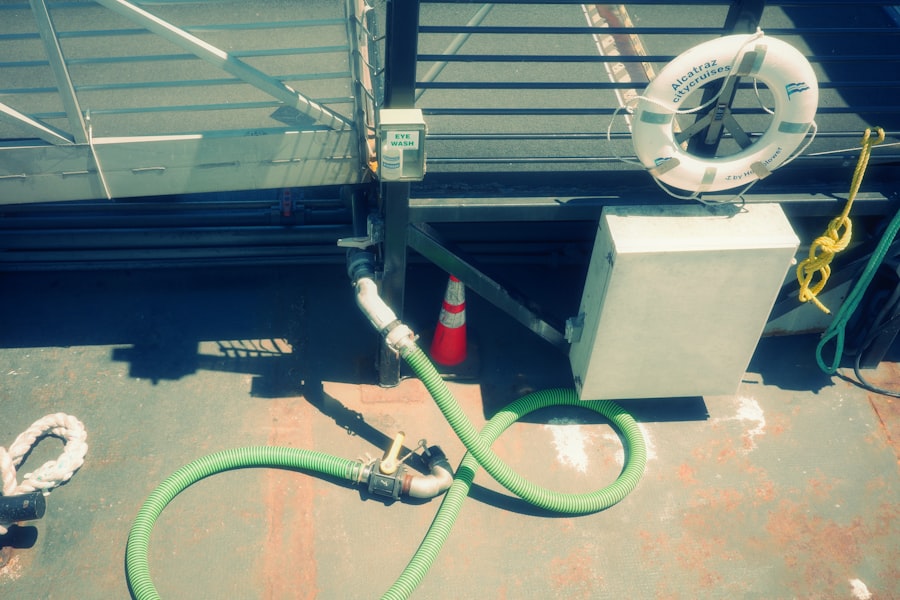
Recent advancements in cable technology have significantly improved the capabilities of deep submergence vehicle operations. Innovations such as lightweight materials and enhanced insulation have led to cables that are not only more durable but also easier to handle during deployment and retrieval. These advancements allow for longer missions without compromising performance or safety.
Furthermore, developments in fiber optic technology have revolutionized data transmission capabilities. High-bandwidth fiber optic cables enable real-time streaming of high-definition video and data from DSVs to surface vessels, enhancing situational awareness for operators. This technological leap has transformed how researchers conduct deep-sea explorations, allowing for more comprehensive data collection and analysis.
Safety Measures and Protocols for Cable Operations
Safety is paramount in deep submergence vehicle cable operations due to the inherent risks associated with working in extreme underwater environments. Comprehensive safety measures and protocols are essential to protect both personnel and equipment during missions. Pre-mission planning involves thorough risk assessments that identify potential hazards related to cable deployment and retrieval.
Training is another critical component of safety protocols. Crew members must be well-versed in operating procedures for handling cables, including emergency response strategies in case of cable failure or entanglement. Regular drills and simulations help ensure that all team members are prepared for unexpected situations.
By prioritizing safety measures, organizations can minimize risks associated with deep-sea operations.
The Impact of Deep Sea Exploration on Scientific Research
The impact of deep sea exploration on scientific research is profound and far-reaching. Discoveries made during these missions have led to significant advancements in various fields, including marine biology, geology, and climate science. For instance, studying hydrothermal vents has provided insights into unique ecosystems that thrive in extreme conditions, challenging previous notions about life on Earth.
Moreover, deep sea exploration contributes to our understanding of global climate patterns and their effects on marine ecosystems. By collecting data on temperature changes, ocean currents, and biodiversity shifts, researchers can better predict how climate change will impact marine life and coastal communities. The knowledge gained from these explorations informs conservation efforts and policy decisions aimed at protecting fragile ocean ecosystems.
Environmental Considerations in Deep Sea Cable Operations
As deep sea exploration continues to expand, environmental considerations become increasingly important in cable operations. The potential impact of cable installation and maintenance on marine ecosystems must be carefully assessed to minimize disruption to sensitive habitats. Environmental impact assessments are often conducted before missions to identify potential risks and develop mitigation strategies.
Additionally, there is a growing emphasis on sustainable practices within deep sea operations. This includes using eco-friendly materials for cables and minimizing waste generated during missions. By adopting environmentally responsible practices, researchers can ensure that their explorations do not compromise the very ecosystems they seek to study and protect.
Future Directions in Deep Submergence Vehicle Cable Operations
The future of deep submergence vehicle cable operations holds exciting possibilities as technology continues to evolve. Innovations such as autonomous underwater vehicles (AUVs) may change how researchers approach deep-sea exploration by reducing reliance on surface support vessels for cable operations. AUVs equipped with advanced sensors could operate independently for extended periods, collecting data without the need for constant communication with surface teams.
Moreover, advancements in artificial intelligence (AI) could enhance decision-making processes during deep-sea missions. AI algorithms could analyze real-time data from DSVs and provide recommendations for navigation or data collection strategies based on environmental conditions.
The Ongoing Exploration of the Ocean Depths
The ongoing exploration of the ocean depths through deep submergence vehicle cable operations represents a remarkable journey into one of Earth’s final frontiers. As researchers continue to push the boundaries of knowledge about our oceans, the importance of reliable cable systems cannot be overstated. These cables serve as vital connections between humans and the mysteries that lie beneath the waves.
As technology advances and our understanding of marine ecosystems grows, deep sea exploration will undoubtedly yield new discoveries that challenge our perceptions of life on Earth. By prioritizing safety, sustainability, and innovation in cable operations, humanity can continue its quest to unlock the secrets of the ocean depths while safeguarding these precious environments for future generations.
Deep submergence vehicle cable operations are critical for ensuring the successful deployment and recovery of underwater vehicles used in various marine research and military applications. For a more in-depth understanding of the complexities involved in these operations, you can refer to a related article that discusses the challenges and technologies associated with deep-sea exploration. To read more, visit this article.
FAQs
What is a deep submergence vehicle (DSV)?
A deep submergence vehicle (DSV) is a specialized underwater vehicle designed to operate at great depths in the ocean. It is used for scientific research, exploration, and underwater construction or repair tasks.
What are cable operations in the context of deep submergence vehicles?
Cable operations refer to the deployment, management, and retrieval of cables used to connect the deep submergence vehicle to a surface ship or platform. These cables provide power, communication, and data transfer capabilities between the vehicle and operators.
Why are cables important for deep submergence vehicles?
Cables are crucial because they enable real-time communication, control, and data transmission between the DSV and the surface team. They also supply power to the vehicle, allowing it to operate for extended periods underwater.
What types of cables are used in DSV cable operations?
Typically, fiber optic cables combined with electrical conductors are used. Fiber optics allow high-speed data transmission, while electrical conductors provide power and control signals.
What challenges are associated with cable operations for deep submergence vehicles?
Challenges include managing cable tension and length, avoiding entanglement or damage, ensuring reliable communication at great depths, and handling the cable in harsh underwater environments with strong currents and pressure.
How is cable tension managed during DSV operations?
Cable tension is managed using specialized winches and tensioners on the surface vessel. These systems adjust the cable payout and retraction to maintain optimal tension, preventing slack or excessive strain.
What safety measures are taken during cable operations?
Safety measures include continuous monitoring of cable tension and condition, using protective sheathing on cables, following strict operational protocols, and ensuring that all personnel are trained in cable handling procedures.
Can deep submergence vehicles operate without cables?
Some DSVs, known as autonomous underwater vehicles (AUVs), operate without cables. However, tethered DSVs rely on cables for power and communication, especially for deep and complex missions requiring real-time control.
How are cables deployed and retrieved during DSV missions?
Cables are deployed from a winch system on the surface vessel as the DSV descends. During retrieval, the winch reels the cable back in as the vehicle ascends, ensuring smooth and controlled cable handling throughout the operation.
What advancements are being made in DSV cable technology?
Advancements include the development of stronger, lighter, and more flexible cables, improved fiber optic communication systems, enhanced winch and tension control technologies, and better materials to withstand extreme underwater conditions.