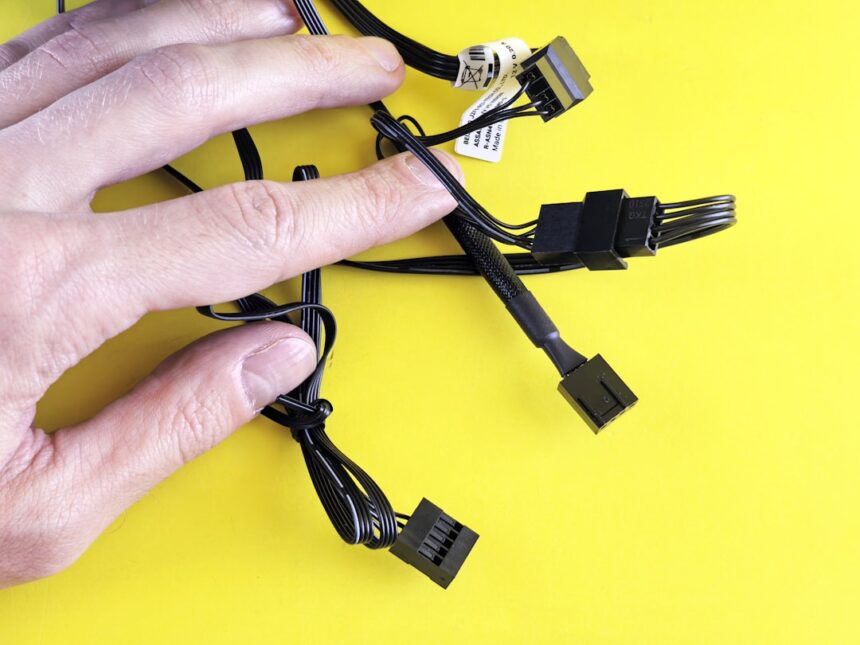
In cable manufacturing and maintenance, effective spare parts positioning is crucial for operational efficiency and minimizing downtime. Strategic placement and management of components directly impacts a company’s ability to address equipment failures promptly. As industries increasingly depend on sophisticated cable systems, proper spare parts positioning becomes essential for maintaining continuous operations and facilitating rapid repairs.
Cable spare parts encompass diverse components including connectors, terminals, and complete cable assemblies, each serving specific functions within the system. Understanding optimal positioning strategies for these various parts is essential for organizations seeking to enhance operational reliability. Proper assessment methods and implementation practices are key to developing an effective spare parts management system that supports maintenance needs and prevents costly production interruptions.
Key Takeaways
- Optimizing cable spare parts positioning enhances maintenance efficiency and reduces downtime.
- Identifying and prioritizing critical spare parts is essential for effective inventory management.
- Implementing a structured spare parts management system improves organization and accessibility.
- Leveraging technology aids in accurate tracking and minimizes excess inventory.
- Continuous training and monitoring ensure sustained improvements and best practice adoption.
Importance of Optimizing Cable Spare Parts Positioning
Optimizing cable spare parts positioning is essential for several reasons. First and foremost, it directly impacts the speed and efficiency of maintenance operations. When spare parts are strategically located, technicians can quickly access the components they need, reducing the time spent searching for items or waiting for replacements to arrive.
This swift response is particularly critical in industries where downtime can lead to significant financial losses or operational disruptions. Moreover, effective positioning of spare parts contributes to better inventory management. By understanding which components are most frequently used and ensuring they are readily available, organizations can avoid overstocking less critical items while maintaining sufficient quantities of essential parts.
Ultimately, optimizing spare parts positioning fosters a more agile and responsive operational environment.
Assessing Current Spare Parts Inventory

A thorough assessment of the current spare parts inventory is the first step toward optimizing positioning strategies. Organizations must conduct a comprehensive audit of their existing inventory to identify what parts are available, their condition, and how frequently they are utilized. This evaluation should include an analysis of historical usage data, which can provide insights into trends and patterns that inform future stocking decisions.
During this assessment, it is also crucial to categorize spare parts based on their criticality and usage frequency. By classifying items into categories such as high-demand, medium-demand, and low-demand parts, organizations can prioritize their storage and accessibility strategies accordingly. This systematic approach not only streamlines inventory management but also lays the groundwork for more informed decision-making regarding future purchases and positioning.
Identifying Critical Spare Parts
Identifying critical spare parts is a fundamental aspect of effective spare parts management. These are the components that have a significant impact on operational continuity and performance. To determine which parts fall into this category, organizations should consider factors such as the frequency of use, lead times for replacement, and the potential consequences of failure.
Engaging with maintenance teams and operators can provide valuable insights into which parts are deemed critical based on their firsthand experiences. Additionally, organizations can utilize failure mode and effects analysis (FMEA) to systematically evaluate the risks associated with each component.
Implementing a Spare Parts Management System
| Spare Part | Positioning Location | Quantity in Stock | Last Inspection Date | Recommended Replacement Interval (Months) | Notes |
|---|---|---|---|---|---|
| Cable Connector | Warehouse A – Shelf 3B | 150 | 2024-05-10 | 12 | Check for corrosion before use |
| Insulation Tape | Warehouse B – Bin 7 | 500 rolls | 2024-04-22 | 24 | Store in dry conditions |
| Splice Sleeve | Warehouse A – Shelf 1A | 200 | 2024-05-15 | 18 | Use heat shrink for sealing |
| Cable Gland | Warehouse C – Rack 4 | 120 | 2024-05-05 | 12 | Ensure proper size for cable diameter |
| Grounding Clamp | Warehouse B – Bin 3 | 80 | 2024-04-30 | 24 | Inspect for rust regularly |
The implementation of a robust spare parts management system is essential for optimizing cable spare parts positioning. Such a system should encompass various elements, including inventory tracking, ordering processes, and data analysis capabilities. By leveraging technology to manage spare parts effectively, organizations can streamline operations and improve decision-making.
A well-designed management system allows for real-time tracking of inventory levels, enabling organizations to maintain optimal stock levels without overcommitting resources. Furthermore, it can facilitate automated reordering processes based on predefined thresholds, ensuring that critical components are always available when needed. By integrating this system with other operational tools, companies can create a cohesive approach to spare parts management that enhances overall efficiency.
Organizing Spare Parts for Easy Access
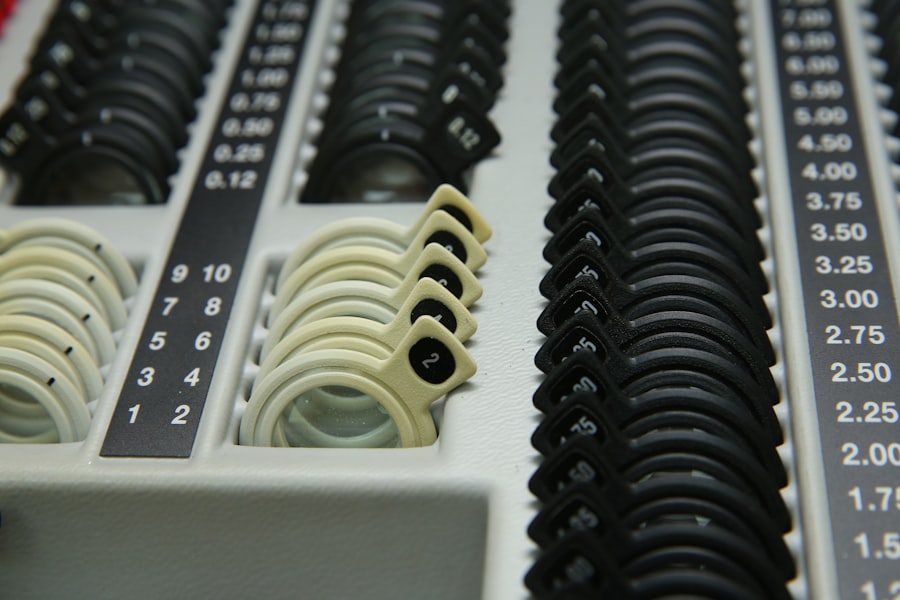
Once a spare parts management system is in place, the next step involves organizing the physical storage of these components for easy access. The layout of storage areas should be designed with efficiency in mind, ensuring that high-demand items are readily accessible while less frequently used parts are stored in less convenient locations. This strategic organization minimizes the time spent retrieving components during maintenance activities.
Labeling systems play a crucial role in this organization process. Clear labeling not only aids in quick identification but also helps maintain order within storage areas. Implementing visual management techniques, such as color coding or signage, can further enhance accessibility by guiding personnel to the right locations swiftly.
By prioritizing organization in spare parts storage, companies can significantly reduce downtime associated with searching for components.
Minimizing Inventory Levels without Sacrificing Efficiency
Striking a balance between minimizing inventory levels and maintaining operational efficiency is a challenge faced by many organizations. While it is essential to reduce excess stock to lower carrying costs, doing so should not compromise the ability to respond promptly to maintenance needs. To achieve this balance, companies must adopt a data-driven approach to inventory management.
Utilizing historical usage data allows organizations to forecast demand accurately and adjust inventory levels accordingly. By implementing just-in-time (JIT) inventory practices, companies can minimize stock levels while ensuring that critical components are available when required. Additionally, establishing strong relationships with suppliers can facilitate quicker turnaround times for replenishing stock, further supporting efficient operations without excessive inventory.
Utilizing Technology for Spare Parts Management
The integration of technology into spare parts management has revolutionized how organizations approach inventory control and positioning strategies. Advanced software solutions enable real-time tracking of inventory levels, automated reordering processes, and comprehensive data analysis capabilities. These tools empower organizations to make informed decisions based on accurate information rather than relying on guesswork.
Moreover, technologies such as barcode scanning and RFID tagging enhance accuracy in tracking spare parts throughout their lifecycle. By automating data entry processes and reducing human error, organizations can maintain more reliable inventory records. Additionally, cloud-based systems allow for seamless collaboration among teams across different locations, ensuring that everyone has access to up-to-date information regarding spare parts availability.
Training and Education for Spare Parts Management
To maximize the effectiveness of spare parts management strategies, organizations must invest in training and education for their personnel. Employees involved in inventory management should be well-versed in best practices for assessing needs, organizing storage areas, and utilizing technology effectively. Providing ongoing training ensures that staff members remain knowledgeable about evolving industry standards and technological advancements.
Furthermore, fostering a culture of continuous improvement encourages employees to share insights and suggestions for enhancing spare parts management processes. Regular workshops or training sessions can facilitate knowledge sharing among teams, leading to innovative solutions that optimize operations further. By prioritizing education in spare parts management, organizations can empower their workforce to contribute actively to operational efficiency.
Monitoring and Evaluating Spare Parts Positioning
Monitoring and evaluating spare parts positioning is an ongoing process that requires regular attention. Organizations should establish key performance indicators (KPIs) to assess the effectiveness of their spare parts management strategies continually. Metrics such as inventory turnover rates, lead times for replenishment, and maintenance response times provide valuable insights into how well the current positioning aligns with operational goals.
Periodic reviews of inventory practices allow organizations to identify areas for improvement and make necessary adjustments proactively. Engaging with maintenance teams during these evaluations ensures that feedback from those directly involved in operations is considered when refining strategies. By adopting a proactive approach to monitoring and evaluation, companies can adapt their spare parts positioning to meet changing demands effectively.
Case Studies and Best Practices in Cable Spare Parts Positioning
Examining case studies and best practices from industry leaders can provide valuable insights into effective cable spare parts positioning strategies. For instance, a leading telecommunications company implemented a comprehensive spare parts management system that integrated real-time tracking with predictive analytics. This approach allowed them to anticipate demand fluctuations accurately and optimize their inventory levels accordingly.
Another example comes from an automotive manufacturer that adopted a just-in-time inventory strategy for its cable components. By collaborating closely with suppliers and utilizing advanced forecasting techniques, they minimized excess stock while ensuring critical components were always available when needed. These case studies highlight the importance of leveraging technology, fostering collaboration among teams, and continuously evaluating practices to achieve optimal results in cable spare parts positioning.
In conclusion, effective cable spare parts positioning is essential for maintaining operational efficiency in today’s fast-paced industrial landscape. By understanding its importance, assessing current inventories, identifying critical components, implementing robust management systems, organizing storage areas strategically, minimizing inventory levels without sacrificing efficiency, utilizing technology effectively, providing training for personnel, monitoring performance regularly, and learning from industry best practices, organizations can enhance their overall performance significantly. As industries continue to evolve, staying ahead in spare parts management will be crucial for sustaining competitive advantage and ensuring long-term success.
For those interested in optimizing cable spare parts positioning, a valuable resource can be found in the article on In The War Room. This article delves into effective strategies for managing and organizing spare parts, ensuring that essential components are readily accessible when needed. By implementing the techniques discussed, businesses can enhance their operational efficiency and reduce downtime associated with equipment maintenance.
FAQs
What are cable spare parts?
Cable spare parts refer to replacement components used in the maintenance and repair of cable systems. These parts can include connectors, joints, insulators, clamps, and other accessories essential for the proper functioning of cable networks.
Why is proper positioning of cable spare parts important?
Proper positioning ensures the reliability and safety of cable installations. Correct placement helps prevent mechanical stress, electrical faults, and environmental damage, thereby extending the lifespan of the cable system and reducing downtime.
How are cable spare parts positioned during installation?
Cable spare parts are positioned based on manufacturer guidelines and industry standards. This involves aligning connectors and joints accurately, securing clamps at designated points, and ensuring insulation components are properly placed to avoid exposure to moisture or physical damage.
What tools are commonly used for positioning cable spare parts?
Tools such as cable cutters, crimping tools, torque wrenches, and alignment jigs are commonly used to position and secure cable spare parts accurately during installation or maintenance.
Can improper positioning of cable spare parts cause failures?
Yes, improper positioning can lead to mechanical failures, electrical faults, increased resistance, overheating, and ultimately, system outages or safety hazards.
Are there standards governing the positioning of cable spare parts?
Yes, various international and national standards, such as those from the IEC (International Electrotechnical Commission) and IEEE (Institute of Electrical and Electronics Engineers), provide guidelines for the correct positioning and installation of cable spare parts.
How often should cable spare parts be inspected for positioning?
Inspection frequency depends on the operating environment and system criticality but generally occurs during routine maintenance cycles, which can range from annually to every few years, to ensure parts remain correctly positioned and functional.
Is training required for personnel handling cable spare parts positioning?
Yes, proper training is essential to ensure personnel understand the correct procedures, safety measures, and standards involved in positioning cable spare parts effectively.