Submarines, the silent sentinels of the deep, are marvels of engineering that allow nations to project power and gather intelligence beneath the waves. However, their operations are fraught with risks, particularly when it comes to emergencies. One critical procedure that submariners must master is the emergency blow.
This maneuver is designed to rapidly bring a submarine to the surface in situations where it may be in danger, such as flooding or loss of buoyancy. The emergency blow involves expelling water from the ballast tanks using compressed air, allowing the vessel to ascend quickly and safely. Understanding the intricacies of the emergency blow procedure is essential for submariners, as it can mean the difference between life and death in dire situations.
The procedure is not merely a technical operation; it embodies the principles of safety, teamwork, and quick decision-making under pressure. As submarines operate in an environment where time is of the essence, mastering this procedure is paramount for ensuring the safety of the crew and the integrity of the vessel.
Key Takeaways
- Submarine emergency blow is a critical procedure to rapidly surface a submarine in emergencies.
- Failures in the emergency blow process often stem from mechanical issues and human error.
- Consequences of failure can be severe, including loss of life and vessel damage.
- Proper training, education, and technological improvements are essential to prevent procedure failures.
- Case studies highlight the importance of continuous evaluation and advancement of emergency blow protocols.
Importance of Submarine Emergency Blow Procedure
The emergency blow procedure holds immense significance in submarine operations. It serves as a last line of defense against catastrophic events that could compromise the vessel’s integrity or endanger the crew’s lives. In scenarios such as flooding due to hull breaches or mechanical failures, the ability to execute an emergency blow can facilitate a rapid ascent to the surface, where conditions are more favorable for rescue and recovery.
This procedure is not just a technical necessity; it is a critical component of operational readiness and safety protocols. Moreover, the importance of the emergency blow extends beyond individual submarines to encompass broader naval strategy. Submarines often operate in hostile environments where they may be targeted by enemy forces.
The ability to surface quickly can provide a tactical advantage, allowing submarines to evade threats or reposition themselves for better operational effectiveness. Thus, mastering the emergency blow procedure is not only vital for immediate safety but also for maintaining strategic superiority in naval warfare.
The Process of Submarine Emergency Blow
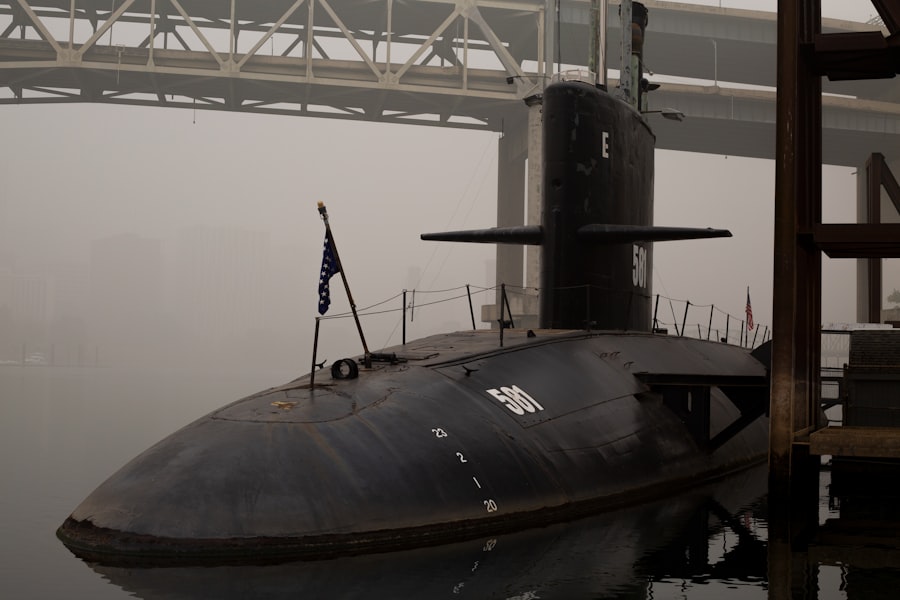
Executing an emergency blow involves a series of well-coordinated steps that must be performed swiftly and accurately. The first step typically involves assessing the situation to determine whether an emergency blow is necessary. Once this decision is made, crew members initiate the procedure by activating the compressed air system, which forces air into the ballast tanks.
This action displaces water from the tanks, causing the submarine to become buoyant and ascend toward the surface. As the submarine begins its ascent, crew members must monitor various parameters, including depth, buoyancy, and pressure levels. The ascent must be controlled to prevent rapid changes that could lead to structural damage or loss of control.
Additionally, communication among crew members is crucial during this process, as they must work together to ensure that all systems are functioning correctly and that everyone is aware of their roles. The successful execution of an emergency blow requires not only technical proficiency but also effective teamwork and situational awareness.
Common Causes of Submarine Emergency Blow Procedure Failure
Despite rigorous training and preparation, there are several factors that can lead to failure in executing an emergency blow procedure. One common cause is mechanical failure within the submarine’s systems. For instance, if the compressed air system malfunctions or if there are leaks in the ballast tanks, it can severely hinder the ability to expel water effectively.
Such mechanical issues can arise from wear and tear, inadequate maintenance, or unforeseen circumstances that compromise system integrity. Another significant factor contributing to failure is human error. In high-pressure situations, even well-trained personnel can make mistakes due to stress or miscommunication.
Errors in judgment regarding when to initiate an emergency blow or how to manage the ascent can have dire consequences. Additionally, inadequate training or lack of familiarity with specific systems can lead to confusion during critical moments, further increasing the risk of failure in executing this vital procedure.
Potential Consequences of Submarine Emergency Blow Procedure Failure
| Metric | Description | Typical Values | Impact of Failure |
|---|---|---|---|
| Blow System Activation Time | Time taken to initiate the emergency blow procedure after command | Less than 5 seconds | Delays surfacing, increasing risk to crew safety |
| Blow Valve Opening Percentage | Extent to which the blow valves open during procedure | 90-100% | Partial opening reduces buoyancy, may prevent surfacing |
| Compressed Air Pressure | Pressure of air used to blow ballast tanks | 3000-3500 psi | Insufficient pressure leads to ineffective blow |
| Ballast Tank Venting Efficiency | Effectiveness of venting water from ballast tanks | Above 95% | Poor venting causes incomplete blow, reducing buoyancy |
| System Failure Rate | Frequency of emergency blow procedure failures per 100 dives | 0.5 – 2% | Indicates reliability and maintenance effectiveness |
| Time to Surface After Blow | Duration from blow initiation to surfacing | Less than 60 seconds | Longer times increase risk during emergencies |
| Number of Reported Failures | Count of documented emergency blow failures in last 5 years | Varies by fleet size | Used to assess procedural and equipment improvements |
The consequences of failing to execute an emergency blow procedure can be catastrophic. In extreme cases, failure can result in a submarine sinking to greater depths, leading to potential loss of life among crew members and significant damage to the vessel itself. The psychological impact on survivors can also be profound, as they grapple with the trauma of a failed emergency response in life-threatening conditions.
Beyond immediate physical dangers, there are broader implications for naval operations and national security. A failed emergency blow could compromise a submarine’s mission and expose it to enemy detection or attack. Furthermore, such incidents can lead to increased scrutiny from naval command and regulatory bodies, resulting in investigations that may uncover systemic issues within training protocols or equipment maintenance practices.
The ripple effects of a failure can extend far beyond the individual incident, affecting operational readiness and strategic capabilities.
Case Studies of Submarine Emergency Blow Procedure Failure
Examining historical case studies provides valuable insights into the complexities surrounding submarine emergency blow procedures and their potential failures. One notable incident occurred with a U.S. Navy submarine that experienced flooding due to a hull breach during a training exercise.
The crew attempted an emergency blow; however, mechanical failures in the compressed air system prevented them from expelling water effectively. As a result, the submarine struggled to maintain buoyancy and ultimately sank to a depth that made recovery impossible without external assistance. Another case involved a foreign submarine that encountered severe weather conditions while submerged.
The crew recognized the need for an emergency blow but faced challenges due to miscommunication regarding system status and readiness. The resulting confusion led to delays in executing the procedure, ultimately resulting in a near-catastrophic ascent that endangered both personnel and equipment. These case studies underscore the critical importance of thorough training and effective communication in preventing failures during emergency situations.
The Role of Human Error in Submarine Emergency Blow Procedure Failure
Human error plays a significant role in many incidents involving submarine emergency blow procedure failures. In high-stress environments where quick decisions are essential, even minor lapses in judgment can have severe consequences. Factors such as fatigue, stress, and inadequate training can contribute to errors during critical moments when executing an emergency blow.
Moreover, communication breakdowns among crew members can exacerbate these issues. In situations where every second counts, misinterpretations or unclear instructions can lead to delays or incorrect actions being taken. It is essential for submariners to cultivate a culture of open communication and teamwork to mitigate these risks effectively.
By fostering an environment where crew members feel empowered to speak up and clarify uncertainties, submarines can enhance their operational safety and reduce the likelihood of human error impacting emergency procedures.
Strategies for Preventing Submarine Emergency Blow Procedure Failure
To minimize the risk of failure during emergency blow procedures, several strategies can be implemented within submarine operations. First and foremost is enhancing training programs that focus on realistic simulations of emergency scenarios. By exposing crew members to high-pressure situations in controlled environments, they can develop their skills and confidence in executing emergency blows effectively.
Additionally, regular maintenance checks on critical systems such as compressed air mechanisms and ballast tanks are essential for ensuring operational readiness. Implementing rigorous inspection protocols can help identify potential mechanical issues before they escalate into emergencies. Furthermore, fostering a culture of continuous improvement within submarine crews encourages personnel to share insights and lessons learned from past incidents, ultimately enhancing overall safety practices.
Training and Education for Submarine Emergency Blow Procedure
Training and education are cornerstones of effective submarine operations, particularly concerning emergency procedures like the emergency blow. Comprehensive training programs should encompass both theoretical knowledge and practical skills development. Crew members must understand not only how to execute an emergency blow but also why each step is crucial for ensuring safety.
Simulation-based training exercises provide invaluable opportunities for crew members to practice their responses in realistic scenarios without risking lives or equipment. These exercises should include various contingencies that may arise during an emergency blow attempt, allowing personnel to develop problem-solving skills under pressure. Additionally, ongoing education about advancements in technology and best practices ensures that submariners remain well-informed about evolving procedures and equipment.
Technological Advances in Submarine Emergency Blow Procedure
Technological advancements have significantly influenced submarine operations over recent years, including improvements in emergency blow procedures. Modern submarines are equipped with sophisticated systems that enhance their ability to execute emergency blows more efficiently and safely than ever before. For instance, automated monitoring systems can provide real-time data on ballast tank status and air pressure levels, allowing crew members to make informed decisions quickly.
Moreover, innovations in materials science have led to stronger hull designs that can withstand greater pressures while minimizing risks associated with flooding or structural failure during emergencies. These advancements not only improve safety but also enhance overall operational capabilities for submarines operating in challenging environments. As technology continues to evolve, it will play an increasingly vital role in shaping how submariners approach emergency procedures like the emergency blow.
Conclusion and Future Considerations for Submarine Emergency Blow Procedure Failure
In conclusion, the submarine emergency blow procedure is a critical aspect of underwater operations that demands meticulous attention from both crew members and naval leadership alike. While advancements in technology have improved safety measures significantly, human factors remain a crucial consideration in preventing failures during emergencies. By prioritizing comprehensive training programs, fostering effective communication among crew members, and implementing rigorous maintenance protocols, navies around the world can enhance their readiness for potential emergencies.
As new technologies emerge and operational environments evolve, adapting training methods and equipment will be vital for ensuring that submariners are prepared for any eventuality they may face beneath the waves. Ultimately, a proactive approach toward understanding and mitigating risks associated with emergency blow procedures will contribute significantly to safeguarding lives and maintaining operational effectiveness in naval missions worldwide.
In the context of submarine operations, understanding the implications of emergency blow procedure failures is crucial for ensuring crew safety and vessel integrity. A related article that delves into the complexities of submarine emergency protocols can be found at this link. This resource provides valuable insights into the challenges faced during emergency situations and the importance of rigorous training and preparedness.
FAQs
What is a submarine emergency blow procedure?
The submarine emergency blow procedure is a safety protocol used to rapidly expel water from the submarine’s ballast tanks, allowing it to quickly surface in an emergency situation.
Why might the emergency blow procedure fail?
Failures can occur due to mechanical malfunctions, valve blockages, air supply issues, or human error during the activation of the system.
What are the consequences of an emergency blow procedure failure?
If the procedure fails, the submarine may be unable to surface quickly, potentially putting the crew at risk during emergencies such as flooding, fire, or loss of power.
How is the emergency blow system tested and maintained?
Regular maintenance includes inspections, functional tests of valves and air compressors, and drills to ensure the system operates correctly when needed.
What safety measures are in place if the emergency blow procedure fails?
Submarines have backup systems, emergency protocols, and trained personnel to manage alternative surfacing methods or to stabilize the vessel until help arrives.
Can crew training prevent emergency blow procedure failures?
Yes, thorough training ensures that crew members understand the system’s operation and can respond correctly during emergencies, reducing the risk of procedural errors.
Are there technological advancements to improve emergency blow procedures?
Modern submarines incorporate advanced sensors, automated controls, and redundant systems to enhance reliability and reduce the likelihood of failure during emergency blows.