
Submarine test depth is a critical concept in naval engineering and underwater exploration, representing the maximum depth at which a submarine can operate safely without risking structural integrity. This depth is determined through rigorous testing and analysis, ensuring that submarines can withstand the immense pressures of the ocean while maintaining functionality. The test depth is not merely a number; it embodies the culmination of advanced engineering, material science, and operational protocols designed to protect both the vessel and its crew.
Understanding the significance of test depth is essential for naval architects, engineers, and submarine operators. It serves as a benchmark for evaluating a submarine’s capabilities and limitations. The test depth is typically set at a level that allows for a safety margin below the crush depth, which is the point at which the submarine’s hull can no longer withstand external pressure.
This margin is crucial for ensuring that submarines can perform their missions effectively while minimizing the risk of catastrophic failure.
Key Takeaways
- Submarine test depth defines the maximum safe operational depth to prevent structural failure.
- Crush depth is the critical point where water pressure causes catastrophic hull collapse.
- Increased water pressure at extreme depths poses severe risks to both submarine integrity and crew safety.
- Advanced technology, rigorous training, and strict international regulations are essential to avoid crush depth incidents.
- Historical accidents highlight the importance of safety measures and preparedness in submarine operations.
Understanding Crush Depth
Crush depth refers to the maximum depth at which a submarine can operate before the external water pressure exceeds the structural limits of its hull.
The crush depth varies among different classes of submarines, influenced by factors such as hull design, materials used, and overall construction techniques.
The determination of crush depth involves extensive testing and simulations, often conducted in controlled environments. Engineers utilize advanced modeling techniques to predict how materials will behave under extreme conditions. This understanding is vital for ensuring that submarines are built to withstand the harsh realities of deep-sea environments, where pressures can exceed thousands of pounds per square inch.
The knowledge of crush depth not only informs design choices but also plays a crucial role in operational planning and risk assessment.
The Effects of Increased Water Pressure
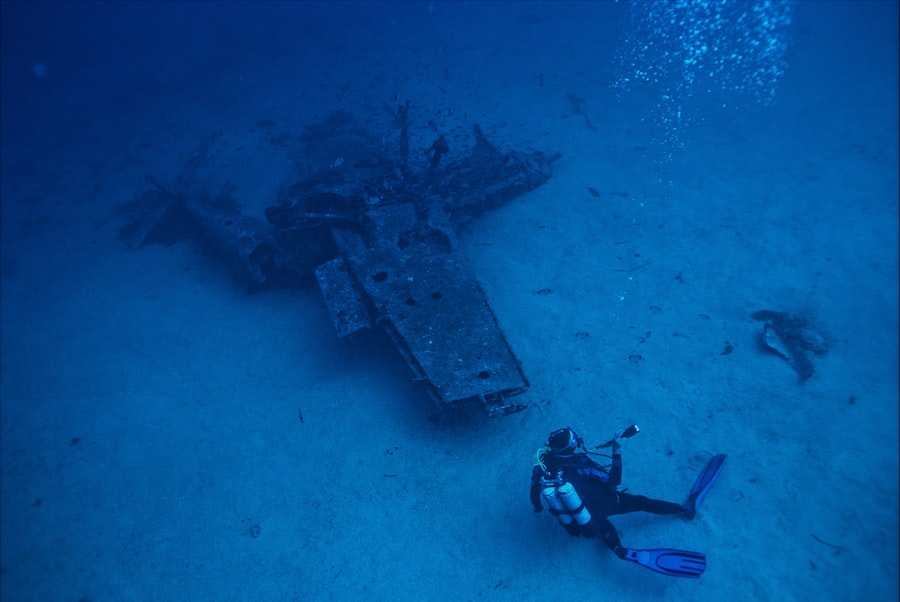
As a submarine descends into deeper waters, it encounters increasing water pressure that can have profound effects on its structure and systems. Water pressure increases by approximately one atmosphere for every 10 meters of depth, leading to significant challenges for submarines operating at great depths. The hull must be designed to resist this pressure, which can cause deformation or even failure if not properly accounted for in the design process.
Increased water pressure also affects various systems within the submarine, including propulsion, navigation, and life support. For instance, electronic systems may experience malfunctions due to pressure-induced stress on components. Additionally, the buoyancy and stability of the submarine can be compromised if the hull begins to deform under pressure.
Understanding these effects is crucial for maintaining operational safety and ensuring that submarines can perform their missions effectively without succumbing to the dangers posed by deep-sea environments.
Risks to Submarine Systems and Structures
The risks associated with operating near or beyond crush depth are multifaceted and can have dire consequences for both the submarine and its crew. Structural integrity is paramount; any compromise in the hull can lead to flooding, loss of buoyancy, and ultimately, catastrophic failure. Engineers must consider various factors when designing submarines, including material strength, hull shape, and reinforcement techniques to mitigate these risks.
Moreover, the systems within a submarine are intricately linked to its structural integrity. For example, if the hull begins to buckle under pressure, it can lead to failures in critical systems such as ballast control or emergency surfacing mechanisms. These failures can create a cascade of problems that jeopardize the safety of the crew and the mission objectives.
Therefore, understanding and addressing these risks is essential for ensuring that submarines can operate safely at their designated test depths.
Human Risks at Crush Depth
| Submarine Class | Test Depth (meters) | Crush Depth (meters) | Notes |
|---|---|---|---|
| Los Angeles-class (US) | 300 | 600 | Typical Cold War era attack submarine |
| Virginia-class (US) | 250 | 800 | Modern nuclear attack submarine |
| Typhoon-class (Russia) | 400 | 700 | Largest nuclear ballistic missile submarine |
| Akula-class (Russia) | 300 | 600 | Fast attack submarine |
| Seawolf-class (US) | 490 | 800 | Advanced attack submarine with deep diving capability |
| Type 212 (Germany) | 200 | 400 | Air-independent propulsion diesel-electric submarine |
| Barbel-class (US) | 200 | 400 | Last diesel-electric US submarine before nuclear era |
The human element in submarine operations adds another layer of complexity when considering crush depth. The crew’s safety is paramount; they rely on the submarine’s structural integrity and systems to ensure their survival in extreme conditions. At crush depth, the risks to human life become exponentially greater.
If a submarine were to reach this critical point, the crew would face life-threatening situations with little chance of survival. Psychological factors also come into play when operating at extreme depths. The stress of being in an environment where failure could lead to disaster can affect decision-making and performance.
Crew members must be trained to handle high-pressure situations effectively, maintaining composure even when faced with potential catastrophe. Understanding these human risks is essential for developing training programs and operational protocols that prioritize crew safety in challenging underwater environments.
Historical Incidents and Accidents
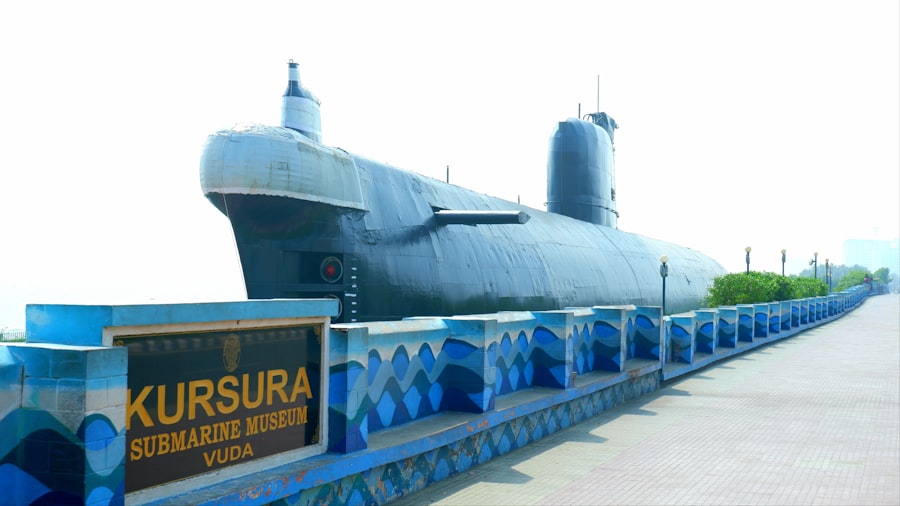
Throughout history, there have been several notable incidents involving submarines that highlight the dangers associated with crush depth. One of the most infamous cases is that of the USS Thresher, which sank during deep-diving tests in 1963 due to a mechanical failure that led to flooding. The loss of all 129 crew members underscored the importance of understanding crush depth and maintaining rigorous safety protocols.
Another significant incident was the sinking of the Russian submarine K-219 in 1986, which experienced a catastrophic failure while submerged. The crew faced immense challenges as they attempted to manage the situation at great depths, ultimately leading to loss of life and significant damage to the vessel.
Mitigating the Dangers of Crush Depth
To mitigate the dangers associated with crush depth, naval engineers and operators have developed a range of strategies aimed at enhancing safety and performance. One key approach involves rigorous testing during the design phase, where submarines undergo extensive simulations and trials to assess their capabilities under extreme conditions. This testing helps identify potential weaknesses in design and allows for necessary adjustments before deployment.
Additionally, advancements in materials science have led to the development of stronger and more resilient materials that can withstand higher pressures without compromising structural integrity. Innovations such as composite materials and advanced welding techniques have improved hull designs significantly, allowing submarines to operate safely at greater depths than ever before. By continually refining design practices and incorporating new technologies, naval forces can better prepare for the challenges posed by deep-sea operations.
The Role of Technology in Avoiding Crush Depth
Technology plays a pivotal role in preventing submarines from reaching crush depth inadvertently. Modern submarines are equipped with sophisticated monitoring systems that provide real-time data on pressure levels, structural integrity, and system performance. These systems enable crews to make informed decisions about their operational depth and take corrective actions if necessary.
Moreover, advancements in sonar technology allow submarines to navigate more effectively in deep waters, avoiding potential hazards that could lead them closer to crush depth. Enhanced communication systems also facilitate better coordination between crew members and command centers, ensuring that all personnel are aware of their operational parameters and any potential risks associated with deep diving. By leveraging technology effectively, submarines can operate safely within their designated test depths while minimizing risks.
Training and Preparedness for Submarine Crews
Training is an essential component of ensuring crew safety when operating near crush depth. Submarine crews undergo rigorous training programs designed to prepare them for various scenarios they may encounter while submerged. This training includes simulations of emergency situations that could arise at great depths, allowing crew members to practice their responses in a controlled environment.
Additionally, ongoing education about the risks associated with crush depth is crucial for maintaining awareness among crew members. Regular drills and refresher courses help reinforce safety protocols and ensure that all personnel are equipped with the knowledge needed to respond effectively in emergencies. By prioritizing training and preparedness, naval forces can enhance crew resilience and improve overall safety during deep-sea operations.
International Regulations and Standards for Submarine Operations
International regulations and standards play a vital role in governing submarine operations worldwide. Organizations such as NATO and various maritime safety authorities establish guidelines that outline best practices for submarine design, operation, and safety protocols. These regulations aim to ensure that submarines are built to withstand extreme conditions while prioritizing crew safety.
Compliance with these standards is essential for maintaining operational integrity and minimizing risks associated with crush depth. Regular inspections and assessments help ensure that submarines meet established criteria before being deployed on missions. By adhering to international regulations, naval forces can foster a culture of safety that extends across borders, promoting collaboration and shared knowledge among nations operating submarines.
The Importance of Safety Measures for Submarine Test Depth
In conclusion, understanding submarine test depth and crush depth is crucial for ensuring safe underwater operations. The risks associated with increased water pressure, structural integrity challenges, and human factors necessitate comprehensive safety measures throughout all stages of submarine design and operation. Historical incidents serve as reminders of the potential consequences when these measures are not adequately addressed.
By leveraging advancements in technology, prioritizing training for crews, and adhering to international regulations, naval forces can mitigate risks associated with crush depth effectively. As submarines continue to play an essential role in modern naval operations, maintaining a focus on safety will be paramount in safeguarding both vessels and their crews against the dangers lurking beneath the waves.
The concept of a submarine’s test depth, often referred to as crush depth, is critical for understanding the limits of underwater operations. For a deeper dive into the engineering and safety considerations surrounding submarine depths, you can read more in this related article on submarine technology. Check it out here: Submarine Technology Insights.
FAQs
What is the test depth of a submarine?
The test depth of a submarine is the maximum depth at which the submarine is certified to operate safely during normal conditions. It is determined through rigorous testing and engineering assessments to ensure the vessel’s structural integrity under pressure.
What does crush depth mean in relation to submarines?
Crush depth refers to the depth at which a submarine’s hull will fail or collapse due to the immense water pressure. It is a critical safety limit beyond which the submarine cannot operate without risking catastrophic structural failure.
How is the test depth different from the crush depth?
Test depth is the maximum operational depth for safe submarine use, while crush depth is the depth at which the submarine’s hull is expected to implode. Test depth is typically set well above the crush depth to provide a safety margin.
How do engineers determine the crush depth of a submarine?
Engineers calculate crush depth based on the submarine’s hull design, materials, thickness, and structural reinforcements. They use pressure testing, simulations, and material science to estimate the depth at which the hull would fail.
Why is it important to know both test depth and crush depth?
Knowing both depths ensures the submarine operates safely within its limits. The test depth guides operational procedures, while awareness of crush depth helps prevent accidental descent beyond safe limits, avoiding hull failure.
Can submarines exceed their test depth during missions?
Submarines may occasionally exceed test depth in emergencies or specific operations, but doing so increases risk. Such maneuvers are carefully controlled and limited to avoid approaching crush depth.
What factors influence the test and crush depths of a submarine?
Factors include hull material strength, thickness, design shape, construction quality, and technological advancements. Modern materials and engineering techniques can increase both test and crush depths.
Are all submarines designed with the same test and crush depths?
No, test and crush depths vary widely depending on the submarine’s purpose, size, and design. Military submarines often have greater depths compared to research or recreational submarines.
How do pressure changes affect a submarine as it approaches test depth?
As a submarine descends, water pressure increases significantly. Approaching test depth, the hull experiences maximum designed pressure, requiring careful monitoring to avoid structural stress or damage.
What safety measures are in place to prevent submarines from reaching crush depth?
Submarines are equipped with depth sensors, alarms, and automated control systems to monitor depth and prevent exceeding test depth. Crew training and operational protocols also emphasize maintaining safe depth limits.