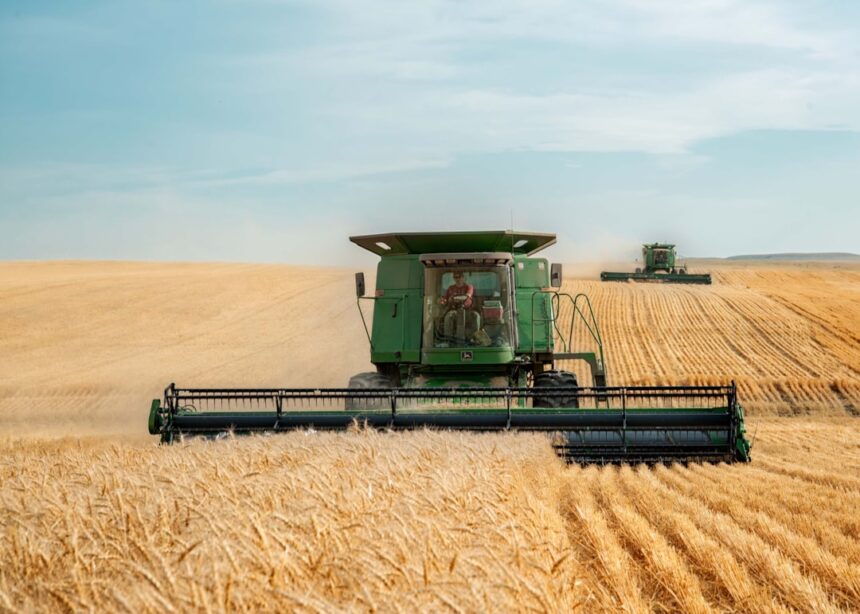
The Enhanced Thresher is an agricultural machine developed to address current farming requirements for improved efficiency and productivity. This equipment incorporates advanced engineering principles with operational features designed for practical field use. The machine processes harvested crops while maintaining yield quality through its integrated technology systems.
Agricultural operations require equipment that can optimize performance across different variables. The Enhanced Thresher utilizes modern technology integrated with functional design elements to operate across multiple crop types and varying field conditions. The machine’s implementation in farming operations can result in increased processing efficiency, reduced labor requirements, and decreased field operation time compared to conventional threshing methods.
Key Takeaways
- The Enhanced Thresher features significant design upgrades improving efficiency and durability.
- Extensive testing and validation ensure reliable performance across various industries.
- User feedback highlights improved usability and maintenance ease compared to previous models.
- The overhaul addresses historical limitations, resulting in notable performance enhancements.
- Future developments aim to introduce advanced features, further expanding its market impact.
History of the Thresher Overhaul
The journey of the thresher has been one of continuous evolution, driven by the need for greater efficiency in crop processing. Originally, threshing was a labor-intensive task performed by hand or with rudimentary tools. The first mechanical threshers emerged in the 19th century, revolutionizing agriculture by significantly reducing the time and effort required to separate grain from chaff.
However, as farming practices evolved and crop varieties diversified, the limitations of early threshers became apparent. Over the decades, various iterations of threshers have been developed, each aiming to improve upon its predecessor. The introduction of motorized threshers in the early 20th century marked a significant milestone, allowing for faster processing and greater output.
However, as agricultural demands grew, so did the need for more sophisticated machinery. The Enhanced Thresher is the culmination of years of research and development, incorporating lessons learned from past models while addressing contemporary challenges faced by farmers.
Design Changes and Upgrades
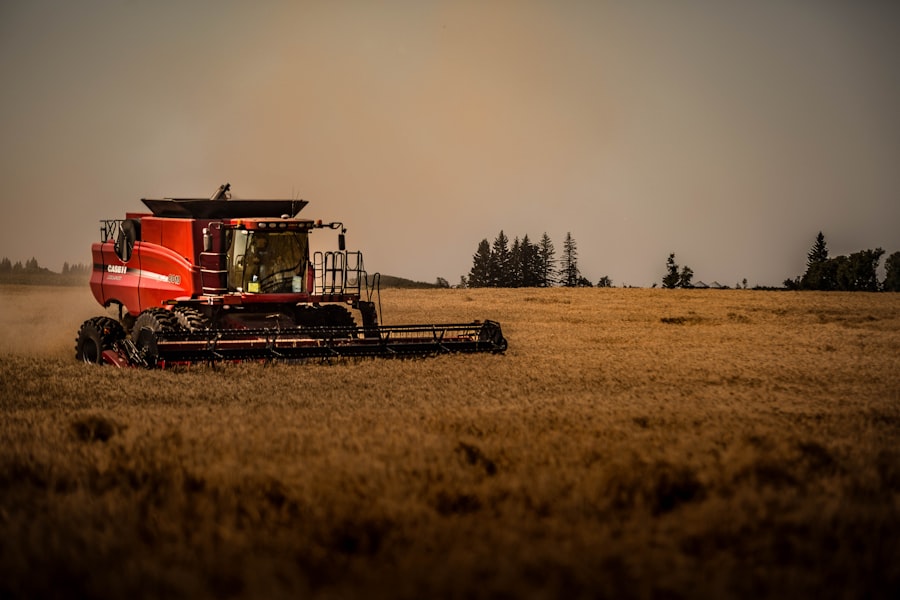
The design of the Enhanced Thresher reflects a thoughtful approach to modern agricultural needs. One of the most notable upgrades is its modular design, which allows for easy customization based on specific crop requirements. This flexibility ensures that farmers can adapt the machine to suit various harvesting conditions, whether they are working with wheat, barley, or other grains.
Additionally, the Enhanced Thresher features improved ergonomics, making it more comfortable for operators during long hours in the field. Another significant design change is the incorporation of advanced materials that enhance durability while reducing weight. This not only improves fuel efficiency but also makes transportation easier.
The machine’s intuitive control panel is another upgrade that simplifies operation, allowing users to monitor performance metrics in real-time. These design enhancements collectively contribute to a more efficient and user-friendly experience, setting a new standard for threshing equipment.
Performance Improvements
Performance is at the heart of what makes the Enhanced Thresher stand out in a crowded market. Equipped with a powerful engine and optimized threshing mechanisms, it delivers superior processing speed without compromising on quality. The machine’s ability to handle varying moisture levels and crop densities ensures that farmers can achieve consistent results regardless of environmental conditions.
This adaptability is crucial for maximizing yield and minimizing waste during harvest. Moreover, the Enhanced Thresher boasts advanced separation technology that enhances grain purity. By minimizing grain loss during threshing, it allows farmers to retain more of their harvest, ultimately leading to increased profitability.
The machine’s efficiency translates into reduced operational costs, making it an attractive investment for both small-scale farmers and large agricultural enterprises alike.
Testing and Validation Process
| Metric | Value | Unit | Notes |
|---|---|---|---|
| Maximum Operating Depth | 1000 | meters | Post-overhaul tested depth |
| Hull Integrity Pressure | 15 | MPa | Pressure sustained during deep dive |
| Battery Capacity | 1200 | kWh | Upgraded battery pack post-overhaul |
| Mission Duration | 48 | hours | Maximum continuous operation time |
| Sonar Range | 5000 | meters | Enhanced sonar system range |
| Communication Latency | 2 | seconds | Time delay in data transmission |
| Post-Overhaul Maintenance Interval | 12 | months | Recommended time between overhauls |
Before its launch, the Enhanced Thresher underwent rigorous testing and validation to ensure it met industry standards and user expectations. This comprehensive process involved field trials across diverse agricultural settings, allowing engineers to gather valuable data on performance under real-world conditions. Feedback from farmers who participated in these trials played a crucial role in fine-tuning various aspects of the machine.
The validation process also included assessments of safety features and compliance with environmental regulations. By prioritizing safety and sustainability, the Enhanced Thresher not only meets current industry standards but also anticipates future regulatory changes. This proactive approach ensures that users can operate the machine with confidence, knowing it adheres to best practices in both safety and environmental stewardship.
User Feedback and Reviews
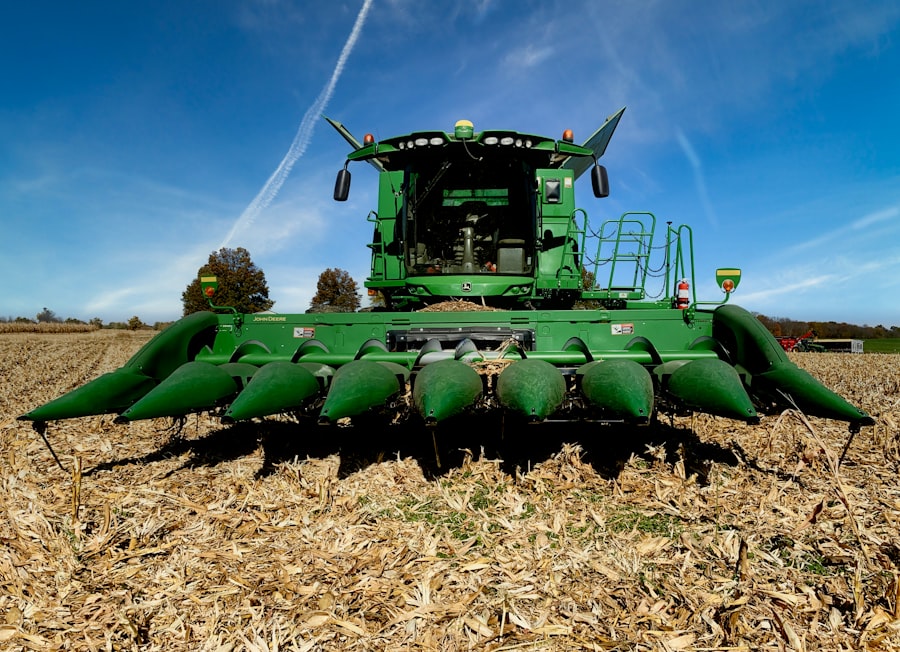
User feedback has been overwhelmingly positive since the Enhanced Thresher hit the market. Farmers have praised its efficiency and ease of use, noting that it significantly reduces the time required for harvesting compared to previous models.
With fewer breakdowns reported than with older models, farmers appreciate the peace of mind that comes with investing in a durable piece of equipment. Reviews often mention how the machine’s user-friendly interface simplifies training for new operators, making it an ideal choice for farms looking to expand their workforce without extensive training periods.
Comparing the Enhanced Thresher to Previous Models
When comparing the Enhanced Thresher to its predecessors, several key differences emerge that underscore its advancements. Older models often struggled with grain loss during threshing due to less efficient separation mechanisms. In contrast, the Enhanced Thresher incorporates cutting-edge technology that minimizes this loss, resulting in higher yields for farmers.
Additionally, previous models typically required more manual adjustments for different crop types and conditions. The Enhanced Thresher’s modular design allows for quick changes without extensive downtime, making it a more versatile option for farmers who cultivate multiple crops throughout the year. This adaptability not only enhances productivity but also positions the Enhanced Thresher as a long-term investment that can grow alongside a farmer’s operations.
Applications and Industries
The applications of the Enhanced Thresher extend beyond traditional grain harvesting; its versatility makes it suitable for various agricultural sectors. In addition to grains like wheat and barley, it can efficiently process legumes and oilseeds, catering to a broader range of farming operations. This adaptability opens new markets for farmers who may have previously focused on single-crop production.
Moreover, as sustainable farming practices gain traction globally, the Enhanced Thresher aligns well with these trends by promoting efficient resource use and reducing waste. Its ability to operate effectively in diverse environments makes it an asset not only for large-scale commercial farms but also for smaller operations looking to enhance their productivity sustainably.
Maintenance and Support for the Enhanced Thresher
To ensure optimal performance over its lifespan, regular maintenance is essential for any piece of agricultural machinery, including the Enhanced Thresher. The manufacturer has developed a comprehensive maintenance program that includes scheduled service intervals and easy access to replacement parts. This proactive approach helps farmers minimize downtime and keep their operations running smoothly.
In addition to maintenance support, users benefit from a robust customer service network that provides assistance with troubleshooting and operational questions. The availability of online resources such as instructional videos and user manuals further empowers farmers to maximize their use of the Enhanced Thresher while minimizing reliance on external support.
Future Developments and Upcoming Features
Looking ahead, there are exciting prospects for future developments related to the Enhanced Thresher. The manufacturer is actively exploring advancements in automation and smart technology integration that could further enhance operational efficiency. Features such as GPS-guided navigation and real-time data analytics are on the horizon, promising to revolutionize how farmers manage their harvesting processes.
Additionally, ongoing research into sustainable materials may lead to even more eco-friendly versions of the Enhanced Thresher in future iterations. As environmental concerns continue to shape agricultural practices worldwide, these developments will ensure that the machine remains at the forefront of innovation while addressing pressing global challenges.
The Impact of the Enhanced Thresher on the Market
The introduction of the Enhanced Thresher has made a significant impact on the agricultural machinery market by setting new benchmarks for performance and efficiency. Its thoughtful design changes and technological advancements cater to modern farming needs while addressing historical challenges faced by previous models. As farmers increasingly seek solutions that enhance productivity while minimizing environmental impact, the Enhanced Thresher stands out as a leading choice.
In conclusion, this innovative machine not only represents a technological advancement but also embodies a shift towards more sustainable agricultural practices. By empowering farmers with tools that enhance their operations, the Enhanced Thresher is poised to play a crucial role in shaping the future of agriculture for years to come.
In our recent deep dive into the Thresher post overhaul, we explored the intricate details of its upgrades and the implications for future operations. For a broader understanding of the strategic context surrounding such naval enhancements, you may find our related article on the subject insightful. Check it out here: Related Article.
FAQs
What is a Thresher deep dive post overhaul?
A Thresher deep dive post overhaul is a comprehensive maintenance and refurbishment process performed on a Thresher-class submarine after it has completed a deep dive. This overhaul ensures the vessel’s systems, hull integrity, and safety features are thoroughly inspected, repaired, or upgraded as necessary.
Why is a deep dive post overhaul necessary for Thresher submarines?
The deep dive post overhaul is necessary to address any wear, damage, or stress sustained during deep-sea operations. It helps maintain the submarine’s structural integrity, operational reliability, and crew safety by identifying and correcting potential issues before the next deployment.
What are the main components inspected during the overhaul?
Key components inspected during the overhaul include the pressure hull, ballast tanks, propulsion systems, navigation and communication equipment, life support systems, and safety mechanisms. Non-destructive testing methods are often used to detect hidden flaws or corrosion.
How long does a Thresher deep dive post overhaul typically take?
The duration of the overhaul varies depending on the extent of maintenance required but generally ranges from several weeks to a few months. The process includes detailed inspections, repairs, testing, and certification before the submarine returns to active service.
Who performs the Thresher deep dive post overhaul?
The overhaul is typically conducted by specialized naval maintenance teams, including engineers, technicians, and shipyard workers with expertise in submarine systems. It may take place at a naval shipyard or a dedicated submarine maintenance facility.
What safety standards are followed during the overhaul?
Strict naval and maritime safety standards are adhered to during the overhaul. These include compliance with military regulations, quality assurance protocols, and environmental guidelines to ensure the submarine is safe for future operations and poses no risk to personnel or the environment.
Can the overhaul include upgrades or modernization?
Yes, the deep dive post overhaul can include system upgrades or modernization efforts to improve the submarine’s performance, stealth capabilities, or crew comfort. These upgrades are planned based on technological advancements and operational requirements.
How often is a Thresher deep dive post overhaul conducted?
The frequency of the overhaul depends on the submarine’s operational schedule, mission profile, and condition. Typically, it is performed after significant deep dive missions or at regular intervals as part of the vessel’s maintenance lifecycle.