In the complex landscape of modern operations, the interplay between decision room intelligence and crew safety has emerged as a critical focal point. Decision room intelligence refers to the systematic collection, analysis, and dissemination of information that aids in making informed choices during operations. This intelligence is vital for ensuring that decisions are not only timely but also grounded in accurate data.
On the other hand, crew safety encompasses the measures and protocols designed to protect personnel from harm while they execute their tasks. The significance of these two elements cannot be overstated; they are interdependent and play a pivotal role in the success of any operation. The importance of decision room intelligence lies in its ability to streamline processes, enhance situational awareness, and facilitate proactive decision-making.
However, this intelligence must be balanced with a steadfast commitment to crew safety. When decision-makers prioritize data-driven insights without considering the implications for personnel safety, they risk jeopardizing the well-being of their teams. Thus, understanding how to harmonize these two aspects is essential for achieving operational excellence and fostering a culture of safety.
Key Takeaways
- Decision room intelligence is crucial for efficient operations but must be balanced with crew safety to ensure overall success.
- Crew safety directly impacts the sustainability and effectiveness of any project or operation.
- Clear communication and collaboration between decision room personnel and crew members are essential for balancing intelligence and safety.
- Implementing safety protocols and ongoing training helps mitigate risks while enhancing decision-making capabilities.
- Leveraging technology and data analysis can improve decision room intelligence without compromising crew safety.
The role of decision room intelligence in ensuring efficient operations and decision-making
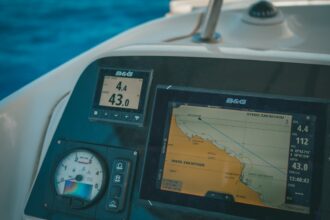
Decision room intelligence serves as the backbone of efficient operations across various industries. By harnessing real-time data and analytics, organizations can make informed decisions that enhance productivity and minimize risks. For instance, in sectors such as aviation or maritime operations, decision rooms equipped with advanced technology can monitor multiple variables simultaneously, allowing for quick responses to changing conditions.
This capability not only improves operational efficiency but also ensures that decisions are made based on the most current information available. Moreover, decision room intelligence fosters a culture of accountability and transparency. When teams have access to comprehensive data, they can track performance metrics and identify areas for improvement.
This transparency encourages collaboration among team members, as everyone is working from the same set of facts. In this way, decision room intelligence not only streamlines operations but also cultivates an environment where informed decision-making is the norm rather than the exception.
The impact of crew safety on the overall success and sustainability of a project or operation

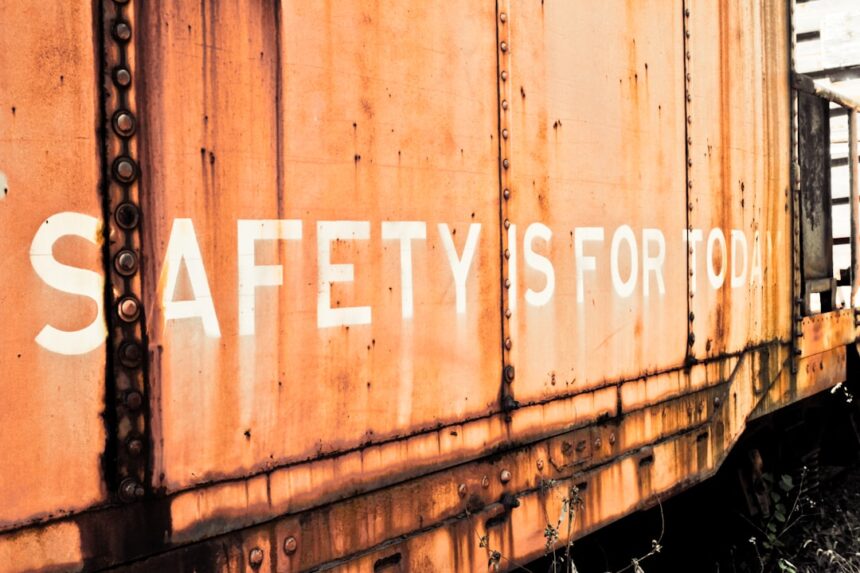
Crew safety is not merely a regulatory requirement; it is a fundamental component of operational success and sustainability. When personnel feel safe and secure in their work environment, they are more likely to perform at their best. This heightened sense of security translates into increased productivity, reduced absenteeism, and lower turnover rates.
In contrast, neglecting crew safety can lead to accidents, injuries, and even fatalities, which can have devastating consequences for both individuals and organizations. Furthermore, prioritizing crew safety contributes to the long-term sustainability of projects and operations. Organizations that invest in robust safety protocols often find that they enjoy enhanced reputations and stronger relationships with stakeholders.
Clients and partners are more likely to engage with companies that demonstrate a commitment to safety, as it reflects a broader dedication to ethical practices and corporate responsibility. Thus, crew safety is not just an operational concern; it is a strategic imperative that influences an organization’s overall success.
Identifying potential conflicts between decision room intelligence and crew safety
While decision room intelligence and crew safety are both essential components of successful operations, conflicts can arise when the two are not aligned. One potential conflict occurs when decision-makers prioritize efficiency over safety. For example, in an effort to meet tight deadlines or reduce costs, leaders may make decisions that compromise safety protocols.
Another area of conflict can stem from miscommunication or a lack of understanding between decision room personnel and crew members. If those in the decision room are disconnected from the realities faced by crew members on the ground, they may make decisions that do not take into account the practical implications for safety.
This disconnect can lead to frustration among crew members who feel that their concerns are not being heard or valued. Recognizing these potential conflicts is the first step toward finding solutions that harmonize decision-making with safety considerations.
Strategies for balancing decision room intelligence with crew safety
| Metric | Decision Room Intelligence | Crew Safety |
|---|---|---|
| Response Time to Emergencies | Average 2 minutes | Average 5 minutes |
| Accuracy of Risk Assessment | 95% | 85% |
| Number of Incidents Prevented | 120 per year | 80 per year |
| Communication Efficiency | 98% message delivery success | 90% message delivery success |
| Decision-Making Speed | Average 30 seconds | Average 2 minutes |
| Training Hours per Personnel | 40 hours/year | 60 hours/year |
| Use of Predictive Analytics | High (AI-driven models) | Moderate (manual checks) |
| Incident Reporting Accuracy | 99% | 92% |
To effectively balance decision room intelligence with crew safety, organizations must adopt a multifaceted approach that prioritizes both elements equally. One effective strategy is to establish clear protocols that integrate safety considerations into the decision-making process. This could involve creating a framework where safety assessments are conducted alongside operational analyses, ensuring that decisions are made with both efficiency and safety in mind.
Additionally, fostering a culture of open communication is crucial for achieving this balance. Decision-makers should actively seek input from crew members regarding safety concerns and operational challenges. By involving frontline personnel in the decision-making process, organizations can gain valuable insights that enhance both operational efficiency and crew safety.
This collaborative approach not only empowers crew members but also reinforces their commitment to maintaining a safe working environment.
The importance of clear communication and collaboration between decision room personnel and crew members

Clear communication between decision room personnel and crew members is paramount for ensuring that both decision-making processes and safety protocols are effectively aligned. When communication channels are open and transparent, it allows for the free flow of information regarding operational conditions, potential hazards, and safety concerns. This exchange of information is vital for making informed decisions that prioritize both efficiency and safety.
Collaboration between these two groups can take many forms, from regular briefings to joint training sessions.
This collaboration not only enhances situational awareness but also builds trust among team members, ultimately leading to improved outcomes in both decision-making and crew safety.
Implementing safety protocols and procedures to mitigate risks while maximizing decision room intelligence
Implementing robust safety protocols is essential for mitigating risks while maximizing the benefits of decision room intelligence. Organizations should develop comprehensive safety procedures that are regularly reviewed and updated based on evolving operational needs and technological advancements. These protocols should be designed to complement decision-making processes rather than hinder them.
For instance, organizations can utilize technology such as predictive analytics to identify potential risks before they escalate into serious issues. By integrating these insights into the decision-making process, leaders can make informed choices that prioritize crew safety while still achieving operational goals. Additionally, conducting regular drills and training sessions can help ensure that all personnel are familiar with safety protocols and understand their roles in maintaining a safe working environment.
Training and education for decision room personnel and crew members on the importance of balancing intelligence with safety
Training and education play a crucial role in fostering an understanding of how to balance decision room intelligence with crew safety. Organizations should invest in comprehensive training programs that emphasize the importance of both elements in achieving operational success. These programs should cover topics such as risk assessment, emergency response procedures, and effective communication strategies.
Moreover, ongoing education is essential for keeping personnel informed about new technologies and best practices related to decision-making and safety. By providing continuous learning opportunities, organizations can ensure that both decision room personnel and crew members remain equipped with the knowledge necessary to navigate complex operational challenges while prioritizing safety.
Utilizing technology and data analysis to enhance decision room intelligence while prioritizing crew safety
The integration of technology and data analysis into decision-making processes has revolutionized how organizations operate. Advanced tools such as artificial intelligence (AI), machine learning, and real-time data analytics enable decision-makers to access critical information quickly and efficiently. However, it is essential that these technological advancements are utilized with a focus on crew safety.
For example, organizations can leverage data analytics to identify patterns related to accidents or near-misses within their operations. By analyzing this data, leaders can implement targeted interventions aimed at reducing risks while still benefiting from enhanced decision-making capabilities. Additionally, technology can facilitate better communication between decision rooms and crews by providing real-time updates on operational conditions or potential hazards.
Case studies and examples of successful integration of decision room intelligence and crew safety
Numerous organizations have successfully integrated decision room intelligence with crew safety through innovative practices and strategies. One notable example is found in the aviation industry, where airlines have implemented advanced flight data monitoring systems that provide real-time insights into aircraft performance while simultaneously prioritizing pilot and passenger safety. These systems allow for proactive maintenance decisions based on data analysis, reducing the likelihood of mechanical failures while ensuring safe flight operations.
Another example can be seen in offshore oil drilling operations, where companies have adopted integrated operations centers (IOCs) that combine real-time data analysis with comprehensive safety protocols. These centers facilitate collaboration between engineers, geologists, and field crews, enabling them to make informed decisions based on accurate data while maintaining a strong focus on crew welfare. Such case studies illustrate how organizations can achieve operational excellence by harmonizing decision room intelligence with robust safety measures.
The ongoing importance of prioritizing crew safety while optimizing decision room intelligence for successful operations
In conclusion, the relationship between decision room intelligence and crew safety is one that requires careful consideration and ongoing attention. As organizations strive for operational efficiency in an increasingly complex environment, they must not lose sight of the fundamental importance of protecting their personnel. By recognizing the interdependence of these two elements, leaders can create a culture that values both data-driven insights and the well-being of their teams.
The journey toward achieving this balance involves implementing effective strategies, fostering open communication, investing in training, and leveraging technology to enhance both decision-making capabilities and safety protocols. Ultimately, prioritizing crew safety while optimizing decision room intelligence will not only lead to successful operations but also contribute to a sustainable future for organizations across various industries.
In the ongoing discussion about the balance between decision room intelligence and crew safety, it’s essential to consider the insights provided in related articles. For a deeper understanding of how strategic decision-making impacts operational safety, you can read more in this article on Decision Room Dynamics. This resource explores the intricate relationship between intelligence gathering and the safety protocols that protect crew members in high-stakes environments.
FAQs
What is decision room intelligence?
Decision room intelligence refers to the use of advanced technologies, data analytics, and communication systems within a centralized control room to support real-time decision-making processes. It often involves integrating information from various sources to enhance situational awareness and operational efficiency.
How does decision room intelligence impact crew safety?
Decision room intelligence can improve crew safety by providing timely and accurate information, enabling quicker responses to emergencies, and facilitating better coordination among team members. It helps in identifying potential hazards and managing risks more effectively.
What technologies are commonly used in decision room intelligence?
Common technologies include data visualization tools, artificial intelligence (AI), machine learning algorithms, real-time monitoring systems, communication networks, and decision support software. These tools help process large volumes of data and present actionable insights.
What are the challenges of implementing decision room intelligence for crew safety?
Challenges include ensuring data accuracy, integrating diverse data sources, maintaining cybersecurity, training personnel to use new systems effectively, and balancing automation with human judgment to avoid over-reliance on technology.
Can decision room intelligence replace human decision-making in crew safety?
No, decision room intelligence is designed to support and enhance human decision-making, not replace it. Human expertise and judgment remain critical, especially in complex or unforeseen situations where contextual understanding is essential.
In which industries is decision room intelligence most commonly applied for crew safety?
Industries such as maritime, aviation, oil and gas, emergency response, and manufacturing frequently use decision room intelligence to monitor operations and ensure the safety of their crews.
How does decision room intelligence contribute to emergency response?
It enables rapid assessment of situations, coordination of resources, and communication among responders, which helps in minimizing risks and improving the effectiveness of emergency interventions.
What role does training play in maximizing the benefits of decision room intelligence?
Training ensures that personnel understand how to interpret data, operate decision support systems, and make informed decisions. Proper training is essential to leverage technology effectively and maintain crew safety.
Is decision room intelligence cost-effective for improving crew safety?
While initial investments can be significant, decision room intelligence often leads to cost savings by preventing accidents, reducing downtime, and improving operational efficiency, making it a cost-effective solution in the long term.
How is data privacy handled in decision room intelligence systems?
Data privacy is managed through secure data storage, encryption, access controls, and compliance with relevant regulations to protect sensitive information related to crew members and operations.