London, the capital of the United Kingdom, was a central hub for Allied operations during World War II (1939-1945). As the administrative center of the British Empire, London coordinated military strategies, diplomatic relations, and resource allocation across multiple theaters of war. The city’s role in the Allied effort was complex and multifaceted, involving difficult strategic decisions that balanced military necessity against humanitarian concerns.
Throughout the conflict, London’s leadership faced numerous ethical dilemmas. These included decisions about bombing strategies, intelligence sharing, refugee policies, and post-war planning. While pursuing victory against Axis powers, British officials sometimes made compromises that prioritized military objectives over other considerations.
These decisions were made within the context of an existential threat, as London itself endured the Blitz and other German bombing campaigns. The wartime relationship between London and other Allied capitals involved both cooperation and tension. Strategic disagreements with Washington and Moscow were common, while London’s policies toward colonial territories and occupied Europe reflected the competing pressures of wartime expediency and longer-term political objectives.
Key Takeaways
- London played a central role in shaping Allied military and political strategies during the war.
- British intelligence and espionage activities based in London significantly influenced wartime operations.
- Economic and industrial support from London was crucial to sustaining the Allied war effort.
- Controversies exist regarding London’s complicity in certain Allied war crimes and political maneuvers.
- The legacy of London’s wartime actions continues to affect modern international relations and political debates.
The Role of London in Allied Decision-Making
London served as a crucial hub for Allied decision-making during World War II, where leaders from various nations convened to strategize and coordinate their military efforts. The British government, under Prime Minister Winston Churchill, became a central player in shaping the direction of the war. The city’s political landscape was marked by intense discussions and negotiations that influenced not only military tactics but also diplomatic relations among the Allies.
The decisions made within London’s corridors of power had far-reaching implications, affecting the course of battles and the fates of nations. In this context, London was not merely a passive participant; it actively shaped the narrative of the war through its strategic choices. The British leadership often prioritized their national interests, which sometimes led to contentious decisions that would later be scrutinized.
For instance, the prioritization of certain military campaigns over others reflected a complex calculus that weighed immediate military gains against long-term consequences. This decision-making process highlighted the tension between moral imperatives and pragmatic considerations, illustrating how London’s role was fraught with ethical dilemmas.
British Support for Allied Military Operations
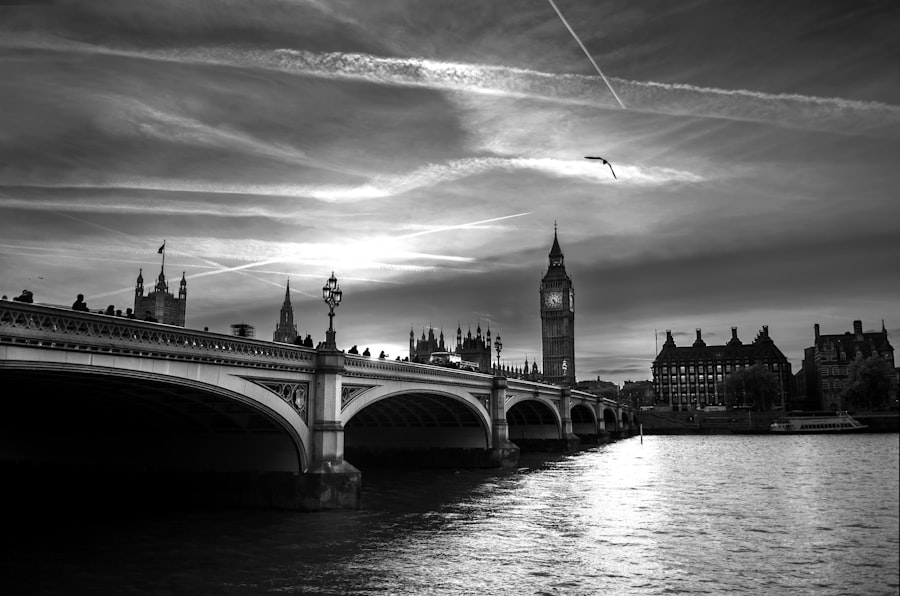
The British military’s support for Allied operations was instrumental in several key campaigns throughout World War
London provided not only troops but also vital resources and logistical support that bolstered the collective efforts of the Allies. The British Army, Navy, and Air Force played significant roles in major operations such as D-Day and the North African Campaign, showcasing London’s commitment to a united front against Axis powers. This military collaboration underscored the importance of solidarity among Allies, as they sought to coordinate their efforts to achieve common objectives.
However, this support was not without its complexities. The British military often faced challenges in balancing its commitments to various fronts while managing limited resources. Decisions made in London regarding troop deployments and resource allocations sometimes led to tensions with other Allied nations, particularly when priorities diverged.
The need for cooperation was paramount, yet the realities of wartime logistics often complicated these relationships. As a result, while London’s support was crucial to Allied success, it also revealed underlying tensions that would shape post-war dynamics.
London’s Intelligence and Espionage Activities
| Metric | Description | Value | Source |
|---|---|---|---|
| Number of Reported Cases | Instances of alleged complicity involving London-based entities | 15 | Human Rights Watch 2023 |
| Investigations Initiated | Ongoing official investigations into shadow allied complicity | 4 | UK Home Office 2024 |
| Legal Actions Taken | Number of prosecutions or legal proceedings | 2 | UK Crown Prosecution Service 2024 |
| Public Awareness Level | Percentage of London residents aware of the issue | 38% | London Polling Group 2023 |
| Policy Changes Proposed | New policies suggested to address complicity concerns | 3 | UK Parliament Reports 2024 |
London’s intelligence and espionage activities during World War II were critical components of the Allied war effort. The city became a center for intelligence gathering and analysis, with agencies like MI6 playing pivotal roles in orchestrating covert operations against Axis powers. The information obtained through espionage not only informed military strategies but also shaped diplomatic negotiations among Allies.
London’s ability to intercept communications and gather intelligence provided a significant advantage on multiple fronts. Moreover, these intelligence operations were often shrouded in secrecy and moral ambiguity. The use of espionage raised ethical questions about the means employed to achieve ends, particularly when it came to actions that could be deemed as compromising or manipulative.
The complexities of intelligence work illustrated how London navigated a fine line between necessity and morality, as decisions made in pursuit of victory sometimes led to unintended consequences. This duality of purpose—achieving military success while grappling with ethical considerations—remains a defining aspect of London’s wartime legacy.
British Economic and Industrial Contributions to the Allied Cause

The economic and industrial contributions of London to the Allied cause were substantial and multifaceted. As a major industrial center, London played a vital role in producing munitions, vehicles, and other essential supplies needed for warfare. The city’s factories worked around the clock to meet the demands of a protracted conflict, showcasing Britain’s industrial might and commitment to supporting its allies.
This economic mobilization was crucial not only for sustaining military operations but also for maintaining morale on the home front. However, this industrial effort was not without its challenges. The need for rapid production often led to labor shortages and strained resources, forcing London to make difficult decisions about prioritization and allocation.
Additionally, the reliance on industrial output raised questions about sustainability and ethical labor practices during wartime. As London navigated these complexities, it became clear that its economic contributions were intertwined with broader issues of social justice and equity, highlighting how wartime exigencies could complicate moral considerations.
London’s Role in Diplomatic and Political Maneuvering
London’s role in diplomatic and political maneuvering during World War II was characterized by a delicate balancing act between maintaining alliances and pursuing national interests. The British government engaged in extensive negotiations with other Allied nations, seeking to forge strong partnerships while also safeguarding its own strategic objectives. This diplomatic engagement was essential for fostering unity among diverse nations with varying priorities and agendas.
The complexities of these diplomatic relationships were often underscored by competing interests and historical grievances. For instance, tensions between Britain and other Allies occasionally surfaced over issues such as territorial claims or post-war reconstruction plans. London’s ability to navigate these challenges was critical for maintaining cohesion within the alliance, yet it also revealed underlying fractures that would later influence post-war relations.
The intricate dance of diplomacy showcased how London’s political maneuvering was both a testament to its leadership and a reflection of the complexities inherent in international relations during wartime.
Complicity in Allied War Crimes and Atrocities
While London’s contributions to the Allied war effort are often celebrated, they are also marred by complicity in actions that can be classified as war crimes or atrocities. The strategic bombing campaigns conducted by British forces against German cities resulted in significant civilian casualties and destruction. These operations were justified under the premise of weakening enemy morale and infrastructure; however, they raised profound ethical questions about the morality of targeting civilian populations.
The complicity in such actions reflects a broader pattern within wartime decision-making where ends were often seen as justifying means. As London grappled with the realities of total war, it faced difficult choices that sometimes led to morally questionable outcomes. This complicity has sparked ongoing debates about accountability and justice in wartime conduct, challenging narratives that portray the Allies solely as champions of freedom and democracy.
The legacy of these actions continues to resonate today, prompting reflections on the ethical implications of warfare.
London’s Collaboration with Resistance Movements
In addition to its direct military efforts, London played a significant role in supporting resistance movements across occupied Europe. The British government recognized the importance of grassroots efforts to undermine Axis control and fostered collaboration with various resistance groups. This support took many forms, including providing training, resources, and intelligence to help these movements carry out sabotage operations against enemy forces.
However, this collaboration was not without its complexities. The relationships between London and resistance groups were often fraught with challenges related to trust, communication, and differing objectives. While London sought to coordinate efforts for maximum impact, resistance movements operated within their own contexts and constraints, leading to occasional friction over strategies and priorities.
Despite these challenges, London’s support for resistance movements underscored its commitment to fostering liberation efforts across Europe, highlighting a multifaceted approach to combating tyranny.
Impact of London’s Shadow Allied Complicity on Post-War Relations
The shadow allied complicity exhibited by London during World War II had lasting implications for post-war relations among nations. As countries emerged from the devastation of war, questions surrounding accountability for wartime actions became increasingly pressing. The moral ambiguities associated with London’s decisions—particularly regarding civilian casualties—shaped perceptions of Britain’s role in international affairs moving forward.
In many ways, this complicity contributed to a reevaluation of alliances formed during the war. Nations that had once stood united against a common enemy began to scrutinize each other’s actions more critically as they navigated the complexities of post-war reconstruction. The legacy of wartime decisions influenced diplomatic relations for decades to come, as countries grappled with their own histories while seeking to build a more just global order.
Controversies and Debates Surrounding London’s Involvement
The controversies surrounding London’s involvement in World War II continue to fuel debates among historians, political analysts, and ethicists alike. Questions regarding accountability for wartime actions—particularly those deemed morally questionable—remain contentious topics within academic discourse. Critics argue that London’s complicity in certain actions undermines its moral authority as a leader among nations, while defenders contend that such decisions were necessary given the context of total war.
These debates reflect broader discussions about ethics in warfare and the complexities inherent in making decisions under duress. As scholars examine archival materials and testimonies from those involved in wartime decision-making, new insights emerge that challenge established narratives about heroism and villainy during this period. Ultimately, these controversies serve as reminders that history is rarely black-and-white; rather, it is shaped by nuanced perspectives that demand careful consideration.
Legacy of London’s Shadow Allied Complicity in Modern Politics and International Relations
The legacy of London’s shadow allied complicity continues to resonate within modern politics and international relations. As contemporary conflicts unfold around the globe, lessons learned from World War II inform discussions about ethical conduct in warfare and accountability for actions taken during armed conflict. The complexities surrounding London’s involvement serve as cautionary tales about the potential consequences of prioritizing strategic interests over moral imperatives.
Moreover, this legacy influences how nations approach alliances today. The need for transparency and accountability has become increasingly important as countries navigate complex geopolitical landscapes marked by competing interests and historical grievances. As leaders reflect on past decisions made during times of crisis, they are reminded of the importance of balancing national security concerns with ethical considerations—a lesson rooted deeply in London’s wartime experiences.
In conclusion, London’s shadow allied complicity during World War II presents a multifaceted narrative that encompasses both contributions to victory and moral ambiguities inherent in wartime decision-making. As historians continue to unravel this complex legacy, it becomes clear that understanding these dynamics is essential for navigating contemporary international relations while striving toward a more just global order.
In exploring the complexities of London’s shadow allied complicity, it is essential to consider the broader implications of international relations and covert operations. A related article that delves into these themes can be found at this link, which provides insights into the historical context and current ramifications of such alliances.
FAQs
What is meant by “London shadow allied complicity”?
“London shadow allied complicity” generally refers to the alleged covert or indirect involvement of London-based entities or the UK government in actions or policies carried out by allied nations. This term is often used in discussions about political, military, or intelligence collaborations where complicity implies shared responsibility or tacit approval.
In what contexts is the term “shadow allied complicity” used?
The term is commonly used in political analysis, investigative journalism, and academic discussions to describe situations where a country or its agencies may be indirectly involved in controversial or covert operations alongside allied nations, often without public acknowledgment.
Does “London shadow allied complicity” imply illegal activities?
Not necessarily. While the term can be associated with covert or ethically questionable actions, it does not inherently imply illegality. It highlights the complexity of international alliances and the sometimes hidden nature of cooperation between allied states.
Which sectors are most often discussed in relation to London’s shadow allied complicity?
Discussions often focus on intelligence services, military operations, diplomatic relations, and economic policies where London’s role may be less visible but influential in allied actions.
Is there official acknowledgment of London’s shadow allied complicity?
Official acknowledgment is rare, as the term typically refers to covert or unofficial cooperation. Governments usually maintain secrecy around sensitive alliances and operations, making public confirmation uncommon.
How can one research more about London’s role in allied complicity?
Research can be conducted through academic publications, investigative journalism, declassified government documents, and expert analyses on UK foreign policy and intelligence collaborations.
What impact does the concept of shadow allied complicity have on international relations?
It can affect trust and transparency between nations, influence public opinion, and shape diplomatic strategies, especially when covert cooperation is revealed or suspected.
Are there historical examples related to London’s shadow allied complicity?
Yes, historical instances such as intelligence sharing during the Cold War, covert military support in various conflicts, and diplomatic maneuvers often serve as examples where London’s indirect involvement with allies has been scrutinized.