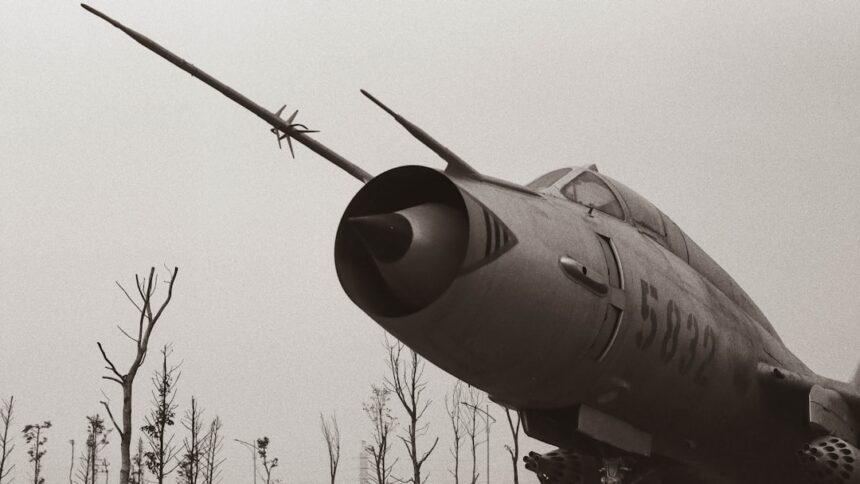
The Cold War was a period of geopolitical tension between the Soviet Union and the United States that lasted from 1947 to 1991. This era was defined by ideological competition, proxy conflicts, and nuclear deterrence strategies that fundamentally altered international relations throughout the second half of the 20th century.
The United States implemented a containment policy, formally articulated in the Truman Doctrine of 1947, which aimed to prevent the expansion of Soviet influence and communist ideology. This strategy encompassed military alliances such as NATO, economic initiatives like the Marshall Plan, and diplomatic efforts to support non-communist governments worldwide. The Soviet Union pursued a counter-strategy focused on expanding its sphere of influence through support for communist movements, establishment of satellite states in Eastern Europe, and backing revolutionary groups in developing nations.
This approach was guided by Marxist-Leninist ideology and the belief that capitalism would eventually collapse, allowing for global communist expansion. These competing strategies resulted in numerous proxy wars, arms races, and diplomatic crises, including the Korean War, Cuban Missile Crisis, and Vietnam War, while avoiding direct military confrontation between the superpowers due to the threat of nuclear warfare.
Key Takeaways
- Cold War doctrine centered on nuclear deterrence and ideological rivalry between superpowers.
- Proxy wars were a key method for indirect conflict, influencing global alliances and regional stability.
- Propaganda and information warfare played crucial roles in shaping public perception and diplomatic relations.
- Economic sanctions became a strategic tool to weaken adversaries without direct military engagement.
- Elements of Cold War strategy and ideology continue to influence modern international politics and military planning.
The Role of Nuclear Weapons
Nuclear weapons played a pivotal role in shaping the dynamics of the Cold War. The development and stockpiling of these weapons created a precarious balance of power known as Mutually Assured Destruction (MAD). Both superpowers recognized that any direct military confrontation could lead to catastrophic consequences, thus leading to a tense stalemate.
The existence of nuclear arsenals not only deterred direct conflict but also influenced military strategies and diplomatic negotiations throughout the Cold War. The arms race that ensued between the United States and the Soviet Union was marked by significant advancements in nuclear technology. Each side sought to outpace the other in terms of both quantity and quality of nuclear weapons, leading to an escalation of tensions.
The Cuban Missile Crisis in 1962 exemplified how close the world came to nuclear war, as both nations stood on the brink of disaster. This event underscored the importance of nuclear weapons in Cold War doctrine, as they became both a tool for deterrence and a source of fear that permeated global consciousness.
Proxy Wars and Global Conflict
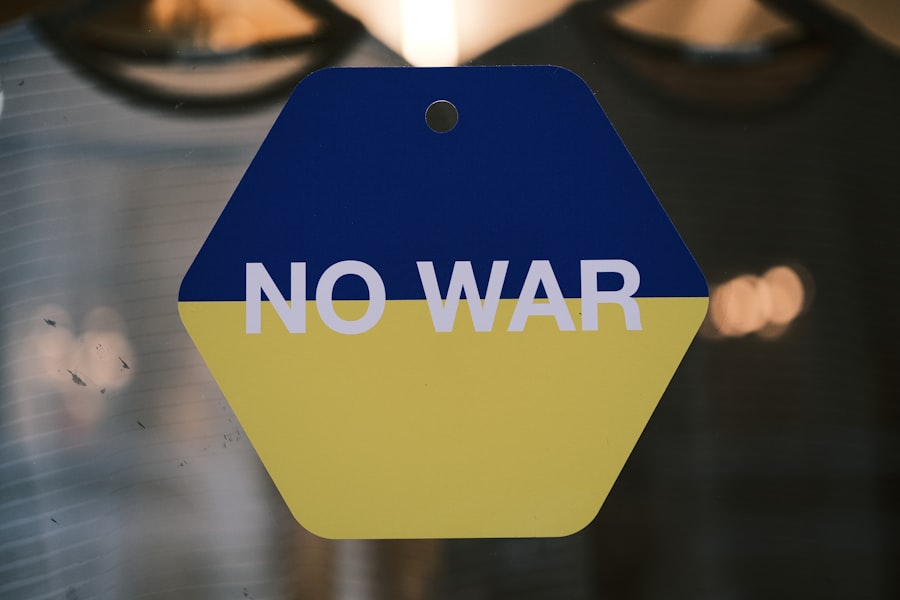
The Cold War was characterized by numerous proxy wars, where the superpowers engaged in indirect conflicts through third-party nations. These wars were often fought in regions such as Asia, Africa, and Latin America, where local conflicts were exacerbated by superpower involvement. The Korean War and the Vietnam War are prime examples of how Cold War dynamics influenced regional conflicts, with both sides providing military support, funding, and resources to their respective allies.
These proxy wars had far-reaching consequences, not only for the nations directly involved but also for global stability. They often resulted in prolonged violence and suffering for local populations, as well as significant geopolitical shifts. The superpowers’ involvement in these conflicts was driven by their desire to expand their spheres of influence and counteract each other’s strategies.
As a result, many nations found themselves caught in a web of international politics that extended far beyond their borders.
The Impact on International Alliances
The Cold War significantly altered the landscape of international alliances. The formation of military alliances such as NATO (North Atlantic Treaty Organization) and the Warsaw Pact reflected the division between East and West. These alliances were not merely defensive pacts; they represented a commitment to mutual support against perceived threats from the opposing bloc.
The existence of these alliances solidified the ideological divide and created an environment where nations were compelled to choose sides. Moreover, the Cold War prompted countries around the world to align themselves with one superpower or another, often based on ideological affinity or strategic interests. This led to a realignment of global power structures, as nations sought security through association with either the United States or the Soviet Union.
The impact of these alliances extended beyond military cooperation; they also influenced economic relationships, cultural exchanges, and diplomatic negotiations, shaping international relations for decades to come.
The Influence on Global Politics
| Doctrine | Cold War Context | Modern Implications | Examples |
|---|---|---|---|
| Mutually Assured Destruction (MAD) | Deterrence strategy based on the threat of total nuclear retaliation. | Continues to influence nuclear deterrence policies and arms control agreements. | US-Russia nuclear treaties, North Korea’s nuclear program deterrence. |
| Containment | Preventing the spread of communism globally. | Shapes modern foreign policy approaches to authoritarian regimes and influence expansion. | US policies toward China, Russia, and Iran. |
| Proxy Wars | Indirect conflicts fought through third parties to avoid direct superpower confrontation. | Continues in regional conflicts where major powers support opposing sides. | Syrian Civil War, Yemen conflict, Ukraine crisis. |
| Detente | Efforts to ease tensions and promote dialogue between superpowers. | Basis for diplomatic engagement and arms control negotiations today. | US-China trade talks, US-Russia strategic stability talks. |
| Espionage and Intelligence Gathering | Extensive spying to gain strategic advantage. | Advanced cyber espionage and intelligence operations remain critical in national security. | Cybersecurity threats, NSA surveillance programs. |
The ideological battle between capitalism and communism during the Cold War had profound implications for global politics. Nations were often forced to navigate a complex landscape where their political choices could lead to alignment with one superpower or another. This polarization affected not only bilateral relations but also multilateral organizations such as the United Nations, where debates often reflected Cold War tensions.
The influence of Cold War ideology extended into domestic politics as well. Leaders around the world utilized anti-communist rhetoric to consolidate power and justify their policies. In many cases, this led to authoritarian regimes that suppressed dissent under the guise of protecting national security from communist threats.
As a result, the legacy of Cold War politics continues to resonate in contemporary political discourse, shaping how nations approach issues of governance, security, and international cooperation.
The Legacy of Cold War Ideology

The legacy of Cold War ideology is evident in contemporary global politics, where remnants of this ideological struggle continue to shape international relations. The dichotomy between capitalism and communism has evolved into new forms of political discourse, yet many nations still grapple with issues rooted in this historical context. The ideological battle has left an indelible mark on national identities and political movements worldwide.
Furthermore, the lessons learned during the Cold War have influenced contemporary approaches to conflict resolution and diplomacy. The importance of dialogue and negotiation emerged from the recognition that direct confrontation could lead to catastrophic outcomes. As nations navigate modern geopolitical challenges, they often draw upon historical experiences from the Cold War era to inform their strategies and decision-making processes.
The Evolution of Military Strategy
The Cold War prompted significant changes in military strategy that continue to influence contemporary defense policies. The emphasis on nuclear deterrence led to a reevaluation of conventional military capabilities, as nations sought to balance their arsenals with effective strategies for both deterrence and defense. This evolution included advancements in technology, intelligence gathering, and asymmetric warfare tactics.
In addition to nuclear strategy, the Cold War also saw an increased focus on unconventional warfare methods such as guerrilla tactics and psychological operations. These strategies were employed not only in proxy wars but also in efforts to undermine enemy influence through subversion and propaganda. As military strategies evolved during this period, they laid the groundwork for modern approaches to conflict that prioritize flexibility and adaptability in an increasingly complex global landscape.
Economic Warfare and Sanctions
Economic warfare emerged as a critical component of Cold War doctrine, with both superpowers employing sanctions and trade restrictions as tools for exerting influence over rival nations. Economic measures were often used to undermine adversaries’ economies while bolstering allies through aid and trade agreements. This approach reflected a broader understanding that economic stability was essential for national security.
Sanctions became a prominent feature of international relations during this period, with both sides leveraging economic pressure to achieve political objectives. The effectiveness of these measures varied widely; while some sanctions succeeded in isolating adversaries or compelling compliance with international norms, others had unintended consequences that exacerbated tensions or harmed civilian populations. The legacy of economic warfare during the Cold War continues to inform contemporary discussions about sanctions as tools for foreign policy.
The Use of Propaganda and Information Warfare
Propaganda played a crucial role in shaping public perception during the Cold War, as both superpowers sought to promote their ideologies while discrediting their opponents. Information warfare became an essential aspect of Cold War strategy, with each side utilizing media outlets, cultural exchanges, and psychological operations to influence public opinion both domestically and internationally. The dissemination of propaganda was not limited to traditional media; it extended into education systems, cultural institutions, and even sports diplomacy.
Events such as the Space Race served as platforms for showcasing technological superiority while reinforcing ideological narratives. This emphasis on information warfare highlighted the importance of perception in international relations, where controlling narratives could significantly impact diplomatic outcomes.
The Effect on Diplomatic Relations
The Cold War profoundly affected diplomatic relations between nations, creating an environment characterized by suspicion and rivalry. Direct communication channels were often strained or nonexistent, leading to misunderstandings and miscalculations that could escalate tensions. High-stakes negotiations were frequently overshadowed by underlying mistrust, complicating efforts to resolve conflicts peacefully.
Despite these challenges, moments of détente emerged throughout the Cold War when both superpowers recognized the need for dialogue and cooperation. Treaties such as the Strategic Arms Limitation Talks (SALT) exemplified attempts to mitigate tensions through diplomatic engagement. These efforts underscored the importance of diplomacy in navigating complex geopolitical landscapes, highlighting that even amidst rivalry, communication remains essential for maintaining stability.
The Relevance of Cold War Doctrine in the 21st Century
As the world enters the 21st century, remnants of Cold War doctrine continue to resonate within contemporary international relations. While new challenges have emerged—such as terrorism, cyber warfare, and climate change—the ideological underpinnings established during the Cold War still influence how nations interact with one another. The resurgence of great power competition has rekindled debates about ideology and governance models reminiscent of earlier times.
Moreover, lessons learned from Cold War experiences inform current approaches to diplomacy and conflict resolution. The importance of multilateral cooperation and dialogue remains paramount in addressing global challenges that transcend national borders. As nations grapple with complex issues in an interconnected world, understanding the historical context provided by Cold War doctrine can offer valuable insights into navigating contemporary geopolitical dynamics.
In conclusion, the Cold War doctrine shaped not only military strategies but also economic policies, diplomatic relations, and ideological battles that continue to influence global politics today. Its legacy serves as a reminder of how historical events can leave lasting imprints on international relations while highlighting the need for continued dialogue and cooperation in an ever-evolving world.
The Cold War doctrine has left a lasting impact on contemporary international relations, influencing how nations approach conflict and diplomacy today. For a deeper understanding of these modern implications, you can explore the article on Cold War strategies and their relevance in current geopolitical tensions at this link. This article provides valuable insights into how historical doctrines continue to shape military and political strategies in the 21st century.
FAQs
What was the Cold War doctrine?
The Cold War doctrine refers to the strategic policies and principles adopted by the United States and the Soviet Union during the Cold War period (approximately 1947-1991). These doctrines guided military, political, and diplomatic actions aimed at containing the opposing superpower’s influence and preventing direct conflict, often through deterrence, alliances, and proxy wars.
What are some key Cold War doctrines?
Key Cold War doctrines include the Truman Doctrine, which aimed to contain communism; the Eisenhower Doctrine, focusing on Middle Eastern containment; the Kennedy Doctrine, emphasizing flexible response; and the Reagan Doctrine, supporting anti-communist insurgencies. The doctrine of Mutually Assured Destruction (MAD) was also central, deterring nuclear war through the promise of total retaliation.
How do Cold War doctrines influence modern military strategy?
Modern military strategy still reflects Cold War doctrines through deterrence policies, nuclear strategy, and alliance structures like NATO. Concepts such as containment have evolved into strategies addressing new geopolitical challenges, including cyber warfare and regional conflicts, while maintaining a focus on preventing large-scale wars between major powers.
What are the modern implications of the doctrine of Mutually Assured Destruction (MAD)?
MAD continues to influence nuclear policy by maintaining a balance of power that discourages nuclear conflict. However, modern challenges such as emerging nuclear states, missile defense systems, and cyber threats complicate this balance, prompting ongoing debates about arms control and strategic stability.
How has the Cold War doctrine affected current international relations?
Cold War doctrines shaped the formation of enduring alliances, global power dynamics, and conflict zones. Many current international tensions and diplomatic frameworks stem from Cold War-era policies, influencing how states engage in diplomacy, military cooperation, and conflict resolution today.
Are Cold War doctrines still relevant in the context of new global threats?
While some Cold War doctrines are outdated, their core principles—such as deterrence and alliance-building—remain relevant. However, new global threats like terrorism, cyber attacks, and asymmetric warfare require adaptations and new strategies beyond traditional Cold War frameworks.
What lessons from Cold War doctrines are applied in modern conflict prevention?
Lessons include the importance of clear communication to avoid misunderstandings, the value of arms control agreements, and the need for flexible response options. These lessons help prevent escalation and manage crises in contemporary international relations.
How do Cold War doctrines impact nuclear non-proliferation efforts today?
Cold War doctrines underscored the dangers of nuclear proliferation, leading to treaties like the Non-Proliferation Treaty (NPT). These efforts continue to be informed by Cold War experiences, aiming to limit the spread of nuclear weapons and promote disarmament.
Can Cold War doctrines be applied to current US-Russia relations?
Elements of Cold War doctrines, such as deterrence and strategic competition, still influence US-Russia relations. However, the context has changed, requiring updated diplomatic and security approaches to address contemporary challenges like cyber warfare and regional conflicts.
What role do Cold War doctrines play in shaping defense policies of other countries?
Many countries modeled their defense policies on Cold War doctrines, especially regarding alliances, deterrence, and military readiness. These doctrines continue to inform defense planning, particularly in regions affected by Cold War-era conflicts or where great power competition persists.