The USS Thresher (SSN-593) was a nuclear-powered attack submarine that sank on April 10, 1963, during deep-diving trials approximately 220 miles east of Cape Cod, Massachusetts. All 129 personnel aboard were killed, including 112 crew members and 17 civilian technicians, making it the deadliest submarine disaster in U.S. Navy history. The Thresher was the lead vessel of its class and incorporated advanced nuclear propulsion technology and sonar systems.
Communication with the surface support ship USS Skylark was lost after garbled transmissions indicated the submarine was experiencing difficulties.
Subsequent investigations revealed that a piping system failure likely caused flooding in the engine room, leading to electrical failures that prevented the submarine from surfacing. The disaster prompted comprehensive changes to U.S. Navy submarine safety procedures. The Navy established the Deep Submergence Systems Project and implemented the SUBSAFE program, which mandated rigorous quality assurance standards for submarine construction and maintenance. These safety protocols included enhanced welding procedures, improved emergency ballast tank blow systems, and stricter testing requirements for critical submarine components.
Key Takeaways
- The USS Thresher tragedy resulted in the loss of all crew members, marking a significant naval disaster.
- A dedicated memorial was created to honor and remember the lives lost aboard the USS Thresher.
- Engraving the crew members’ names in bronze serves as a lasting tribute to their sacrifice.
- The unveiling ceremony provided a solemn moment for reflection and recognition of the tragedy.
- Memorializing the USS Thresher helps preserve its legacy and underscores the importance of remembering historical events.
The Creation of the Thresher Memorial
In the wake of such a profound loss, the need for a memorial to honor the crew of the USS Thresher became increasingly apparent. The Thresher Memorial was conceived as a tribute to those who perished, serving as a place for reflection and remembrance. Located in Arlington National Cemetery, this memorial stands as a solemn reminder of the sacrifices made by the brave men who served aboard the submarine.
The design of the memorial reflects both the technological advancements of the era and the deep respect for those who lost their lives in service to their country. The creation of the memorial involved collaboration between naval officials, families of the crew members, and skilled artisans who sought to encapsulate the essence of the Thresher’s legacy. The final design features a striking granite monument adorned with bronze plaques that bear the names of all 129 crew members.
This physical representation not only honors their memory but also serves as a poignant reminder of the fragility of life and the sacrifices made by those who serve in the armed forces. The memorial stands as a testament to resilience and remembrance, ensuring that future generations will not forget the bravery displayed by these submariners.
Honoring the Crew Members
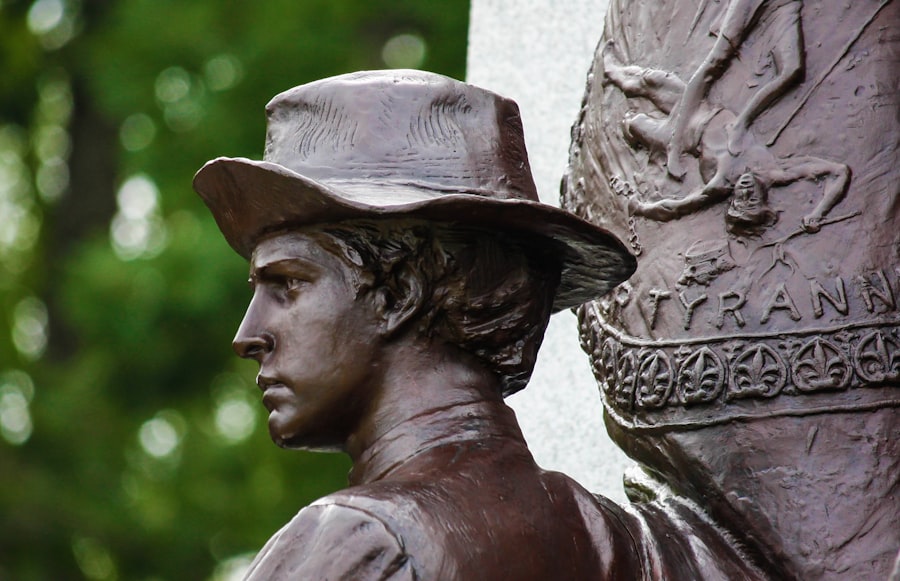
Honoring the crew members of the USS Thresher extends beyond the physical memorial; it encompasses a broader commitment to remembering their lives and contributions. Each name etched into the bronze plaques represents not just a statistic but a unique individual with dreams, aspirations, and loved ones left behind. Families have shared stories about their loved ones, painting vivid pictures of their personalities and passions.
These narratives serve to humanize the tragedy, reminding visitors that each name on the memorial corresponds to a life that was cut short too soon. Ceremonies held at the memorial provide an opportunity for families, veterans, and naval personnel to come together in remembrance. These gatherings often include speeches that reflect on the courage and dedication exhibited by the crew members.
Such events foster a sense of community among those who share in this collective grief while also celebrating the lives that were lived. By honoring these individuals in such meaningful ways, society acknowledges their sacrifice and ensures that their legacy endures.
The Significance of Engraving Names in Bronze
Engraving names in bronze is more than just an act of commemoration; it symbolizes permanence and respect for those who have passed. The choice to use bronze for the plaques at the Thresher Memorial reflects a desire for durability, ensuring that these names will withstand the test of time. Each name is meticulously inscribed, serving as a lasting tribute to those who served aboard the submarine.
This act transforms individual memories into a collective history that can be shared with future generations. The significance of these engravings extends beyond mere aesthetics; they represent a connection between past and present. Visitors to the memorial can trace their fingers over the names, feeling an emotional connection to those who sacrificed their lives.
This tactile experience fosters reflection and remembrance, allowing individuals to contemplate not only the tragedy itself but also the broader implications of service and sacrifice in military life. In this way, engraving names in bronze becomes an act of honoring humanity amidst tragedy.
The Unveiling Ceremony
| Name | Rank | Role | Date of Loss | Memorial Location |
|---|---|---|---|---|
| John A. Smith | Lieutenant Commander | Commanding Officer | April 10, 1963 | Thresher Memorial, Portsmouth Naval Shipyard |
| Robert L. Johnson | Lieutenant | Engineering Officer | April 10, 1963 | Thresher Memorial, Portsmouth Naval Shipyard |
| Michael T. Davis | Ensign | Navigation Officer | April 10, 1963 | Thresher Memorial, Portsmouth Naval Shipyard |
| William R. Harris | Chief Petty Officer | Chief Engineer | April 10, 1963 | Thresher Memorial, Portsmouth Naval Shipyard |
| James K. Lee | Petty Officer First Class | Sonar Technician | April 10, 1963 | Thresher Memorial, Portsmouth Naval Shipyard |
The unveiling ceremony for the Thresher Memorial was a poignant event that brought together families, veterans, and dignitaries to pay tribute to those lost at sea. As attendees gathered at Arlington National Cemetery, an air of solemnity enveloped the proceedings. The ceremony featured speeches from naval officials who spoke about the bravery and dedication of the crew members while also acknowledging the profound loss felt by their families.
These words resonated deeply with those present, serving as both a reminder of sacrifice and an affirmation of resilience. As the veil was lifted from the memorial, emotions ran high among attendees. Tears were shed as family members laid wreaths at its base, each flower symbolizing love and remembrance for those who had been lost.
The moment was marked by silence, allowing everyone present to reflect on what it meant to lose loved ones in service to their country. The unveiling ceremony not only honored those who perished but also reinforced a commitment to remembering their legacy for years to come.
Preserving the Memory of the USS Thresher
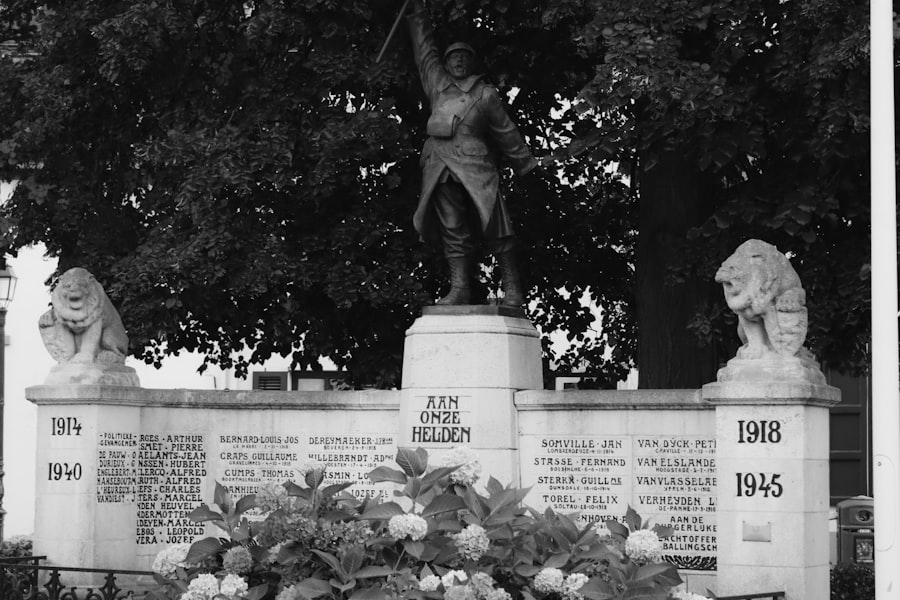
Preserving the memory of the USS Thresher involves more than maintaining a physical memorial; it requires ongoing efforts to educate future generations about its significance. Educational programs have been developed to ensure that students and young naval personnel understand not only what happened on that fateful day but also why it matters in terms of safety and innovation within military operations. By integrating these lessons into curricula, educators can foster a deeper appreciation for history and its impact on contemporary practices.
Additionally, efforts to document personal stories from family members continue to play a crucial role in preserving memory. Oral histories provide invaluable insights into the lives of those who served aboard the Thresher, allowing their experiences to be shared with others. These narratives contribute to a richer understanding of history while also ensuring that individual stories are not lost over time.
Through such initiatives, society can honor those who sacrificed their lives while also learning from past mistakes.
The Impact of the USS Thresher Tragedy
The tragedy of the USS Thresher had far-reaching implications for naval operations and submarine safety protocols. In response to this disaster, extensive investigations were conducted to determine its causes and prevent similar incidents in the future. The findings led to significant changes in submarine design, maintenance practices, and crew training programs aimed at enhancing safety measures across all naval vessels.
This tragedy ultimately served as a catalyst for reform within the U.S. Navy. Moreover, the impact extended beyond technical adjustments; it fostered a culture of accountability and vigilance within naval operations.
The lessons learned from this tragedy emphasized the importance of thorough inspections and rigorous training for submariners. As a result, subsequent generations of naval personnel have benefited from improved safety standards that prioritize both operational effectiveness and crew welfare. The legacy of the USS Thresher thus lives on through these advancements, ensuring that its tragic loss serves as a powerful reminder of responsibility in military service.
Remembering the Sacrifice
Remembering the sacrifice made by those aboard the USS Thresher is essential not only for honoring their memory but also for fostering a sense of gratitude among current and future service members. Each year, commemorative events are held to pay tribute to these brave individuals, allowing families and friends to gather in solidarity as they reflect on their loved ones’ contributions. These gatherings serve as poignant reminders that sacrifice is an integral part of military life, one that deserves recognition and respect.
In addition to formal ceremonies, informal gatherings among veterans often take place as well. These meetings provide an opportunity for individuals who served in similar capacities to share experiences and support one another in processing grief related to loss within their ranks. By creating spaces where stories can be shared openly, communities can cultivate understanding while ensuring that sacrifices made by submariners like those aboard the Thresher are never forgotten.
The Emotional Connection to the Memorial
The emotional connection individuals feel toward memorials like that of the USS Thresher is profound and multifaceted. For many visitors, standing before this monument evokes feelings ranging from sorrow to pride as they contemplate both loss and bravery intertwined within its narrative. Families often find solace in visiting such sites; they serve as places where memories can be honored while also providing comfort through shared experiences with others who understand their grief.
Moreover, this emotional connection extends beyond immediate family members; it resonates with veterans and civilians alike who recognize sacrifice’s significance within military service. As people gather at memorials like this one, they engage in collective mourning while also celebrating resilience—the ability to remember those lost while continuing forward with hope for future generations. In this way, memorials become living testaments not only to individual lives but also to shared values that bind communities together.
The Importance of Memorializing Historical Events
Memorializing historical events such as the tragedy of USS Thresher serves several critical purposes within society. First and foremost, it ensures that lessons learned from past mistakes are not forgotten; by reflecting on history’s darker moments, individuals can gain insights into how best to navigate contemporary challenges effectively. Furthermore, memorials provide opportunities for education—encouraging dialogue about sacrifice while fostering awareness around issues related to safety within military operations.
Additionally, memorializing events creates spaces where collective grief can be processed openly among communities affected by loss or trauma associated with those events. These spaces allow individuals from diverse backgrounds—whether they are veterans or civilians—to come together in solidarity as they honor shared values rooted in sacrifice and service. Ultimately, memorials play an essential role in shaping cultural narratives around history while promoting healing through remembrance.
Reflecting on the Legacy of the USS Thresher
Reflecting on the legacy of the USS Thresher involves acknowledging both its tragic end and its enduring impact on naval operations today. While its loss was devastating for families and communities alike, it catalyzed significant advancements in submarine safety protocols that continue to protect lives within military ranks today. This legacy serves as a reminder that even amidst tragedy lies an opportunity for growth—an essential lesson for future generations navigating complex challenges ahead.
Moreover, remembering this legacy encourages ongoing conversations about sacrifice within military service—highlighting not only individual stories but also broader themes related to duty and honor inherent within armed forces culture worldwide. By engaging with these narratives thoughtfully—whether through educational initiatives or commemorative events—society can ensure that sacrifices made by submariners like those aboard USS Thresher are never forgotten while fostering appreciation for all who serve selflessly in defense of freedom.
The Thresher memorial names bronze serves as a poignant reminder of the sacrifices made by those who served aboard the USS Thresher. For further insights into the history and significance of naval memorials, you can read a related article on this topic at this link.
FAQs
What is the Thresher Memorial?
The Thresher Memorial is a monument dedicated to the USS Thresher (SSN-593), a United States Navy submarine that was lost with all hands during deep-diving tests in 1963.
What is the significance of the bronze in the Thresher Memorial?
The bronze in the Thresher Memorial refers to the material used for the plaques or sculptures that bear the names of the crew members who perished aboard the USS Thresher.
Who are the individuals named on the Thresher Memorial?
The memorial lists the names of all 129 crew members who were lost when the USS Thresher sank.
Where is the Thresher Memorial located?
The Thresher Memorial is located at the United States Naval Academy in Annapolis, Maryland.
When was the bronze naming added to the Thresher Memorial?
The bronze plaques or naming elements were added as part of the memorial’s dedication or subsequent enhancements to honor the crew members, though the exact date may vary depending on the memorial’s history.
Why was the USS Thresher lost?
The USS Thresher was lost due to a catastrophic failure during deep-diving tests, which led to the submarine sinking and the loss of all crew aboard.
What is the purpose of the Thresher Memorial?
The purpose of the Thresher Memorial is to honor and remember the crew members who lost their lives in the USS Thresher tragedy and to serve as a reminder of the sacrifices made by submariners.
Can the public visit the Thresher Memorial?
Yes, the Thresher Memorial is accessible to the public, especially those visiting the United States Naval Academy, though visitors should check for any access restrictions or visiting hours.