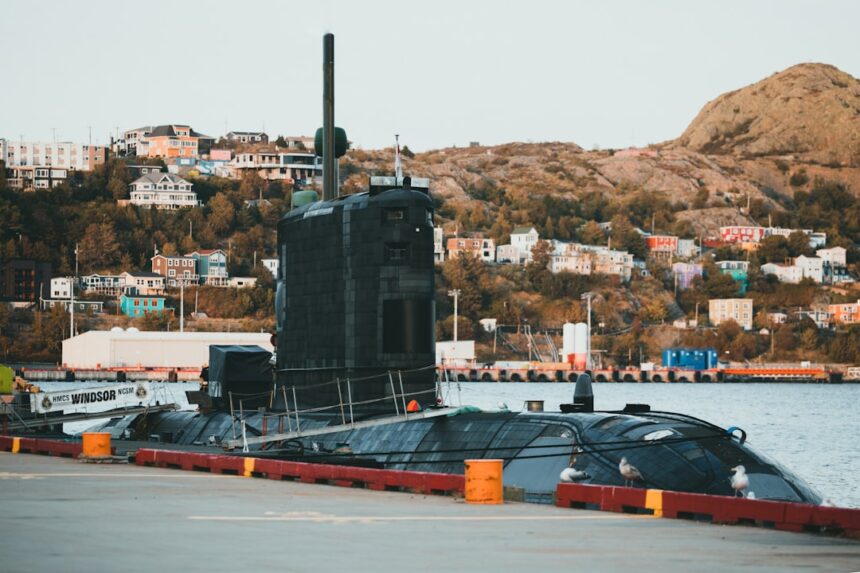
The AUKUS alliance, established in September 2021, is a trilateral security partnership between Australia, the United Kingdom, and the United States. This strategic collaboration focuses on enhancing defense capabilities in the Indo-Pacific region, with particular emphasis on developing nuclear-powered submarines. The partnership was formed in response to evolving regional security concerns, specifically China’s increasing assertiveness in the South China Sea and surrounding areas.
Through combined resources and expertise, these three nations aim to strengthen their military preparedness and maintain strategic balance in a changing geopolitical environment. Beyond military cooperation, AUKUS represents a deeper commitment to shared democratic values and collective defense principles. The partnership extends into advanced technological domains including cybersecurity, artificial intelligence, and quantum computing, reflecting a comprehensive approach to contemporary security challenges.
This multifaceted collaboration underscores the growing importance of international alliances in addressing complex global threats. The emphasis on submarine technology within the agreement highlights the strategic significance of advanced naval capabilities in modern defense frameworks.
Key Takeaways
- AUKUS is a strategic submarine alliance enhancing defense cooperation among Australia, the UK, and the US.
- The alliance significantly boosts regional security and military capabilities in the Indo-Pacific.
- Submarines play a crucial role in modern warfare, providing stealth and strategic deterrence.
- AUKUS influences global geopolitics by shifting power dynamics and strengthening alliances.
- Despite benefits, AUKUS faces challenges including regional tensions and criticism over arms proliferation.
The Significance of the AUKUS Submarine Alliance
The significance of the AUKUS submarine alliance extends beyond its immediate military implications. It represents a strategic pivot towards a more integrated defense posture among allies who share common interests and values. By prioritizing the development of nuclear-powered submarines, AUKUS aims to enhance deterrence capabilities against potential adversaries while fostering interoperability among the three nations’ naval forces.
This collaboration is particularly crucial given the evolving nature of threats in the Indo-Pacific region, where traditional power dynamics are being challenged. Moreover, AUKUS serves as a clear signal to both allies and adversaries about the commitment of Australia, the UK, and the US to maintaining a rules-based international order. The alliance underscores the importance of collective security arrangements in an era marked by uncertainty and competition.
As nations navigate complex geopolitical landscapes, AUKUS stands as a beacon of cooperation, emphasizing that like-minded countries can work together to address shared challenges effectively.
Strengthening Defense Capabilities through AUKUS
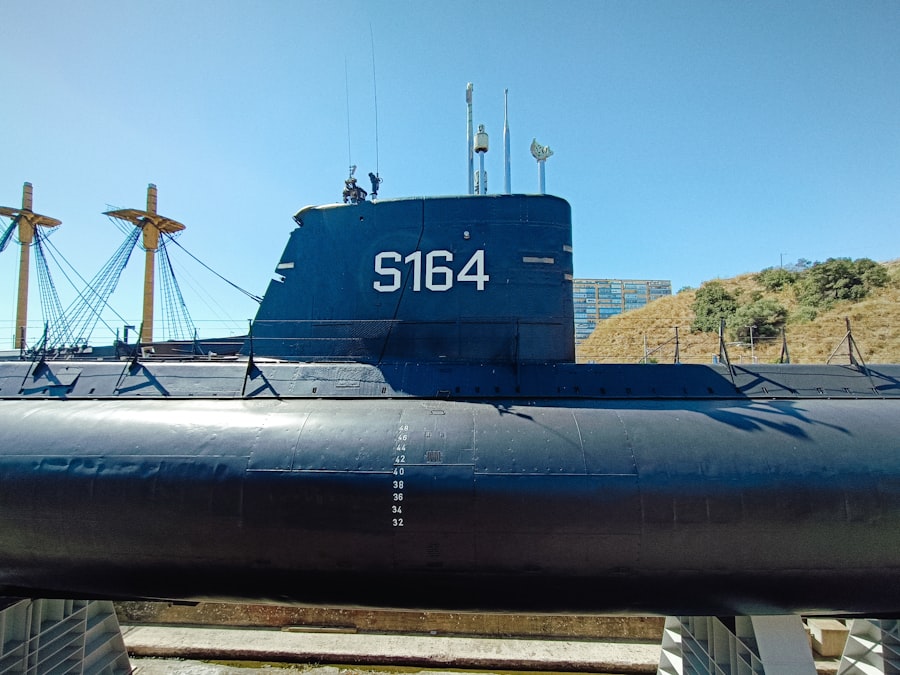
Through AUKUS, Australia gains access to advanced submarine technology that significantly enhances its defense capabilities. The nuclear-powered submarines will provide Australia with greater range, endurance, and stealth compared to conventional submarines. This technological leap is expected to transform the Royal Australian Navy’s operational capabilities, allowing it to project power more effectively across vast distances in the Indo-Pacific region.
The partnership also facilitates knowledge transfer and skill development, ensuring that Australian personnel are equipped with cutting-edge expertise in submarine operations. In addition to enhancing Australia’s naval capabilities, AUKUS fosters deeper collaboration among the three nations in various defense sectors. Joint exercises, training programs, and research initiatives will strengthen interoperability among their armed forces.
This collaborative approach not only improves military readiness but also builds trust and cohesion among allies. As they work together on advanced technologies and operational strategies, AUKUS partners are better positioned to respond to emerging threats and challenges in an increasingly complex security environment.
How AUKUS Impacts Regional Security
The establishment of AUKUS has profound implications for regional security dynamics in the Indo-Pacific. As Australia enhances its naval capabilities through nuclear-powered submarines, neighboring countries are likely to reassess their own defense strategies in response to this shift. The alliance may prompt regional powers to bolster their military capabilities or seek new partnerships to counterbalance the growing influence of AUKUS.
This could lead to an arms race or increased tensions in an already volatile region. Furthermore, AUKUS reinforces the United States’ commitment to its allies in the Indo-Pacific, signaling that it remains engaged in countering potential threats from China and other regional actors. The alliance serves as a deterrent against aggressive actions by adversaries while reassuring allies of their security commitments.
However, this heightened military presence may also exacerbate existing tensions between China and its neighbors, leading to a more militarized environment in the region.
The Role of Submarines in Modern Warfare
| Metric | Details |
|---|---|
| Alliance Name | AUKUS |
| Member Countries | Australia, United Kingdom, United States |
| Primary Focus | Development and deployment of nuclear-powered submarines |
| Announcement Date | September 15, 2021 |
| Submarine Type | Nuclear-powered attack submarines (SSNs) |
| Number of Submarines Planned for Australia | 8 |
| Estimated Timeline for First Australian SSN | 2030s |
| Strategic Purpose | Enhance Indo-Pacific security and deterrence capabilities |
| Technology Transfer | Includes sharing of nuclear propulsion technology and advanced defense systems |
| Controversies | Diplomatic tensions with France and China |
Submarines have long been a cornerstone of naval warfare, but their role has evolved significantly in modern conflicts. In an era characterized by asymmetric warfare and advanced technology, submarines offer unique advantages that are crucial for contemporary military operations. Their stealth capabilities allow them to operate undetected in contested waters, making them ideal for intelligence gathering, surveillance, and reconnaissance missions.
Additionally, nuclear-powered submarines can remain submerged for extended periods, providing strategic flexibility that is essential for modern naval engagements. The integration of advanced technologies into submarine warfare further enhances their effectiveness on the battlefield. Modern submarines are equipped with sophisticated sensors and weaponry that enable them to engage targets with precision while minimizing risks to personnel and assets.
As nations invest in next-generation submarine designs, including unmanned systems and artificial intelligence-driven operations, the role of submarines will continue to expand in future conflicts. AUKUS recognizes this evolution by prioritizing submarine technology as a key component of its defense strategy.
Implications for Global Geopolitics
The formation of AUKUS has significant implications for global geopolitics, particularly concerning power dynamics in the Indo-Pacific region. As Australia strengthens its military capabilities through this alliance, it may alter the balance of power among regional actors. The partnership signals a shift towards greater cooperation among Western allies in response to perceived threats from authoritarian regimes.
This realignment could lead to increased tensions between AUKUS members and countries like China, which views such alliances as attempts to contain its influence. Moreover, AUKUS may inspire other nations to seek similar partnerships or enhance their own military capabilities in response to perceived threats. The alliance could serve as a catalyst for new security arrangements in the Indo-Pacific, prompting countries to reevaluate their defense strategies and alliances.
As nations navigate this evolving geopolitical landscape, the potential for conflict or cooperation will depend on how effectively they manage their relationships with one another.
Challenges and Criticisms of the AUKUS Submarine Alliance
Despite its ambitious goals, the AUKUS submarine alliance faces several challenges and criticisms that could impact its effectiveness. One significant concern is the potential for escalating tensions between AUKUS members and China. Critics argue that the alliance may provoke an arms race in the region, leading to increased militarization and instability.
Additionally, there are fears that AUKUS could undermine existing security frameworks in Asia-Pacific by sidelining other regional powers and alliances. Another challenge lies in the technical complexities associated with developing nuclear-powered submarines. The timeline for delivering these advanced vessels is ambitious, raising questions about whether Australia can meet its commitments within the proposed timeframe.
Furthermore, there are concerns regarding the environmental implications of nuclear technology and the potential risks associated with operating nuclear-powered submarines in sensitive maritime environments.
AUKUS and the Indo-Pacific Region
AUKUS is particularly relevant within the context of the Indo-Pacific region, where geopolitical tensions have been on the rise. The partnership aims to enhance security cooperation among allies while addressing shared concerns about regional stability. By focusing on advanced military capabilities such as nuclear-powered submarines, AUKUS seeks to deter aggressive actions from adversaries while reassuring allies of their commitment to collective security.
As China continues to assert its claims over vast areas of the South China Sea, AUKUS partners are committed to ensuring that maritime routes remain open and secure for all nations. This commitment reflects a broader strategy aimed at preserving a rules-based international order while countering attempts by authoritarian regimes to reshape regional dynamics.
AUKUS and the Future of Defense Technology
AUKUS represents a significant step towards advancing defense technology among its member nations. By prioritizing collaboration on cutting-edge technologies such as artificial intelligence, cyber capabilities, and quantum computing, AUKUS aims to ensure that its partners remain at the forefront of military innovation. This focus on technological advancement is essential for maintaining a competitive edge in an increasingly complex security environment.
The partnership also fosters opportunities for joint research and development initiatives that can lead to breakthroughs in defense technology.
As they navigate emerging challenges posed by adversaries leveraging advanced technologies themselves, AUKUS partners are better positioned to adapt and respond effectively.
The Economic and Industrial Impact of AUKUS
The economic implications of AUKUS extend beyond military considerations; they encompass significant industrial opportunities for all three nations involved. The development of nuclear-powered submarines will require substantial investments in domestic industries, creating jobs and stimulating economic growth within Australia and beyond. This partnership presents an opportunity for Australia to enhance its defense industrial base while fostering collaboration with established defense industries in the UK and US.
Moreover, AUKUS has the potential to drive innovation within defense-related sectors by encouraging research partnerships between government agencies and private industry. As nations invest in advanced technologies for military applications, there will be opportunities for economic diversification and growth within related industries such as cybersecurity, artificial intelligence, and advanced manufacturing.
Looking Ahead with AUKUS
As AUKUS continues to evolve, its long-term impact on regional security dynamics and global geopolitics remains uncertain yet promising. The alliance represents a proactive approach to addressing emerging threats while reinforcing commitments among allies who share common values and interests. By prioritizing advanced military capabilities such as nuclear-powered submarines, AUKUS aims not only to enhance deterrence but also to foster deeper collaboration among its member nations.
Looking ahead, it is essential for AUKUS partners to navigate challenges effectively while remaining committed to maintaining stability within the Indo-Pacific region. As they work together on technological advancements and defense strategies, they must also consider how their actions may influence relationships with other regional powers. Ultimately, AUKUS stands as a testament to the importance of alliances in addressing complex security challenges while shaping a more secure future for all nations involved.
The AUKUS submarine alliance, which aims to enhance security and defense collaboration between Australia, the United Kingdom, and the United States, has sparked significant discussions regarding its implications for regional stability and military capabilities. For a deeper understanding of the strategic context surrounding this alliance, you can read more in this related article on the topic: AUKUS and Its Impact on Global Security.
FAQs
What is the AUKUS submarine alliance?
The AUKUS submarine alliance is a trilateral security partnership between Australia, the United Kingdom, and the United States focused on enhancing defense and security cooperation, particularly through the provision of nuclear-powered submarines to Australia.
When was the AUKUS alliance announced?
The AUKUS alliance was announced on September 15, 2021.
What is the main goal of the AUKUS submarine alliance?
The main goal of the AUKUS alliance is to strengthen security and defense ties among the three countries, with a key focus on helping Australia acquire nuclear-powered submarines to improve its maritime capabilities in the Indo-Pacific region.
Why are nuclear-powered submarines important for Australia?
Nuclear-powered submarines offer greater stealth, endurance, and speed compared to conventional diesel-electric submarines, allowing Australia to better monitor and respond to security challenges in the Indo-Pacific region.
Will Australia build the submarines domestically?
Australia plans to build the nuclear-powered submarines domestically with technology and support from the United States and the United Kingdom as part of the AUKUS agreement.
How does AUKUS affect Australia’s previous submarine deal with France?
The AUKUS agreement led to the cancellation of Australia’s previous contract with France’s Naval Group for conventional submarines, which caused diplomatic tensions between Australia and France.
Is the AUKUS alliance a military alliance like NATO?
No, AUKUS is not a formal military alliance like NATO. It is a security partnership focused on defense cooperation, technology sharing, and capability development, particularly in the maritime domain.
What other areas besides submarines does AUKUS cover?
Besides nuclear-powered submarines, AUKUS aims to enhance cooperation in cyber capabilities, artificial intelligence, quantum technologies, and other advanced defense technologies.
How does AUKUS impact regional security in the Indo-Pacific?
AUKUS is intended to strengthen deterrence and security cooperation among its members, contributing to a balance of power in the Indo-Pacific region amid rising strategic competition.
Are there any concerns or criticisms about the AUKUS alliance?
Some countries and analysts have expressed concerns about nuclear proliferation, regional arms races, and the potential for increased tensions with China as a result of the AUKUS partnership.