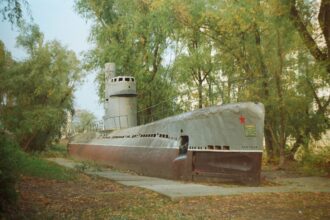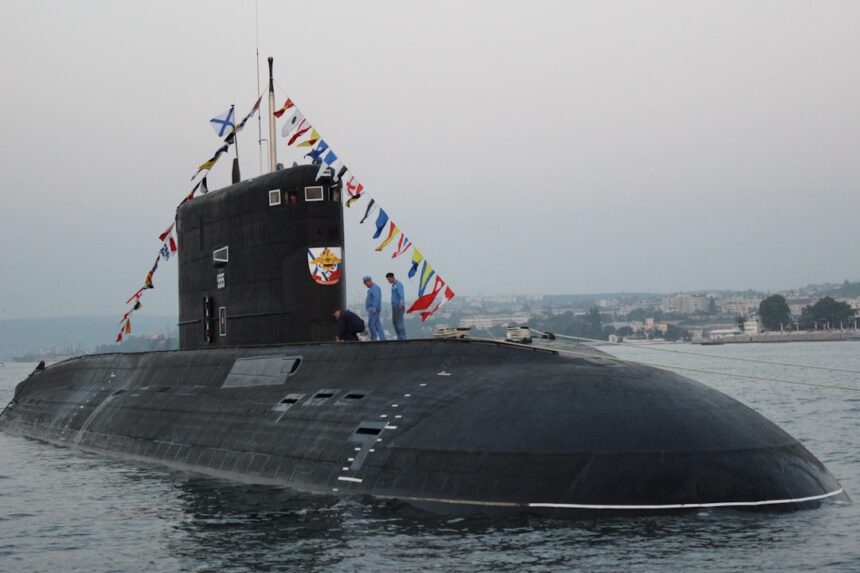
Submarine warfare has undergone a remarkable transformation since its inception in the early 17th century. Initially, submarines were rudimentary vessels, often powered by human effort and designed for limited purposes, such as reconnaissance or sabotage. The first notable submarine, the Dutch “Drebbel,” was built in the early 1600s and demonstrated the potential of underwater navigation.
However, it wasn’t until the 19th century, with the advent of steam power and more sophisticated designs, that submarines began to emerge as serious tools of warfare. The American Civil War saw the introduction of the “Hunley,” the first combat submarine to sink an enemy ship, marking a pivotal moment in naval history. As the 20th century approached, submarine technology advanced rapidly, particularly during World War I and World War
Key Takeaways
- Submarine warfare has evolved significantly, becoming crucial in modern naval strategy and deterrence.
- Technological advancements have enhanced submarine stealth, communication, and combat capabilities.
- Nuclear-powered submarines pose significant strategic threats due to their endurance and firepower.
- Effective anti-submarine warfare and detection remain challenging but essential for naval security.
- International treaties and geopolitical dynamics heavily influence submarine operations and global stability.
The introduction of diesel-electric engines allowed submarines to operate more efficiently and for longer durations. The German U-boats became infamous for their effectiveness in disrupting Allied shipping during World War I, leading to significant changes in naval strategy. By World War II, submarines had evolved into formidable weapons of war, equipped with torpedoes and advanced sonar systems.
The conflict showcased their strategic importance, as nations recognized the potential of submarines to project power and disrupt enemy supply lines.
The Role of Submarines in Modern Naval Operations
In contemporary naval operations, submarines play a multifaceted role that extends beyond traditional combat scenarios. They serve as critical assets for intelligence gathering, surveillance, and reconnaissance (ISR). Modern submarines are equipped with advanced sensors and communication systems that allow them to collect vital information about enemy movements and capabilities without being detected.
This stealthy approach provides naval commanders with a significant advantage in planning and executing military operations. Moreover, submarines are integral to deterrence strategies employed by many nations. Their ability to remain hidden while carrying nuclear weapons makes them a cornerstone of nuclear deterrence policies.
The presence of a submarine fleet can dissuade potential adversaries from engaging in aggressive actions, knowing that a retaliatory strike is always a possibility. This dual role of submarines as both offensive and defensive assets underscores their importance in maintaining national security and stability in volatile regions.
Advancements in Submarine Technology
The technological advancements in submarine design and capabilities have been nothing short of revolutionary. Modern submarines are equipped with cutting-edge technologies that enhance their stealth, speed, and operational effectiveness. One of the most significant developments has been the introduction of air-independent propulsion (AIP) systems, which allow submarines to operate underwater for extended periods without surfacing.
This capability significantly reduces their vulnerability to detection and enhances their operational range. Additionally, advancements in sonar technology have transformed how submarines detect and track other vessels. Modern sonar systems utilize sophisticated algorithms and signal processing techniques to identify targets with remarkable accuracy.
These systems can operate in various environments, including shallow waters where traditional sonar may struggle. Furthermore, the integration of artificial intelligence into submarine operations is paving the way for enhanced decision-making processes and improved situational awareness, allowing submarines to adapt to dynamic combat scenarios more effectively.
The Threat of Nuclear-Powered Submarines
| Metric | Description | Typical Values / Examples |
|---|---|---|
| Submarine Types | Categories of modern submarines used in warfare | Attack Submarines (SSN), Ballistic Missile Submarines (SSBN), Diesel-Electric Submarines (SSK) |
| Maximum Operating Depth | Maximum depth at which submarines can operate safely | 300-600 meters (conventional), 600-800+ meters (nuclear) |
| Endurance | Maximum time a submarine can remain submerged without surfacing | Diesel-Electric: 2-3 days, Nuclear: Several months |
| Speed (Submerged) | Maximum underwater speed of modern submarines | 20-35 knots |
| Stealth Technologies | Technologies used to reduce detectability | Acoustic dampening, anechoic tiles, pump-jet propulsors, quiet electric motors |
| Weapon Systems | Types of weapons deployed on modern submarines | Torpedoes, Cruise Missiles, Ballistic Missiles, Mines |
| Sonar Systems | Active and passive sonar capabilities for detection and navigation | Hull-mounted sonar, Towed array sonar, Flank array sonar |
| Countermeasures | Defensive systems to evade detection and attacks | Decoys, Jammers, Noise makers, Electronic warfare suites |
| Communication Systems | Methods for secure communication while submerged | VLF/LF radio, Satellite communication via buoy, Underwater telephone |
| Typical Crew Size | Number of personnel operating a modern submarine | 30-150 depending on submarine class |
Nuclear-powered submarines represent a significant evolution in submarine warfare, offering unparalleled endurance and speed compared to their diesel-electric counterparts. These vessels can remain submerged for months at a time without the need to surface for fuel, making them ideal for long-range missions and strategic deterrence. However, their capabilities also pose unique challenges and threats to global security.
The proliferation of nuclear-powered submarines among various nations raises concerns about regional stability and arms control. Countries with advanced submarine fleets can project power far beyond their shores, potentially leading to increased tensions in contested waters. The ability of these submarines to carry ballistic missiles further complicates the security landscape, as they can strike targets from great distances while remaining hidden beneath the waves.
This capability necessitates robust countermeasures and strategic planning from other nations to mitigate the risks associated with nuclear submarine operations.
The Importance of Anti-Submarine Warfare
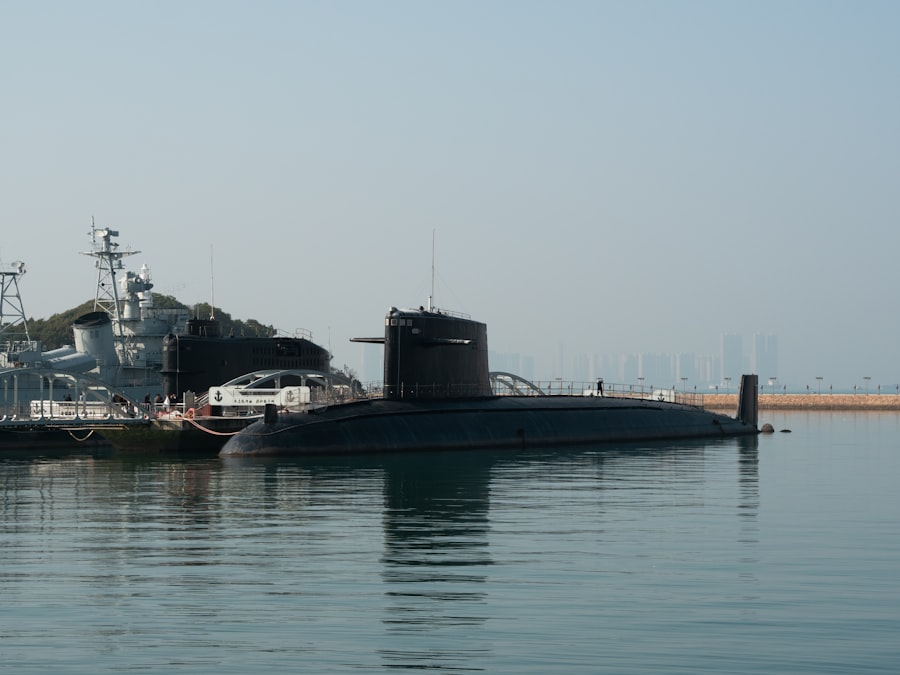
As submarines have become more sophisticated, so too have the methods employed to counter them. Anti-submarine warfare (ASW) has emerged as a critical component of modern naval strategy, focusing on detecting, tracking, and neutralizing enemy submarines before they can execute their missions. ASW encompasses a range of tactics and technologies, including surface ships, aircraft, and underwater drones designed specifically for this purpose.
The importance of ASW cannot be overstated; as nations invest heavily in submarine capabilities, the need for effective countermeasures becomes paramount. Advanced sonar systems on surface vessels and aircraft enable navies to detect submarines at greater distances, while unmanned underwater vehicles (UUVs) are increasingly being deployed for reconnaissance missions. Additionally, training exercises that simulate ASW scenarios are essential for maintaining readiness and ensuring that naval forces can respond effectively to submarine threats.
The Challenges of Detecting and Tracking Submarines
Detecting and tracking submarines remains one of the most challenging tasks in modern naval warfare. Submarines are designed with stealth in mind; their hulls are often coated with sound-absorbing materials that minimize noise emissions, making them difficult to detect using traditional sonar systems. Furthermore, the underwater environment presents unique challenges for detection technologies due to factors such as temperature layers, salinity variations, and ocean currents that can distort sonar signals.
The complexity of underwater acoustics means that even advanced sonar systems can struggle to differentiate between friendly vessels and potential threats.
This includes investing in research and development for new sensor technologies, enhancing data fusion capabilities to integrate information from multiple sources, and employing artificial intelligence to improve target recognition and tracking accuracy.
The Role of Submarines in Strategic Deterrence
Submarines play a pivotal role in strategic deterrence frameworks employed by nuclear-armed states. Their ability to launch nuclear missiles from concealed positions under the sea provides a second-strike capability that is crucial for maintaining a credible deterrent posture. This ensures that even if an adversary were to launch a surprise attack on a nation’s land-based nuclear forces, the submarine fleet would remain intact and capable of delivering a devastating retaliatory strike.
The psychological aspect of submarine-based deterrence is equally significant. The mere presence of nuclear-powered submarines patrolling international waters serves as a powerful reminder of a nation’s military capabilities. This can deter potential aggressors from engaging in hostile actions or escalating conflicts, as they recognize the risks associated with provoking a nuclear-armed adversary.
Consequently, submarines contribute not only to military strategy but also to broader geopolitical stability by fostering an environment where rational actors are less likely to engage in reckless behavior.
Submarine Communication and Command Systems
Effective communication is vital for the successful operation of submarines, particularly when they are engaged in complex missions or operating within multi-domain environments. Modern submarines are equipped with advanced communication systems that enable secure data exchange with command centers and other naval assets while maintaining operational security. These systems utilize encrypted satellite communications and underwater acoustic networks to ensure that vital information can be transmitted without compromising the submarine’s stealth.
Command systems aboard submarines have also evolved significantly over the years. Advanced command-and-control software allows crews to process vast amounts of data from various sensors quickly. This capability enhances situational awareness and enables timely decision-making during critical operations.
Furthermore, training programs focused on communication protocols ensure that crews are well-prepared to respond effectively in high-pressure situations, reinforcing the importance of teamwork and coordination within submarine operations.
The Future of Submarine Warfare
The future of submarine warfare is poised for further evolution as technological advancements continue to reshape naval capabilities. Emerging technologies such as unmanned underwater vehicles (UUVs) are expected to play an increasingly prominent role in future submarine operations. These autonomous systems can conduct reconnaissance missions or perform logistical support tasks without putting crewed submarines at risk, thereby enhancing operational flexibility.
Moreover, advancements in artificial intelligence (AI) are likely to revolutionize how submarines operate in combat scenarios. AI-driven systems can analyze vast amounts of data from sensors more efficiently than human operators, enabling faster decision-making processes during engagements. As nations invest in these technologies, the nature of submarine warfare will continue to evolve, presenting new challenges and opportunities for naval strategists.
International Agreements and Treaties Regarding Submarine Operations
International agreements and treaties play a crucial role in regulating submarine operations and ensuring stability among nations with submarine capabilities. Treaties such as the Treaty on the Non-Proliferation of Nuclear Weapons (NPT) aim to prevent the spread of nuclear weapons while promoting peaceful uses of nuclear energy. Additionally, various arms control agreements seek to limit the development and deployment of certain types of military technologies, including those related to submarine warfare.
However, compliance with these treaties can be challenging due to differing national interests and security concerns. As countries continue to modernize their submarine fleets and develop new capabilities, ongoing dialogue among nations is essential for addressing potential conflicts arising from submarine operations. Diplomatic efforts aimed at fostering transparency and confidence-building measures can help mitigate tensions associated with submarine proliferation.
The Impact of Submarine Warfare on Geopolitical Relations
Submarine warfare has significant implications for geopolitical relations among nations. The presence of advanced submarine fleets can alter power dynamics in contested regions, leading to increased tensions between rival states. For instance, countries engaged in territorial disputes may view each other’s submarine activities as provocative actions that threaten their national security interests.
Furthermore, alliances formed around shared interests in submarine capabilities can reshape regional security architectures. Nations may collaborate on joint exercises or share intelligence related to submarine operations as part of broader defense agreements.
In conclusion, the evolution of submarine warfare reflects broader trends in military technology and geopolitical dynamics. As nations continue to invest in advanced submarine capabilities while navigating complex international agreements, understanding the implications of these developments is essential for maintaining global security and stability.
Modern submarine warfare has evolved significantly, with advancements in technology and tactics reshaping naval strategies. For a deeper understanding of these developments, you can read the article on submarine operations and their implications for global security at this link. This article provides insights into the challenges and innovations that define contemporary underwater combat.
FAQs
What is modern submarine warfare?
Modern submarine warfare involves the use of advanced submarines equipped with sophisticated technology and weaponry to conduct naval operations, including stealth attacks, reconnaissance, and strategic deterrence.
What types of submarines are used in modern warfare?
Modern warfare primarily uses nuclear-powered submarines (SSNs and SSBNs) and diesel-electric submarines (SSKs). Nuclear submarines offer greater endurance and speed, while diesel-electric subs are quieter and effective in littoral waters.
What are the main weapons used by modern submarines?
Modern submarines are typically armed with torpedoes, anti-ship missiles, cruise missiles, and sometimes ballistic missiles for strategic deterrence. They may also deploy mines and special forces.
How do submarines remain undetected in modern warfare?
Submarines use advanced stealth technology, including anechoic coatings, quiet propulsion systems, and sophisticated sonar-evading tactics to minimize noise and avoid detection by enemy sonar and radar.
What role do submarines play in nuclear deterrence?
Ballistic missile submarines (SSBNs) carry nuclear missiles and serve as a key component of a country’s nuclear triad, providing a secure second-strike capability to deter nuclear attacks.
How has technology impacted modern submarine warfare?
Technological advancements such as improved sonar systems, automated control systems, air-independent propulsion, and enhanced communication have significantly increased the effectiveness and survivability of modern submarines.
What are the challenges faced in modern submarine warfare?
Challenges include detecting increasingly stealthy submarines, countering advanced anti-submarine warfare (ASW) technologies, maintaining secure communication, and operating in complex underwater environments.
How do submarines communicate during warfare?
Submarines use very low frequency (VLF) and extremely low frequency (ELF) radio waves, satellite communication, and underwater acoustic communication systems to maintain contact while minimizing the risk of detection.
What is the importance of sonar in submarine warfare?
Sonar is critical for detecting, tracking, and classifying underwater targets. Both active and passive sonar systems are used to navigate, avoid threats, and engage enemy vessels.
Can modern submarines operate in shallow waters?
Yes, some modern diesel-electric submarines are designed for effective operation in shallow coastal waters, where their stealth and maneuverability provide tactical advantages.