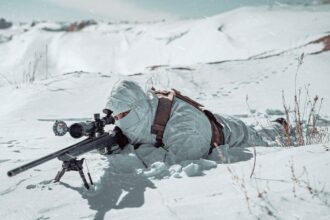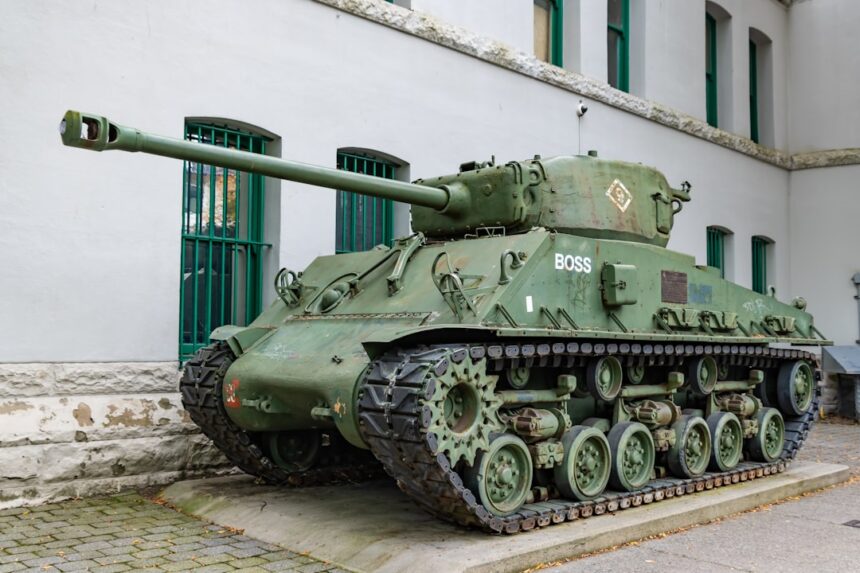
The Cold War period (1947-1991) was defined by strategic competition between the United States and the Soviet Union for global military dominance. Both superpowers allocated substantial resources to defense spending, technological innovation, and military expansion across multiple domains including nuclear weapons, conventional forces, and emerging technologies. The nuclear arms race became a central feature of this competition.
The United States developed a nuclear triad consisting of land-based intercontinental ballistic missiles (ICBMs), submarine-launched ballistic missiles (SLBMs), and strategic bombers capable of delivering nuclear warheads. The Soviet Union responded with its own ICBM programs, including the R-7 Semyorka and later the R-36 missile systems, while maintaining large conventional ground forces in Eastern Europe. Military expenditures reached unprecedented levels during this period.
At its peak in the 1980s, the United States allocated approximately 6-7% of its GDP to defense spending, while Soviet military expenditure is estimated to have consumed 15-20% of the USSR’s GDP. This sustained military buildup influenced international relations, alliance structures, and regional conflicts throughout the Cold War era, while contributing to the eventual economic strain that affected both superpowers.
Key Takeaways
- The Cold War spurred intense competition in military technology, including nuclear weapons and space capabilities.
- Espionage, covert operations, and intelligence gathering were central to Cold War strategies.
- Proxy wars and military alliances shaped global geopolitical dynamics during the period.
- Surveillance, counterintelligence, and psychological warfare played key roles in maintaining national security.
- Declassified documents reveal the lasting legacy and impact of Cold War military secrets on modern defense policies.
Espionage and Intelligence Operations
Espionage became a cornerstone of Cold War strategy, with both superpowers employing a vast network of spies and informants to gather intelligence on each other’s military capabilities and intentions. The CIA and KGB emerged as the primary intelligence agencies for the United States and the Soviet Union, respectively, engaging in covert operations that often blurred the lines between legality and morality. These agencies operated under a veil of secrecy, conducting surveillance, infiltrating organizations, and even orchestrating disinformation campaigns to manipulate public perception.
The significance of intelligence operations during this period cannot be overstated. They provided critical insights into enemy capabilities and intentions, allowing for informed decision-making in an environment fraught with tension. High-profile incidents, such as the U-2 spy plane incident in 1960, underscored the risks associated with espionage.
The downing of a U.S. reconnaissance aircraft over Soviet territory not only heightened tensions but also exposed the vulnerabilities inherent in relying on intelligence-gathering methods that could easily backfire.
Nuclear Weapons Development

The development of nuclear weapons marked a pivotal moment in military history during the Cold War. Both the United States and the Soviet Union recognized that possessing a robust nuclear arsenal was essential for deterrence and maintaining a balance of power. The atomic bombings of Hiroshima and Nagasaki in 1945 had demonstrated the devastating potential of nuclear weapons, prompting both nations to invest heavily in their own nuclear programs.
This led to a series of tests and advancements that would shape military strategy for decades to come. As each superpower sought to enhance its nuclear capabilities, they engaged in a dangerous game of brinkmanship. The Cuban Missile Crisis of 1962 epitomized this tension, as the world teetered on the edge of nuclear war.
The crisis revealed not only the destructive power of nuclear weapons but also the importance of communication and diplomacy in averting catastrophe. The subsequent establishment of arms control agreements, such as the Strategic Arms Limitation Talks (SALT), aimed to curb the proliferation of nuclear weapons and reduce the risk of accidental conflict.
Covert Operations and Special Forces
Covert operations became a hallmark of Cold War military strategy, allowing both superpowers to engage in conflicts without direct confrontation. Special forces units were established to carry out these clandestine missions, often operating in hostile environments where deniability was crucial. The United States deployed elite units like the Navy SEALs and Delta Force, while the Soviet Union relied on Spetsnaz troops to execute high-stakes operations.
These covert missions ranged from sabotage and assassination to supporting insurgent movements around the globe. The U.S. involvement in Vietnam exemplified this approach, as American forces sought to undermine communist influence through unconventional warfare tactics.
Similarly, Soviet support for various revolutionary movements highlighted their commitment to spreading communism worldwide. The use of special forces not only showcased military prowess but also reflected the ideological battle that defined the Cold War.
Space Race and Military Technology
| Year | Event | Military Strength (Approximate) | Significance |
|---|---|---|---|
| 1949 | Formation of NATO | 12 founding countries, combined military forces over 3 million personnel | Established a collective defense pact against Soviet expansion |
| 1955 | Warsaw Pact Established | 8 member countries, combined forces over 4 million personnel | Counterbalance to NATO, formalized Eastern Bloc military alliance |
| 1962 | Cuban Missile Crisis | US: 2,500 nuclear warheads; USSR: 2,000 nuclear warheads | Closest point to nuclear war during Cold War |
| 1972 | SALT I Treaty Signed | US and USSR limited to 2,400 strategic nuclear delivery vehicles each | First major arms control agreement to limit nuclear arsenals |
| 1985 | USSR Military Personnel | Approximately 4.3 million active personnel | Peak Soviet military manpower during late Cold War |
| 1985 | US Military Personnel | Approximately 2.1 million active personnel | US military size during Reagan administration buildup |
| 1987 | INF Treaty Signed | Elimination of all ground-launched ballistic and cruise missiles with ranges 500-5,500 km | First treaty to reduce nuclear arms and eliminate an entire class of missiles |
The Space Race emerged as a critical front in the Cold War, with both superpowers vying for supremacy beyond Earth’s atmosphere. The launch of Sputnik by the Soviet Union in 1957 marked a significant milestone, igniting fears in the United States about falling behind technologically. This event catalyzed an unprecedented investment in space exploration and military technology, as both nations recognized that advancements in space could have profound implications for national security.
Military applications of space technology became increasingly apparent as satellite systems were developed for reconnaissance and communication purposes. The ability to gather intelligence from space revolutionized warfare, providing real-time data that could inform military strategies. As both superpowers raced to establish dominance in space, they also grappled with ethical considerations surrounding militarization and the potential for conflict beyond Earth.
Proxy Wars and Military Alliances
The Cold War was marked by numerous proxy wars, where the United States and Soviet Union supported opposing sides in conflicts around the globe without engaging directly with one another.
From Korea to Vietnam to Afghanistan, these conflicts had far-reaching consequences for both local populations and global geopolitics.
Military alliances played a crucial role in shaping these proxy wars. NATO (North Atlantic Treaty Organization) emerged as a collective defense pact for Western nations, while the Warsaw Pact served as a counterbalance for Eastern Bloc countries under Soviet influence. These alliances not only solidified military cooperation among member states but also created an environment where conflicts could escalate rapidly due to mutual defense obligations.
The interplay between proxy wars and military alliances underscored the complexities of Cold War dynamics and highlighted how local conflicts could have global ramifications.
Surveillance and Counterintelligence
Surveillance became an essential tool for both superpowers during the Cold War, as they sought to monitor each other’s activities and prevent espionage from undermining their national security. Advanced technologies were developed to facilitate surveillance efforts, ranging from wiretapping communications to deploying reconnaissance aircraft over enemy territory. The emphasis on gathering intelligence extended beyond military operations; it permeated civilian life as well, with governments employing various methods to keep tabs on potential dissenters.
Both nations invested significant resources into identifying and neutralizing spies within their ranks while also attempting to mislead their adversaries about their true capabilities and intentions. The intricate dance of surveillance and counterintelligence created an atmosphere of paranoia, where trust was scarce, and betrayal could come from unexpected quarters.
This constant vigilance shaped not only military strategies but also domestic policies regarding civil liberties and privacy.
Declassified Documents and Historical Revelations
As time has passed since the Cold War’s conclusion, declassified documents have shed light on many previously hidden aspects of military operations and strategies employed by both superpowers. These revelations have provided historians and scholars with invaluable insights into decision-making processes, intelligence assessments, and covert actions that shaped global events during this tumultuous period. The release of classified materials has often sparked renewed debates about ethics, accountability, and transparency in government actions.
Historical revelations have also altered public perceptions of key events during the Cold War. For instance, previously classified documents related to U.S. involvement in Vietnam have prompted reassessments of American foreign policy decisions and their consequences on both domestic and international fronts.
Similarly, insights into Soviet strategies have illuminated how miscalculations on both sides contributed to escalating tensions. As more documents are declassified, they continue to enrich our understanding of this complex era.
Cold War Military Bases and Installations
The establishment of military bases during the Cold War played a pivotal role in projecting power and influence across various regions. Both superpowers sought to establish strategic installations that would allow them to respond quickly to potential threats while also serving as deterrents against aggression from their adversaries. These bases became symbols of military might and were often located in key geopolitical hotspots around the world.
The presence of military bases also had significant implications for local populations and international relations. In many cases, host nations found themselves caught between competing interests as they navigated their relationships with superpowers seeking to expand their influence. The legacy of these bases continues to resonate today, as many remain operational or have evolved into centers for diplomatic engagement or humanitarian assistance.
The Role of Propaganda and Psychological Warfare
Propaganda emerged as a powerful tool during the Cold War, with both superpowers leveraging media campaigns to shape public opinion domestically and internationally. Each side sought to portray itself as morally superior while demonizing its opponent through carefully crafted narratives that emphasized ideological differences. This battle for hearts and minds extended beyond traditional media outlets; it encompassed films, literature, art, and even music.
Psychological warfare tactics were employed alongside propaganda efforts to undermine enemy morale while bolstering domestic support for military initiatives. Both nations engaged in disinformation campaigns designed to create confusion or sow discord among rival populations. The effectiveness of these strategies highlighted how perceptions could be manipulated just as effectively as physical confrontations on the battlefield.
Legacy and Impact of Cold War Military Secrets
The legacy of Cold War military secrets continues to shape contemporary geopolitics and international relations. Many strategies developed during this period laid the groundwork for modern military doctrines while influencing how nations approach issues such as deterrence, espionage, and conflict resolution today. The lessons learned from this era serve as cautionary tales about the dangers inherent in unchecked militarization and ideological extremism.
Moreover, ongoing debates surrounding transparency versus national security reflect tensions rooted in Cold War practices. As governments grapple with balancing these competing interests in an increasingly interconnected world, they must confront historical legacies that continue to inform contemporary challenges. Ultimately, understanding the complexities of Cold War military secrets is essential for navigating current geopolitical landscapes while striving for peace and stability on a global scale.
For those interested in exploring the intricate dynamics of Cold War military history, a compelling article can be found at this link. It delves into the strategic maneuvers and military developments that defined the era, providing valuable insights into the geopolitical tensions that shaped the world during this pivotal time.
FAQs
What was the Cold War?
The Cold War was a period of geopolitical tension between the United States and its NATO allies and the Soviet Union and its satellite states, lasting roughly from 1947 to 1991. It was characterized by political, military, and ideological rivalry without direct large-scale fighting between the two superpowers.
What were the main military alliances during the Cold War?
The two primary military alliances were NATO (North Atlantic Treaty Organization), led by the United States and Western European countries, and the Warsaw Pact, led by the Soviet Union and its Eastern European allies.
What role did nuclear weapons play in the Cold War?
Nuclear weapons were central to the Cold War military strategy, with both the US and the USSR building large arsenals as a deterrent against direct conflict. The concept of Mutually Assured Destruction (MAD) helped prevent full-scale war.
What were some key military conflicts during the Cold War?
Although the US and USSR never fought directly, several proxy wars occurred, including the Korean War (1950-1953), the Vietnam War (1955-1975), and the Soviet-Afghan War (1979-1989).
How did espionage and intelligence impact Cold War military history?
Espionage was crucial, with agencies like the CIA and KGB conducting covert operations, gathering intelligence, and influencing foreign governments, which shaped military strategies and political decisions.
What was the significance of the arms race in the Cold War?
The arms race involved rapid development and stockpiling of conventional and nuclear weapons by both superpowers, driving technological advancements and increasing global tensions.
How did the Cold War end?
The Cold War ended with the dissolution of the Soviet Union in 1991, following political reforms, economic struggles, and the easing of tensions through diplomacy and arms control agreements.
What impact did the Cold War have on military technology?
The Cold War spurred significant advancements in military technology, including intercontinental ballistic missiles (ICBMs), nuclear submarines, stealth aircraft, and satellite reconnaissance.
Were there any major military crises during the Cold War?
Yes, notable crises included the Berlin Blockade (1948-1949), the Cuban Missile Crisis (1962), and the Prague Spring (1968), each bringing the world close to direct conflict.
How did the Cold War influence global military strategy?
The Cold War shaped military doctrines focused on deterrence, rapid deployment, and proxy warfare, influencing defense policies worldwide and leading to the establishment of permanent military bases across the globe.