Naval security plays a pivotal role in safeguarding a nation’s maritime interests, ensuring the safety of its waters, and protecting its naval assets. As global trade increasingly relies on maritime routes, the significance of robust naval security measures has never been more pronounced.
Consequently, the protection of these vast expanses is essential not only for national defense but also for the stability of global economies. The complexities of naval security extend beyond mere physical protection of ships and ports. It encompasses a wide array of strategies, protocols, and technologies designed to mitigate risks and respond to threats.
As nations navigate the challenges posed by piracy, terrorism, and geopolitical tensions, the need for comprehensive naval security frameworks becomes increasingly critical. This article delves into various aspects of naval security, exploring its importance, the threats it faces, and the measures necessary to enhance its effectiveness in an ever-evolving maritime landscape.
Key Takeaways
- Naval security relies heavily on strict protocols and procedures to protect maritime assets.
- Understanding and anticipating threats is crucial for developing effective security measures.
- Continuous training and education ensure naval personnel are prepared for diverse security challenges.
- Advanced technology and inter-agency collaboration enhance overall naval security capabilities.
- Regular assessments and adaptive strategies are essential to respond to evolving maritime threats.
Importance of Protocols and Procedures in Naval Security
Protocols and procedures form the backbone of effective naval security operations. They provide a structured approach to managing risks and ensuring that personnel are prepared to respond to various scenarios. By establishing clear guidelines, naval forces can maintain a high level of readiness and operational efficiency.
These protocols encompass everything from routine inspections and maintenance of vessels to emergency response plans for potential threats. Moreover, well-defined procedures foster a culture of accountability and discipline among naval personnel. When everyone understands their roles and responsibilities within the security framework, it minimizes confusion during critical situations.
This clarity is essential in high-stress environments where quick decision-making can mean the difference between success and failure. The importance of protocols cannot be overstated; they are integral to maintaining order and ensuring that all security measures are executed effectively.
Understanding the Threats to Naval Security
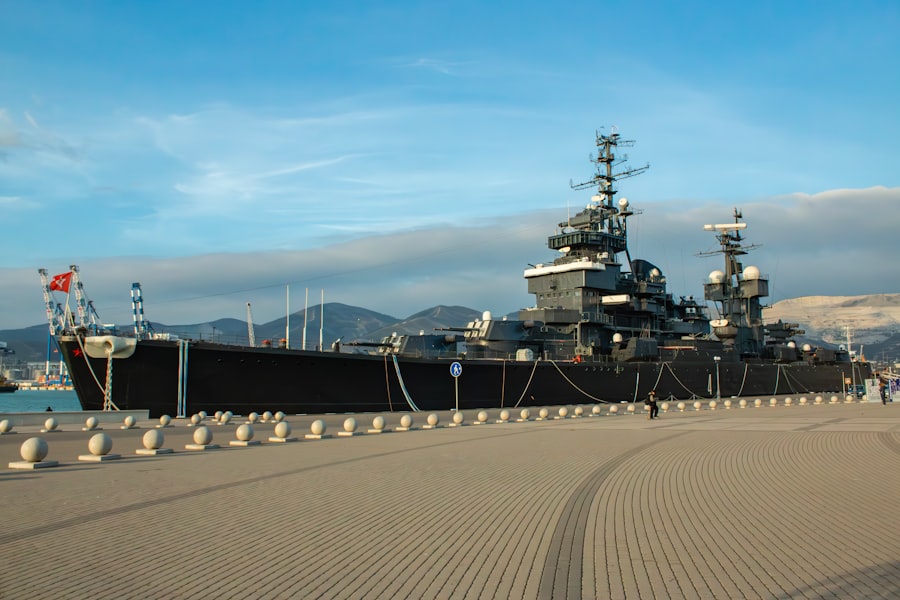
The threats to naval security are diverse and multifaceted, ranging from traditional military confrontations to non-state actors engaging in piracy or terrorism. One of the most pressing concerns is the rise of asymmetric warfare, where smaller, less conventional forces employ tactics that challenge traditional naval capabilities.
Additionally, geopolitical tensions in various regions can escalate into conflicts that directly threaten naval assets. Nations must remain vigilant against potential adversaries who may seek to assert dominance over strategic waterways or disrupt maritime trade routes. Understanding these threats is crucial for developing effective countermeasures and ensuring that naval forces are prepared to respond to any situation that may arise.
Developing and Implementing Effective Security Protocols
To address the myriad threats facing naval security, it is essential to develop and implement effective security protocols tailored to specific operational environments. This process begins with a thorough risk assessment that identifies vulnerabilities within existing systems and procedures. By analyzing past incidents and current intelligence, naval authorities can prioritize areas that require immediate attention.
Once vulnerabilities are identified, the next step involves crafting protocols that address these weaknesses while also considering the unique challenges posed by different maritime environments. For instance, protocols for securing a busy commercial port may differ significantly from those required for a naval base in a conflict zone. The implementation phase must include comprehensive training for personnel to ensure that they are familiar with new procedures and can execute them under pressure.
Training and Education for Naval Security Personnel
| Protocol Name | Description | Implementation Level | Frequency of Review | Compliance Rate (%) |
|---|---|---|---|---|
| Access Control | Regulates personnel and vessel access to naval facilities and ships | High | Quarterly | 98 |
| Communication Encryption | Secures all naval communications using advanced encryption standards | High | Bi-Annual | 95 |
| Surveillance Monitoring | Continuous monitoring of naval bases and surrounding waters | Medium | Monthly | 90 |
| Cybersecurity Defense | Protects naval IT infrastructure from cyber threats and attacks | High | Monthly | 92 |
| Emergency Response Drills | Regular drills to prepare for security breaches or attacks | Medium | Quarterly | 88 |
| Vessel Identification Systems | Use of AIS and radar to identify and track vessels near naval zones | High | Continuous | 97 |
Training and education are fundamental components of any effective naval security strategy. Personnel must be equipped with the knowledge and skills necessary to navigate complex security challenges confidently. This includes not only technical training related to specific equipment or systems but also education on broader security concepts such as threat assessment, crisis management, and inter-agency collaboration.
Regular drills and simulations play a crucial role in preparing personnel for real-world scenarios. These exercises allow teams to practice their responses to various threats in a controlled environment, fostering teamwork and enhancing communication skills. Furthermore, ongoing education ensures that personnel remain up-to-date with the latest developments in maritime security practices and technologies, enabling them to adapt to evolving threats effectively.
Utilizing Technology for Enhanced Naval Security
In an age where technology is rapidly advancing, its integration into naval security operations has become indispensable. Modern naval forces leverage cutting-edge technologies such as surveillance systems, drones, and artificial intelligence to enhance their situational awareness and response capabilities. These tools provide real-time data that can inform decision-making processes and improve overall operational efficiency.
For instance, advanced radar systems can detect potential threats long before they reach critical areas, allowing for proactive measures to be taken. Similarly, unmanned aerial vehicles (UAVs) can conduct reconnaissance missions over vast oceanic expanses without putting personnel at risk. By harnessing these technological advancements, naval forces can significantly bolster their security posture and respond more effectively to emerging threats.
Collaboration and Coordination with Other Maritime Security Agencies
Naval security does not operate in isolation; it requires collaboration and coordination with other maritime security agencies both domestically and internationally. Effective communication between various stakeholders—such as coast guards, customs authorities, and international organizations—ensures a unified approach to addressing maritime threats. This collaboration is particularly vital in combating transnational issues like piracy and human trafficking.
Joint exercises and information-sharing initiatives can enhance interoperability among different agencies, allowing them to respond more effectively to incidents that cross jurisdictional boundaries. By fostering strong partnerships with other maritime entities, naval forces can create a more comprehensive security network that enhances overall maritime safety.
Conducting Regular Security Assessments and Evaluations
Regular security assessments and evaluations are essential for maintaining an effective naval security posture. These assessments involve systematic reviews of existing protocols, technologies, and personnel readiness to identify areas for improvement. By conducting thorough evaluations on a routine basis, naval authorities can ensure that their security measures remain relevant in the face of evolving threats.
Additionally, these assessments provide an opportunity for continuous learning within naval organizations. Lessons learned from past incidents or exercises can inform future strategies and lead to the refinement of existing protocols. This commitment to ongoing evaluation not only enhances operational effectiveness but also instills confidence among personnel that their safety is a top priority.
Response and Crisis Management in Naval Security
In the realm of naval security, effective response and crisis management are critical components of overall preparedness. When incidents occur—whether they involve piracy attempts, natural disasters affecting naval operations, or geopolitical conflicts—swift and coordinated responses are essential to mitigate potential damage. Developing comprehensive crisis management plans ensures that personnel are equipped with clear guidelines on how to react under pressure.
These plans should encompass various scenarios, outlining specific roles for each team member during a crisis situation. Regular training exercises focused on crisis management can help reinforce these protocols, allowing personnel to practice their responses in realistic settings. By prioritizing response readiness, naval forces can minimize the impact of crises on their operations and maintain stability in maritime environments.
Adapting to Evolving Threats in Naval Security
The landscape of naval security is constantly changing as new threats emerge and existing ones evolve. To remain effective, naval forces must be agile in their approach to security measures. This adaptability requires ongoing analysis of global trends, technological advancements, and shifts in geopolitical dynamics that may influence maritime security.
Proactive adaptation involves not only updating existing protocols but also investing in research and development to explore innovative solutions for emerging challenges. Engaging with experts in various fields—such as cybersecurity or international relations—can provide valuable insights into potential future threats. By fostering a culture of adaptability within naval organizations, they can ensure that they remain one step ahead of adversaries.
The Future of Naval Security Enhancements
As the world becomes increasingly interconnected through maritime trade and international relations, the future of naval security will hinge on continuous enhancements across multiple dimensions. The integration of advanced technologies, robust training programs, collaborative efforts with other agencies, and adaptive strategies will be paramount in addressing emerging threats effectively. Looking ahead, it is clear that naval security will require a holistic approach that encompasses not only traditional military capabilities but also innovative solutions tailored to modern challenges.
By prioritizing these enhancements now, nations can ensure that their naval forces remain resilient in the face of evolving threats while safeguarding their maritime interests for generations to come. The commitment to strengthening naval security will ultimately contribute to global stability and prosperity in an increasingly complex maritime environment.
In recent discussions surrounding naval security protocols, the article on naval defense strategies provides valuable insights into the evolving challenges faced by maritime forces. It highlights the importance of integrating advanced technology and intelligence-sharing among allied nations to enhance security measures. As threats in international waters continue to grow, understanding these protocols becomes crucial for maintaining safe and secure naval operations.
FAQs
What are naval security protocols?
Naval security protocols are a set of rules, procedures, and measures designed to protect naval vessels, personnel, and infrastructure from threats such as espionage, sabotage, terrorism, and unauthorized access.
Why are naval security protocols important?
They are crucial for maintaining the safety and operational readiness of naval forces, safeguarding sensitive information, and ensuring the security of maritime borders and national interests.
What types of threats do naval security protocols address?
These protocols address threats including cyber attacks, physical intrusions, sabotage, espionage, piracy, and terrorist activities targeting naval assets.
Who is responsible for enforcing naval security protocols?
Enforcement is typically the responsibility of naval security personnel, including military police, security officers, and specialized units trained in maritime security.
How are naval security protocols implemented on ships?
Implementation includes controlled access points, identification checks, surveillance systems, regular security drills, and strict communication procedures to prevent unauthorized access and respond to incidents.
Are naval security protocols standardized internationally?
While some guidelines are influenced by international maritime laws and agreements, individual navies develop their own protocols tailored to their specific operational needs and threat environments.
How do naval security protocols handle cyber threats?
They include measures such as network security, encryption, regular software updates, monitoring for intrusions, and training personnel in cybersecurity best practices.
Can naval security protocols change over time?
Yes, protocols are regularly reviewed and updated to adapt to evolving threats, technological advancements, and lessons learned from past incidents.
Do naval security protocols involve coordination with other agencies?
Yes, coordination with coast guards, intelligence agencies, and international partners is often essential for comprehensive maritime security.
What role does training play in naval security protocols?
Training ensures that personnel are knowledgeable about security procedures, can recognize potential threats, and respond effectively to security breaches or emergencies.