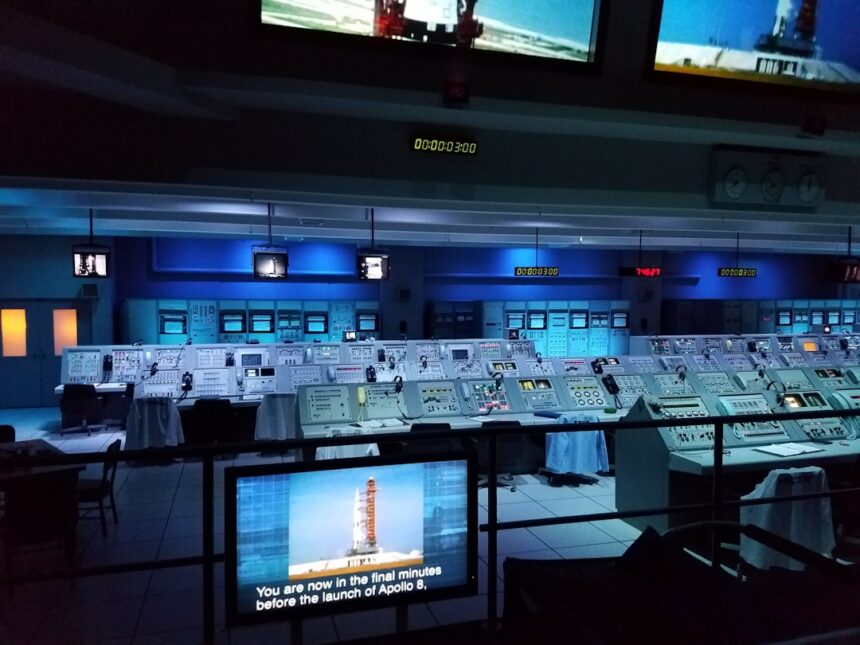
In the submarine control room, critical decision-making is essential for survival and mission success. Submariners face unique challenges including limited visibility, confined spaces, and potential life-threatening situations that require swift and precise decisions. Every choice made in this nerve center of operations has significant consequences for crew safety and mission outcomes.
Critical decision-making in submarine control rooms also has broader implications. Control room decisions can affect strategic military outcomes and international relations, with miscalculations potentially leading to unintended conflicts or escalations. This reality necessitates that control room personnel possess both the proper tools and disciplined mindset to effectively navigate complex scenarios while ensuring their decisions support both tactical objectives and overall mission goals.
Key Takeaways
- Critical decision making is vital for effective submarine control and mission success.
- Training, experience, and communication enhance decision quality under pressure.
- Structured frameworks and protocols guide consistent and ethical choices.
- Managing stress and adapting quickly are essential in high-stakes, unexpected scenarios.
- Continuous learning from past decisions improves future submarine operations.
Understanding the Impact of Decisions on Submarine Operations
The impact of decisions made in the submarine control room reverberates throughout the entire operation. Each choice, whether it pertains to navigation, engagement protocols, or emergency responses, can significantly alter the course of events. For instance, a decision to surface at a critical moment may provide vital intelligence but could also expose the submarine to enemy detection.
Conversely, remaining submerged may enhance stealth but limit communication with command. This duality highlights the intricate balance that must be maintained when making decisions in such a dynamic environment. Furthermore, the consequences of these decisions are not always immediately apparent.
The ripple effects can manifest in various ways, from operational efficiency to crew morale. A well-considered decision can foster confidence among crew members, enhancing teamwork and cohesion. On the other hand, a poorly executed choice can lead to confusion and mistrust, undermining the effectiveness of the entire unit.
Therefore, understanding the broader implications of their decisions is crucial for personnel operating within the submarine control room.
The Role of Training and Experience in Making Critical Decisions

Training and experience play pivotal roles in shaping effective decision-making within submarine operations. Rigorous training programs are designed to prepare crew members for a multitude of scenarios they may encounter while at sea. These programs often include simulations that replicate real-life situations, allowing personnel to practice their decision-making skills under pressure.
Through repeated exposure to various challenges, crew members develop a repertoire of strategies that they can draw upon when faced with critical choices. Experience further enhances this training by providing context and depth to decision-making processes. Seasoned submariners possess an intuitive understanding of how different factors interact within the control room environment.
This combination of training and experience equips personnel with the confidence needed to make sound decisions, even in the most challenging circumstances.
Utilizing Communication and Collaboration in the Control Room
Effective communication and collaboration are essential components of successful decision-making in the submarine control room. Given the confined space and high-pressure environment, clear communication channels must be established to ensure that all crew members are on the same page. This involves not only relaying information accurately but also fostering an atmosphere where team members feel comfortable voicing their opinions and concerns.
Open dialogue can lead to more comprehensive assessments of situations, ultimately resulting in better-informed decisions. Collaboration extends beyond mere communication; it involves leveraging the diverse skills and perspectives of each crew member. In a submarine control room, individuals bring unique expertise to the table, whether it be technical knowledge, tactical insight, or operational experience.
By encouraging collaboration, crews can pool their resources and arrive at decisions that reflect a collective understanding of the situation at hand. This synergy not only enhances decision-making but also strengthens team dynamics, creating a more resilient unit capable of navigating complex challenges.
Implementing Decision-Making Frameworks and Protocols
| Metric | Description | Typical Value | Unit | Importance Level |
|---|---|---|---|---|
| Decision Response Time | Time taken from detection of an event to decision execution | 5-15 | Seconds | High |
| Communication Latency | Delay in communication between control room and submarine systems | 0.1-0.5 | Seconds | Medium |
| Sensor Data Accuracy | Reliability of sensor inputs used for decision making | 95-99 | Percent | High |
| Operator Workload | Level of cognitive load on control room operators | Moderate | Qualitative | High |
| Decision Error Rate | Frequency of incorrect decisions made in control room | 1-3 | Percent | Critical |
| System Redundancy | Number of backup systems available for critical controls | 2-3 | Count | High |
| Training Hours | Average training time for control room operators | 200-300 | Hours | Medium |
| Alarm Frequency | Number of alarms triggered per hour | 5-10 | Count | Medium |
To navigate the complexities of submarine operations effectively, implementing structured decision-making frameworks and protocols is crucial. These frameworks provide a systematic approach to evaluating options and determining courses of action. By adhering to established protocols, crew members can ensure that their decisions are grounded in best practices and operational guidelines.
Moreover, decision-making frameworks often incorporate risk assessment tools that allow personnel to weigh potential outcomes against established criteria. This analytical process enables crews to make informed choices based on data rather than instinct alone.
By integrating these frameworks into their daily operations, submariners can enhance their decision-making capabilities and reduce the likelihood of errors that could jeopardize missions or endanger lives.
Managing Stress and Pressure in High-Stakes Situations
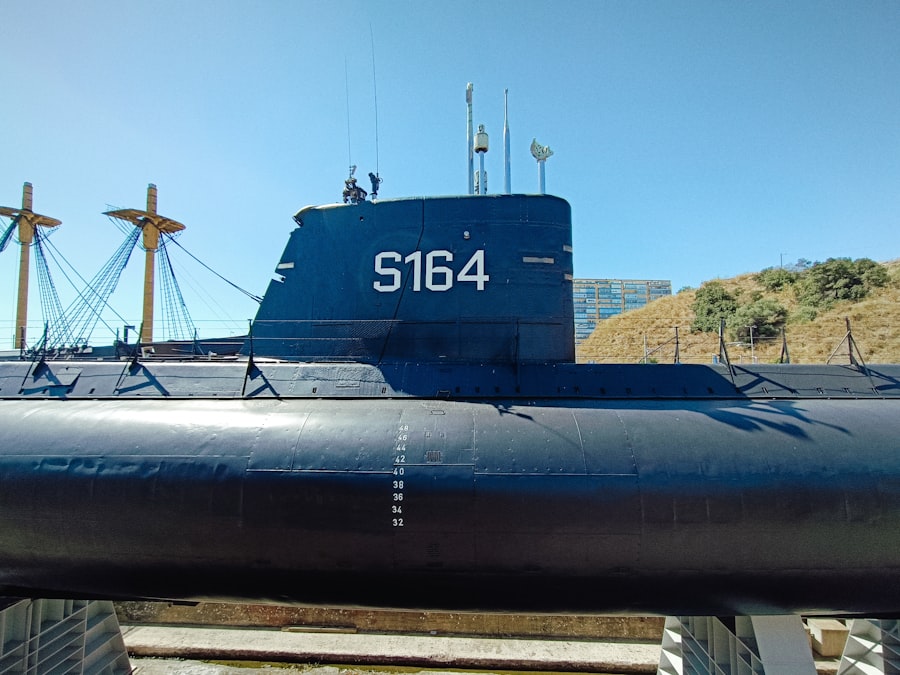
The submarine control room is often characterized by high levels of stress and pressure, particularly during critical operations or emergencies. Managing this stress is essential for effective decision-making; otherwise, anxiety can cloud judgment and lead to hasty choices. Crew members must develop strategies to cope with stressors inherent in their environment, such as time constraints or unexpected developments.
Techniques such as deep breathing exercises or mental visualization can help individuals maintain composure during tense situations. Additionally, fostering a supportive team culture can alleviate some of the pressure experienced in the control room. When crew members feel supported by their peers and leaders, they are more likely to remain calm and focused during high-stakes scenarios.
Encouraging open communication about stressors can also promote resilience within the team, allowing individuals to share coping strategies and learn from one another’s experiences.
Considering Ethical and Moral Implications in Decision Making
In addition to operational considerations, ethical and moral implications must be taken into account when making decisions in the submarine control room. Submariners often face dilemmas that challenge their values and principles, particularly when it comes to engagement rules or potential collateral damage during missions. Navigating these ethical waters requires a strong moral compass and an understanding of the broader implications of their actions.
Crew members must engage in ongoing discussions about ethics within their training programs and operational protocols. By fostering an environment where ethical considerations are openly discussed, submariners can better prepare themselves for difficult decisions that may arise during missions. This proactive approach not only enhances individual decision-making but also contributes to a culture of accountability within the submarine community.
Adapting to Unexpected Situations and Making Quick Decisions
The unpredictable nature of underwater operations means that submariners must be adept at adapting to unexpected situations while making quick decisions. Whether it’s an unforeseen mechanical failure or an unanticipated encounter with another vessel, flexibility is key in these scenarios. Crew members must be trained to think on their feet and respond effectively without succumbing to panic or confusion.
Developing adaptability involves cultivating a mindset that embraces change and uncertainty. Submariners should engage in regular drills that simulate unexpected events, allowing them to practice rapid decision-making under pressure. By honing their ability to pivot quickly while maintaining situational awareness, crews can enhance their overall effectiveness in dynamic environments.
Evaluating Risks and Consequences in the Control Room
Risk evaluation is a fundamental aspect of decision-making in the submarine control room. Each choice carries inherent risks that must be carefully assessed before action is taken. Crew members must weigh potential benefits against possible consequences, considering factors such as mission objectives, crew safety, and operational integrity.
This analytical process requires a thorough understanding of both immediate risks and long-term implications. Moreover, risk evaluation should not be viewed as a one-time assessment; it is an ongoing process that evolves as situations change. Submariners must remain vigilant and continuously reassess risks as new information becomes available or circumstances shift.
By fostering a culture of proactive risk management, crews can enhance their decision-making capabilities while minimizing potential hazards.
Learning from Past Decisions and Applying Lessons to Future Situations
The ability to learn from past decisions is crucial for continuous improvement in submarine operations. After each mission or significant event, crews should engage in debriefings that allow them to reflect on their choices and outcomes. This practice not only promotes accountability but also provides valuable insights that can inform future decision-making processes.
By analyzing both successful decisions and mistakes, submariners can identify patterns and trends that may influence their future actions. This reflective practice encourages a growth mindset within the team, fostering an environment where learning is prioritized over blame. As crews become more adept at applying lessons learned from past experiences, they enhance their overall effectiveness in navigating complex operational challenges.
The Ongoing Process of Developing Decision-Making Skills in Submarine Operations
Developing decision-making skills is not a finite process; it is an ongoing journey that requires commitment and dedication from all personnel involved in submarine operations. Continuous training programs should be implemented to ensure that crew members remain proficient in their decision-making abilities throughout their careers. These programs should incorporate new technologies, evolving tactics, and lessons learned from previous missions.
Additionally, mentorship plays a vital role in this developmental process. Experienced submariners can guide less experienced crew members through complex decision-making scenarios, sharing insights gained from their own journeys. By fostering a culture of mentorship within submarine operations, organizations can cultivate a new generation of skilled decision-makers who are prepared to face the challenges of modern naval warfare.
In conclusion, critical decision-making within the submarine control room is an intricate process influenced by various factors including training, communication, ethical considerations, risk evaluation, and adaptability. As submariners navigate this complex landscape, they must remain committed to continuous improvement and learning from past experiences to ensure mission success while safeguarding their crew’s safety.
In the context of submarine operations, the decision-making process within the control room is critical for mission success and safety. A related article that delves into the intricacies of these decisions can be found at this link. It explores various scenarios and the importance of effective communication and teamwork in high-pressure environments, which are essential for the crew’s ability to respond to challenges while submerged.
FAQs
What is the primary function of a submarine control room?
The primary function of a submarine control room is to serve as the central command center where the submarine’s navigation, propulsion, and weapons systems are monitored and controlled. It is where critical decisions are made to ensure the safety and mission success of the submarine.
Who typically works in a submarine control room?
A submarine control room is staffed by a team of trained personnel, including the commanding officer, executive officer, navigation officers, sonar operators, and other technical specialists. Each member has specific roles related to operating and managing the submarine’s systems.
What types of decisions are made in the submarine control room?
Decisions made in the submarine control room include navigation routes, speed adjustments, depth changes, tactical maneuvers, sonar and sensor operations, communication protocols, and responses to emergencies or threats.
How is information displayed and managed in a submarine control room?
Information in a submarine control room is displayed on various consoles, screens, and control panels that provide real-time data on the submarine’s position, speed, depth, sonar readings, and system statuses. Operators use this information to make informed decisions quickly.
What technologies are commonly used in submarine control rooms?
Common technologies include sonar systems, radar, periscopes, navigation computers, communication equipment, automated control systems, and advanced monitoring software that assist in situational awareness and decision-making.
How do submarine crews train for decision-making in the control room?
Submarine crews undergo rigorous training that includes simulations, drills, and classroom instruction to develop skills in teamwork, situational awareness, crisis management, and technical operation of control room systems.
What role does communication play in the submarine control room?
Communication is critical in the control room for coordinating actions among crew members, relaying information to other parts of the submarine, and maintaining contact with command centers or other vessels.
How are emergency situations handled in the submarine control room?
In emergencies, the control room team follows established protocols to assess the situation, make rapid decisions to mitigate risks, and coordinate responses such as damage control, evacuation procedures, or tactical maneuvers.
Can decisions in the submarine control room affect the outcome of military missions?
Yes, decisions made in the control room directly impact the success of military missions by determining the submarine’s stealth, positioning, engagement strategies, and overall operational effectiveness.
How has submarine control room technology evolved over time?
Submarine control room technology has evolved from manual gauges and analog controls to highly automated digital systems with integrated displays, advanced sensors, and computer-assisted decision-making tools, enhancing precision and efficiency.