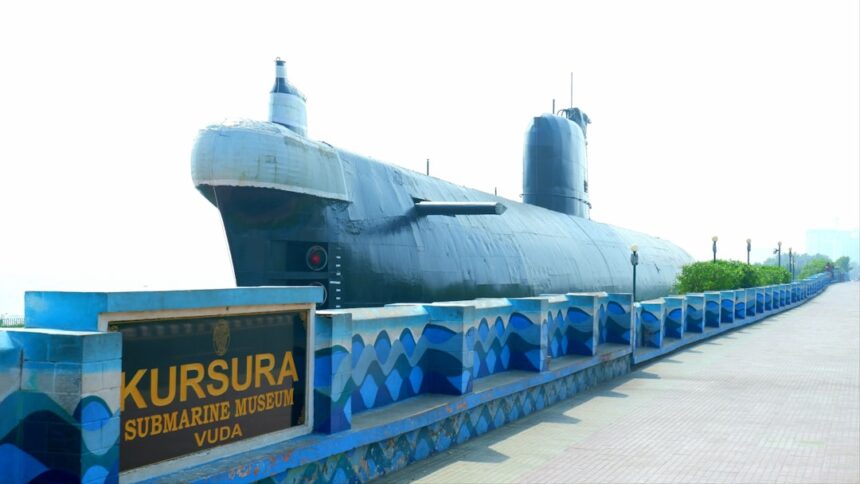
The Cuban Missile Crisis, which unfolded in October 1962, stands as one of the most critical moments in the history of the Cold War. This tense confrontation between the United States and the Soviet Union was sparked by the discovery of Soviet nuclear missiles stationed in Cuba, just 90 miles from the U.S. mainland. The crisis lasted for 13 harrowing days, during which the world teetered on the brink of nuclear war. The stakes were extraordinarily high, as both superpowers grappled with the implications of a potential conflict that could lead to catastrophic consequences. In the backdrop of this geopolitical standoff lay a complex web of historical tensions, ideological differences, and military posturing. The United States had long been wary of Soviet expansionism, particularly in Latin America, while the Soviets sought to counter U.S. influence in the region. The placement of missiles in Cuba was a strategic move by Soviet Premier Nikita Khrushchev, aimed at leveling the playing field against U.S. nuclear capabilities. As the crisis unfolded, it became clear that the decisions made during this period would have lasting implications for international relations and military strategy.
Key Takeaways
- The Cuban Missile Crisis was a pivotal Cold War confrontation triggered by the discovery of Soviet missiles in Cuba.
- Submarines played a critical role in gathering intelligence and monitoring Soviet activities during the crisis.
- Submarine crews faced intense tension and pressure while carrying out secret missions under extreme conditions.
- The effective use of submarines helped prevent nuclear war by providing crucial information and strategic advantage.
- The legacy of submarine operations during the crisis influenced Cold War strategy and continues to impact national security today.
The United States’ Discovery of Soviet Missiles in Cuba
The discovery of Soviet missiles in Cuba was a pivotal moment that ignited the Cuban Missile Crisis. On October 15, 1962, American U-2 reconnaissance flights captured photographic evidence of missile installations being constructed on the island. This intelligence was alarming, as it indicated that the Soviets were not only capable of striking the U.S.
mainland but were also willing to do so from a location that was alarmingly close. The images revealed a stark reality: the balance of power in the Cold War was shifting, and the United States was facing an unprecedented threat. In response to this discovery, President John F.
Kennedy convened a group of advisors known as the Executive Committee of the National Security Council (ExComm). This group deliberated on various options, ranging from diplomatic negotiations to military action. The tension within ExComm was palpable, as members debated the potential consequences of each course of action.
Ultimately, Kennedy decided to impose a naval blockade around Cuba, a move intended to prevent further shipments of military supplies to the island while allowing time for diplomatic negotiations to unfold.
The Role of Submarines in the Cuban Missile Crisis

Submarines played a crucial role during the Cuban Missile Crisis, serving as both a deterrent and a means of intelligence gathering. At the time, the United States operated a fleet of nuclear-powered submarines that were capable of launching ballistic missiles. These submarines provided a strategic advantage, as they could remain hidden beneath the ocean’s surface while being poised to respond to any threats.
Their stealth and mobility made them an essential component of U.S. military strategy during this tense period. Moreover, submarines were not only instrumental in projecting power but also in gathering vital intelligence on Soviet activities in Cuba.
As tensions escalated, U.S. submarines were deployed to monitor Soviet naval movements and assess the situation on the ground in Cuba. This intelligence-gathering capability allowed U.S.
leaders to make informed decisions regarding their response to the crisis, highlighting the importance of submarines in modern warfare.
How Submarines Gathered Intelligence in the Crisis
The intelligence-gathering efforts of submarines during the Cuban Missile Crisis were multifaceted and sophisticated. Submarines utilized advanced sonar technology to detect enemy vessels and monitor communications between Soviet ships and their bases. This capability allowed U.S. forces to track Soviet naval movements and assess their intentions without revealing their own positions. Additionally, submarines conducted covert surveillance missions near Cuban waters, gathering information on missile sites and troop deployments. These missions were fraught with risk, as they required submarines to operate close to enemy territory while remaining undetected. The information collected during these operations proved invaluable, providing U.S. leaders with a clearer understanding of the situation on the ground and informing their strategic decisions throughout the crisis.
The Tension and Pressure Faced by Submarine Crews
| Metric | Details |
|---|---|
| Submarine Name | B-59 |
| Type | Foxtrot-class diesel-electric submarine |
| Year of Incident | 1962 |
| Location | Near Cuba, Caribbean Sea |
| Number of Officers on Board | Approximately 90 |
| Duration of Submerged Operation | Several days under extreme conditions |
| Critical Event | Launch of a nuclear torpedo was considered |
| Decision Maker | Vasili Arkhipov (Second-in-command) |
| Outcome | Submarine surfaced, nuclear launch averted |
| Significance | Prevented potential nuclear war escalation |
The crews aboard U.S. submarines during the Cuban Missile Crisis faced immense pressure and tension as they operated in a high-stakes environment. With the threat of nuclear war looming, submarine personnel were acutely aware of their critical role in national security.
The psychological toll of such an environment was significant; crew members had to remain vigilant while navigating complex operational challenges. Moreover, communication with command centers was often limited due to operational security concerns. This isolation added to the stress experienced by submarine crews, who had to rely on their training and instincts to carry out their missions effectively.
The weight of responsibility was heavy; they understood that their actions could have far-reaching consequences for global peace and security.
Submarine’s Secret Missions during the Crisis
Throughout the Cuban Missile Crisis, U.S. submarines undertook several secret missions that were crucial to gathering intelligence and maintaining a strategic advantage over the Soviets. One notable operation involved deploying submarines close to Cuban waters to monitor Soviet naval activity and assess missile readiness.
These missions were conducted under strict secrecy, with crews operating under orders to avoid detection at all costs. In addition to surveillance operations, some submarines were tasked with preparing for potential retaliatory strikes if hostilities escalated. This dual role—gathering intelligence while remaining prepared for combat—highlighted the versatility and importance of submarines during this critical period.
The ability to adapt quickly to changing circumstances made them an invaluable asset in U.S. military strategy.
The Crucial Role of Submarines in Preventing Nuclear War
Submarines played a pivotal role in preventing nuclear war during the Cuban Missile Crisis by serving as a deterrent against Soviet aggression. The presence of U.S. nuclear submarines in strategic locations sent a clear message to the Soviets: any attack on American soil would be met with a devastating response from beneath the waves.
This deterrent effect was crucial in dissuading Soviet leaders from escalating tensions further. Moreover, submarines provided U.S. leaders with critical intelligence that informed their decision-making processes throughout the crisis.
By monitoring Soviet activities and assessing missile readiness, submarines helped ensure that American responses were measured and calculated rather than reactionary.
The Legacy of Submarines in the Cuban Missile Crisis
The legacy of submarines during the Cuban Missile Crisis is profound and far-reaching. Their role in intelligence gathering and deterrence reshaped military strategy for decades to come. The crisis underscored the importance of maintaining a robust submarine fleet capable of operating effectively in high-stakes environments, leading to increased investment in submarine technology and capabilities.
Furthermore, lessons learned from submarine operations during this period influenced subsequent Cold War strategies and military doctrines. The emphasis on stealth, mobility, and intelligence gathering became central tenets of modern naval warfare, shaping how nations approached maritime security in an increasingly complex geopolitical landscape.
The Impact of Submarine Operations on Cold War Strategy
Submarine operations during the Cuban Missile Crisis had a lasting impact on Cold War strategy by highlighting the importance of undersea warfare in maintaining national security. As both superpowers recognized the effectiveness of submarines as deterrents and intelligence-gathering assets, they invested heavily in developing advanced submarine technologies and capabilities. This shift in focus led to an arms race not only on land but also beneath the waves, with both nations striving to enhance their submarine fleets’ capabilities.
The lessons learned from the Cuban Missile Crisis informed military planning for future conflicts and shaped how nations approached deterrence strategies throughout the remainder of the Cold War.
The Untold Stories of Submarines and the Cuban Missile Crisis
While much has been written about the political dynamics of the Cuban Missile Crisis, many untold stories exist regarding submarine operations during this tense period. The experiences of submarine crews—often overshadowed by high-level political discussions—offer valuable insights into the human element of military operations. These stories reveal not only the technical challenges faced by crews but also their personal sacrifices and dedication to their missions.
Many crew members operated under extreme stress and uncertainty, knowing that their actions could determine the fate of nations. Their bravery and commitment remain an essential part of understanding how submarines contributed to averting disaster during one of history’s most perilous moments.
The Continued Importance of Submarines in National Security
The importance of submarines in national security remains relevant today as nations continue to navigate complex geopolitical landscapes marked by emerging threats and evolving military technologies. Modern submarines are equipped with advanced capabilities that allow them to conduct a wide range of missions, from intelligence gathering to strategic deterrence. As global tensions persist, submarines continue to serve as vital assets for maintaining peace and stability.
Their stealthy nature allows them to operate undetected while providing critical information that informs national security strategies. In an era where threats can emerge rapidly and unpredictably, submarines remain an indispensable component of modern military operations, ensuring that nations are prepared for any eventuality while safeguarding global security interests.
The Cuban Missile Crisis was a pivotal moment in Cold War history, and the role of submarines during this tense period is often overlooked. For a deeper understanding of the strategic implications and the naval operations that took place, you can read more in the article available at this link. This article provides valuable insights into the underwater maneuvers and the critical decisions made by commanders during the crisis.
FAQs
What was the Cuban Missile Crisis?
The Cuban Missile Crisis was a 13-day confrontation in October 1962 between the United States and the Soviet Union over the presence of Soviet ballistic missiles in Cuba. It is considered one of the closest moments the Cold War came to escalating into a full-scale nuclear war.
What role did submarines play in the Cuban Missile Crisis?
Soviet submarines were deployed near Cuba during the crisis as part of the Soviet naval presence. Some of these submarines were armed with nuclear torpedoes and were involved in tense encounters with the U.S. Navy, which was enforcing a naval blockade around Cuba.
Were there any close calls involving submarines during the crisis?
Yes, there were several tense moments involving Soviet submarines. One notable incident involved the Soviet submarine B-59, which was nearly forced to launch a nuclear torpedo after being depth-charged by U.S. forces attempting to force it to surface. The decision to launch was narrowly averted by the submarine’s captain and political officer.
How did the submarine incident affect the outcome of the crisis?
The submarine incident highlighted the extreme risks of miscalculation during the crisis. The restraint shown by the Soviet submarine commanders helped prevent a potential nuclear exchange, contributing to the peaceful resolution of the crisis.
What lessons were learned from the submarine story of the Cuban Missile Crisis?
The incident underscored the dangers of nuclear weapons at sea and the importance of clear communication and command control. It also led to improved protocols and agreements between the U.S. and Soviet Union to reduce the risk of accidental nuclear war.
Are there any books or documentaries about the Cuban Missile Crisis submarine story?
Yes, several books and documentaries explore the submarine aspect of the Cuban Missile Crisis, including firsthand accounts from Soviet submarine officers and analyses by historians. These resources provide detailed insights into the tense underwater encounters during the crisis.