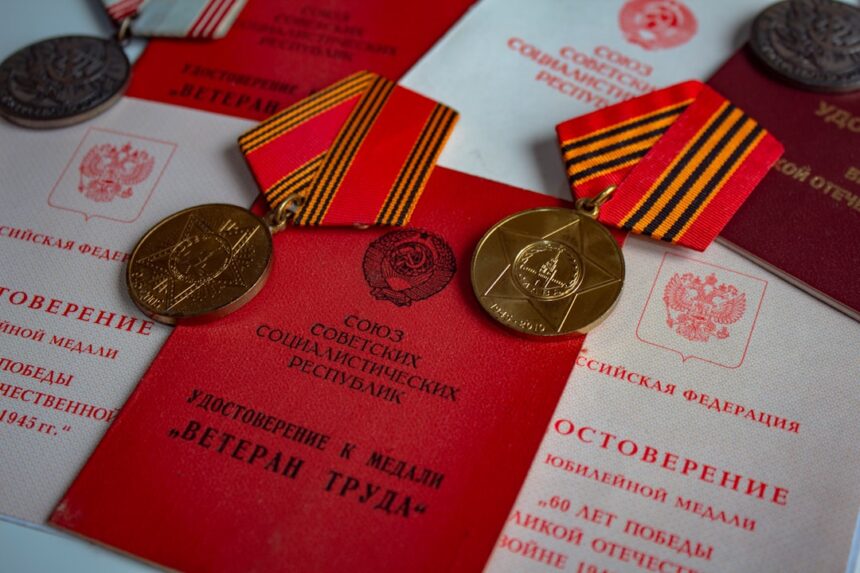
The Armed Forces of the Union of Soviet Socialist Republics (USSR) constituted one of the world’s largest military organizations from 1918 to 1991. Following the Russian Revolution of 1917, the Soviet government established the Workers’ and Peasants’ Red Army in February 1918, which later became the foundation of the Soviet military system. The Soviet military underwent substantial organizational changes throughout its existence.
Initially formed to fight in the Russian Civil War (1918-1921), it expanded significantly during the interwar period and World War II. By 1945, the Soviet military had grown to approximately 11.3 million personnel, making it the largest military force in the world at that time.
The Ground Forces represented the largest component, reflecting Soviet military doctrine that emphasized land-based operations and territorial defense. The military operated under a centralized command structure directed by the Ministry of Defense and ultimately controlled by the Communist Party leadership. During the Cold War period (1947-1991), the Soviet military maintained between 3-5 million active personnel and possessed the world’s largest nuclear arsenal alongside the United States.
The military’s primary functions included defending Soviet territory, supporting allied communist governments, and projecting power in regions of strategic interest to the USSR. The Soviet military dissolved in December 1991 following the collapse of the Soviet Union, with its assets and personnel distributed among the fifteen newly independent republics, with Russia inheriting the majority of the military infrastructure and nuclear weapons.
Key Takeaways
- The Soviet military played a crucial role in World War II, employing large-scale operations and significant manpower.
- During the Cold War, the Soviet military focused on strategic deterrence and maintaining a strong nuclear arsenal.
- The Soviet military’s involvement in Afghanistan highlighted challenges in guerrilla warfare and prolonged conflict.
- Special forces and the doctrine of Deep Battle were key components of Soviet military strategy for rapid and deep penetration of enemy lines.
- The Soviet military significantly influenced Eastern Bloc countries and contributed to space exploration efforts during its existence.
The Soviet Military’s Operations during World War II
During World War II, the Soviet military faced unprecedented challenges that tested its resilience and adaptability. Initially caught off guard by the German invasion in June 1941, known as Operation Barbarossa, the Red Army suffered significant losses in personnel and equipment. However, as the war progressed, it underwent a remarkable transformation.
The Soviets implemented extensive reforms, improving training, logistics, and command structures. This evolution was crucial in turning the tide against Nazi Germany, culminating in significant victories at battles such as Stalingrad and Kursk. The Soviet military’s operations were characterized by a combination of brute force and strategic ingenuity.
The Red Army employed mass infantry assaults supported by artillery barrages, which were often devastatingly effective against German positions.
The successful encirclement of German troops at Stalingrad marked a turning point in the war, showcasing the resilience and determination of Soviet soldiers.
By the war’s end in 1945, the Soviet military had not only liberated vast swathes of Eastern Europe but had also established itself as a dominant force on the global stage.
The Soviet Military’s Strategies during the Cold War
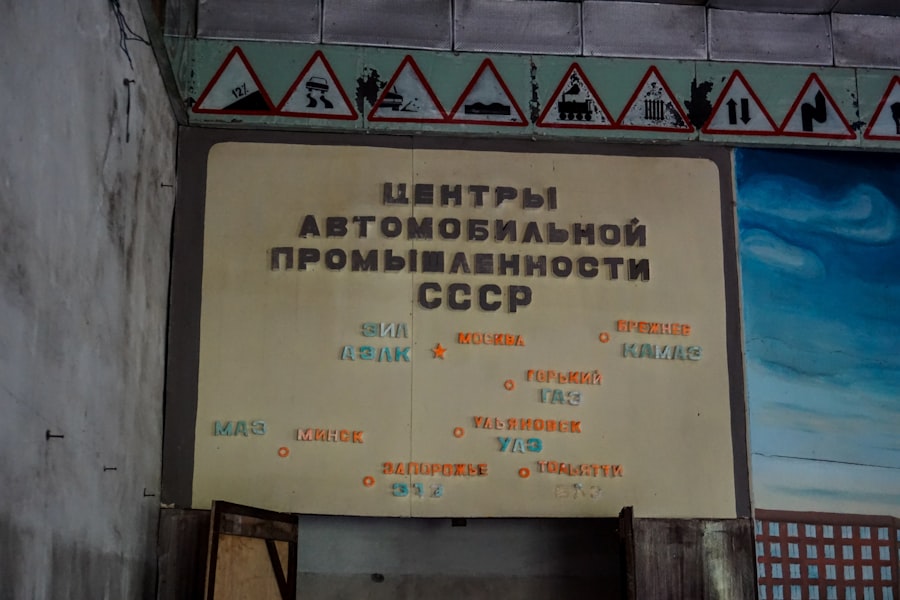
In the aftermath of World War II, the Soviet military adapted its strategies to meet the challenges posed by a new geopolitical landscape defined by the Cold War. The primary focus shifted from conventional warfare to deterrence and containment strategies aimed at countering Western influence, particularly that of the United States and NATO allies. The doctrine of “Mutually Assured Destruction” (MAD) became central to Soviet military thinking, emphasizing the need for a robust nuclear arsenal capable of deterring any potential aggression.
The Soviet military also invested heavily in asymmetric warfare strategies, recognizing that direct confrontation with NATO forces could lead to catastrophic consequences. This led to an emphasis on proxy wars and support for revolutionary movements around the globe. The Soviet Union provided military aid and training to various insurgent groups in Asia, Africa, and Latin America, seeking to expand its influence while avoiding direct conflict with Western powers.
This multifaceted approach allowed the USSR to project power without overextending its resources or risking nuclear confrontation.
The Soviet Military’s Involvement in Afghanistan
The Soviet invasion of Afghanistan in December 1979 marked a significant chapter in the history of the Soviet military and its foreign policy. Initially justified as a means to support a friendly communist regime facing internal strife, the invasion quickly escalated into a protracted conflict that would become known as the “Soviet Vietnam.” The Red Army faced fierce resistance from Afghan mujahideen fighters who employed guerrilla tactics and received support from various international actors, including the United States. The challenges faced by the Soviet military in Afghanistan highlighted significant shortcomings in its operational strategies and tactics.
Despite possessing superior firepower and technology, the Red Army struggled to adapt to the rugged terrain and unconventional warfare tactics employed by Afghan fighters. The conflict became increasingly unpopular domestically, leading to growing dissent within Soviet society. Ultimately, after nearly a decade of fighting, the Soviet Union withdrew its forces in 1989, marking a significant defeat that contributed to the eventual dissolution of the USSR.
The Soviet Military’s Approach to Nuclear Warfare
| Operation Name | Year | Theater | Objective | Outcome | Casualties (Soviet) |
|---|---|---|---|---|---|
| Operation Barbarossa (Defense) | 1941 | Eastern Front, WWII | Defend against German invasion | Initial setbacks, eventual Soviet counteroffensive | Over 4 million |
| Operation Bagration | 1944 | Eastern Front, WWII | Destroy German Army Group Centre | Decisive Soviet victory | ~180,000 |
| Battle of Stalingrad | 1942-1943 | Eastern Front, WWII | Capture and defend Stalingrad | Turning point, Soviet victory | ~1.1 million |
| Operation Uranus | 1942 | Eastern Front, WWII | Encircle German 6th Army at Stalingrad | Successful encirclement | ~200,000 |
| Afghan War (Soviet Invasion) | 1979-1989 | Afghanistan | Support communist government, suppress Mujahideen | Protracted conflict, Soviet withdrawal | ~15,000 |
| Operation Danube | 1968 | Czechoslovakia | Suppress Prague Spring reforms | Successful occupation | Minimal military casualties |
The Soviet military’s approach to nuclear warfare was shaped by both ideological beliefs and pragmatic considerations. Following World War II, the USSR recognized that nuclear weapons would play a crucial role in maintaining its status as a superpower. The development of an extensive nuclear arsenal was seen not only as a deterrent against Western aggression but also as a means to assert dominance on the global stage.
The doctrine of nuclear deterrence became central to Soviet military strategy, emphasizing the need for a credible second-strike capability. Soviet leaders understood that nuclear weapons could alter the balance of power and sought to develop a diverse range of delivery systems, including intercontinental ballistic missiles (ICBMs), submarine-launched ballistic missiles (SLBMs), and strategic bombers. This diversification aimed to ensure that even in the event of a first strike by an adversary, the USSR would retain sufficient capability to respond decisively.
The arms race with the United States led to significant investments in research and development, resulting in increasingly sophisticated nuclear technologies that would shape global security dynamics for decades.
The Soviet Military’s Use of Special Forces
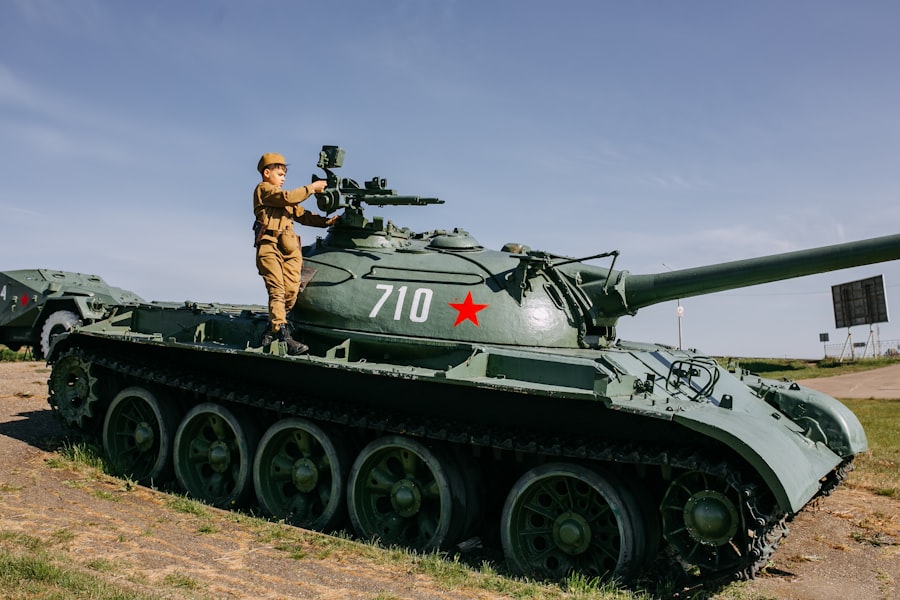
The Soviet military’s use of special forces was an integral component of its overall strategy, particularly during periods of heightened tension and conflict. Known as Spetsnaz, these elite units were tasked with conducting reconnaissance missions, sabotage operations, and direct action against enemy targets. Trained in various forms of warfare, including guerrilla tactics and counterinsurgency operations, Spetsnaz units were often deployed in situations where conventional forces would be less effective.
The effectiveness of Spetsnaz was demonstrated during various conflicts, including operations in Afghanistan and interventions in Eastern Europe. Their ability to operate behind enemy lines and execute high-stakes missions made them valuable assets for Soviet military planners. However, their activities also raised ethical questions regarding covert operations and their impact on civilian populations.
Despite these concerns, Spetsnaz remained a symbol of Soviet military prowess and adaptability throughout much of the Cold War.
The Soviet Military’s Doctrine of Deep Battle
The doctrine of Deep Battle emerged as a defining feature of Soviet military strategy during the interwar period and continued to influence operations throughout World War II and beyond. This approach emphasized coordinated attacks across multiple echelons of enemy defenses, aiming to disrupt command structures and logistics while exploiting weaknesses in enemy formations. By integrating air power, artillery support, and mechanized infantry into a cohesive strategy, Soviet commanders sought to achieve rapid breakthroughs on the battlefield.
Deep Battle was characterized by its emphasis on speed and maneuverability rather than static defense. This doctrine allowed for flexible responses to changing battlefield conditions and facilitated encirclement tactics that proved successful during key engagements in World War
The Soviet Military’s Air and Naval Operations
The air and naval branches of the Soviet military played crucial roles in projecting power beyond land borders and ensuring national security during both peacetime and conflict. The Soviet Air Force (VVS) developed into one of the largest air forces globally, focusing on both strategic bombing capabilities and air superiority missions. Advanced fighter aircraft such as the MiG series became symbols of Soviet aviation prowess while also serving as deterrents against potential adversaries.
Naval operations were equally significant for the USSR, particularly in establishing a formidable presence in key maritime regions such as the Mediterranean Sea and the Arctic Ocean. The Soviet Navy underwent substantial modernization efforts during the Cold War, expanding its fleet with nuclear-powered submarines and aircraft carriers designed for blue-water operations. These advancements allowed for greater operational flexibility and enhanced deterrence capabilities against NATO naval forces.
The Soviet Military’s Role in Space Exploration
The Soviet military’s involvement in space exploration was driven by both scientific ambition and strategic considerations during the Cold War era. Following World War II, space became a new frontier for competition between superpowers, with both the United States and USSR seeking to demonstrate technological superiority. The launch of Sputnik 1 in 1957 marked a watershed moment for Soviet space achievements, showcasing their capabilities not only in science but also in military applications such as reconnaissance satellites.
The military’s interest in space extended beyond mere exploration; it encompassed developing systems for early warning detection and missile guidance. The establishment of programs like Vostok and later Soyuz reflected an understanding that control over space would be critical for national security. As satellite technology advanced, it provided invaluable intelligence-gathering capabilities that enhanced situational awareness for military planners.
The Soviet Military’s Influence on Eastern Bloc Countries
The influence of the Soviet military extended beyond its borders into Eastern Bloc countries during the Cold War period. Following World War II, many nations in Eastern Europe fell under Soviet control or influence, leading to significant military cooperation between these states and Moscow. The Warsaw Pact was established as a collective defense alliance among communist nations, serving as a counterbalance to NATO while facilitating joint military exercises and coordination.
Soviet military doctrine heavily influenced Eastern Bloc armed forces’ training programs and operational strategies. Countries such as Poland, Czechoslovakia, and Hungary adopted similar organizational structures and tactics based on Soviet models. This integration ensured that these nations could be mobilized quickly in times of crisis while reinforcing Moscow’s control over regional security dynamics.
The Legacy of the Soviet Military
The legacy of the Soviet military is complex and multifaceted, reflecting both its achievements and failures throughout its history. On one hand, it played a crucial role in defeating Nazi Germany during World War II and establishing itself as a superpower during the Cold War era. Its innovations in military strategy, technology development, and space exploration left an indelible mark on global affairs.
However, the eventual decline of the Soviet Union revealed significant weaknesses within its military structure and strategy. The costly war in Afghanistan exposed operational shortcomings while contributing to domestic discontent that ultimately led to political upheaval. Today, remnants of Soviet military doctrine continue to influence modern armed forces worldwide while serving as cautionary tales about overreach and miscalculation in international relations.
As nations reflect on this legacy, they grapple with understanding how past conflicts shape contemporary security challenges.
The complexities of Soviet military operations during the Cold War era are thoroughly examined in a related article that provides insights into their strategic maneuvers and tactics. For a deeper understanding of these operations, you can read more in this article: Soviet Military Operations.
FAQs
What were the main objectives of Soviet military operations?
Soviet military operations primarily aimed to defend the Soviet Union’s territorial integrity, expand its influence, and support communist movements worldwide. During World War II, the main objective was to repel the Nazi invasion and eventually defeat Germany. In the Cold War era, operations focused on maintaining control over Eastern Europe and countering NATO forces.
During which conflicts were Soviet military operations most significant?
Soviet military operations were most significant during World War II, particularly on the Eastern Front against Nazi Germany. They were also crucial during the Soviet-Afghan War (1979-1989) and various Cold War proxy conflicts, including interventions in Hungary (1956), Czechoslovakia (1968), and support for allied regimes in Africa, Asia, and Latin America.
What was the scale of Soviet military operations during World War II?
Soviet military operations during World War II involved millions of troops and vast resources. The Red Army conducted large-scale offensives such as the Battle of Stalingrad and the Battle of Kursk, which were pivotal in turning the tide against Nazi Germany. The operations spanned thousands of kilometers across Eastern Europe and resulted in significant casualties on both sides.
How did Soviet military doctrine influence their operations?
Soviet military doctrine emphasized deep operations, combined arms tactics, and the use of massed artillery and armored units. This approach aimed to penetrate enemy lines quickly and disrupt their rear areas. The doctrine evolved over time, incorporating lessons from World War II and adapting to nuclear and mechanized warfare during the Cold War.
What role did technology and equipment play in Soviet military operations?
Technology and equipment were central to Soviet military operations. The Red Army utilized tanks like the T-34, artillery, aircraft, and later nuclear weapons to achieve strategic objectives. The Soviet Union invested heavily in developing and deploying advanced military hardware to maintain parity with NATO forces.
How did Soviet military operations impact global geopolitics?
Soviet military operations significantly influenced global geopolitics by shaping the balance of power during the 20th century. Their actions contributed to the outcome of World War II, the establishment of the Eastern Bloc, and the dynamics of the Cold War. Soviet interventions often escalated regional conflicts and affected international relations.
What were some challenges faced by Soviet military operations?
Challenges included logistical difficulties across vast territories, harsh weather conditions, and initial setbacks during World War II. Political interference sometimes affected military decisions, and the Soviet military faced issues with morale and equipment quality in certain periods. Additionally, prolonged conflicts like the Afghan War strained resources and public support.
How did Soviet military operations evolve after the dissolution of the Soviet Union?
After the Soviet Union dissolved in 1991, many former Soviet military units were reorganized under the Russian Federation and other successor states. The scale and scope of operations decreased, with a shift towards modernization and professionalization. Russia’s military engagements have since focused on regional conflicts and peacekeeping missions.