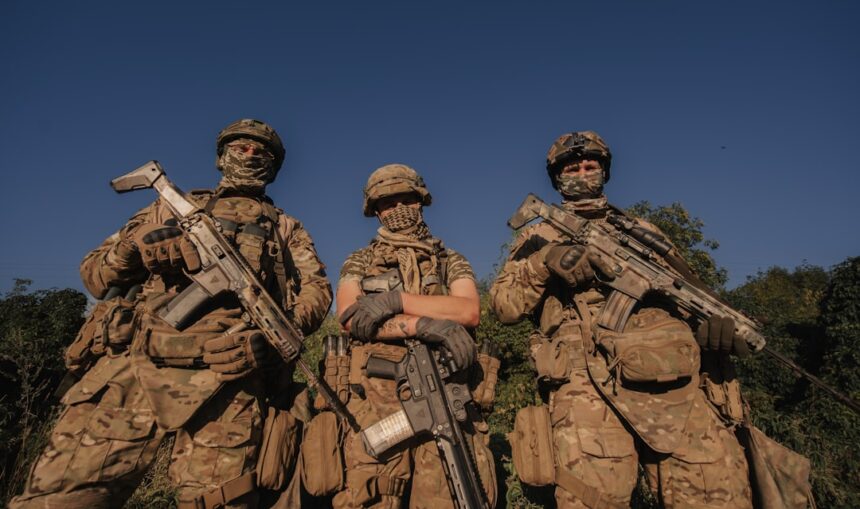
In today’s rapidly changing environment, adaptability is essential, particularly during crises. Adaptable leadership enables effective responses to unexpected challenges, helping organizations navigate difficulties with resilience. When crises occur, established strategies may become ineffective, requiring leaders to embrace change and maintain flexibility.
This approach facilitates both immediate crisis response and establishes a foundation for subsequent recovery and development. Adaptability functions as both a reactive and proactive strategy. It involves anticipating potential challenges and developing preparedness measures.
Leaders who emphasize adaptability create conditions that encourage innovation, allowing teams to develop novel approaches. This forward-looking perspective is crucial in crisis management, enabling organizations to adjust quickly and efficiently, reducing disruption while enhancing recovery opportunities. Ultimately, adaptability serves as a fundamental element of effective crisis leadership, strengthening organizational resilience.
Key Takeaways
- Adaptability is crucial for effective crisis management and leadership.
- Military leadership principles can enhance decision-making and resilience during crises.
- Flexibility, agility, and clear communication are key to navigating high-stress environments.
- Supporting personnel well-being and maintaining morale strengthens crisis response.
- Learning from past crises and collaborating with partners improves future outcomes.
Recognizing the Unique Challenges of Crisis Situations
Crisis situations present a myriad of unique challenges that can test the mettle of even the most seasoned leaders. One of the primary difficulties lies in the unpredictability of crises; they can arise suddenly and escalate rapidly, leaving little time for preparation. This unpredictability can create a sense of chaos, making it challenging for leaders to maintain control and provide clear direction.
Additionally, crises often involve high stakes, where decisions made in the heat of the moment can have far-reaching consequences for individuals, organizations, and communities alike. Another significant challenge during a crisis is the emotional toll it takes on personnel. Fear, uncertainty, and anxiety can permeate an organization, affecting morale and productivity.
Leaders must navigate these emotional landscapes while simultaneously addressing operational needs. This dual responsibility requires a delicate balance of empathy and decisiveness. Recognizing these unique challenges is crucial for leaders as they develop strategies to manage crises effectively.
By understanding the complexities involved, leaders can better prepare themselves and their teams to face adversity head-on.
Leveraging Military Leadership Principles in Crisis Management
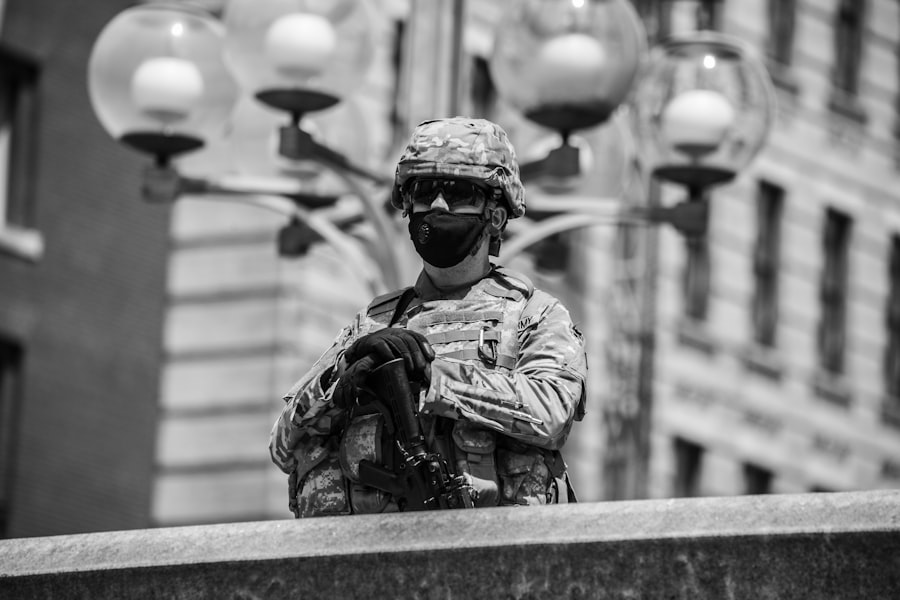
Military leadership principles offer valuable insights into effective crisis management. The military is renowned for its structured approach to leadership, emphasizing discipline, strategic planning, and teamwork. One key principle is the importance of clear communication.
In high-pressure situations, military leaders are trained to convey information succinctly and effectively, ensuring that all team members understand their roles and responsibilities. This clarity is essential in crisis management, where miscommunication can lead to confusion and exacerbate the situation. Additionally, military leadership emphasizes the significance of decisive action.
In a crisis, hesitation can be detrimental; therefore, leaders must be prepared to make informed decisions swiftly. This decisiveness is often supported by thorough training and preparation, allowing military leaders to act confidently even in uncertain circumstances. By adopting these military principles, civilian leaders can enhance their crisis management capabilities, fostering a culture of accountability and resilience within their organizations.
Embracing Flexibility and Agility in Decision Making
Flexibility and agility are critical components of effective decision-making during a crisis. The ability to pivot quickly in response to changing circumstances can mean the difference between success and failure. Leaders who embrace flexibility are more likely to explore alternative solutions and adapt their strategies as new information emerges.
This willingness to adjust course fosters an environment where innovation can flourish, enabling teams to tackle challenges creatively. Moreover, agility in decision-making allows leaders to respond to crises in real-time. By remaining open to new ideas and approaches, leaders can harness the collective intelligence of their teams, drawing on diverse perspectives to inform their decisions.
This collaborative approach not only enhances problem-solving but also empowers team members, fostering a sense of ownership and commitment to the organization’s goals. In times of crisis, such agility becomes invaluable, as it enables organizations to navigate complexities with confidence and resilience.
Fostering a Culture of Resilience and Innovation
| Metric | Description | Typical Value/Range | Significance in Crisis |
|---|---|---|---|
| Decision-Making Speed | Time taken to make critical decisions | Seconds to minutes | Faster decisions can prevent escalation and save lives |
| Communication Clarity | Effectiveness of conveying orders and information | High clarity (measured by error rate & feedback) | Reduces misunderstandings and operational errors |
| Stress Resilience | Ability to maintain composure under pressure | High resilience scores in psychological assessments | Ensures consistent leadership and morale |
| Adaptability | Capacity to adjust strategies in dynamic situations | High adaptability rating in after-action reviews | Critical for responding to unexpected challenges |
| Team Cohesion | Level of trust and cooperation among units | Strong cohesion indicated by low conflict rates | Enhances operational effectiveness and morale |
| Resource Management Efficiency | Optimal use of available personnel and equipment | High efficiency with minimal waste | Maximizes combat readiness and sustainability |
| Situational Awareness | Understanding of battlefield environment and threats | High accuracy in intelligence interpretation | Enables proactive and informed decision-making |
Creating a culture of resilience and innovation is essential for organizations facing crises. Resilience allows teams to bounce back from setbacks while maintaining focus on their objectives. Leaders play a pivotal role in cultivating this culture by modeling resilience themselves and encouraging their teams to embrace challenges as opportunities for growth.
By fostering an environment where failure is viewed as a learning experience rather than a setback, organizations can empower individuals to take risks and innovate. Innovation is equally important during crises, as it enables organizations to develop new solutions that address emerging challenges. Leaders should encourage creative thinking and experimentation within their teams, providing the necessary resources and support for innovative initiatives.
By celebrating successes and learning from failures, organizations can build a culture that values adaptability and forward-thinking. In this way, resilience and innovation become intertwined, equipping organizations with the tools they need to thrive in the face of adversity.
Communicating Effectively in High-Stress Environments
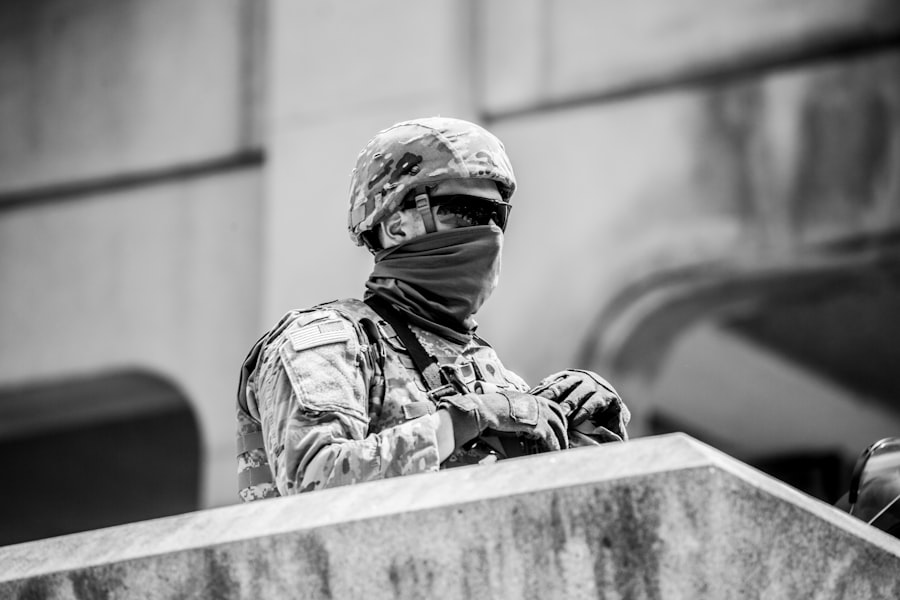
Effective communication is paramount in high-stress environments, particularly during crises when emotions run high and information is often scarce. Leaders must prioritize transparency and clarity in their communications to ensure that team members feel informed and supported. This involves not only conveying critical information but also actively listening to concerns and feedback from personnel.
By fostering open lines of communication, leaders can build trust within their teams, which is essential for maintaining morale during challenging times. Additionally, leaders should tailor their communication styles to suit the needs of their audience. In high-stress situations, individuals may require different types of information or support based on their roles or emotional states.
By being attuned to these needs, leaders can provide targeted guidance that resonates with team members. This personalized approach not only enhances understanding but also reinforces a sense of unity within the organization as everyone works together toward a common goal.
Leading by Example and Maintaining Morale
Leadership during a crisis requires more than just strategic decision-making; it demands leading by example. Leaders who demonstrate composure, integrity, and commitment inspire confidence among their teams. When personnel see their leaders actively engaged in problem-solving and supporting one another, it fosters a sense of solidarity that can bolster morale even in the most challenging circumstances.
Leading by example also involves acknowledging vulnerabilities; when leaders share their own challenges or uncertainties, it humanizes them and encourages team members to express their feelings openly. Maintaining morale is crucial during crises as it directly impacts productivity and overall organizational effectiveness. Leaders should prioritize team well-being by recognizing achievements—no matter how small—and providing opportunities for team bonding or stress relief.
Simple gestures such as expressing gratitude or facilitating informal check-ins can go a long way in uplifting spirits during difficult times. By creating an environment where individuals feel valued and supported, leaders can cultivate resilience within their teams that will carry them through the crisis.
Balancing Authority and Empowerment in Crisis Leadership
Effective crisis leadership requires a delicate balance between authority and empowerment. While leaders must assert their authority to make critical decisions swiftly, they should also empower team members to contribute their insights and expertise. This collaborative approach not only enhances decision-making but also fosters a sense of ownership among personnel.
When individuals feel empowered to take initiative, they are more likely to engage actively in problem-solving efforts. Leaders can achieve this balance by establishing clear expectations while encouraging open dialogue within their teams. By inviting input from diverse perspectives, leaders demonstrate that they value collaboration and recognize the strengths of their personnel.
This empowerment not only boosts morale but also cultivates a culture of accountability where team members feel responsible for contributing to the organization’s success during crises.
Prioritizing the Well-being of Personnel in Crisis Management
In times of crisis, prioritizing the well-being of personnel is paramount for effective management. The emotional toll of crises can significantly impact individuals’ mental health and overall performance; therefore, leaders must be proactive in addressing these concerns. Providing access to mental health resources or facilitating support networks can help personnel cope with stressors associated with crises.
By demonstrating genuine care for their team’s well-being, leaders foster loyalty and commitment among employees. Furthermore, prioritizing well-being extends beyond mental health; it encompasses physical safety as well. Leaders should ensure that personnel have access to necessary resources—whether it be protective equipment or flexible work arrangements—to safeguard their health during crises.
By taking these measures seriously, organizations not only protect their workforce but also reinforce a culture that values employee welfare as integral to overall success.
Learning from Past Crisis Situations and Applying Lessons Learned
Every crisis presents an opportunity for learning and growth; however, organizations must be willing to reflect on past experiences critically. Analyzing previous crises allows leaders to identify what worked well and what could have been improved upon during those situations. This reflective practice enables organizations to develop more robust crisis management plans that incorporate lessons learned from past challenges.
Moreover, fostering a culture of continuous improvement encourages teams to share insights gained from their experiences openly. By creating forums for discussion or conducting post-crisis evaluations, organizations can harness collective knowledge that informs future strategies.
Collaborating with External Partners and Stakeholders in Crisis Response
Collaboration with external partners and stakeholders is essential for effective crisis response. No organization operates in isolation; therefore, leveraging relationships with other entities—be they governmental agencies, non-profits, or private sector partners—can enhance resource availability and expertise during crises. By establishing networks before crises occur, organizations position themselves to respond more effectively when challenges arise.
Engaging with external partners allows organizations to tap into diverse perspectives and resources that may not be available internally. This collaborative spirit not only strengthens crisis response efforts but also builds lasting relationships that can benefit all parties involved long after the crisis has passed.
In conclusion, effective crisis management hinges on adaptability, clear communication, resilience-building practices, and collaboration with external partners. By embracing these principles, leaders can navigate crises with confidence while fostering an environment where personnel feel supported and empowered to contribute meaningfully toward recovery efforts.
In times of crisis, effective military leadership is crucial for maintaining order and ensuring mission success. A related article that delves into the intricacies of military leadership during challenging times can be found at this link. This resource provides valuable insights and strategies that leaders can employ to navigate the complexities of crisis situations, highlighting the importance of adaptability and clear communication.
FAQs
What is military leadership under crisis?
Military leadership under crisis refers to the ability of military leaders to effectively command, make decisions, and maintain morale during times of extreme stress, uncertainty, and danger, such as during combat operations, emergencies, or unexpected challenges.
Why is military leadership important during a crisis?
Military leadership is crucial during a crisis because it ensures coordinated action, quick decision-making, and the effective use of resources. Strong leadership helps maintain discipline, morale, and focus, which are essential for mission success and the safety of personnel.
What qualities are essential for military leaders in crisis situations?
Key qualities include decisiveness, adaptability, resilience, clear communication, emotional intelligence, strategic thinking, and the ability to inspire and motivate troops under pressure.
How do military leaders prepare for crisis situations?
Preparation involves rigorous training, simulations, war games, leadership development programs, and studying past crises to build experience and readiness. Leaders also develop contingency plans and foster teamwork to handle unexpected challenges.
What challenges do military leaders face during a crisis?
Challenges include managing limited information, high stress levels, rapidly changing situations, resource constraints, maintaining troop morale, and making ethical decisions under pressure.
How does military leadership under crisis differ from peacetime leadership?
During a crisis, military leadership requires faster decision-making, greater flexibility, and heightened emotional resilience. Leaders must operate under uncertainty and often with incomplete information, whereas peacetime leadership allows for more deliberate planning and routine operations.
Can military leadership skills under crisis be applied to civilian leadership?
Yes, many skills such as crisis management, decision-making under pressure, communication, and team motivation are transferable and valuable in civilian leadership roles during emergencies or organizational crises.
What role does communication play in military leadership during a crisis?
Effective communication is vital for conveying orders, sharing intelligence, coordinating actions, and maintaining morale. Clear and timely communication helps prevent confusion and ensures that all personnel understand their roles and objectives.
How do military leaders maintain morale during a crisis?
Leaders maintain morale by providing clear purpose, showing confidence, recognizing achievements, supporting their personnel emotionally, and fostering a sense of unity and trust within the team.
Are there historical examples of effective military leadership under crisis?
Yes, numerous historical examples exist, such as General Dwight D. Eisenhower’s leadership during D-Day, Admiral Chester Nimitz’s command in the Pacific Theater during World War II, and more recent examples like leadership during humanitarian missions or conflict zones.