The Virginia Class submarine represents a significant advancement in naval technology for the United States Navy. These nuclear-powered attack submarines were developed to replace the Los Angeles-class submarines that entered service in the 1970s and 1980s. The lead vessel, USS Virginia (SSN-774), was commissioned on October 23, 2004, initiating the Navy’s newest class of fast attack submarines.
The Virginia Class submarines measure 377 feet in length with a beam of 34 feet and displace approximately 7,900 tons when submerged. They are powered by a S9G nuclear reactor and can achieve speeds exceeding 25 knots underwater. The class incorporates advanced sonar systems, including the Large Aperture Bow array and TB-34 towed array sonar, providing enhanced detection capabilities.
Each submarine is armed with 12 vertical launch system tubes for Tomahawk cruise missiles and four 21-inch torpedo tubes. These submarines are designed for multiple mission profiles including anti-submarine warfare, anti-surface warfare, strike missions, special operations support, intelligence gathering, surveillance, and reconnaissance. The Virginia Class features improved acoustic stealth technology, advanced combat systems, and enhanced crew habitability compared to previous submarine classes.
As of 2024, multiple vessels of this class are in service, with additional units under construction as part of the Navy’s long-term submarine modernization program.
Key Takeaways
- The Virginia Class Submarine excels in stealth, advanced weaponry, and sensor technology for superior underwater operations.
- It features cutting-edge communication and networking systems to enhance coordination and situational awareness.
- High speed and maneuverability allow it to perform diverse and complex mission profiles effectively.
- Integrated combat systems and special operations capabilities increase its tactical versatility.
- Continuous training, crew expertise, and planned future upgrades ensure sustained operational superiority.
Stealth and Detection Avoidance
One of the most critical features of the Virginia Class submarine is its exceptional stealth capabilities. The design minimizes noise and vibration, making it difficult for enemy sonar systems to detect these vessels. The hull shape and materials used in construction contribute to a reduced acoustic signature, allowing the submarines to operate undetected in hostile waters.
This stealth is paramount for conducting covert operations and gathering intelligence without alerting adversaries. In addition to its physical design, the Virginia Class employs advanced technologies that further enhance its ability to avoid detection. The submarines are equipped with sophisticated sound-dampening systems and anechoic coatings that absorb sonar waves.
These innovations allow them to remain hidden from enemy sensors while still being able to carry out their missions effectively. The combination of these features ensures that the Virginia Class can operate in contested environments with a high degree of safety and effectiveness.
Advanced Weapon Systems

The Virginia Class submarines are armed with a formidable array of weaponry designed to engage a variety of targets across multiple domains. Each submarine is equipped with 12 vertical launch system (VLS) tubes capable of firing Tomahawk cruise missiles, which can strike land-based targets with precision from great distances. This capability allows the submarines to project power and conduct long-range strikes without needing to surface or approach enemy shores closely.
In addition to cruise missiles, the Virginia Class is armed with torpedoes housed in four horizontal torpedo tubes. These torpedoes can engage enemy submarines and surface vessels, providing a robust defense against maritime threats. The integration of advanced weapon systems ensures that the Virginia Class submarines can adapt to various combat scenarios, making them versatile assets in the Navy’s arsenal.
Enhanced Sensor Technology
The Virginia Class submarines are equipped with state-of-the-art sensor technology that enhances their situational awareness and operational effectiveness. The bow-mounted spherical array sonar system provides a 360-degree view of the underwater environment, allowing for early detection of potential threats. This advanced sonar capability enables the submarines to track enemy vessels and gather critical intelligence while remaining undetected.
These systems provide an additional layer of protection, allowing the submarines to operate effectively in contested environments. The integration of these sophisticated sensors ensures that the Virginia Class remains at the forefront of undersea warfare technology, capable of responding to evolving threats in real-time.
Underwater Communication and Networking
| Metric | Details |
|---|---|
| Class | Virginia-class |
| Type | Attack Submarine (SSN) |
| Length | 377 feet (115 meters) |
| Beam | 34 feet (10.4 meters) |
| Displacement | 7,800 tons (submerged) |
| Speed | 25+ knots (submerged) |
| Propulsion | 1 x S9G nuclear reactor, pump-jet propulsor |
| Armament |
|
| Sensor Systems |
|
| Crew | Approx. 134 personnel |
| Stealth Features | Advanced acoustic quieting technologies, pump-jet propulsor, anechoic coatings |
| Primary Attack Capabilities | Anti-submarine warfare, anti-surface ship warfare, strike warfare with cruise missiles |
Effective communication is vital for modern military operations, and the Virginia Class submarines are equipped with advanced underwater communication systems that facilitate secure and reliable information exchange. These systems enable real-time data sharing with other naval assets, including surface ships and aircraft, enhancing situational awareness across the fleet. This interconnectedness is crucial for coordinating complex operations and ensuring mission success.
In addition to traditional communication methods, the Virginia Class employs advanced networking technologies that allow for seamless integration into broader military operations. This capability enables submarines to share intelligence and operational data with command centers and allied forces, fostering collaboration in joint missions. As warfare becomes increasingly reliant on information superiority, the Virginia Class submarines are well-positioned to leverage these advancements for strategic advantage.
Speed and Maneuverability
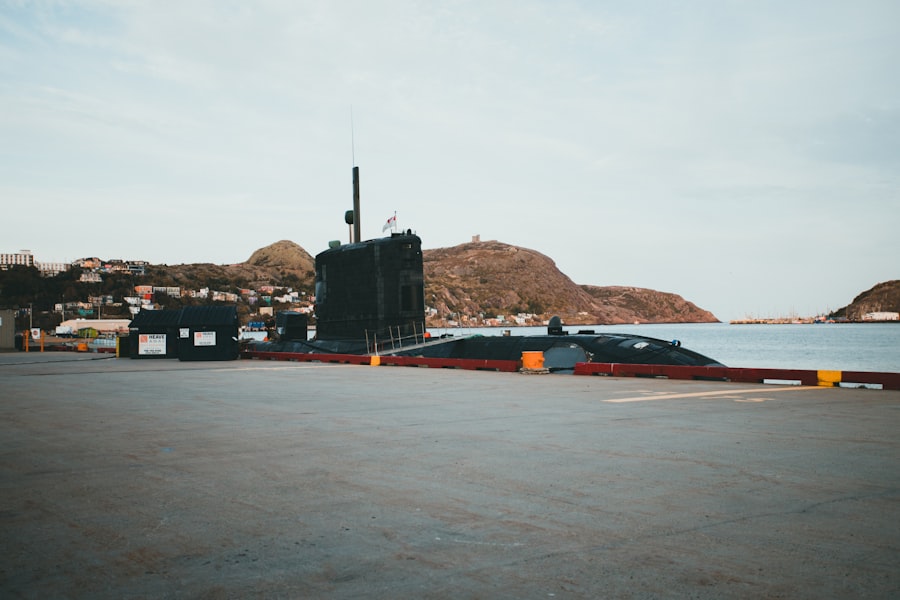
Speed and maneuverability are essential attributes for any submarine, particularly in combat scenarios where evasion and positioning can determine mission success. The Virginia Class submarines are designed for high-speed underwater travel, allowing them to quickly reposition themselves as needed during operations.
The maneuverability of the Virginia Class is further enhanced by its advanced control systems, which allow for precise navigation in complex underwater environments. These systems enable the submarines to execute intricate maneuvers while maintaining stealth, ensuring they can operate effectively in both open waters and congested areas. The combination of speed and agility makes the Virginia Class a formidable presence beneath the waves.
Integrated Combat Systems
The Virginia Class submarines feature integrated combat systems that streamline operations and enhance decision-making capabilities during missions. These systems combine data from various sensors and sources into a cohesive operational picture, allowing crew members to assess threats and make informed decisions quickly. This integration is crucial in high-pressure situations where time is of the essence.
Furthermore, the combat systems are designed with user-friendly interfaces that facilitate rapid training and adaptation for crew members. This focus on usability ensures that personnel can operate complex systems efficiently, maximizing the submarine’s combat effectiveness. As naval warfare continues to evolve, the integrated combat systems of the Virginia Class submarines position them as leaders in undersea operations.
Special Operations Capabilities
The versatility of the Virginia Class extends beyond traditional naval warfare; these submarines are also equipped to support special operations missions. With dedicated spaces for special forces personnel and equipment, they can launch and recover small craft and unmanned vehicles covertly. This capability allows for a wide range of missions, including reconnaissance, direct action, and counter-terrorism operations.
The ability to conduct special operations from a submarine provides a unique advantage in terms of stealth and surprise. By operating beneath the surface, these vessels can insert or extract personnel without alerting enemy forces. This strategic advantage enhances the effectiveness of special operations teams while minimizing risk to both personnel and assets.
Flexibility and Adaptability in Mission Profiles
One of the defining characteristics of the Virginia Class submarine is its flexibility in mission profiles. These vessels are designed to perform a wide range of tasks, from anti-submarine warfare to land attack missions and intelligence gathering. This adaptability allows commanders to deploy them in various scenarios based on operational needs, ensuring that they remain relevant in an ever-changing security landscape.
The modular design of the Virginia Class also facilitates upgrades and modifications over time. As new technologies emerge or mission requirements evolve, these submarines can be retrofitted with advanced systems without extensive overhauls. This flexibility ensures that the Virginia Class remains at the cutting edge of naval warfare capabilities throughout its service life.
Training and Crew Expertise
The effectiveness of any military platform relies heavily on the expertise of its crew, and the Virginia Class submarines are no exception. The Navy places a strong emphasis on training personnel to operate these advanced vessels effectively. Crew members undergo rigorous training programs that encompass everything from technical skills related to operating complex systems to tactical decision-making in high-pressure environments.
Moreover, ongoing training ensures that crew members remain proficient in their roles throughout their service aboard the submarine. Regular drills and exercises simulate real-world scenarios, allowing personnel to hone their skills and build teamwork essential for successful operations. This commitment to training fosters a culture of excellence within the crew, ultimately enhancing the overall effectiveness of the Virginia Class submarines.
Future Developments and Upgrades
As technology continues to advance at a rapid pace, future developments for the Virginia Class submarines are already being planned to ensure they remain at the forefront of naval capabilities. The U.S. Navy is exploring various upgrades that will enhance their stealth features, weapon systems, and sensor technologies even further.
These enhancements will ensure that the Virginia Class can effectively counter emerging threats while maintaining its strategic advantage. Additionally, ongoing research into unmanned systems may lead to further integration with Virginia Class submarines in future iterations. The potential for deploying unmanned underwater vehicles (UUVs) alongside manned missions could expand operational capabilities significantly, allowing for more extensive reconnaissance or strike options without exposing crewed assets to risk.
As these developments unfold, they will undoubtedly shape the future landscape of undersea warfare. In conclusion, the Virginia Class submarine stands as a remarkable achievement in naval engineering and military strategy. With its advanced stealth capabilities, sophisticated weaponry, enhanced sensor technology, and adaptability for various mission profiles, it represents a critical asset for the United States Navy in maintaining maritime superiority.
As future developments continue to unfold, these submarines will undoubtedly play an essential role in shaping naval operations for years to come.
The Virginia-class submarines are renowned for their advanced attack capabilities, which include precision strike options and enhanced stealth features. For a deeper understanding of these submarines and their operational advantages, you can read more in this related article on the topic. Check it out here: Virginia Class Submarine Attack Capabilities.
FAQs
What are the primary attack capabilities of the Virginia class submarine?
The Virginia class submarine is equipped with advanced torpedoes, Tomahawk cruise missiles, and can deploy unmanned underwater vehicles. It is designed for anti-submarine warfare, anti-surface ship warfare, strike warfare, and intelligence gathering.
How many torpedo tubes does a Virginia class submarine have?
Virginia class submarines are equipped with four 21-inch (533 mm) torpedo tubes capable of launching Mk-48 advanced torpedoes and other payloads.
Can Virginia class submarines launch missiles?
Yes, Virginia class submarines can launch Tomahawk cruise missiles from their torpedo tubes, enabling them to strike land targets from underwater.
What types of targets can Virginia class submarines engage?
They can engage enemy submarines, surface ships, and land-based targets, making them versatile in various combat scenarios.
Do Virginia class submarines have stealth capabilities?
Yes, they are designed with advanced stealth technology to minimize noise and avoid detection by enemy sonar systems.
Are Virginia class submarines capable of special operations support?
Yes, they have a lock-in/lock-out chamber for special operations forces, allowing deployment and recovery of divers and special mission equipment.
What role do unmanned underwater vehicles (UUVs) play in Virginia class attack capabilities?
Virginia class submarines can deploy UUVs for reconnaissance, mine detection, and other missions, enhancing their situational awareness and operational flexibility.
How does the Virginia class compare to previous submarine classes in attack capabilities?
The Virginia class incorporates the latest technology in sonar, weapons systems, and stealth, offering improved multi-mission capabilities over older classes like the Los Angeles class.
What is the typical armament loadout for a Virginia class submarine?
A typical loadout includes Mk-48 torpedoes and Tomahawk cruise missiles, with the exact number varying based on mission requirements.
Can Virginia class submarines operate in shallow waters?
Yes, they are designed to operate effectively in both deep ocean and littoral (shallow) waters, allowing for versatile attack and reconnaissance missions.