
Nuclear second strike capability refers to a nation’s ability to respond to a nuclear attack with its own nuclear retaliation, ensuring that it can inflict significant damage on an adversary even after suffering an initial strike. This concept is a cornerstone of modern nuclear strategy, rooted in the principle of deterrence. The essence of second strike capability lies in its assurance that a state can survive an initial nuclear assault and still deliver a devastating counterattack.
This capability is crucial for maintaining a balance of power among nuclear-armed states, as it serves to dissuade potential aggressors from launching a first strike. The development of second strike capabilities has been a significant factor in shaping international relations since the advent of nuclear weapons. Countries invest heavily in ensuring that their nuclear arsenals are secure, survivable, and capable of delivering a retaliatory strike.
This has led to the establishment of various delivery systems, including submarine-launched ballistic missiles (SLBMs), intercontinental ballistic missiles (ICBMs), and strategic bombers, all designed to enhance a nation’s second strike potential. As the global landscape continues to evolve, understanding the intricacies of second strike capabilities becomes increasingly vital for policymakers and military strategists alike.
Key Takeaways
- Nuclear second strike capability is crucial for ensuring credible strategic deterrence by guaranteeing retaliation after a nuclear attack.
- Advances in technology have significantly enhanced the survivability and effectiveness of second strike forces.
- Second strike capabilities contribute to global and regional security by stabilizing crisis situations and deterring first strikes.
- The existence of second strike forces influences nuclear proliferation dynamics and raises complex ethical considerations.
- Maintaining robust second strike capabilities is essential for sustaining long-term peace and international security.
The Importance of Second Strike in Strategic Deterrence
Second strike capability plays a pivotal role in the doctrine of strategic deterrence, which aims to prevent adversaries from engaging in aggressive actions by ensuring that the costs of such actions outweigh any potential benefits. The assurance of a credible second strike serves as a powerful deterrent against nuclear aggression, as it creates a scenario where any first strike would likely lead to catastrophic consequences for the aggressor. This dynamic fosters stability among nuclear-armed states, as each nation recognizes the futility of initiating conflict when faced with the certainty of retaliation.
Moreover, the presence of second strike capabilities can contribute to strategic stability by reducing the likelihood of miscalculations during crises. When states possess assured retaliatory capabilities, they are less likely to feel compelled to launch preemptive strikes out of fear of losing their nuclear arsenal. This understanding can lead to more measured responses during periods of heightened tension, ultimately contributing to global security.
The interplay between second strike capabilities and strategic deterrence underscores the importance of maintaining robust nuclear arsenals as a means of preserving peace in an increasingly complex geopolitical landscape.
The Evolution of Nuclear Second Strike Capabilities

The evolution of nuclear second strike capabilities has been marked by significant technological advancements and shifts in military doctrine. In the early years of the Cold War, the United States and the Soviet Union focused primarily on developing land-based ICBMs as their primary means of delivering nuclear weapons.
The introduction of submarine-launched ballistic missiles (SLBMs) marked a significant turning point in the evolution of second strike capabilities. Submarines provide a stealthy platform for launching nuclear weapons, making it exceedingly difficult for an adversary to detect and target them before they can retaliate. This development not only enhanced the survivability of nuclear arsenals but also contributed to the concept of assured destruction, where both sides would face unacceptable losses in the event of a nuclear exchange.
As technology continued to advance, nations began to diversify their delivery systems further, incorporating air-launched cruise missiles and advanced stealth bombers into their arsenals.
The Role of Nuclear Second Strike in Global Security
Nuclear second strike capabilities play an essential role in maintaining global security by acting as a stabilizing force among nuclear-armed states. The assurance that any nuclear aggression will be met with a devastating counterattack serves to deter potential conflicts and encourages diplomatic solutions to disputes. In this context, second strike capabilities contribute to a framework where nations are incentivized to engage in dialogue rather than resorting to military confrontation.
Furthermore, the presence of second strike capabilities can help mitigate regional tensions by providing smaller nuclear powers with a sense of security against larger adversaries. For instance, countries like India and Pakistan have developed their own second strike capabilities as a means of deterring aggression from one another. This dynamic can lead to a more stable regional security environment, as both nations recognize that any attempt at aggression would likely result in severe consequences.
Thus, second strike capabilities not only serve individual nations but also contribute to broader global security by fostering an environment where diplomacy can thrive.
The Impact of Second Strike Capabilities on Nuclear Proliferation
| Metric | Description | Example/Value |
|---|---|---|
| Survivability | Ability of nuclear forces to withstand a first strike and remain operational for a second strike | Submarine-launched ballistic missiles (SLBMs) on stealth submarines |
| Second Strike Capability | Assured ability to respond with nuclear force after absorbing a nuclear attack | Mobile ICBMs and hardened missile silos |
| Response Time | Time required to launch a retaliatory strike after detecting an incoming attack | Minutes to tens of minutes |
| Command and Control Resilience | Robustness of communication and decision-making systems under attack | Hardened underground bunkers and redundant communication networks |
| Number of Warheads | Total nuclear warheads available for second strike | Varies by country; e.g., US ~1,500 deployed strategic warheads |
| Delivery Systems | Platforms capable of delivering nuclear weapons in a second strike | ICBMs, SLBMs, strategic bombers |
| Early Warning Systems | Systems to detect incoming nuclear attacks to enable timely second strike | Satellite-based infrared sensors, radar arrays |
| Decentralization | Distribution of nuclear forces to reduce vulnerability | Multiple launch sites, mobile launchers |
The existence of second strike capabilities has significant implications for nuclear proliferation. On one hand, the assurance provided by these capabilities can deter states from pursuing their own nuclear arsenals, as they may feel secure under the protective umbrella of a nuclear-armed ally. For example, countries within NATO benefit from the United States’ extended deterrence, which includes its own second strike capabilities.
This arrangement can reduce the incentive for these nations to develop independent nuclear forces. Conversely, the desire for second strike capabilities can also drive states to pursue their own nuclear programs. Nations that perceive themselves as vulnerable or threatened may seek to develop their own deterrent forces to ensure their security.
This has been evident in regions such as East Asia and the Middle East, where countries have sought to enhance their military capabilities in response to perceived threats from neighboring states or external powers. As such, the dynamics surrounding second strike capabilities can create a complex interplay between deterrence and proliferation, necessitating careful management by the international community.
The Technological Advancements in Second Strike Capabilities
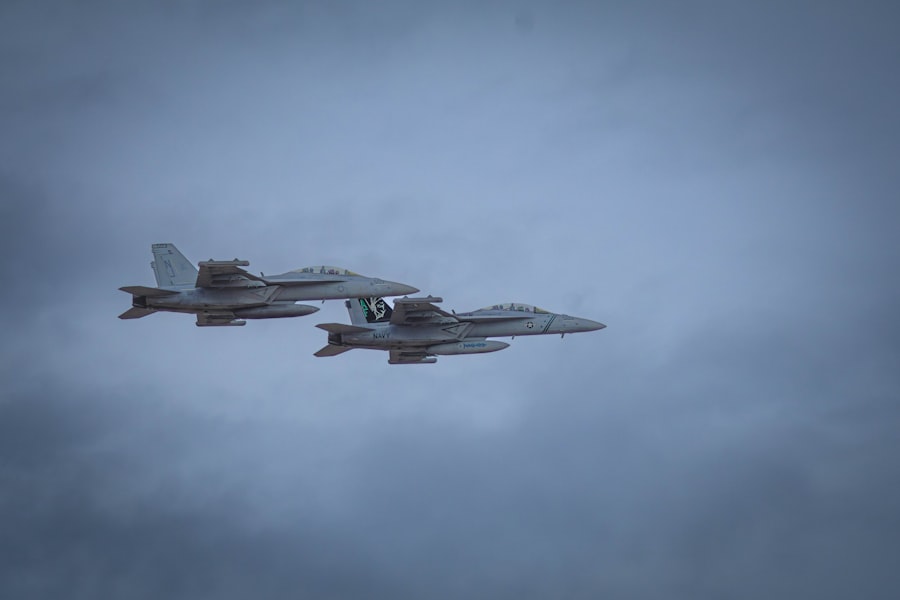
Technological advancements have played a crucial role in enhancing second strike capabilities over the past few decades. Innovations in missile technology, stealth aircraft design, and command and control systems have all contributed to more effective and reliable nuclear deterrents. For instance, advancements in missile accuracy have allowed for more precise targeting, increasing the effectiveness of retaliatory strikes while minimizing collateral damage.
Additionally, improvements in submarine technology have significantly bolstered second strike capabilities. Modern submarines are equipped with advanced stealth features that make them difficult to detect, allowing them to operate undetected in enemy waters. This stealthiness ensures that these platforms can survive an initial attack and launch a retaliatory strike when necessary.
Furthermore, advancements in communication systems have improved command and control over nuclear forces, ensuring that decision-makers can respond swiftly and effectively in times of crisis.
The Role of Second Strike in Crisis Stability
Second strike capabilities contribute significantly to crisis stability by reducing the likelihood of escalation during periods of heightened tension. When states possess assured retaliatory capabilities, they are less likely to engage in aggressive posturing or preemptive strikes out of fear that they would be unable to respond effectively if attacked first. This understanding fosters an environment where diplomatic solutions can be pursued rather than military confrontations.
Moreover, during crises, the presence of second strike capabilities can serve as a stabilizing factor by providing leaders with more time to assess situations and make informed decisions. The knowledge that they possess a credible means of retaliation allows leaders to avoid hasty actions driven by panic or miscalculation. This dynamic is particularly important in high-stakes scenarios where misunderstandings or miscommunications could lead to catastrophic consequences.
The Role of Second Strike in Regional Security
In many regions around the world, second strike capabilities play a vital role in maintaining security dynamics among neighboring states. For instance, in South Asia, both India and Pakistan have developed their own second strike capabilities as part of their strategic deterrence posture against one another. This development has created a delicate balance where both nations recognize that any aggressive action would likely result in severe retaliation.
Similarly, in East Asia, North Korea’s pursuit of second strike capabilities has prompted neighboring countries like South Korea and Japan to enhance their own military capabilities as a countermeasure. This arms race underscores how second strike capabilities can influence regional security dynamics and lead to increased tensions among states. However, it also highlights the importance of dialogue and diplomacy in managing these relationships and preventing conflicts from escalating into full-scale wars.
The Ethical and Moral Implications of Second Strike Capabilities
The existence of second strike capabilities raises profound ethical and moral questions regarding the use of nuclear weapons and their implications for humanity. Critics argue that maintaining such capabilities perpetuates a cycle of fear and violence, where nations are locked in an arms race driven by mutual distrust. The potential for catastrophic consequences resulting from any use of nuclear weapons raises concerns about the moral responsibility of leaders who possess such destructive power.
Furthermore, the concept of assured destruction poses ethical dilemmas regarding civilian casualties and collateral damage during potential retaliatory strikes. The idea that millions could perish as a result of a single decision made by political leaders raises questions about accountability and the moral implications of possessing such weapons. As nations navigate these complex issues, it becomes increasingly important for policymakers to consider not only the strategic advantages but also the ethical ramifications associated with maintaining second strike capabilities.
The Future of Nuclear Second Strike Capabilities
As global security dynamics continue to evolve, the future of nuclear second strike capabilities remains uncertain. Emerging technologies such as hypersonic weapons and cyber warfare pose new challenges for traditional deterrence strategies. These advancements could potentially undermine existing second strike capabilities by complicating detection and response times during crises.
Moreover, geopolitical shifts may lead nations to reassess their reliance on nuclear deterrence altogether. As non-state actors and asymmetric threats become more prominent in international relations, some policymakers may question whether maintaining large nuclear arsenals is still relevant or effective in addressing contemporary security challenges. The future landscape will likely require innovative approaches that balance traditional deterrence with new strategies aimed at addressing emerging threats while ensuring global stability.
The Importance of Maintaining Second Strike Capabilities for Peace and Security
In conclusion, maintaining robust nuclear second strike capabilities is essential for ensuring peace and security in an increasingly complex world. These capabilities serve as a critical deterrent against potential aggressors while fostering stability among nuclear-armed states. As nations navigate evolving geopolitical landscapes and technological advancements, it is imperative that they recognize the importance of preserving credible second strike options as part of their broader national security strategies.
While ethical considerations surrounding nuclear weapons cannot be overlooked, the reality remains that second strike capabilities play a vital role in preventing conflicts and promoting diplomatic solutions among nations. As long as nuclear weapons exist, ensuring that these deterrent mechanisms remain effective will be crucial for maintaining global security and preventing catastrophic outcomes associated with nuclear warfare.
Strategic deterrence remains a critical component of national security, particularly in the context of nuclear second strike capabilities. For a deeper understanding of the implications and strategies surrounding this topic, you can explore the article on strategic deterrence available at In The War Room. This resource provides valuable insights into how nations maintain stability and prevent conflict through the threat of retaliatory action.
FAQs
What is strategic deterrence?
Strategic deterrence is a military strategy aimed at preventing an adversary from taking hostile action, particularly nuclear attack, by threatening a credible and devastating retaliatory response.
What does “nuclear second strike” mean?
A nuclear second strike refers to a country’s assured ability to respond to a nuclear attack with its own nuclear retaliation, even after absorbing a first strike. This capability is central to maintaining strategic deterrence.
Why is the nuclear second strike capability important?
The second strike capability ensures that no adversary can eliminate a country’s nuclear forces in a first strike, thereby deterring the initial use of nuclear weapons and maintaining strategic stability.
How is a second strike capability maintained?
Second strike capability is maintained through survivable nuclear forces such as submarine-launched ballistic missiles (SLBMs), mobile missile launchers, and hardened missile silos, which can withstand or evade a first strike.
What role does strategic deterrence play in international security?
Strategic deterrence helps prevent nuclear war by discouraging states from initiating a nuclear attack, thereby contributing to global stability and reducing the likelihood of large-scale conflicts.
Can strategic deterrence fail?
While strategic deterrence aims to prevent nuclear conflict, it can fail due to miscalculations, misunderstandings, technological failures, or irrational decision-making by leaders.
What is the difference between first strike and second strike?
A first strike is a preemptive nuclear attack intended to significantly weaken or destroy an opponent’s nuclear forces, while a second strike is the retaliatory nuclear response after surviving a first strike.
Which countries possess credible second strike capabilities?
Countries such as the United States, Russia, China, India, and France are generally recognized as having credible second strike capabilities, often through nuclear submarines and other survivable delivery systems.
How does second strike capability influence arms control agreements?
Second strike capabilities are a key consideration in arms control negotiations, as they affect strategic stability and the balance of power, influencing treaties like New START and others aimed at limiting nuclear arsenals.
What technologies enhance second strike survivability?
Technologies such as stealthy ballistic missile submarines, mobile missile launchers, hardened silos, and advanced early warning systems enhance the survivability and effectiveness of second strike forces.