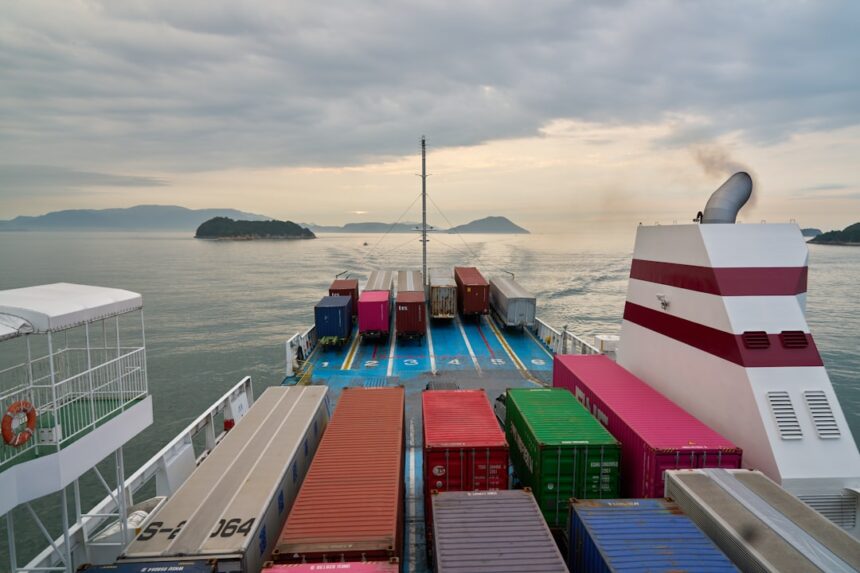
Maritime trade routes constitute the primary arteries of global commerce, enabling the transportation of goods across oceans and linking international economies. These waterways handle the movement of diverse cargo, including raw materials, manufactured products, and consumer goods, forming the backbone of international trade networks. Current data indicates that approximately 90% of global trade by volume travels via maritime transport, demonstrating the critical importance of these oceanic corridors.
The operational efficiency and dependability of maritime routes directly support economic expansion while strengthening international commercial relationships and cross-border cooperation. Beyond their economic function, maritime trade routes hold substantial strategic value for national interests. Many nations depend on these sea lanes for importing vital resources, particularly energy commodities and agricultural products necessary for domestic consumption.
Interruptions to maritime commerce can trigger widespread economic disruption, impacting local markets and creating cascading effects throughout international supply networks. Consequently, maintaining the operational security and stability of these routes requires coordinated international efforts to address potential threats and ensure uninterrupted commercial flow.
Key Takeaways
- Maritime trade routes are vital for global commerce but face significant vulnerabilities including piracy and environmental threats.
- International cooperation and legal frameworks are essential to enhance maritime security and combat armed robbery at sea.
- Advanced technology and surveillance play a crucial role in monitoring and protecting key trade routes.
- Collaboration between governments and the private sector strengthens efforts to secure high-risk maritime corridors.
- Future maritime security challenges require adaptive strategies to address evolving threats and leverage new opportunities.
Vulnerabilities of Maritime Trade Routes
Despite their critical importance, maritime trade routes are fraught with vulnerabilities that can jeopardize their integrity. One of the most pressing concerns is the threat posed by geopolitical tensions, which can lead to conflicts that disrupt shipping lanes. Areas such as the South China Sea and the Strait of Hormuz are particularly susceptible to such tensions, where territorial disputes and military posturing can create an unstable environment for maritime operations.
The potential for blockades or military confrontations raises alarms for shipping companies and nations reliant on these routes. In addition to geopolitical risks, maritime trade routes are also vulnerable to environmental factors. Natural disasters such as hurricanes, typhoons, and tsunamis can wreak havoc on shipping operations, causing delays and damage to vessels and cargo.
Furthermore, climate change poses long-term threats, as rising sea levels and changing weather patterns can alter established shipping lanes and create new hazards. The combination of these vulnerabilities necessitates a comprehensive approach to safeguarding maritime trade routes against both human-made and natural threats.
International Efforts to Ensure Security
Recognizing the critical importance of maritime trade routes, international organizations and coalitions have undertaken significant efforts to enhance security in these vital areas. The United Nations, through its International Maritime Organization (IMO), has established guidelines and frameworks aimed at improving maritime safety and security. These initiatives promote cooperation among member states, encouraging them to share information and best practices to address common challenges.
In addition to the IMO’s efforts, regional partnerships have emerged to bolster maritime security. Initiatives such as the Gulf of Aden Maritime Security Patrols and the European Union Naval Force Operation Atalanta exemplify collaborative approaches to securing trade routes against piracy and other threats. These multinational efforts not only enhance security but also foster diplomatic relations among participating nations, creating a united front against shared vulnerabilities.
Piracy and Armed Robbery at Sea
Piracy remains one of the most notorious threats to maritime trade routes, with incidents occurring in various regions around the globe. The waters off the coast of Somalia gained international attention in the early 2000s due to a surge in piracy that disrupted shipping operations and posed significant risks to crew members. Although international naval patrols have reduced piracy incidents in some areas, the threat persists in regions such as the Gulf of Guinea, where armed robbery at sea has become increasingly prevalent.
The impact of piracy extends beyond immediate financial losses; it also creates a climate of fear among seafarers and shipping companies. The psychological toll on crew members who face the threat of hijacking or violence can be profound, leading to increased insurance costs and heightened security measures on vessels. As piracy evolves in response to international countermeasures, it remains a complex challenge that requires ongoing vigilance and adaptive strategies from both governments and private sector stakeholders.
Role of Maritime Security Forces
| Metric | Description | Value | Unit | Reporting Period |
|---|---|---|---|---|
| Number of Patrols Conducted | Total maritime security patrols along key trade routes | 120 | Patrols | Q1 2024 |
| Incidents of Piracy | Reported piracy attacks on commercial vessels | 5 | Incidents | Q1 2024 |
| Response Time to Security Threats | Average time taken to respond to maritime security threats | 30 | Minutes | Q1 2024 |
| Number of Vessels Inspected | Commercial vessels inspected for security compliance | 85 | Vessels | Q1 2024 |
| Security Personnel Deployed | Number of security personnel assigned to maritime operations | 250 | Personnel | Q1 2024 |
| Successful Interdictions | Number of illegal activities prevented or stopped | 12 | Operations | Q1 2024 |
| Maritime Security Training Sessions | Training sessions conducted for personnel on security protocols | 8 | Sessions | Q1 2024 |
Maritime security forces play a crucial role in safeguarding trade routes from various threats, including piracy, smuggling, and illegal fishing. These forces encompass a range of entities, including naval fleets, coast guards, and specialized maritime law enforcement agencies. Their primary mission is to ensure safe passage for commercial vessels while enforcing national laws and international regulations in maritime domains.
The effectiveness of maritime security forces is often enhanced through collaboration with international partners. Joint exercises and training programs allow these forces to share knowledge and improve their operational capabilities. Additionally, information-sharing initiatives enable real-time communication regarding potential threats, allowing for swift responses to emerging challenges.
As the landscape of maritime security continues to evolve, the adaptability and coordination of these forces will be essential in maintaining secure trade routes.
Technology and Surveillance in Securing Trade Routes
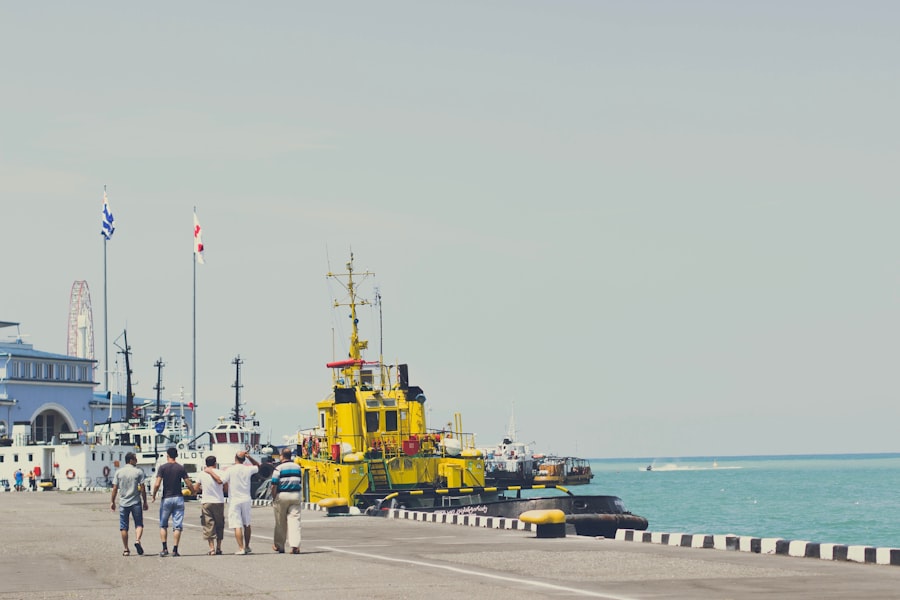
Advancements in technology have revolutionized the way maritime trade routes are monitored and secured. Modern surveillance systems utilize satellite imagery, radar technology, and automatic identification systems (AIS) to track vessel movements in real time. These tools provide valuable data that can help authorities identify suspicious activities and respond promptly to potential threats.
Moreover, emerging technologies such as drones and artificial intelligence are being integrated into maritime security operations. Drones can conduct aerial surveillance over vast ocean areas, providing a cost-effective means of monitoring for illegal activities or environmental hazards. AI algorithms can analyze large datasets to predict potential risks based on historical patterns, enabling proactive measures to be taken before incidents occur.
As technology continues to advance, its role in enhancing maritime security will only become more pronounced.
Legal Framework for Maritime Security
The legal framework governing maritime security is complex and multifaceted, encompassing a range of international treaties, conventions, and national laws. The United Nations Convention on the Law of the Sea (UNCLOS) serves as a foundational document that outlines the rights and responsibilities of nations regarding their use of ocean resources and navigation. This framework provides a basis for addressing issues such as piracy, territorial disputes, and environmental protection.
In addition to UNCLOS, various regional agreements have been established to address specific challenges faced by countries sharing maritime boundaries. These agreements often focus on enhancing cooperation among nations in areas such as law enforcement and information sharing.
As global trade continues to expand, there is a pressing need for ongoing dialogue among nations to strengthen legal frameworks that govern maritime activities.
Environmental Threats to Maritime Trade Routes
Environmental threats pose significant challenges to the integrity of maritime trade routes. Climate change is leading to rising sea levels and increased frequency of extreme weather events, which can disrupt shipping operations and damage infrastructure. Additionally, pollution from shipping activities can harm marine ecosystems, affecting biodiversity and potentially leading to stricter regulations that impact trade.
Disruptions caused by environmental factors can lead to delays in shipments, increased costs for shipping companies, and potential loss of markets for exporters. As awareness of environmental issues grows, there is an urgent need for sustainable practices within the shipping industry that prioritize both economic viability and ecological preservation.
Collaboration between Governments and Private Sector
Collaboration between governments and the private sector is essential for enhancing maritime security and ensuring the smooth operation of trade routes. Shipping companies play a vital role in identifying potential risks and implementing security measures on their vessels. By working closely with government agencies, they can share intelligence regarding emerging threats and contribute to collective efforts aimed at safeguarding maritime operations.
Public-private partnerships have proven effective in addressing various challenges within the maritime domain. For instance, joint initiatives focused on cybersecurity have emerged as a response to increasing digital threats targeting shipping operations. By leveraging resources and expertise from both sectors, stakeholders can develop comprehensive strategies that enhance resilience against evolving risks while promoting safe and efficient maritime trade.
Strategies for Securing High-Risk Trade Routes
Securing high-risk trade routes requires a multifaceted approach that combines military presence, technological advancements, legal frameworks, and international cooperation. One effective strategy involves establishing dedicated naval task forces that patrol vulnerable areas known for piracy or geopolitical tensions. These task forces can deter potential threats while providing reassurance to commercial vessels operating in those waters.
In addition to military presence, enhancing situational awareness through technology is crucial for securing high-risk routes. Implementing advanced surveillance systems allows authorities to monitor vessel movements closely and respond swiftly to suspicious activities. Furthermore, fostering collaboration among nations through joint exercises and information-sharing initiatives strengthens collective capabilities in addressing shared vulnerabilities.
Future Challenges and Opportunities in Maritime Security
As global trade continues to evolve, so too will the challenges facing maritime security. The rise of new technologies presents both opportunities and risks; while advancements can enhance surveillance capabilities, they may also introduce vulnerabilities that malicious actors could exploit. Cybersecurity will become increasingly critical as shipping operations become more digitized, necessitating robust defenses against potential cyberattacks.
Moreover, geopolitical dynamics will continue to shape the landscape of maritime security. As emerging powers assert their influence over key trade routes, tensions may escalate, requiring diplomatic efforts to mitigate conflicts. The future will demand innovative solutions that balance economic interests with security imperatives while fostering collaboration among nations committed to ensuring safe maritime trade routes for generations to come.
In conclusion, securing maritime trade routes is an intricate endeavor that encompasses a wide range of factors—from geopolitical tensions to environmental threats—requiring coordinated efforts from governments, private sectors, and international organizations alike. As challenges evolve with time, so too must strategies adapt to ensure that these vital arteries of global commerce remain safe and efficient for all who depend on them.
Maritime trade route security operations are crucial for ensuring the safe passage of goods across international waters. A related article that delves into the complexities and strategies involved in securing these vital trade routes can be found at this link. This article provides insights into the challenges faced by maritime security forces and the measures being implemented to protect against piracy and other threats.
FAQs
What are maritime trade route security operations?
Maritime trade route security operations involve measures and activities aimed at protecting shipping lanes and sea routes used for international trade from threats such as piracy, terrorism, smuggling, and other illegal activities. These operations ensure the safe and efficient movement of goods across the world’s oceans.
Why is security important for maritime trade routes?
Security is crucial for maritime trade routes because a significant portion of global trade relies on sea transport. Disruptions caused by piracy, armed robbery, or geopolitical conflicts can lead to economic losses, increased shipping costs, and delays in the delivery of goods. Ensuring security helps maintain global supply chains and economic stability.
Who is responsible for maritime trade route security?
Maritime trade route security is a shared responsibility involving multiple stakeholders, including national navies, coast guards, international organizations (such as the International Maritime Organization), shipping companies, and port authorities. Collaboration between countries and agencies is essential to effectively monitor and secure trade routes.
What are common threats to maritime trade routes?
Common threats include piracy and armed robbery at sea, maritime terrorism, smuggling of contraband and weapons, human trafficking, illegal fishing, and environmental hazards. Additionally, geopolitical tensions and territorial disputes can also pose risks to maritime security.
How are maritime trade route security operations conducted?
Operations typically involve naval patrols, surveillance using satellites and drones, intelligence sharing among countries, escorting vulnerable vessels, establishing secure maritime corridors, and enforcing international maritime laws. Training and capacity-building for maritime forces also play a key role.
What international laws govern maritime trade route security?
The United Nations Convention on the Law of the Sea (UNCLOS) provides the legal framework for maritime activities, including security. Other agreements, such as the Djibouti Code of Conduct and regional cooperation frameworks, support efforts to combat piracy and enhance maritime security.
How do maritime trade route security operations impact global trade?
Effective security operations reduce the risk of attacks and disruptions, leading to safer and more reliable shipping routes. This stability lowers insurance premiums, reduces shipping costs, and ensures timely delivery of goods, thereby supporting global economic growth.
What technologies are used in maritime trade route security?
Technologies include radar and sonar systems, Automatic Identification Systems (AIS) for vessel tracking, satellite imagery, unmanned aerial vehicles (drones), and advanced communication networks. These tools help monitor maritime traffic and detect suspicious activities.
Can private companies participate in maritime trade route security?
Yes, private maritime security companies often provide armed guards and security services for vessels transiting high-risk areas. Shipping companies may also implement best management practices to enhance onboard security and cooperate with naval forces.
What challenges exist in securing maritime trade routes?
Challenges include vast ocean areas to monitor, limited resources for naval patrols, jurisdictional complexities, evolving tactics of criminals, and the need for international cooperation. Additionally, balancing security measures with the free flow of trade can be complex.