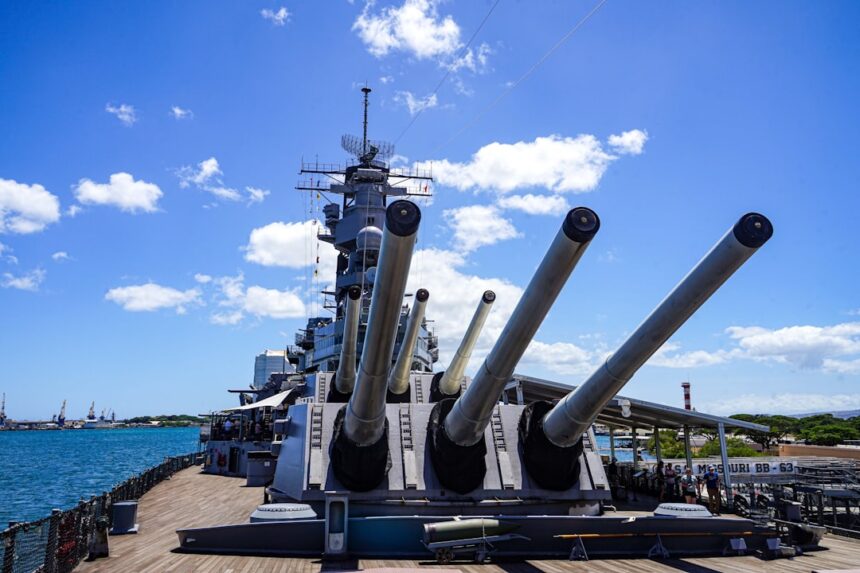
Military equipment maintenance is essential for operational readiness and mission effectiveness. Modern military systems contain sophisticated machinery and technology that require systematic upkeep to maintain optimal performance standards. This maintenance directly supports national defense capabilities by extending equipment service life, improving operational performance, and ensuring reliability during critical operations.
Equipment failures can compromise mission success and personnel safety, making preventive maintenance a strategic priority. Regular maintenance programs also enhance military personnel competency and operational knowledge. Through hands-on equipment care, service members gain comprehensive understanding of system capabilities, operational parameters, and potential failure points.
This technical knowledge proves crucial during combat operations where rapid troubleshooting and informed decision-making are required. Structured maintenance protocols protect substantial equipment investments while developing the technical expertise necessary for mission success across diverse operational environments.
Key Takeaways
- Proper maintenance of military equipment is crucial for operational readiness and national security.
- Neglecting maintenance leads to costly repairs and compromised defense capabilities.
- The US Navy faces significant challenges due to investments in broken or outdated weapons systems.
- Continued funding and congressional support are essential for effective modernization and upkeep.
- Investing in maintenance and upgrades ensures the future strength and reliability of the Navy’s arsenal.
The Consequences of Neglecting Maintenance
Neglecting maintenance can lead to dire consequences, both for individual military units and for national security as a whole. When equipment is not properly maintained, it becomes prone to malfunctions and failures, which can compromise missions and endanger lives. For instance, a malfunctioning aircraft or a faulty weapon system can result in catastrophic outcomes during combat operations.
The repercussions of such failures extend beyond immediate operational setbacks; they can also erode trust in military capabilities among allies and adversaries alike. Additionally, the financial implications of neglecting maintenance are significant. Repairing or replacing broken equipment often costs far more than regular maintenance would have.
When military assets are allowed to deteriorate, the eventual need for extensive repairs or upgrades can strain budgets and divert funds from other critical areas. This cycle of neglect not only hampers operational readiness but also creates a ripple effect that impacts overall military effectiveness.
The US Navy’s Investment in Broken Weapons
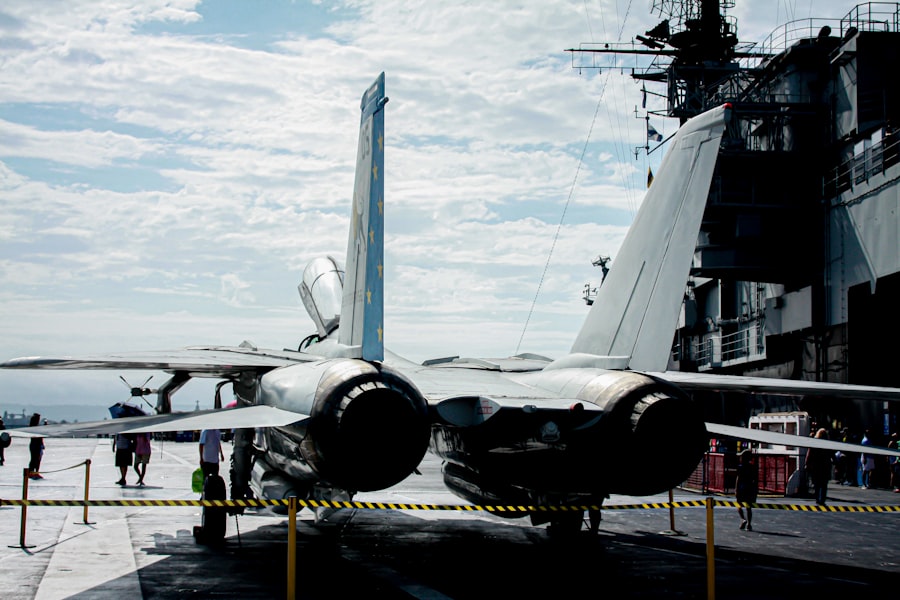
The U.S. Navy has faced challenges in managing its inventory of weapons systems, particularly when it comes to broken or outdated equipment. Despite significant investments in advanced technology, many naval assets have fallen into disrepair due to insufficient maintenance funding and resources.
This situation raises questions about the Navy’s ability to project power effectively and respond to emerging threats. The investment in broken weapons represents not just a financial burden but also a strategic dilemma that could hinder the Navy’s operational capabilities. In recent years, the Navy has recognized the need to address these issues proactively.
Efforts have been made to assess the condition of existing weapons systems and prioritize repairs based on operational requirements. However, the challenge remains substantial, as the sheer volume of aging equipment requires a comprehensive approach to maintenance and modernization. The Navy’s commitment to investing in its broken weapons is essential for ensuring that its fleet remains capable and ready to meet the demands of contemporary warfare.
The Cost of Repairing and Upgrading Weapons
Repairing and upgrading military weapons systems is an expensive endeavor that requires careful planning and allocation of resources. The costs associated with these processes can vary widely depending on the extent of damage, the complexity of the systems involved, and the availability of replacement parts. In many cases, upgrading outdated technology can be more cost-effective than replacing entire systems, but it still demands significant financial investment.
Furthermore, the budgeting process for repairs and upgrades often competes with other pressing needs within the military. As new technologies emerge and threats evolve, funding must be allocated not only for maintaining existing systems but also for developing next-generation capabilities. This balancing act poses challenges for military planners who must ensure that current assets remain functional while also preparing for future conflicts.
Ultimately, the cost of neglecting repairs can far exceed the initial investment in maintenance, making it imperative for military leaders to prioritize these efforts.
The Impact of Broken Weapons on National Security
| Metric | Explanation | Impact |
|---|---|---|
| Budget Allocation | Significant portions of the Navy’s budget are allocated to legacy weapons systems despite performance issues. | Limits funding available for new, innovative technologies. |
| Contractual Obligations | Long-term contracts with defense contractors create financial commitments that are difficult to terminate. | Encourages continued investment in problematic systems to avoid penalties. |
| Political Influence | Defense contractors and lobbyists exert pressure to maintain funding for existing weapons programs. | Leads to sustained funding despite technical shortcomings. |
| Technological Complexity | Advanced weapons systems often face developmental challenges and delays. | Results in prolonged testing and incremental fixes rather than cancellation. |
| Strategic Necessity | Some weapons, though flawed, fulfill critical roles in naval strategy and deterrence. | Justifies continued investment to maintain operational readiness. |
| Cost of Replacement | Developing and deploying new systems is often more expensive and time-consuming than fixing existing ones. | Encourages funding of upgrades over new development. |
The impact of broken weapons on national security is profound and multifaceted. When military equipment is not functioning at peak performance, it undermines the ability of armed forces to respond effectively to threats. This situation can embolden adversaries who may perceive a weakened military posture as an opportunity to challenge U.S.
interests globally. A lack of operational readiness due to broken weapons can lead to strategic miscalculations that have far-reaching consequences for national security. Moreover, the presence of broken weapons can affect international alliances and partnerships.
Allies rely on the U.S. military’s capability to support joint operations and deter aggression in various regions. If the U.S.
Navy is unable to project power effectively due to equipment failures, it may strain relationships with allies who depend on American support for their own security needs. Thus, maintaining a robust and reliable arsenal is not only crucial for immediate defense but also for sustaining global stability.
The Need for Continued Funding for Maintenance and Repairs
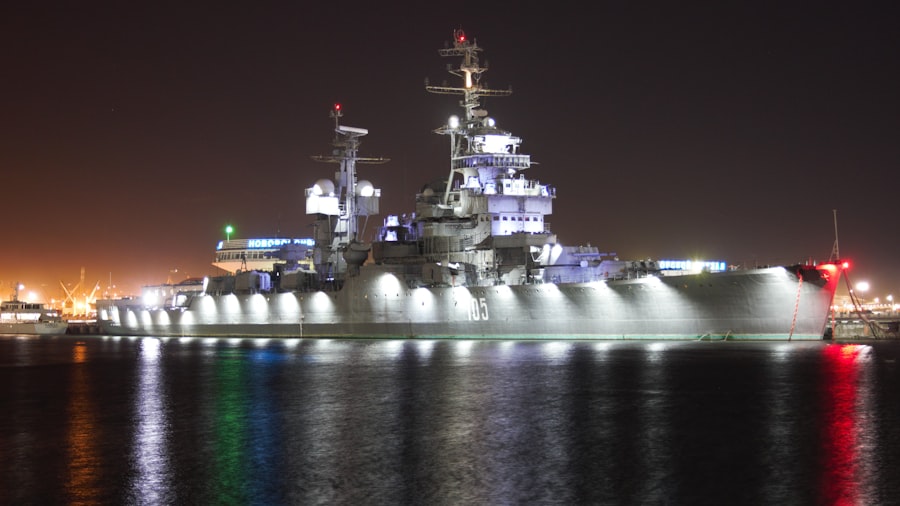
Continued funding for maintenance and repairs is essential for ensuring that military equipment remains operationally effective. As technology advances and threats evolve, the need for regular upkeep becomes even more critical. Budget constraints often challenge military leaders as they strive to allocate sufficient resources for maintenance while also addressing modernization efforts.
However, neglecting maintenance funding can lead to a cycle of deterioration that ultimately compromises national security. Investing in maintenance not only preserves existing capabilities but also enhances overall readiness. A well-maintained fleet or arsenal allows military personnel to train effectively and respond swiftly to emerging threats.
By prioritizing maintenance funding, military leaders can ensure that their forces remain agile and prepared for any challenges that may arise.
The Role of Congress in Funding Military Equipment
Congress plays a pivotal role in determining the funding levels allocated for military equipment maintenance and repairs. Through the appropriations process, lawmakers have the authority to influence budget priorities that directly impact the operational readiness of the armed forces. Advocacy for adequate funding is essential, as it ensures that military leaders have the resources necessary to maintain their equipment effectively.
Moreover, congressional oversight can help hold military leadership accountable for their maintenance practices. By scrutinizing budget requests and assessing the condition of military assets, Congress can encourage transparency and promote responsible management of taxpayer dollars. This oversight is crucial in fostering a culture of accountability within the military establishment, ensuring that funds are directed toward maintaining and repairing equipment rather than allowing it to fall into disrepair.
The Challenges of Modernizing and Maintaining Weapons Systems
Modernizing and maintaining weapons systems presents numerous challenges that require strategic planning and foresight. As technology evolves at an unprecedented pace, military leaders must navigate the complexities of integrating new capabilities into existing frameworks while ensuring that current systems remain functional. This balancing act demands not only financial resources but also skilled personnel who can manage both maintenance and modernization efforts effectively.
Additionally, supply chain issues can complicate the process of obtaining necessary parts for repairs or upgrades. Global events, such as pandemics or geopolitical tensions, can disrupt production lines and delay access to critical components. These challenges underscore the importance of proactive planning in both maintenance schedules and modernization timelines.
The Benefits of Investing in Military Equipment
Investing in military equipment yields numerous benefits that extend beyond immediate operational capabilities. A well-maintained arsenal enhances deterrence by signaling strength to potential adversaries while reassuring allies of U.S. commitment to collective security. Furthermore, investing in modern technology fosters innovation within the defense sector, driving advancements that can have broader applications beyond military use. Moreover, a robust investment strategy allows for greater flexibility in responding to emerging threats. As geopolitical landscapes shift, having a diverse range of operational capabilities enables military leaders to adapt quickly to new challenges. This adaptability is crucial in an era where conflicts can arise unexpectedly and require swift responses from armed forces. Ultimately, investing in military equipment not only strengthens national defense but also contributes to global stability.
The Future of the US Navy’s Weapons Systems
The future of the U.S. Navy’s weapons systems hinges on a commitment to modernization and effective maintenance practices. As technological advancements continue to reshape warfare, naval leaders must prioritize investments that enhance capabilities while ensuring existing systems remain operationally viable.
This dual focus will be essential in maintaining maritime superiority in an increasingly competitive global environment. Furthermore, collaboration with private industry will play a crucial role in shaping the future of naval weaponry. By leveraging partnerships with defense contractors and technology firms, the Navy can access cutting-edge innovations that enhance its operational effectiveness.
Emphasizing research and development will enable naval leaders to stay ahead of emerging threats while ensuring that their fleets are equipped with state-of-the-art technology capable of meeting future challenges.
The Importance of Prioritizing Maintenance and Repairs
In conclusion, prioritizing maintenance and repairs within the U.S. Navy is essential for ensuring operational readiness and national security. The consequences of neglecting these responsibilities can be severe, impacting both immediate mission success and long-term strategic objectives.
By investing adequately in maintenance funding and fostering a culture of accountability within military ranks, leaders can safeguard their assets against deterioration. As global threats continue to evolve, maintaining a robust arsenal will be paramount for projecting power and deterring aggression. The role of Congress in supporting these efforts cannot be understated; adequate funding is crucial for sustaining operational capabilities while navigating modernization challenges.
Ultimately, by prioritizing maintenance and repairs, the U.S. Navy can ensure that it remains prepared to face any challenges that lie ahead while safeguarding national interests on a global scale.
The persistent funding of broken weapons systems by the US Navy raises significant questions about resource allocation and military effectiveness. An insightful article that delves into this issue can be found on In The War Room, which explores the implications of maintaining outdated technology in a rapidly evolving defense landscape. For more information, you can read the article [here](https://www.inthewarroom.com/).
FAQs
Why does the US Navy continue to fund weapons programs that face technical challenges?
The US Navy often funds weapons programs with technical challenges because these systems are critical to national security and maintaining military superiority. Development of advanced technology is inherently complex, and continued investment aims to resolve issues, improve performance, and achieve long-term strategic goals.
Are all weapons programs funded by the US Navy considered “broken” or problematic?
No, not all weapons programs are problematic. While some programs encounter delays, cost overruns, or technical difficulties, many others progress successfully. The term “broken” typically refers to programs facing significant challenges but still deemed essential.
What factors contribute to the high costs and delays in Navy weapons development?
Factors include the complexity of cutting-edge technology, changing requirements, integration with existing systems, testing and evaluation challenges, and unforeseen technical issues. Additionally, budget constraints and shifting defense priorities can impact timelines and costs.
How does the Navy decide whether to continue funding a troubled weapons program?
The Navy evaluates programs based on their strategic importance, potential for successful resolution of issues, cost-benefit analysis, and input from defense oversight bodies. Decisions involve balancing risks, capabilities needed, and available alternatives.
What role does Congress play in funding Navy weapons programs?
Congress authorizes and appropriates funding for Navy weapons programs. It conducts oversight through hearings and reports, influencing program continuation, modification, or cancellation based on performance, cost, and strategic considerations.
Are there examples of Navy weapons programs that were initially problematic but later successful?
Yes, several programs faced early challenges but eventually became operational and effective. For example, the F-35 Joint Strike Fighter program experienced delays and cost overruns but is now a key asset for the Navy and other services.
How does the Navy address the risks associated with funding complex weapons systems?
The Navy employs rigorous testing, phased development approaches, risk management strategies, and collaboration with industry and defense agencies to mitigate risks. Continuous assessment helps identify issues early and adjust plans accordingly.
What impact do “broken” weapons programs have on the Navy’s overall readiness?
Problematic programs can delay the deployment of new capabilities, increase costs, and strain budgets. However, the Navy often maintains readiness through existing systems and incremental upgrades while working to resolve issues in new programs.