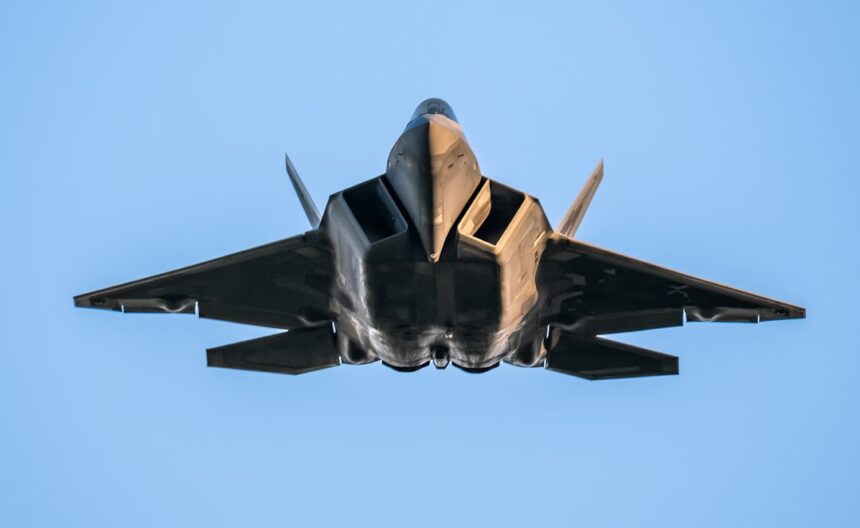
Defense spending patterns exhibit cyclical characteristics driven by multiple interconnected factors. Nations typically increase military expenditures in response to perceived security threats, technological developments, or changes in regional power dynamics. When one country expands its defense budget, neighboring states often follow suit to maintain strategic balance, creating what researchers term a “security dilemma.”
Statistical analysis reveals that defense spending as a percentage of GDP varies significantly across regions and time periods.
According to the Stockholm International Peace Research Institute (SIPRI), global military expenditure reached $2.44 trillion in 2022, representing a 3.7% increase from the previous year. The United States accounts for approximately 39% of total global defense spending, followed by China at 13%. Political factors significantly influence defense budget allocations.
Electoral cycles, public opinion regarding national security, and legislative priorities affect spending decisions. Defense expenditures often receive bipartisan support in many democracies, making them less susceptible to budget cuts compared to other government programs. Economic research indicates that defense spending can stimulate certain sectors through procurement contracts and employment, though economists debate its overall efficiency compared to alternative public investments.
The relationship between defense spending and actual security outcomes remains complex. While military expenditure can enhance deterrence capabilities and provide technological advantages, excessive spending may divert resources from education, infrastructure, and healthcare programs that contribute to long-term national strength and stability.
Key Takeaways
- Defense spending creates a continuous cycle driven by political, economic, and military interests.
- High defense budgets strain national finances, often at the expense of social programs and infrastructure.
- The military-industrial complex heavily influences policy, promoting ongoing arms development and procurement.
- Technological advancements escalate costs, fueling a global arms race and complicating budget reductions.
- Breaking the cycle requires international cooperation, diplomacy, and strategic reforms to prioritize peace and resource allocation.
The Impact on National Budgets
The ramifications of escalating defense spending on national budgets are profound and multifaceted. As governments allocate a larger portion of their financial resources to military expenditures, other essential services may suffer from underfunding. This shift in budgetary priorities can lead to significant trade-offs, where investments in infrastructure, social programs, and public welfare are sacrificed in favor of military readiness.
The consequences of such decisions can be far-reaching, affecting the overall quality of life for citizens and undermining long-term economic stability. In many cases, the prioritization of defense spending can exacerbate existing inequalities within a nation. Resources that could have been directed toward improving education systems or healthcare access are instead funneled into weapons procurement and military operations.
This misallocation of funds can create a cycle of disadvantage for marginalized communities, who may already be struggling to access basic services. As national budgets become increasingly skewed toward defense, the social fabric of a nation can fray, leading to discontent and unrest among the populace.
The Influence of Military-Industrial Complex
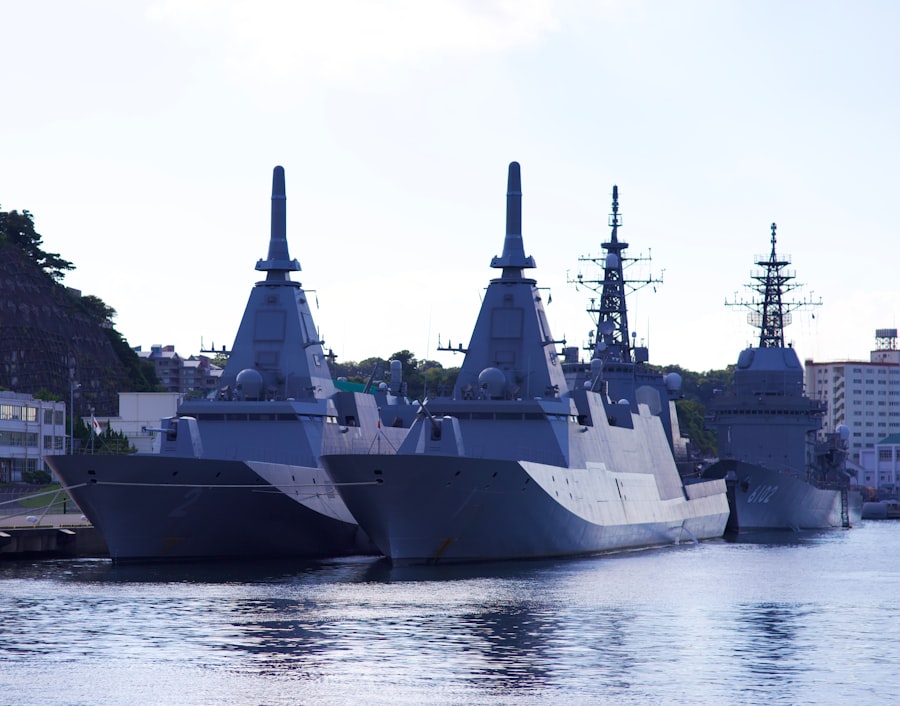
The military-industrial complex plays a pivotal role in shaping defense spending policies and priorities. This term refers to the close relationship between a nation’s military establishment and the defense industry that supplies it with weapons, technology, and services. The intertwining interests of government officials, military leaders, and defense contractors create a powerful lobbying force that advocates for increased military budgets.
This influence can lead to a situation where defense spending is driven more by the interests of the industry than by genuine security needs. Furthermore, the military-industrial complex often perpetuates a culture of dependency on defense spending within the economy. As defense contractors grow in size and influence, they become significant players in the national economy, creating jobs and generating revenue.
This economic interdependence can make it politically challenging to cut defense budgets, as doing so could have adverse effects on employment and local economies reliant on military contracts. Consequently, the military-industrial complex can create a feedback loop that reinforces high levels of defense spending, even in times when such expenditures may not be justified by security concerns.
The Role of Political and Economic Interests
Political and economic interests are deeply intertwined in the realm of defense spending, often complicating efforts to achieve meaningful reform. Politicians may support increased military budgets not only for national security reasons but also due to the economic benefits that come with defense contracts in their constituencies. This creates a situation where local economies become reliant on military spending, making it politically risky for representatives to advocate for cuts or reallocations of funds.
Additionally, the influence of campaign financing cannot be overlooked in this context.
This relationship between money and politics can lead to a situation where decisions about national security are influenced more by economic considerations than by strategic assessments of threats.
As a result, the interplay between political and economic interests can entrench high levels of defense spending, making it difficult to shift priorities toward more pressing social needs.
The Global Arms Race
| Year | Defense Budget (Billion) | Upgrade Spending (Billion) | Percentage of Total Defense Budget | Impact on Other Sectors | Notes |
|---|---|---|---|---|---|
| 2018 | 700 | 150 | 21.4% | Reduced funding for education and healthcare | Initial increase in upgrade spending |
| 2019 | 720 | 165 | 22.9% | Further cuts in social programs | Upgrade spiral begins |
| 2020 | 740 | 185 | 25.0% | Delayed infrastructure projects | Increased reliance on advanced technology |
| 2021 | 760 | 210 | 27.6% | Reduced R&D in non-defense sectors | Spending trap intensifies |
| 2022 | 780 | 240 | 30.8% | Public criticism grows | Budget increasingly dominated by upgrades |
The global arms race is a direct consequence of the perpetual cycle of defense spending and the influence of national security concerns. As countries perceive threats from one another, they often respond by increasing their military capabilities, leading to an escalation in arms production and procurement worldwide. This race for superiority not only drives up defense budgets but also fosters an environment of mistrust and hostility among nations.
The result is a precarious balance where nations feel compelled to invest heavily in their militaries to deter potential adversaries. Moreover, the global arms race has significant implications for international relations and global stability. As nations stockpile weapons and enhance their military capabilities, the potential for conflict increases.
The focus on military preparedness can divert attention from diplomatic solutions to disputes, leading to an escalation of tensions that could have been resolved through dialogue. In this context, the arms race becomes not just a matter of national security but also a barrier to achieving lasting peace and cooperation among nations.
The Opportunity Cost of Defense Spending

The opportunity cost associated with defense spending is a critical consideration that often goes unexamined in public discourse. When governments allocate substantial resources to military expenditures, they inevitably forgo investments in other vital areas such as education, healthcare, and infrastructure development. These opportunity costs can have long-term consequences for societal well-being and economic growth.
For instance, underfunded education systems can lead to a less skilled workforce, ultimately hampering innovation and productivity. Furthermore, the opportunity cost extends beyond immediate budgetary concerns; it encompasses broader societal implications as well. High levels of defense spending can contribute to social unrest and dissatisfaction among citizens who feel neglected by their government’s priorities.
When individuals perceive that their needs are being overlooked in favor of military expenditures, it can erode trust in public institutions and fuel discontent. Thus, the opportunity cost of defense spending is not merely an economic calculation; it reflects deeper societal values and priorities that shape the future trajectory of nations.
The Effect on Social Programs and Infrastructure
The impact of defense spending on social programs and infrastructure is profound and often detrimental. As governments prioritize military budgets over social welfare initiatives, essential services such as healthcare, education, and public transportation may suffer from chronic underfunding. This neglect can lead to deteriorating infrastructure, increased poverty rates, and diminished access to quality education and healthcare for vulnerable populations.
The consequences are particularly acute in developing nations where resources are already scarce. Moreover, the diversion of funds from social programs to defense spending can exacerbate existing inequalities within society. Marginalized communities often bear the brunt of these budgetary decisions, facing reduced access to critical services while military expenditures continue to rise unabated.
This imbalance can create a cycle of disadvantage that perpetuates poverty and social unrest. Ultimately, the prioritization of defense spending over social programs undermines the very foundations of societal well-being and cohesion.
The Challenge of Cutting Defense Budgets
Cutting defense budgets presents significant challenges for policymakers who seek to reallocate resources toward more pressing social needs. The entrenched interests of the military-industrial complex create formidable obstacles to budget reductions, as powerful lobbying groups advocate for maintaining or increasing military expenditures. Additionally, political leaders may fear backlash from constituents who perceive any reduction in defense spending as a threat to national security.
Furthermore, the psychological factors at play cannot be underestimated. In times of uncertainty or perceived threats, public support for increased defense spending often rises sharply. This creates a political environment where cutting military budgets becomes politically perilous, even when economic conditions necessitate such actions.
As a result, efforts to reduce defense spending are frequently met with resistance from both political leaders and the public at large.
The Role of Technology in Defense Spending
Technology plays an increasingly central role in shaping defense spending patterns across nations. As advancements in military technology continue to evolve rapidly, governments feel compelled to invest heavily in research and development to maintain their competitive edge. This drive for technological superiority often leads to spiraling costs associated with cutting-edge weaponry and systems integration.
Consequently, nations find themselves caught in a cycle where they must continually upgrade their military capabilities to keep pace with emerging threats.
While advanced weaponry may enhance military capabilities, it does not necessarily translate into improved security outcomes or deterrence strategies.
Policymakers must grapple with the challenge of balancing investments in technology with broader considerations of diplomacy and conflict resolution. Ultimately, the role of technology in defense spending underscores the need for a nuanced approach that considers both immediate security needs and long-term strategic objectives.
The Need for International Cooperation and Diplomacy
In an era marked by escalating tensions and an arms race among nations, the need for international cooperation and diplomacy has never been more critical. Rather than succumbing to the pressures of militarization, countries must prioritize dialogue and collaboration as means to address shared security challenges. Diplomatic efforts can help build trust among nations and reduce the perceived need for excessive military expenditures.
Furthermore, international cooperation can facilitate arms control agreements that limit the proliferation of weapons and promote transparency in military spending. By engaging in multilateral discussions focused on disarmament and conflict resolution, nations can work together to create a more stable global environment that prioritizes peace over militarization. Ultimately, fostering international cooperation is essential for breaking free from the cycle of defense spending that has characterized global relations for far too long.
Strategies for Breaking the Upgrade Spiral
Breaking the upgrade spiral associated with defense spending requires innovative strategies that prioritize sustainable security solutions over militarization. One approach involves promoting transparency in military budgets and expenditures, allowing citizens to hold their governments accountable for how resources are allocated. By fostering public awareness about the opportunity costs associated with excessive defense spending, policymakers may be encouraged to reconsider their priorities.
Additionally, investing in diplomacy and conflict resolution initiatives can help shift focus away from militarization toward cooperative security arrangements. By emphasizing non-military approaches to addressing conflicts—such as mediation and negotiation—nations can reduce their reliance on costly military upgrades while still ensuring their security needs are met. Ultimately, breaking the upgrade spiral necessitates a comprehensive reevaluation of national security strategies that prioritize peacebuilding over militarization.
In conclusion, addressing the complex dynamics surrounding defense spending requires a multifaceted approach that considers economic realities, political interests, technological advancements, and international cooperation. By recognizing the opportunity costs associated with excessive military expenditures and prioritizing social programs alongside security needs, nations can work toward creating a more balanced approach that fosters both safety and societal well-being.
In the context of the ongoing discussions about the upgrade spiral defense spending trap, it’s essential to consider various perspectives on military expenditures and their implications. A related article that delves into these issues can be found on In The War Room, which provides insights into the complexities of defense budgeting and strategic planning. For more information, you can read the article [here](https://www.inthewarroom.com/).
FAQs
What is the “upgrade spiral” in defense spending?
The “upgrade spiral” refers to a cycle where military forces continuously invest in newer and more advanced weapons systems to maintain or gain a technological edge, leading to escalating defense budgets over time.
Why is the upgrade spiral considered a spending trap?
It is considered a spending trap because the constant need to upgrade and modernize equipment can lead to rapidly increasing costs, making it difficult for governments to control defense budgets and allocate resources efficiently.
How does the upgrade spiral impact national security?
While upgrading defense capabilities can enhance national security, the spiral can also divert funds from other critical areas such as personnel, training, and maintenance, potentially weakening overall military readiness.
What factors contribute to the upgrade spiral in defense spending?
Factors include technological advancements, perceived threats from adversaries, political pressures, defense industry lobbying, and the desire to maintain military superiority.
Can the upgrade spiral be managed or controlled?
Yes, through strategic planning, prioritizing cost-effective solutions, improving procurement processes, and focusing on interoperability and sustainability, governments can better manage defense spending and avoid excessive escalation.
What are some examples of the upgrade spiral in recent defense budgets?
Examples include continuous modernization of fighter jets, naval vessels, missile defense systems, and cyber warfare capabilities, often leading to multi-billion dollar programs with extended timelines and cost overruns.
How does the upgrade spiral affect international arms races?
The upgrade spiral can contribute to arms races by prompting rival nations to respond with their own military enhancements, potentially increasing regional or global tensions and defense expenditures.
What role do defense contractors play in the upgrade spiral?
Defense contractors often develop and promote advanced technologies, which can drive demand for upgrades. Their influence may contribute to the cycle by encouraging continuous procurement of new systems.
Are there alternative approaches to defense spending besides the upgrade spiral?
Alternatives include focusing on asymmetric warfare capabilities, investing in cyber defense, emphasizing diplomacy and alliances, and adopting modular or upgradeable systems to extend the life of existing equipment.
What are the long-term consequences of unchecked upgrade spirals?
Long-term consequences may include unsustainable defense budgets, reduced funding for other government priorities, increased national debt, and potential vulnerabilities if spending focuses too heavily on technology rather than overall military effectiveness.