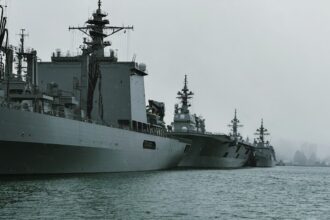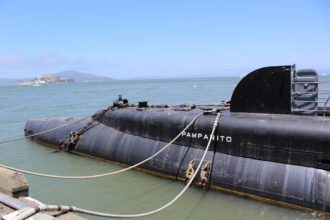
Defense spending constitutes a substantial component of national budgets worldwide, with governments allocating considerable resources to military capabilities including personnel compensation, training programs, equipment procurement, and technological development. The United States maintains one of the largest defense budgets globally, consistently spending over $700 billion annually, representing approximately 3.5% of its GDP. Other major military spenders include China, India, Russia, and Saudi Arabia, with global military expenditure reaching $2.4 trillion in 2022 according to the Stockholm International Peace Research Institute.
Military spending creates opportunity costs by directing funds away from alternative government priorities such as education, healthcare, infrastructure, and social services. Economic analysis demonstrates that resources allocated to defense cannot simultaneously address domestic programs, creating policy trade-offs that governments must evaluate. Countries face decisions about optimal resource allocation between national security objectives and civilian sector investments, with different nations adopting varying approaches based on their strategic circumstances, threat assessments, and political priorities.
This allocation challenge requires policymakers to weigh security requirements against potential benefits from alternative public investments in areas that may enhance long-term economic growth and citizen welfare.
Key Takeaways
- Defense spending significantly affects national budgets and economic priorities.
- Military industrial complex plays a crucial role in shaping defense policies and expenditures.
- Maintaining military superiority creates ongoing pressure on government resources.
- High defense costs have opportunity costs, impacting social and domestic programs.
- Strategic defense planning is essential to balance security needs with economic sustainability.
The Impact on National Budgets
The allocation of funds to defense spending has profound implications for national budgets. In many countries, defense expenditures are among the largest line items, often competing with essential services like education and healthcare for limited resources. As governments grapple with fiscal constraints, the prioritization of military spending can lead to budgetary imbalances.
This situation is particularly evident in nations facing economic challenges, where the need for austerity measures may force cuts in social programs while military budgets remain intact or even increase. Moreover, the impact of defense spending on national budgets can create a cycle of dependency on military funding. As countries invest heavily in their armed forces, they may find it increasingly difficult to reduce these expenditures without facing backlash from defense contractors and military personnel.
This dynamic can lead to a situation where defense budgets become entrenched, making it challenging for policymakers to reallocate resources toward more pressing domestic issues. The long-term consequences of such budgetary decisions can hinder a nation’s ability to invest in its future, ultimately affecting its overall economic stability.
The Influence on International Relations
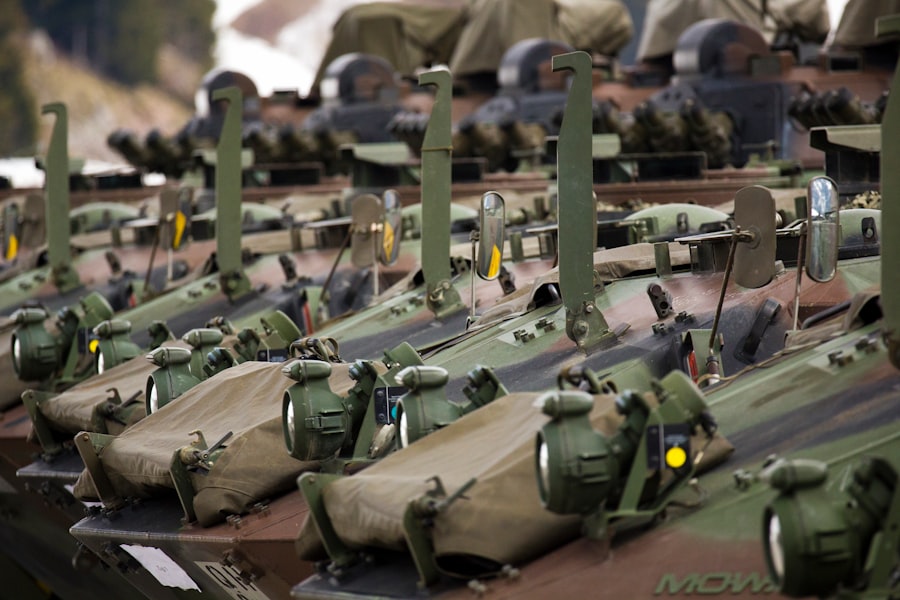
Defense spending plays a crucial role in shaping international relations and geopolitical dynamics. Nations with substantial military capabilities often wield greater influence on the global stage, as their ability to project power can deter potential adversaries and reassure allies. This reality creates a competitive environment where countries feel compelled to increase their defense budgets in response to perceived threats or rivalries.
The arms race that ensues can exacerbate tensions between nations, leading to an escalation of conflicts and a deterioration of diplomatic relations. Furthermore, defense spending can also serve as a tool for soft power. Countries that invest in humanitarian missions and peacekeeping operations can enhance their global standing and foster goodwill among other nations.
However, this approach requires a delicate balance; excessive military spending may alienate potential allies and provoke hostility from adversaries. Thus, the influence of defense spending on international relations is multifaceted, encompassing both the hard power of military might and the soft power of diplomacy and cooperation.
The Role of Military Industrial Complex
The military-industrial complex plays a pivotal role in shaping defense spending policies and priorities. This term refers to the close relationship between a nation’s armed forces, government policymakers, and defense contractors. As these entities collaborate to develop and procure military technologies, they create a powerful lobbying force that can significantly influence budgetary decisions.
The interests of defense contractors often align with increased military spending, as they stand to benefit financially from government contracts. This relationship can lead to a cycle where defense spending is perpetuated by the interests of the military-industrial complex rather than genuine security needs. Critics argue that this dynamic can result in wasteful expenditures on unnecessary weapons systems or technologies that do not align with current threats.
Additionally, the influence of the military-industrial complex can stifle meaningful discussions about alternative approaches to national security, such as diplomacy or conflict resolution strategies.
The Pressure to Maintain Military Superiority
| Metric | Description | Example/Value |
|---|---|---|
| Defense Spending Growth Rate | Annual percentage increase in defense budget | 5-10% per year |
| GDP Percentage on Defense | Portion of a country’s GDP allocated to defense | 2-4% |
| Military Personnel Costs | Share of defense budget spent on salaries and benefits | 30-50% |
| Equipment and Procurement Costs | Portion of budget spent on weapons, vehicles, and technology | 40-60% |
| Maintenance and Operations Costs | Costs related to upkeep and daily operations of military assets | 10-20% |
| Opportunity Cost | Economic sectors or social programs underfunded due to defense spending | Education, healthcare, infrastructure |
| Debt Increase Due to Defense Spending | Percentage increase in national debt attributed to defense budget | Varies; can be 1-3% annually |
| Security Dilemma Effect | Cycle where increased defense spending by one country prompts others to do the same | Leads to arms race and spending trap |
The pressure to maintain military superiority is a driving force behind many nations’ defense spending strategies. In an increasingly interconnected world, countries often feel compelled to invest heavily in their armed forces to deter potential aggressors and assert their influence on the global stage. This competitive mindset can lead to an arms race, where nations continuously seek to outdo one another in terms of military capabilities.
The result is a cycle of escalating expenditures that may not necessarily correlate with actual security needs. Moreover, this pressure can create a sense of insecurity among nations, leading them to adopt aggressive postures or engage in preemptive actions. The belief that one must always be prepared for conflict can overshadow opportunities for diplomacy and peaceful resolution of disputes.
The Opportunity Cost of Defense Spending
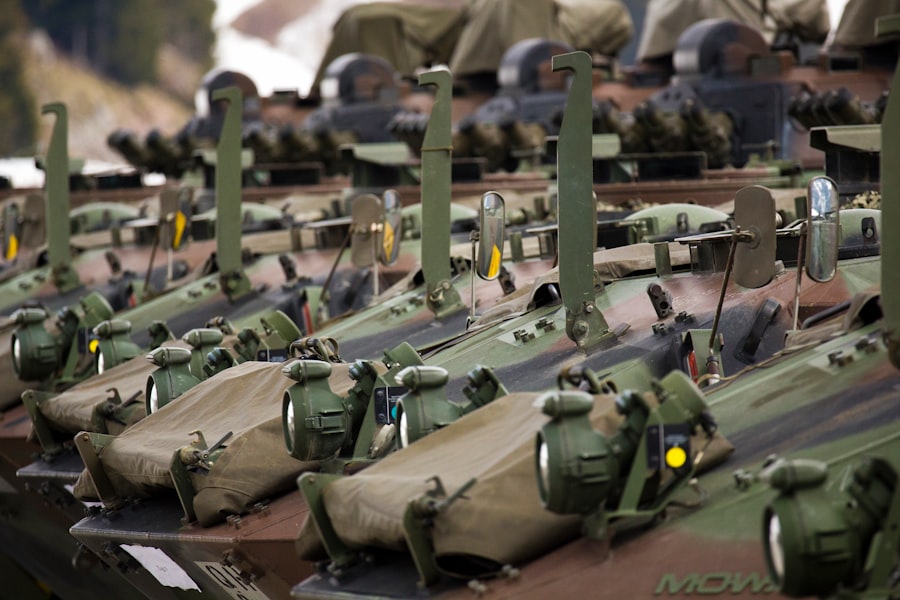
The opportunity cost of defense spending is a critical consideration for policymakers as they navigate budgetary decisions. When governments allocate substantial resources to their militaries, they often do so at the expense of other vital sectors such as education, healthcare, and infrastructure development. These areas are essential for fostering long-term economic growth and improving citizens’ quality of life.
As such, the trade-offs associated with defense spending raise important questions about national priorities and the overall direction of public policy. In many cases, the opportunity cost associated with defense spending can have far-reaching consequences for society. For instance, underfunded education systems may lead to a less skilled workforce, ultimately hindering economic competitiveness.
Similarly, inadequate healthcare funding can result in poorer health outcomes for citizens, which may further strain public resources in the long run. By failing to adequately address these critical areas due to an overemphasis on military expenditures, governments risk compromising their citizens’ well-being and future prosperity.
The Link to Economic Growth
The relationship between defense spending and economic growth is complex and multifaceted. On one hand, proponents argue that military expenditures can stimulate economic activity by creating jobs in defense industries and related sectors. Investments in research and development for advanced technologies can also lead to innovations that benefit civilian industries.
For some regions, particularly those with significant defense manufacturing capabilities, military spending can serve as a crucial driver of local economies. Conversely, critics contend that excessive defense spending can divert resources away from more productive investments that foster sustainable economic growth. When governments prioritize military expenditures over infrastructure development or education funding, they may inadvertently stifle innovation and limit opportunities for economic advancement.
Additionally, high levels of defense spending can lead to increased national debt, which may constrain future economic growth by limiting fiscal flexibility. Thus, while there may be short-term benefits associated with defense spending, its long-term impact on economic growth remains a contentious issue.
The Debate on Defense Spending
The debate surrounding defense spending is often polarized, with strong arguments on both sides regarding its necessity and implications. Advocates for increased military budgets emphasize the importance of national security in an unpredictable world. They argue that robust defense capabilities are essential for deterring threats and protecting national interests.
In this view, investing in the military is seen as a fundamental responsibility of governments to ensure the safety and security of their citizens. On the other hand, critics argue that excessive defense spending diverts resources from critical social programs that address pressing domestic issues such as poverty alleviation and healthcare access. They contend that a more balanced approach is needed—one that prioritizes diplomacy and conflict resolution over militarization.
This debate often reflects broader ideological divides regarding the role of government in society and the appropriate balance between security and social welfare.
The Connection to Global Security
Defense spending is intricately linked to global security dynamics, influencing how nations interact with one another on the international stage. Countries with substantial military capabilities often play pivotal roles in shaping global security policies and responses to crises. Their ability to project power can deter aggression from adversaries while reassuring allies of their commitment to collective security arrangements.
However, this connection also raises concerns about militarization and its potential consequences for global stability. As nations invest heavily in their armed forces, there is a risk that conflicts may escalate rather than be resolved through diplomatic means. The proliferation of advanced weaponry can exacerbate tensions between rival states and contribute to an arms race that undermines efforts toward disarmament and peaceful coexistence.
Thus, while defense spending is essential for national security, its broader implications for global security must be carefully considered.
The Effect on Domestic Policies
The prioritization of defense spending can have significant effects on domestic policies within nations. As governments allocate substantial resources to their militaries, they may face pressure to cut funding for social programs or public services that directly impact citizens’ lives. This dynamic can lead to public discontent and social unrest as citizens demand better access to education, healthcare, and other essential services.
Moreover, the focus on military expenditures can shape political discourse and influence electoral outcomes. Candidates who advocate for increased defense budgets may gain support from certain constituencies while alienating those who prioritize social welfare issues. This polarization can hinder constructive dialogue about national priorities and limit opportunities for bipartisan cooperation on critical policy matters.
The Need for Strategic Defense Planning
In light of the complexities surrounding defense spending and its implications for national budgets, international relations, and domestic policies, there is an urgent need for strategic defense planning. Policymakers must carefully assess their countries’ security needs while considering the broader societal impacts of military expenditures. A comprehensive approach that balances national security with investments in education, healthcare, and infrastructure is essential for fostering long-term stability and prosperity.
Strategic defense planning should also involve collaboration with international partners to address shared security challenges through diplomatic means rather than solely relying on military solutions. By prioritizing dialogue and cooperation alongside responsible defense spending, nations can work toward creating a more secure world while ensuring that their citizens’ needs are met. Ultimately, thoughtful strategic planning will be crucial in navigating the complexities of modern security challenges while promoting sustainable development at home and abroad.
The concept of the defense spending trap is intricately linked to broader discussions about military budgets and national security strategies. For a deeper understanding of the implications of defense spending and its potential pitfalls, you can explore the article available at this link. This resource provides valuable insights into how excessive military expenditures can impact a nation’s overall security and economic stability.
FAQs
What is the defense spending trap?
The defense spending trap refers to a situation where a country becomes locked into continuously increasing its military budget due to external threats, political pressures, or economic interests, making it difficult to reduce or reallocate funds without compromising national security or political stability.
Why do countries fall into the defense spending trap?
Countries may fall into the defense spending trap because of perceived or real security threats, arms races with rival nations, commitments to military alliances, or the influence of defense contractors and political groups that benefit from high military expenditures.
What are the consequences of the defense spending trap?
The consequences can include reduced funding for social programs, economic strain, increased national debt, and a potential arms race that escalates regional or global tensions. It may also limit a country’s ability to invest in other critical areas like education, healthcare, and infrastructure.
How can countries escape the defense spending trap?
Escaping the trap often requires diplomatic efforts to reduce tensions, arms control agreements, defense budget reforms, increased transparency, and prioritizing efficient use of resources. Building trust with other nations and focusing on non-military security measures can also help.
Is the defense spending trap a global issue?
Yes, the defense spending trap is a global issue affecting many countries, especially those involved in ongoing conflicts, geopolitical rivalries, or those with large military-industrial complexes. It is a common challenge in both developed and developing nations.
What role do defense contractors play in the defense spending trap?
Defense contractors can influence defense spending through lobbying and political contributions, promoting the development and procurement of military equipment. This can contribute to sustained or increased defense budgets, making it harder to reduce spending.
Can defense spending be reduced without compromising security?
Yes, it is possible to reduce defense spending without compromising security by improving military efficiency, investing in advanced technology, focusing on strategic defense priorities, and engaging in international cooperation to address security threats collectively.