The Soviet Union’s approach to nuclear command and control was a complex interplay of military strategy, political ideology, and technological innovation. As one of the two superpowers during the Cold War, the USSR developed a nuclear arsenal that was not only vast but also intricately linked to its national security strategy. The command and control systems established by the Soviet leadership were designed to ensure that nuclear weapons could be deployed swiftly and effectively in the event of a conflict.
This system was characterized by a unique blend of centralized authority and military discipline, reflecting the broader political landscape of the Soviet state. Understanding the intricacies of Soviet nuclear command and control requires an examination of its historical context, technological advancements, and the interplay between military and political leadership. The evolution of these systems was shaped by both external threats and internal dynamics, leading to a framework that was both robust and, at times, fraught with challenges.
As the Cold War progressed, the Soviet Union’s nuclear strategy became increasingly sophisticated, yet it remained deeply rooted in the ideological tenets of Marxism-Leninism, which influenced decision-making processes at every level.
Key Takeaways
- Soviet nuclear command and control evolved through complex military and political interactions during the Cold War.
- The Soviet military played a central role in managing nuclear forces and operational decision-making.
- Political leadership heavily influenced nuclear command structures and crisis management protocols.
- Technological advancements both enhanced capabilities and exposed vulnerabilities in the Soviet system.
- The Soviet experience offers critical lessons on command challenges, crisis response, and system resilience compared to Western models.
Early Development of Soviet Nuclear Command and Control
The origins of Soviet nuclear command and control can be traced back to the aftermath of World War II when the USSR emerged as a global superpower. The development of nuclear weapons was seen as essential for national security, prompting the establishment of a centralized command structure. Initially, this system was rudimentary, relying heavily on the leadership of Joseph Stalin and a small group of trusted military advisors.
The early years were marked by a sense of urgency as the Soviet Union sought to catch up with the United States, which had already demonstrated its nuclear capabilities. As the 1950s approached, the Soviet leadership recognized the need for a more sophisticated command and control system. The establishment of the Ministry of Defense and the Strategic Rocket Forces marked significant milestones in this evolution.
These institutions were tasked with overseeing the development, deployment, and operational readiness of nuclear forces. The emphasis on centralization reflected a broader trend within the Soviet military, where loyalty to the party and adherence to its directives were paramount. This early framework laid the groundwork for a more complex system that would evolve in response to both technological advancements and geopolitical realities.
The Role of the Soviet Military in Nuclear Command and Control
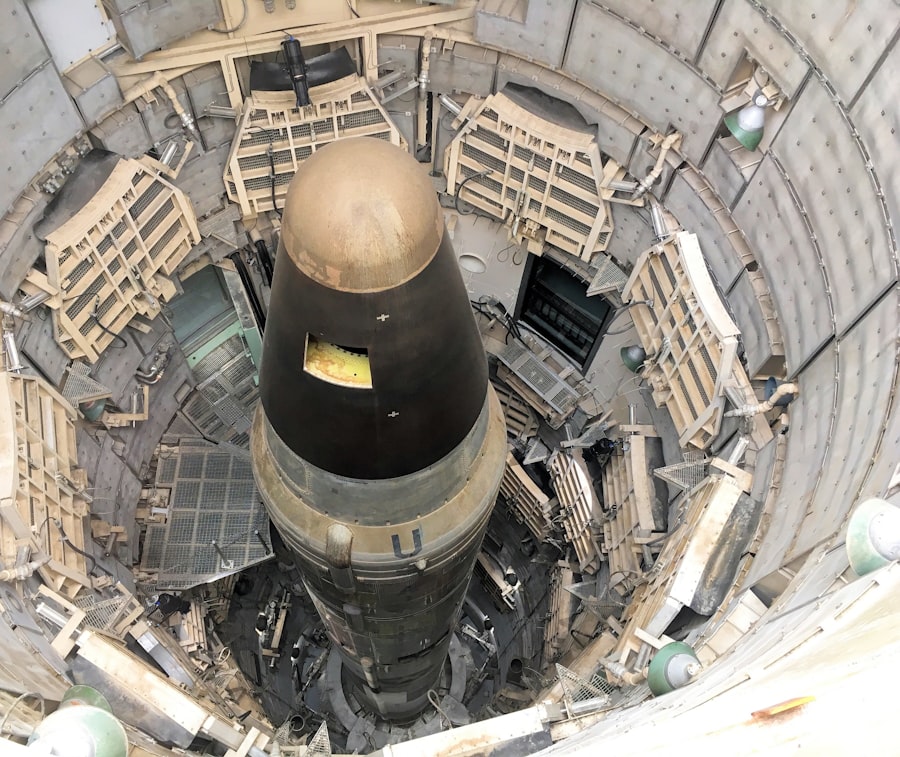
The Soviet military played a pivotal role in shaping the command and control mechanisms for nuclear weapons. The armed forces were not merely executors of political will; they were integral to the formulation of nuclear strategy. High-ranking military officials were often involved in critical decision-making processes, ensuring that military considerations were adequately represented in discussions about nuclear policy.
This collaboration between military leaders and political authorities created a unique dynamic that influenced how nuclear capabilities were perceived and utilized. Moreover, the structure of the Soviet military itself contributed to the effectiveness of its nuclear command and control system. The hierarchy within the armed forces was characterized by strict discipline and a clear chain of command, which facilitated rapid decision-making in times of crisis.
The establishment of specialized units within the military focused on nuclear operations further enhanced this capability. These units were trained to respond swiftly to any perceived threat, reflecting a commitment to maintaining a credible deterrent against potential adversaries.
The Influence of Soviet Political Leadership on Nuclear Command and Control
Political leadership in the Soviet Union exerted significant influence over nuclear command and control systems. The intertwining of military and political authority meant that decisions regarding nuclear weapons were often driven by ideological considerations as much as by strategic imperatives. Leaders such as Nikita Khrushchev and Leonid Brezhnev shaped nuclear policy through their personal beliefs and political agendas, impacting how nuclear capabilities were developed and deployed.
Khrushchev’s tenure marked a period of aggressive posturing in nuclear strategy, exemplified by events such as the Cuban Missile Crisis. His willingness to engage in brinkmanship reflected a belief in using nuclear weapons as tools of political leverage. Conversely, Brezhnev’s approach was characterized by a focus on stability and arms control, leading to treaties that aimed to limit the proliferation of nuclear weapons.
This shift in leadership style underscored how political dynamics could alter the trajectory of nuclear command and control within the Soviet Union.
Evolution of Soviet Nuclear Command and Control during the Cold War
| Metric | Description | Details |
|---|---|---|
| Command Authority | Highest level of control over nuclear forces | General Secretary of the Communist Party and the Minister of Defense |
| Communication Systems | Means of transmitting launch orders | Radio, landlines, satellite links, and the “Perimeter” automated system |
| Perimeter System | Automated nuclear retaliation system | Designed to launch missiles automatically if command is destroyed |
| Launch Control Centers | Facilities for missile launch authorization and control | Hardened underground bunkers with secure communication lines |
| Early Warning Systems | Detection of incoming nuclear attacks | Radar stations, satellites, and seismic sensors |
| Decentralization | Distribution of command to prevent single point of failure | Multiple command posts and redundant communication channels |
| Fail-Safe Mechanisms | Procedures to prevent accidental launches | Two-person rule and coded launch authorization |
| Response Time | Time from detection to potential launch | Estimated at 15-30 minutes during Cold War peak |
Throughout the Cold War, Soviet nuclear command and control systems underwent significant evolution in response to changing geopolitical landscapes. The arms race with the United States necessitated continuous improvements in technology and strategy. By the 1960s, advancements in missile technology and delivery systems prompted a reevaluation of existing command structures.
The introduction of intercontinental ballistic missiles (ICBMs) required more sophisticated methods for communication and coordination among various military branches. The establishment of early warning systems became crucial during this period, as they provided vital information about potential threats. These systems were designed to detect incoming missile attacks, allowing for rapid response measures.
However, this evolution was not without its challenges; as technology advanced, so too did concerns about reliability and security within the command structure. The need for redundancy in communication channels became apparent, leading to further refinements in how orders were transmitted and executed.
Crisis Management and Decision-making in Soviet Nuclear Command and Control
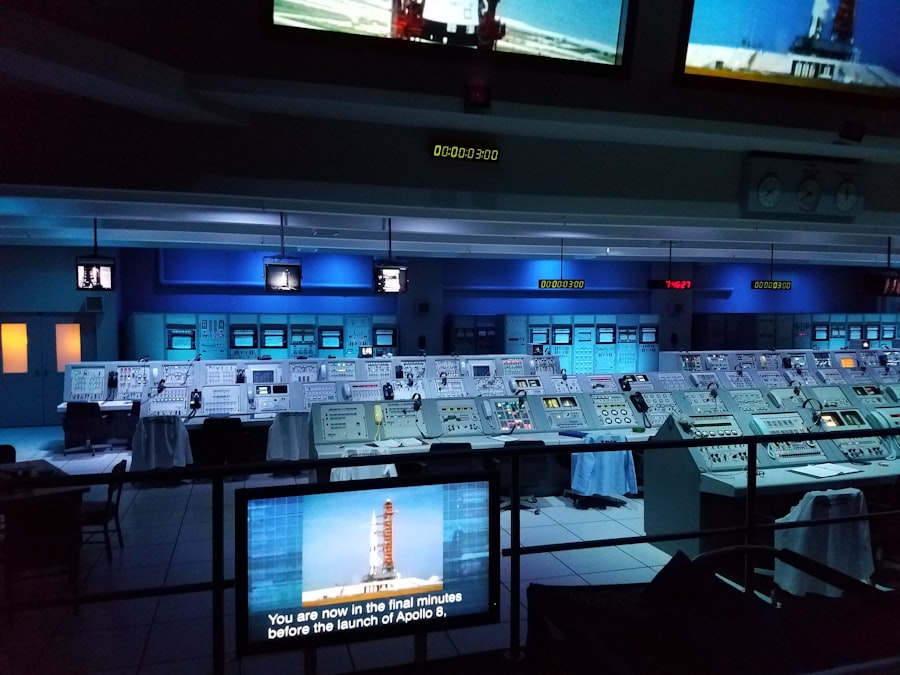
Crisis management was a critical aspect of Soviet nuclear command and control, particularly during moments of heightened tension with Western powers. The Cuban Missile Crisis serves as a prime example of how decision-making processes were tested under pressure. During this standoff, the Soviet leadership faced immense pressure to respond decisively while avoiding escalation into full-scale war.
The interplay between military advice and political considerations became evident as leaders navigated this precarious situation.
While quick responses were essential for deterrence, they also raised concerns about miscommunication or hasty actions that could lead to unintended consequences.
The reliance on trusted military advisors meant that decisions were often made within a narrow circle, potentially limiting broader perspectives that could have informed more measured responses.
The Impact of Technological Advances on Soviet Nuclear Command and Control
Technological advancements played a transformative role in shaping Soviet nuclear command and control systems throughout the Cold War. The development of sophisticated communication networks allowed for more efficient transmission of orders and information between various military branches. Innovations such as secure telephone lines and encrypted messaging systems enhanced the reliability of communication during critical moments.
Moreover, advancements in computer technology revolutionized data processing capabilities within command centers. This enabled military leaders to analyze vast amounts of information quickly, facilitating informed decision-making in real-time scenarios. However, these technological improvements also introduced new vulnerabilities; as systems became more complex, concerns about cyber threats emerged, highlighting the need for robust security measures to protect sensitive information.
Challenges and Weaknesses in the Soviet Nuclear Command and Control System
Despite its strengths, the Soviet nuclear command and control system faced numerous challenges and weaknesses that could have jeopardized its effectiveness. One significant issue was the potential for human error within a highly centralized structure. The reliance on a small group of decision-makers meant that mistakes or misjudgments could have catastrophic consequences.
Instances where miscommunication occurred underscored the fragility of even well-established protocols. Additionally, bureaucratic inefficiencies often hampered responsiveness within the system. As layers of hierarchy increased over time, decision-making processes became more cumbersome, leading to delays in critical situations.
The tension between maintaining strict control over nuclear capabilities while allowing for flexibility in response strategies created inherent contradictions that could undermine overall effectiveness.
The End of the Soviet Union and the Legacy of its Nuclear Command and Control
The dissolution of the Soviet Union in 1991 marked a significant turning point for its nuclear command and control systems. As political structures collapsed, so too did many aspects of centralized authority over nuclear arsenals. This fragmentation raised concerns about security and accountability regarding nuclear materials and weapons across former Soviet states.
The legacy of Soviet nuclear command and control remains relevant today as nations grapple with issues related to non-proliferation and disarmament. The transition from a centralized system to one characterized by multiple independent states presented unique challenges for managing inherited nuclear arsenals. Efforts to secure these weapons through international cooperation highlighted both the risks associated with legacy systems and the importance of establishing new frameworks for governance in a post-Soviet context.
Comparisons with Western Nuclear Command and Control Systems
When comparing Soviet nuclear command and control systems with those of Western nations, several key differences emerge. Western systems tended to emphasize decentralized decision-making processes that allowed for greater flexibility in response strategies. In contrast, the Soviet model was characterized by strict centralization, reflecting broader ideological commitments to state control over military operations.
Moreover, Western nations often prioritized transparency and communication with allies as part of their nuclear strategies. In contrast, Soviet secrecy surrounding its nuclear capabilities created an environment where misunderstandings could easily arise. These differences highlight how varying political ideologies shaped approaches to nuclear command and control during the Cold War.
Lessons Learned from the Soviet Experience in Nuclear Command and Control
The experience of the Soviet Union offers valuable lessons for contemporary discussions surrounding nuclear command and control systems worldwide. One critical takeaway is the importance of balancing centralization with flexibility; while strong leadership is essential for effective decision-making during crises, it is equally important to incorporate diverse perspectives into strategic discussions. Additionally, ensuring robust communication channels can mitigate risks associated with miscommunication or human error within command structures.
As nations continue to navigate complex geopolitical landscapes marked by evolving threats, understanding historical precedents like those set by the Soviet Union can inform more effective approaches to managing nuclear arsenals responsibly. In conclusion, examining Soviet nuclear command and control reveals a multifaceted system shaped by historical context, technological advancements, military dynamics, and political ideologies. As nations reflect on these lessons learned from history, they can better navigate contemporary challenges related to nuclear security while striving for stability in an increasingly interconnected world.
For a deeper understanding of this critical topic, you can read more in the article available at this link. This resource provides valuable insights into the mechanisms and challenges faced by Soviet leaders in managing their nuclear arsenal.
WATCH THIS 🎬 DEAD HAND: The Soviet Doomsday Machine That’s Still Listening
FAQs
What was the primary purpose of the Soviet nuclear command and control system?
The primary purpose of the Soviet nuclear command and control system was to ensure centralized and secure management of the Soviet Union’s nuclear arsenal, enabling effective decision-making and coordination for the deployment or use of nuclear weapons.
How was the Soviet nuclear command and control system structured?
The system was highly centralized, with ultimate authority resting with the General Secretary of the Communist Party and the Defense Minister. It included multiple layers of military and political leadership, communication networks, and control centers designed to maintain command continuity even during a crisis.
What communication methods were used in the Soviet nuclear command and control system?
The Soviet system employed a variety of communication methods, including secure landlines, radio transmissions, and specialized communication satellites, to maintain reliable and encrypted links between command centers and nuclear forces.
Did the Soviet nuclear command and control system have fail-safes to prevent accidental launches?
Yes, the system incorporated multiple fail-safes and authentication procedures to prevent unauthorized or accidental nuclear launches, including coded launch orders, multiple personnel authorizations, and technical safeguards.
How did the Soviet nuclear command and control system compare to that of the United States?
While both systems aimed to maintain secure and reliable control over nuclear forces, the Soviet system was generally more centralized and rigid, reflecting the political structure of the USSR, whereas the U.S. system incorporated more distributed command elements and technological redundancies.
What role did the Soviet military leadership play in nuclear command and control?
Soviet military leadership, particularly the Strategic Rocket Forces and the General Staff, played a critical role in executing orders, maintaining readiness, and managing the operational aspects of the nuclear arsenal under the direction of political leadership.
Were there any known incidents involving the Soviet nuclear command and control system?
There have been reports and declassified information about incidents and close calls during the Cold War, including false alarms and communication errors, but the system’s safeguards generally prevented accidental nuclear launches.
How did the Soviet nuclear command and control system evolve over time?
The system evolved with technological advancements and changing strategic doctrines, incorporating improved communication technologies, automated control systems, and enhanced security measures from the early Cold War through the dissolution of the Soviet Union.