The concept of automated nuclear retaliation has its roots in the Cold War, a period marked by intense geopolitical tension between the United States and the Soviet Union. As both superpowers amassed vast arsenals of nuclear weapons, the need for a reliable and swift response mechanism became paramount. The fear of a surprise nuclear attack led to the development of various systems designed to ensure that a retaliatory strike could be executed even in the event of a decapitation strike that incapacitated command structures.
Early warning systems, such as the U.S. Ballistic Missile Early Warning System (BMEWS), were established to detect incoming threats, laying the groundwork for automated responses. As technology advanced, so did the sophistication of these systems.
By the late 20th century, nations began to explore the integration of computer systems into their nuclear arsenals. The introduction of the Strategic Automated Command and Control System (SACCS) in the United States represented a significant leap forward. This system was designed to facilitate rapid decision-making in the event of a nuclear attack, allowing for automated responses that could be executed within minutes.
The historical trajectory of automated nuclear retaliation reflects a growing reliance on technology to manage the complexities of nuclear deterrence, raising questions about the implications of such reliance.
Key Takeaways
- Automated nuclear retaliation systems were developed during the Cold War to ensure a swift response to nuclear attacks.
- These systems operate by detecting incoming threats and automatically launching a counterstrike without human intervention.
- Automated retaliation plays a critical role in deterrence by guaranteeing retaliation, thus discouraging initial attacks.
- There are significant ethical concerns regarding the loss of human control and the potential for accidental nuclear war.
- Future advancements may improve reliability but also raise new risks, requiring careful international regulation and public scrutiny.
How Automated Nuclear Retaliation Systems Work
Automated nuclear retaliation systems operate through a combination of advanced technology and strategic protocols designed to ensure a swift response to perceived threats. At their core, these systems rely on an array of sensors and communication networks that monitor global military activities. Satellites equipped with infrared sensors can detect missile launches, while ground-based radar systems track incoming threats.
The decision-making process within these systems is often governed by pre-established rules of engagement. In some cases, algorithms are employed to assess the situation and determine an appropriate response.
This automation can significantly reduce the time required for human intervention, which is critical in scenarios where every second counts. However, the reliance on algorithms raises concerns about the potential for errors or misinterpretations, as machines may not fully grasp the nuances of human conflict or the broader geopolitical context.
The Role of Automated Nuclear Retaliation in Deterrence
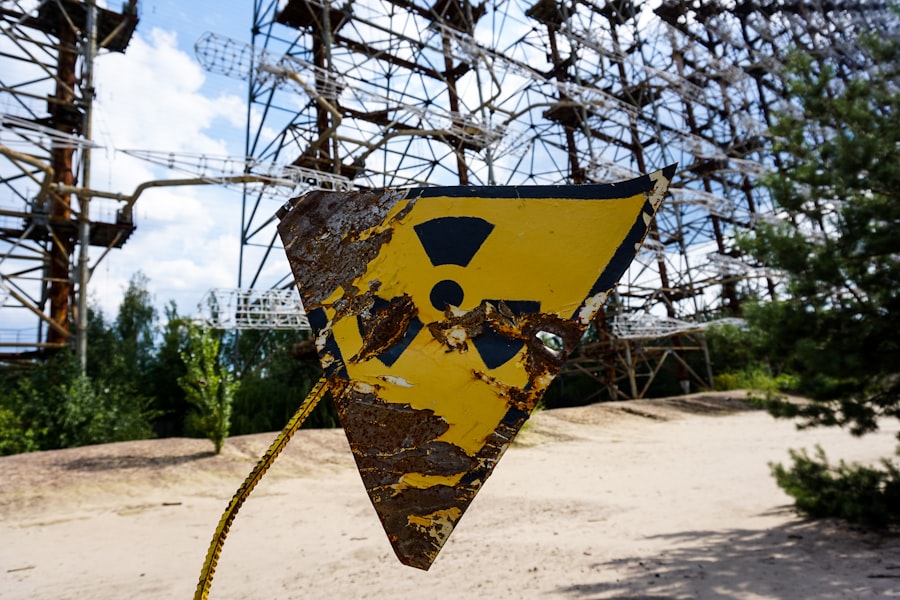
Automated nuclear retaliation plays a crucial role in the broader strategy of deterrence, which aims to prevent adversaries from engaging in aggressive actions by ensuring that the consequences would be catastrophic. The mere existence of automated systems can serve as a powerful deterrent, as potential aggressors must consider the possibility of an immediate and overwhelming response. This aspect of deterrence is particularly relevant in an era where speed and surprise are critical factors in military strategy.
Moreover, automated systems can enhance the credibility of a nation’s deterrent posture. By demonstrating that a country possesses the capability to respond swiftly and decisively to an attack, it reinforces the notion that aggression will not go unpunished. This credibility is essential in maintaining stability in international relations, as it discourages adversaries from testing the resolve of nuclear-armed states.
However, this reliance on automation also introduces complexities, as it may lead to an arms race in advanced technologies aimed at countering automated systems.
Advantages and Disadvantages of Automated Nuclear Retaliation
The advantages of automated nuclear retaliation systems are manifold. One significant benefit is their ability to respond rapidly to threats, minimizing the window of vulnerability that adversaries might exploit. In high-stakes scenarios where time is of the essence, automated systems can execute pre-programmed responses faster than human operators could react.
This speed can be crucial in preventing escalation and ensuring that deterrent capabilities remain intact. However, there are notable disadvantages associated with these systems as well. One primary concern is the potential for accidental launches due to technical malfunctions or misinterpretations of data.
The reliance on algorithms raises questions about accountability and decision-making in life-and-death situations. Furthermore, the automation of nuclear responses may lead to a diminished sense of human agency in critical military decisions, potentially resulting in catastrophic outcomes if systems fail or are manipulated.
The Ethical and Moral Considerations of Automated Nuclear Retaliation
| Metric | Description | Value / Status | Notes |
|---|---|---|---|
| System Name | Automated Nuclear Retaliation Backstop | Project Guardian | Code name used in recent defense documents |
| Response Time | Time from detection of nuclear attack to launch decision | Under 10 minutes | Designed for rapid retaliation to ensure deterrence |
| Detection Methods | Technologies used to identify nuclear strikes | Satellite infrared sensors, seismic sensors, early warning radars | Multi-layered detection to reduce false positives |
| Decision Automation Level | Degree of human involvement in launch decision | Semi-automated with human override | Ensures control while minimizing delay |
| Redundancy | Backup systems to ensure functionality | Triple-redundant command and control nodes | Prevents single point of failure |
| Communication Security | Measures to protect command signals | Encrypted, frequency-hopping radio and satellite links | Resistant to jamming and interception |
| False Alarm Rate | Frequency of incorrect attack detection | Less than 0.01% | Critical to avoid accidental launches |
| Operational Status | Current deployment status | Active since 2022 | Integrated with national strategic forces |
The ethical implications surrounding automated nuclear retaliation are profound and complex. At its core lies the question of whether it is morally acceptable to delegate life-and-death decisions to machines. Critics argue that automating such critical decisions undermines human dignity and responsibility, as it removes the moral agency from individuals who would otherwise weigh the consequences of their actions.
The potential for unintended consequences further complicates this ethical landscape, as automated systems may misinterpret signals or act on flawed data. Moreover, there is a broader moral concern regarding the normalization of violence through automation. As societies increasingly rely on technology for military operations, there is a risk that the threshold for using nuclear weapons may be lowered.
The detachment created by automation could desensitize decision-makers and the public to the catastrophic consequences of nuclear warfare, leading to a dangerous complacency regarding their use.
The Future of Automated Nuclear Retaliation Technology

Looking ahead, the future of automated nuclear retaliation technology is likely to be shaped by rapid advancements in artificial intelligence and machine learning. As these technologies evolve, they will enhance the capabilities of automated systems, potentially improving their accuracy and responsiveness. However, this progress also raises significant concerns about control and oversight.
The more autonomous these systems become, the greater the risk that they could operate outside human oversight or accountability. Additionally, international competition in military technology may drive nations to further develop their automated nuclear capabilities. This arms race could lead to an escalation in tensions as countries seek to outpace one another in technological advancements.
The challenge will be finding a balance between leveraging technological innovations for national security while ensuring that safeguards are in place to prevent catastrophic failures or unintended consequences.
The Potential Risks and Failures of Automated Nuclear Retaliation Systems
Despite their intended purpose, automated nuclear retaliation systems are not immune to risks and failures. Technical malfunctions pose a significant threat; software bugs or hardware failures could lead to erroneous alerts or unintended launches. Historical incidents have demonstrated that even sophisticated systems can experience glitches that result in false alarms or miscommunications among military personnel.
Moreover, there is a risk associated with cyber vulnerabilities. As automated systems become increasingly interconnected, they may become targets for cyberattacks aimed at disrupting their functionality or manipulating their responses. A successful cyber intrusion could compromise national security by either preventing a legitimate response or triggering an unwarranted retaliatory strike based on false information.
International Perspectives on Automated Nuclear Retaliation
International perspectives on automated nuclear retaliation vary widely based on geopolitical contexts and national security priorities. Some nations view automation as a necessary evolution in military strategy, believing it enhances their deterrent capabilities against potential adversaries. Conversely, other countries express deep concerns about the implications of such technologies for global stability and security.
Countries with established nuclear arsenals often engage in discussions about arms control and disarmament while grappling with the challenges posed by automation. International treaties and agreements may need to evolve to address these emerging technologies and their potential impact on strategic stability. Collaborative efforts among nations will be essential in establishing norms and guidelines governing the use of automated systems in nuclear contexts.
The Legal Framework Surrounding Automated Nuclear Retaliation
The legal framework governing automated nuclear retaliation remains complex and often ambiguous. Existing international laws regarding armed conflict and nuclear weapons do not explicitly address the nuances introduced by automation and artificial intelligence. As nations develop and deploy these technologies, there is an urgent need for legal scholars and policymakers to engage in discussions about how existing laws apply to automated systems.
Furthermore, questions arise regarding accountability in cases where automated systems malfunction or lead to unintended consequences. Determining liability for actions taken by machines poses significant challenges within current legal frameworks. Establishing clear guidelines for accountability will be crucial in ensuring that nations remain responsible stewards of their nuclear arsenals while navigating the complexities introduced by automation.
The Relationship Between Automated Nuclear Retaliation and Other Defense Systems
Automated nuclear retaliation does not exist in isolation; it is part of a broader defense ecosystem that includes various military capabilities and strategies. The integration of automated systems with conventional military forces can enhance overall deterrence by providing multiple layers of response options. For instance, advanced missile defense systems can work in tandem with automated retaliation mechanisms to create a comprehensive defense posture against potential threats.
However, this interconnectedness also raises concerns about escalation dynamics. The presence of automated systems may lead adversaries to perceive an increased threat level, prompting them to enhance their own military capabilities in response. This cycle can contribute to an arms race mentality, where nations feel compelled to continuously upgrade their defenses and offensive capabilities.
Public Opinion and Perception of Automated Nuclear Retaliation
Public opinion regarding automated nuclear retaliation is often shaped by fears surrounding technology’s role in warfare and its potential consequences for humanity. Many individuals express apprehension about delegating critical decisions to machines, fearing that automation could lead to unintended escalations or catastrophic outcomes. Media portrayals often amplify these concerns, highlighting incidents where technology has failed or been misused.
Conversely, some segments of society view automation as a necessary evolution in military strategy that enhances national security by ensuring rapid responses to threats. This dichotomy reflects broader societal debates about technology’s role in warfare and its implications for global peace and stability. Engaging with public sentiment will be essential for policymakers as they navigate the complexities surrounding automated nuclear retaliation and its place within national defense strategies.
In conclusion, automated nuclear retaliation represents a significant evolution in military strategy with profound implications for global security dynamics. As nations grapple with the advantages and risks associated with these systems, ongoing discussions about ethics, legality, and international cooperation will be essential in shaping a future where technology serves as a tool for peace rather than destruction.
The concept of an automated nuclear retaliation backstop raises significant ethical and strategic questions about the future of warfare and decision-making in high-stakes scenarios. For a deeper understanding of the implications of automated systems in military contexts, you can read more in the article available at com/sample-page/’>this link.
This article explores the potential risks and benefits of integrating automation into nuclear command and control systems, shedding light on the complexities involved in such critical decisions.
WATCH THIS 🎬 DEAD HAND: The Soviet Doomsday Machine That’s Still Listening
FAQs
What is an automated nuclear retaliation backstop?
An automated nuclear retaliation backstop is a system designed to ensure a country’s ability to respond with nuclear weapons automatically if its command and control structures are destroyed or incapacitated during a nuclear attack. It acts as a fail-safe to guarantee a retaliatory strike.
Why is an automated nuclear retaliation backstop important?
It is important because it maintains deterrence by assuring potential adversaries that a nuclear strike will be met with a retaliatory response, even if the leadership is eliminated. This reduces the likelihood of a first strike by an enemy.
How does an automated nuclear retaliation backstop work?
Typically, the system monitors for signs of a nuclear attack, such as missile launches or nuclear detonations. If communication with command authorities is lost or certain attack criteria are met, the system can automatically authorize and launch a retaliatory nuclear strike.
Are automated nuclear retaliation backstops currently in use?
Details about specific systems are often classified, but some nuclear-armed states have developed or considered automated retaliation capabilities as part of their strategic deterrence posture.
What are the risks associated with automated nuclear retaliation backstops?
Risks include accidental or unauthorized launches due to false alarms, technical malfunctions, or cyberattacks. These risks raise concerns about the safety and reliability of automated systems in nuclear command and control.
How do automated nuclear retaliation backstops affect global security?
They can enhance deterrence by ensuring retaliation capability, but they also increase the risk of accidental nuclear war. Their existence influences strategic stability and arms control discussions among nuclear powers.
Can automated nuclear retaliation backstops be controlled or overridden?
In theory, human operators retain control over nuclear weapons, but in an automated backstop scenario, the system is designed to act without human intervention if command is lost. This trade-off is central to debates about automation in nuclear strategy.
What measures are taken to prevent accidental launches in automated systems?
Measures include multiple verification steps, fail-safe protocols, redundant communication channels, and rigorous testing. However, no system is entirely immune to errors or unforeseen circumstances.
How does an automated nuclear retaliation backstop differ from a traditional nuclear command and control system?
Traditional systems require human authorization for launch decisions, whereas an automated backstop can initiate a retaliatory strike without human input if certain conditions are met, ensuring response capability even if leadership is incapacitated.
Are there international laws governing automated nuclear retaliation backstops?
There are no specific international laws addressing automated nuclear retaliation systems, but their use is subject to broader arms control agreements and international humanitarian law principles. Discussions about regulation continue in diplomatic forums.