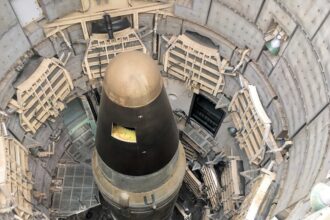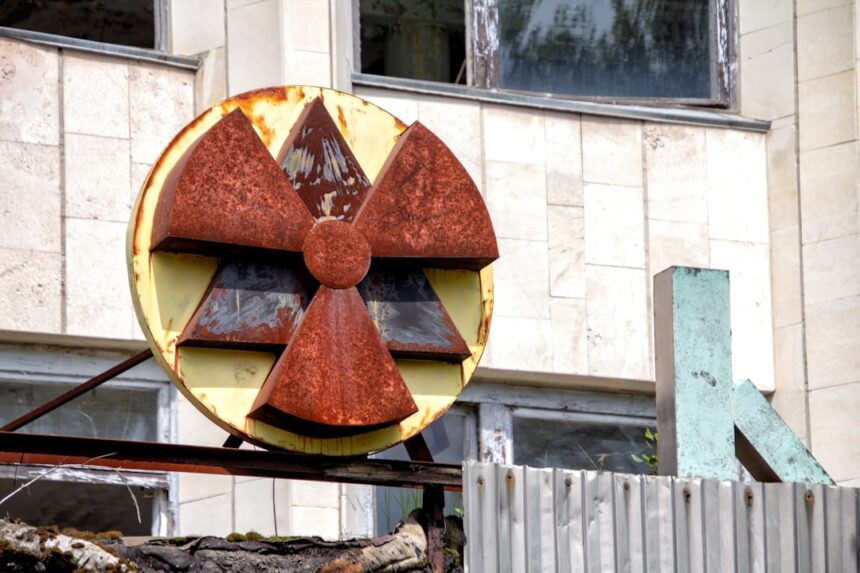
The decapitation nuclear strategy originated during the Cold War era of heightened tensions between the United States and Soviet Union. Both nations accumulated substantial nuclear weapons stockpiles, establishing the Mutually Assured Destruction (MAD) doctrine. MAD operated on the principle that guaranteed mutual annihilation would prevent either nation from initiating nuclear conflict.
Military analysts subsequently explored more selective targeting approaches, developing the decapitation strategy concept. This approach focused on neutralizing enemy leadership and command infrastructure to disable coordinated military response capabilities. The term “decapitation” derives from the literal meaning of removing the head, representing the elimination of an adversary’s command and control functions.
Strategic planners theorized this approach could achieve rapid military objectives while avoiding comprehensive nuclear warfare. The strategy targeted senior political and military leadership to disrupt enemy coordination and potentially prevent escalatory nuclear exchanges. Throughout the Cold War period, military experts extensively analyzed the operational viability and moral implications of decapitation strategies.
Key Takeaways
- Decapitation nuclear strategy has evolved from Cold War origins to influence modern military doctrines.
- It aims to neutralize enemy leadership to disrupt command and control during conflict.
- The strategy significantly affects international relations by increasing tensions and complicating diplomacy.
- Ethical concerns arise due to the potential for massive civilian casualties and destabilization.
- Its future role in global security depends on technological advances, deterrence effectiveness, and arms control efforts.
The Evolution of Decapitation Nuclear Strategy
As the geopolitical landscape shifted in the late 20th century, so too did the evolution of decapitation nuclear strategy. The end of the Cold War brought about new challenges and opportunities for military planners. With the dissolution of the Soviet Union, the focus shifted from a bipolar world to a more multipolar one, where regional conflicts and non-state actors began to play a more prominent role.
In this new context, decapitation strategies began to incorporate advanced technologies such as precision-guided munitions and intelligence-gathering capabilities. The rise of cyber warfare and drone technology further transformed the landscape, allowing for more targeted strikes against leadership figures without necessarily resorting to nuclear weapons.
This evolution reflected a broader trend towards hybrid warfare, where conventional military tactics were combined with unconventional methods to achieve strategic objectives. As nations adapted to these changes, the concept of decapitation became more nuanced, encompassing not only nuclear options but also conventional and cyber capabilities.
The Role of Decapitation Nuclear Strategy in Modern Warfare
In contemporary military doctrine, decapitation nuclear strategy plays a multifaceted role. It is often viewed as a means of achieving strategic surprise and undermining an adversary’s morale. By targeting key leaders and command structures, nations aim to create confusion and disarray within enemy ranks, potentially leading to a swift resolution of conflicts.
This approach is particularly relevant in asymmetric warfare scenarios, where state actors face non-state adversaries that may not have traditional military hierarchies. Moreover, the integration of decapitation strategies into modern warfare reflects an increasing reliance on technology and intelligence. The ability to gather real-time information about enemy movements and decision-making processes has enhanced the effectiveness of targeted strikes.
However, this reliance on technology also raises questions about the potential for miscalculation and unintended consequences. In an era where information can be manipulated or misinterpreted, the risks associated with decapitation strategies become more pronounced.
The Impact of Decapitation Nuclear Strategy on International Relations
The implementation of decapitation nuclear strategies has profound implications for international relations. Nations that adopt such strategies often find themselves in a precarious position, as they must balance the desire for security with the potential for escalation. The threat of decapitation can lead to heightened tensions between states, as adversaries may perceive it as an existential threat.
This perception can result in arms races or preemptive strikes, further destabilizing regional and global security. Additionally, the use of decapitation strategies can complicate diplomatic efforts. When one nation openly discusses or demonstrates its willingness to target another’s leadership, it can undermine trust and cooperation.
This dynamic is particularly evident in regions with longstanding rivalries or unresolved conflicts. As nations grapple with the implications of decapitation strategies, they must navigate a complex web of alliances and enmities that can shape their foreign policy decisions.
The Ethical and Moral Considerations of Decapitation Nuclear Strategy
| Metric | Description | Typical Values / Examples |
|---|---|---|
| Target Type | Primary targets aimed at disabling enemy command and control | Military headquarters, communication centers, leadership bunkers |
| Strike Time | Time from launch to impact on target | 10-30 minutes (ICBM), 1-2 hours (cruise missiles) |
| Number of Warheads | Warheads allocated for decapitation strike | Varies; typically 5-20 warheads per target |
| Success Probability | Estimated chance of successfully neutralizing enemy leadership | 30%-70% depending on intelligence and defense |
| Collateral Damage | Estimated civilian and infrastructure damage outside primary targets | High; often significant due to urban target locations |
| Command & Control Survivability | Likelihood enemy retains command capability after strike | Varies; 20%-50% depending on redundancy and dispersal |
| Delivery Systems | Platforms used to execute decapitation strike | ICBMs, SLBMs, strategic bombers, cruise missiles |
| Warning Time | Time enemy has to respond before strike hits | Minutes to under an hour |
The ethical and moral dimensions of decapitation nuclear strategy are subjects of intense debate among scholars, policymakers, and military leaders. Critics argue that targeting leadership figures raises significant moral questions about the value of human life and the principles of just war theory. The deliberate targeting of individuals, even in wartime, challenges conventional notions of combatants versus non-combatants and blurs the lines between legitimate military objectives and acts of aggression.
Furthermore, the potential for collateral damage complicates ethical considerations surrounding decapitation strategies. Strikes aimed at high-value targets may inadvertently harm civilians or destroy critical infrastructure, leading to humanitarian crises. As nations grapple with these moral dilemmas, they must consider not only the immediate tactical advantages but also the long-term consequences of their actions on global perceptions and international norms.
The Potential Consequences of Decapitation Nuclear Strategy
The consequences of implementing decapitation nuclear strategies can be far-reaching and unpredictable. On one hand, successful decapitation strikes may lead to rapid victories and reduced conflict duration. However, such outcomes are not guaranteed; miscalculations or failures can provoke retaliation from adversaries who feel threatened or humiliated.
This dynamic can escalate conflicts beyond their initial scope, leading to broader confrontations that may involve multiple nations. Moreover, the psychological impact of decapitation strategies cannot be underestimated. The fear of being targeted can lead nations to adopt more aggressive postures or seek to develop their own countermeasures.
This cycle of fear and aggression can perpetuate instability in regions already fraught with tension. As nations weigh the potential benefits against these risks, they must consider how their actions may reverberate through international systems and influence future conflicts.
The Challenges of Implementing Decapitation Nuclear Strategy
Implementing decapitation nuclear strategies presents numerous challenges for military planners and policymakers. One significant hurdle is the difficulty in accurately identifying high-value targets within an adversary’s leadership structure. Intelligence failures can lead to misdirected strikes that not only fail to achieve their objectives but also result in unintended consequences that exacerbate tensions.
Additionally, the technological demands associated with executing decapitation strategies are substantial. Nations must invest in advanced surveillance systems, precision-guided munitions, and cyber capabilities to effectively target leadership figures while minimizing collateral damage. These investments require significant resources and expertise, which may not be readily available to all nations.
As a result, disparities in technological capabilities can create imbalances in power dynamics and influence global security architectures.
The Effectiveness of Decapitation Nuclear Strategy as a Deterrent
The effectiveness of decapitation nuclear strategy as a deterrent remains a contentious issue among military strategists and analysts. Proponents argue that the threat of targeted strikes against leadership figures can dissuade adversaries from aggressive actions or escalation during crises. By creating uncertainty about their survival, nations may be less likely to engage in provocative behavior that could lead to conflict.
However, critics contend that reliance on decapitation strategies may ultimately undermine deterrence by fostering an environment of fear and mistrust. Adversaries may respond by adopting more aggressive postures or seeking to develop their own countermeasures, such as decentralized command structures or enhanced defensive capabilities. This dynamic can lead to an arms race where nations prioritize offensive capabilities over diplomatic solutions, further complicating efforts to maintain global stability.
The Role of Decapitation Nuclear Strategy in Non-Proliferation Efforts
Decapitation nuclear strategy intersects with non-proliferation efforts in complex ways. On one hand, proponents argue that demonstrating a willingness to target leadership figures can deter states from pursuing nuclear weapons programs by highlighting the risks associated with such ambitions. By showcasing their capabilities, nations may discourage adversaries from seeking nuclear arsenals as a means of ensuring their security.
Conversely, critics warn that reliance on decapitation strategies may exacerbate proliferation concerns by prompting states to develop their own nuclear capabilities as a deterrent against perceived threats. This dynamic can create a vicious cycle where nations feel compelled to pursue weapons programs in response to aggressive postures from others. As policymakers navigate these challenges, they must consider how decapitation strategies influence global non-proliferation norms and efforts.
The Future of Decapitation Nuclear Strategy
Looking ahead, the future of decapitation nuclear strategy will likely be shaped by ongoing technological advancements and evolving geopolitical dynamics. As nations continue to invest in artificial intelligence, cyber capabilities, and advanced weaponry, the nature of targeted strikes will evolve accordingly. This transformation may lead to new forms of warfare that blur traditional distinctions between state and non-state actors.
Moreover, as global power dynamics shift towards multipolarity, nations may increasingly adopt decapitation strategies as part of their broader military doctrines. The rise of regional powers and non-state actors will necessitate innovative approaches to deterrence and conflict resolution. As these trends unfold, policymakers will need to carefully assess the implications of decapitation strategies for international stability and security.
The Implications of Decapitation Nuclear Strategy for Global Security
The implications of decapitation nuclear strategy for global security are profound and multifaceted. As nations grapple with the complexities of modern warfare and shifting power dynamics, they must navigate a landscape fraught with uncertainty and risk. The potential for escalation resulting from targeted strikes underscores the need for robust diplomatic frameworks that prioritize dialogue over aggression.
Furthermore, as technological advancements continue to reshape military capabilities, nations must consider how these changes impact their strategic calculations. The interplay between decapitation strategies and emerging technologies will likely define future conflicts and influence global security architectures for years to come. Ultimately, fostering cooperation among nations will be essential in mitigating the risks associated with decapitation nuclear strategies while promoting stability in an increasingly interconnected world.
Decapitation nuclear strategy, which aims to eliminate an adversary’s leadership and command structure to prevent retaliation, has been a topic of intense debate among military strategists. For a deeper understanding of the implications and effectiveness of such strategies, you can read a related article on this subject at In the War Room. This article explores the historical context and potential consequences of decapitation strikes in modern warfare.
WATCH THIS 🎬 DEAD HAND: The Soviet Doomsday Machine That’s Still Listening
FAQs
What is decapitation nuclear strategy?
Decapitation nuclear strategy refers to a military approach aimed at eliminating or severely damaging an opponent’s leadership and command structures early in a nuclear conflict. The goal is to disrupt the enemy’s ability to coordinate and respond effectively to a nuclear attack.
How does decapitation nuclear strategy work?
This strategy typically involves targeting key command and control centers, communication hubs, and leadership facilities with precision nuclear strikes. By incapacitating the enemy’s decision-makers and communication networks, the attacking force hopes to prevent or limit retaliatory strikes.
Why is decapitation nuclear strategy considered risky?
Decapitation strikes can escalate conflicts rapidly, as the targeted nation may perceive an existential threat and respond with full-scale nuclear retaliation. Additionally, the success of such strikes is uncertain due to the potential for hardened or mobile command centers and redundant communication systems.
Which countries have developed decapitation nuclear strategies?
Several nuclear-armed countries, including the United States, Russia, and China, have incorporated elements of decapitation strategy into their nuclear doctrines at various times. The specifics and emphasis vary depending on each country’s military objectives and capabilities.
Is decapitation nuclear strategy legal under international law?
International law does not explicitly prohibit targeting military leadership or command centers during armed conflict. However, the use of nuclear weapons is heavily regulated under various treaties and customary international law, and any nuclear strike must comply with principles of distinction, proportionality, and necessity.
What are the alternatives to decapitation nuclear strategy?
Alternatives include deterrence through assured second-strike capability, where a country maintains the ability to retaliate even after a first strike, and strategies focused on arms control, diplomacy, and conflict prevention to reduce the likelihood of nuclear war.
How does decapitation strategy affect nuclear deterrence?
Decapitation strategy can undermine deterrence by creating incentives for a preemptive strike, as nations may fear losing their command and control capabilities. Conversely, it can also serve as a deterrent by threatening to neutralize an adversary’s leadership swiftly.
What technological advancements impact decapitation nuclear strategy?
Advancements in missile accuracy, intelligence, surveillance, reconnaissance, and cyber warfare enhance the feasibility of decapitation strikes. Conversely, improvements in mobile command centers, hardened bunkers, and secure communication systems reduce vulnerability to such attacks.