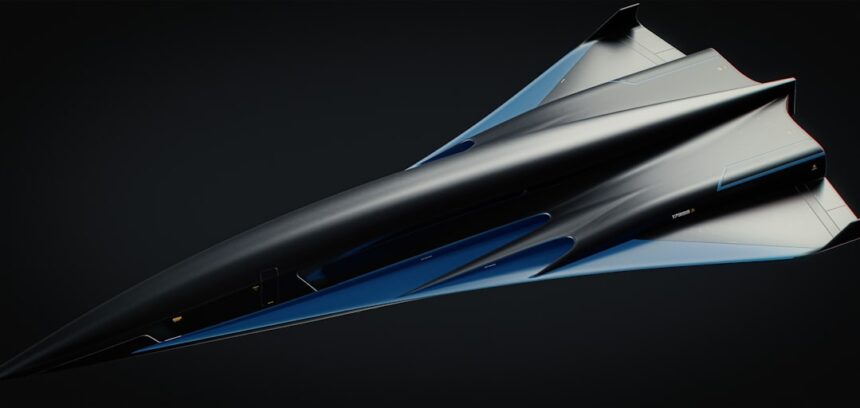
In recent years, the global military landscape has witnessed a significant transformation with the emergence of hypersonic weapons. These advanced armaments, capable of traveling at speeds exceeding Mach 5, have captured the attention of defense analysts, military strategists, and policymakers alike. The rise of hypersonic technology is not merely a trend; it represents a paradigm shift in warfare, fundamentally altering the dynamics of power and deterrence among nations.
Countries such as the United States, Russia, and China have invested heavily in developing these capabilities, leading to an arms race that has implications for global security. The allure of hypersonic weapons lies in their ability to evade traditional missile defense systems, making them a formidable addition to any military arsenal. Unlike conventional ballistic missiles that follow predictable trajectories, hypersonic weapons can maneuver during flight, complicating interception efforts.
This unpredictability enhances their effectiveness and poses a significant challenge to existing defense frameworks. As nations strive to maintain strategic advantages, the proliferation of hypersonic technology raises concerns about an escalating arms race and the potential for miscalculation in international relations.
Key Takeaways
- Hypersonic weapons represent a significant advancement in military technology, capable of traveling at speeds exceeding Mach 5.
- Their speed and maneuverability challenge traditional missile defense systems and alter the dynamics of nuclear deterrence.
- While offering strategic advantages, hypersonic weapons also pose risks such as escalation of conflicts and difficulties in detection.
- Multiple nations are engaged in a competitive race to develop and deploy hypersonic capabilities, impacting global security balances.
- Ethical concerns arise regarding the deployment and potential use of hypersonic weapons, emphasizing the need for international regulation.
Understanding the Technology Behind Hypersonic Weapons
At the core of hypersonic weaponry is a combination of advanced propulsion systems and cutting-edge materials designed to withstand extreme temperatures and pressures. Two primary types of hypersonic weapons exist: hypersonic glide vehicles (HGVs) and hypersonic cruise missiles (HCMs). HGVs are launched into the upper atmosphere by a rocket before gliding back to Earth at hypersonic speeds, while HCMs utilize air-breathing engines to sustain their velocity throughout flight.
This technological distinction plays a crucial role in determining their operational capabilities and deployment strategies. The development of hypersonic weapons also hinges on sophisticated guidance systems that enhance accuracy and target acquisition. These systems leverage artificial intelligence and advanced sensors to navigate complex environments and adjust trajectories in real-time.
As a result, hypersonic weapons can strike targets with unprecedented precision, making them attractive options for military planners seeking to minimize collateral damage while maximizing operational effectiveness.
The Impact of Hypersonic Weapons on Nuclear Deterrence
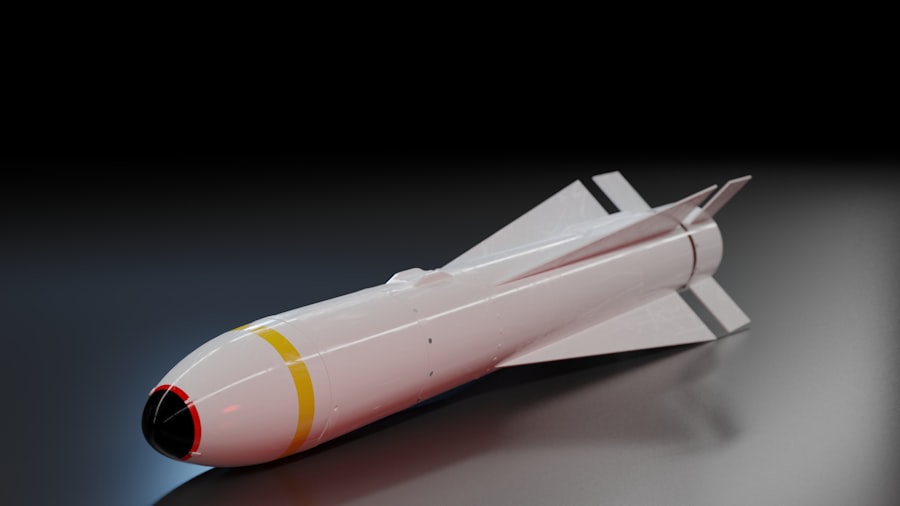
The advent of hypersonic weapons has profound implications for nuclear deterrence strategies worldwide. Traditionally, nuclear deterrence relied on the principle of mutually assured destruction (MAD), where the threat of catastrophic retaliation prevented nuclear conflict. However, the introduction of hypersonic capabilities complicates this equation by introducing new variables that could undermine established deterrence frameworks.
The speed and maneuverability of hypersonic weapons may create uncertainties regarding an adversary’s intentions, potentially leading to preemptive strikes or miscalculations. Moreover, hypersonic weapons can serve as a means of circumventing traditional nuclear deterrents. For instance, if a nation possesses advanced hypersonic capabilities, it may feel emboldened to engage in aggressive posturing or military actions without fear of immediate retaliation.
This shift could destabilize existing power balances and prompt other nations to accelerate their own hypersonic programs in response. As a result, the strategic calculus surrounding nuclear deterrence is evolving, necessitating a reevaluation of existing doctrines and policies.
Advantages and Disadvantages of Hypersonic Weapons
Hypersonic weapons offer several advantages that make them appealing to military strategists. Their unparalleled speed allows for rapid response times, enabling forces to strike high-value targets before adversaries can react effectively. Additionally, their ability to maneuver during flight enhances their survivability against interception systems, making them difficult to detect and counter.
This capability can provide a significant edge in conflict scenarios where time is of the essence and precision is paramount. However, the development and deployment of hypersonic weapons are not without drawbacks. The high costs associated with research, development, and production pose significant financial burdens on nations pursuing these technologies.
Furthermore, the introduction of hypersonic capabilities may lead to an escalation in arms races, diverting resources away from other critical areas such as diplomacy and conflict resolution. Additionally, the potential for miscommunication or misinterpretation during crises could increase the risk of unintended escalation, raising ethical concerns about the responsible use of such powerful weaponry.
The Race for Hypersonic Weapon Development
| Metric | Description | Value / Status | Impact on Nuclear Deterrence |
|---|---|---|---|
| Speed | Velocity of hypersonic weapons | Mach 5 to Mach 20+ | Reduces reaction time for adversaries, complicating missile defense |
| Range | Operational distance of hypersonic weapons | 1,000 to 5,000+ km | Enables long-range strike capability, enhancing second-strike potential |
| Detection Time | Time to detect and track hypersonic weapons | Minutes (significantly less than traditional missiles) | Challenges early warning systems, increasing risk of miscalculation |
| Payload | Type of warhead carried | Nuclear or Conventional | Flexibility in deterrence and strategic options |
| Deployment Status | Current operational status by major powers | Developed/Testing: USA, Russia, China | Alters strategic balance and arms race dynamics |
| Defense Systems | Effectiveness of current missile defense against hypersonics | Limited to none | Increases vulnerability, potentially destabilizing deterrence |
| Strategic Stability | Impact on global nuclear deterrence frameworks | Potentially destabilizing | May prompt new arms control measures or escalation risks |
The race for hypersonic weapon development has intensified as nations seek to secure strategic advantages over their rivals. The United States has made substantial investments in research and development programs aimed at advancing its hypersonic capabilities. Initiatives such as the Army’s Long Range Hypersonic Weapon (LRHW) and the Navy’s Conventional Prompt Strike (CPS) program reflect a concerted effort to maintain technological superiority in this emerging domain.
Meanwhile, Russia and China have also made significant strides in hypersonic technology, with both countries conducting successful tests of their respective systems. Russia’s Avangard system and China’s DF-ZF glide vehicle exemplify the advancements made by these nations in developing operational hypersonic capabilities. As each country races to outpace the others, concerns about transparency and arms control have emerged, highlighting the need for international dialogue to mitigate risks associated with this rapidly evolving technology.
The Role of Hypersonic Weapons in Modern Warfare
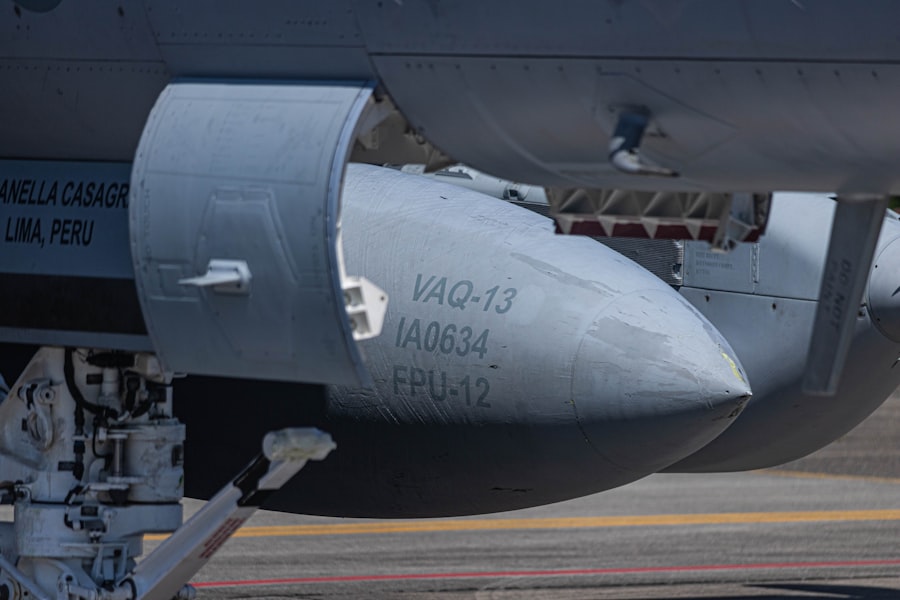
In modern warfare, hypersonic weapons are poised to play a transformative role on the battlefield. Their speed and precision make them ideal for targeting critical infrastructure, command centers, and high-value assets with minimal warning. This capability aligns with contemporary military strategies that emphasize rapid engagement and decisive action.
As conflicts become increasingly complex and multi-dimensional, hypersonic weapons offer a means to achieve strategic objectives swiftly. Moreover, the integration of hypersonic weapons into existing military frameworks could reshape operational doctrines. Commanders may need to adapt their strategies to account for the unique characteristics of these weapons, including their potential for surprise attacks and their ability to penetrate advanced defense systems.
As militaries around the world explore ways to incorporate hypersonic capabilities into their arsenals, the implications for joint operations and coalition warfare will be significant.
The Global Implications of Hypersonic Weapons
The proliferation of hypersonic weapons carries far-reaching global implications that extend beyond national borders. As countries invest in these technologies, regional power dynamics may shift, leading to increased tensions and potential conflicts. Nations that perceive themselves as vulnerable to hypersonic threats may seek to bolster their own defenses or pursue countermeasures, further fueling an arms race that could destabilize entire regions.
Additionally, the global nature of technological advancements means that non-state actors may also gain access to hypersonic capabilities over time. This prospect raises concerns about proliferation and the potential for rogue entities to wield such powerful weaponry. The international community must grapple with these challenges while considering how best to regulate and manage the development of hypersonic technologies to ensure global security.
Challenges and Risks Associated with Hypersonic Weapons
Despite their potential advantages, hypersonic weapons present numerous challenges and risks that must be addressed. One significant concern is the technological complexity involved in developing reliable systems capable of operating at extreme speeds. Engineering challenges related to materials science, propulsion systems, and guidance technologies require substantial investment and expertise.
Moreover, the potential for miscalculation during crises poses a serious risk associated with hypersonic weapons. The speed at which these weapons can strike may leave little time for decision-makers to assess situations accurately or communicate effectively with allies. This urgency could lead to hasty decisions based on incomplete information, increasing the likelihood of unintended escalation or conflict.
The Strategic Use of Hypersonic Weapons in Nuclear Deterrence
In the context of nuclear deterrence, hypersonic weapons may serve as both a complement and a challenge to traditional nuclear arsenals. Their ability to strike quickly and accurately could enhance deterrent capabilities by providing states with more flexible response options in crisis situations. For instance, a nation equipped with hypersonic weapons might feel more confident in its ability to deter aggression without resorting to nuclear escalation.
However, this strategic use also raises concerns about destabilization. The introduction of hypersonic capabilities could lead adversaries to question the credibility of existing deterrent postures, prompting them to reconsider their own nuclear strategies. As states navigate this complex landscape, they must carefully weigh the benefits of incorporating hypersonic technology into their deterrent frameworks against the potential risks associated with increased uncertainty and escalation.
The Future of Hypersonic Weapons Development
Looking ahead, the future of hypersonic weapons development is likely to be characterized by continued innovation and competition among nations. As technological advancements progress, new applications for hypersonic capabilities may emerge beyond traditional military uses. For instance, potential civilian applications in aerospace travel or space exploration could reshape industries while raising ethical questions about dual-use technologies.
Furthermore, international cooperation may play a crucial role in shaping the trajectory of hypersonic weapon development. Collaborative efforts focused on establishing norms and regulations governing these technologies could help mitigate risks associated with proliferation and escalation. As nations grapple with the implications of hypersonic advancements, fostering dialogue will be essential for ensuring stability in an increasingly complex security environment.
Ethical and Moral Considerations Surrounding Hypersonic Weapons
The ethical implications surrounding hypersonic weapons are profound and multifaceted. As nations develop these advanced technologies, questions arise regarding their responsible use in warfare and conflict resolution. The potential for rapid strikes raises moral dilemmas about civilian casualties and collateral damage, challenging traditional justifications for military action.
Moreover, the prospect of an arms race fueled by hypersonic capabilities raises ethical concerns about prioritizing military advancements over diplomatic solutions. As countries invest heavily in developing these technologies, there is a risk that resources could be diverted from addressing pressing global issues such as poverty alleviation or climate change mitigation. Ultimately, navigating the ethical landscape surrounding hypersonic weapons will require careful consideration of both strategic imperatives and humanitarian values as nations seek to balance security needs with moral responsibilities on the global stage.
Hypersonic weapons have emerged as a significant factor in the landscape of nuclear deterrence, raising questions about their impact on global security dynamics. For a deeper understanding of this topic, you can explore the article on hypersonic technology and its implications for military strategy in the context of nuclear deterrence at this link. This article provides insights into how these advanced weapons systems could alter the balance of power and the strategies nations employ to maintain deterrence.
WATCH THIS 🎬 DEAD HAND: The Soviet Doomsday Machine That’s Still Listening
FAQs
What are hypersonic weapons?
Hypersonic weapons are advanced military systems capable of traveling at speeds greater than Mach 5 (five times the speed of sound). They include hypersonic glide vehicles and hypersonic cruise missiles, which can maneuver at high speeds, making them difficult to detect and intercept.
How do hypersonic weapons differ from traditional ballistic missiles?
Unlike traditional ballistic missiles that follow a predictable parabolic trajectory, hypersonic weapons can maneuver during flight at extremely high speeds. This maneuverability allows them to evade missile defense systems and strike targets with greater precision.
What role do hypersonic weapons play in nuclear deterrence?
Hypersonic weapons enhance nuclear deterrence by providing a rapid, hard-to-intercept delivery method for nuclear warheads. Their speed and maneuverability complicate an adversary’s ability to defend against a nuclear strike, potentially strengthening a country’s second-strike capability.
Are hypersonic weapons capable of carrying nuclear warheads?
Yes, hypersonic weapons can be designed to carry nuclear warheads, making them a strategic component of nuclear arsenals. Their ability to deliver nuclear payloads quickly and unpredictably raises concerns about strategic stability.
What are the strategic implications of hypersonic weapons on global security?
Hypersonic weapons may destabilize global security by shortening decision times during a crisis and increasing the risk of miscalculation. Their deployment can trigger arms races and complicate existing arms control agreements.
Which countries currently possess or are developing hypersonic weapons?
Several countries, including the United States, Russia, China, and India, are actively developing or have deployed hypersonic weapons as part of their military modernization efforts.
Can current missile defense systems intercept hypersonic weapons?
Most existing missile defense systems are not fully capable of detecting, tracking, or intercepting hypersonic weapons due to their high speed and maneuverability. This limitation is driving research into new defense technologies.
How do hypersonic weapons impact nuclear deterrence stability?
Hypersonic weapons can both enhance and undermine nuclear deterrence stability. While they improve the credibility of a second-strike capability, their speed and stealth may increase the risk of accidental or preemptive nuclear conflict.
Are there international efforts to regulate hypersonic weapons?
Currently, there are no specific international treaties regulating hypersonic weapons. However, discussions about arms control and nonproliferation are ongoing within various international forums to address the challenges posed by these weapons.
What technological challenges exist in developing hypersonic weapons?
Developing hypersonic weapons involves overcoming challenges related to materials that can withstand extreme heat, guidance and control at high speeds, propulsion systems, and reliable communication during flight.