
The Two Person Rule is a critical safety protocol designed to enhance security and prevent unauthorized access to sensitive materials, particularly in the realm of nuclear weapons. This rule mandates that at least two authorized individuals must be present when handling or accessing nuclear weapons or their components. The rationale behind this protocol is rooted in the understanding that human error and malicious intent can lead to catastrophic consequences.
By requiring the presence of two individuals, the likelihood of accidents or unauthorized actions is significantly reduced, thereby bolstering the overall safety and security of nuclear arsenals. In an era where the threat of nuclear proliferation and terrorism looms large, the Two Person Rule serves as a fundamental safeguard. It not only acts as a deterrent against potential misuse but also fosters a culture of accountability among personnel involved in nuclear operations.
The implementation of this rule is not merely a bureaucratic formality; it is a vital component of a comprehensive security strategy aimed at protecting national and global interests. As the world grapples with the complexities of nuclear security, understanding the origins, applications, and implications of the Two Person Rule becomes increasingly important.
Key Takeaways
- The Two Person Rule is a critical security protocol requiring two authorized individuals to be present during nuclear weapons handling to prevent accidents and unauthorized use.
- Historically, the rule was established to enhance safety and control in nuclear weapons management following early Cold War incidents.
- Implementation involves strict procedures, training, and certification to ensure personnel comply with the rule in nuclear facilities.
- Despite its importance, the rule faces challenges such as human error, potential collusion, and evolving technological threats.
- Advances in technology and international regulations continue to support and shape the future effectiveness of the Two Person Rule in nuclear security.
History of the Two Person Rule in Nuclear Weapons
The origins of the Two Person Rule can be traced back to the early days of nuclear weapons development during the mid-20th century. As nations began to recognize the destructive potential of atomic bombs, the need for stringent safety measures became apparent. The United States, in particular, established protocols to ensure that access to nuclear weapons was tightly controlled.
The Two Person Rule emerged as a response to both historical incidents and the inherent risks associated with handling such dangerous materials. Throughout the Cold War, as tensions escalated between superpowers, the importance of maintaining strict security protocols became even more pronounced. Incidents involving unauthorized access or mishandling of nuclear materials underscored the necessity for measures like the Two Person Rule.
Over time, this protocol evolved into a standard practice not only in the United States but also among other nuclear-capable nations. The rule has been adapted and refined to address emerging threats and technological advancements, ensuring that it remains relevant in an ever-changing security landscape.
Implementation of the Two Person Rule in Nuclear Weapons Facilities
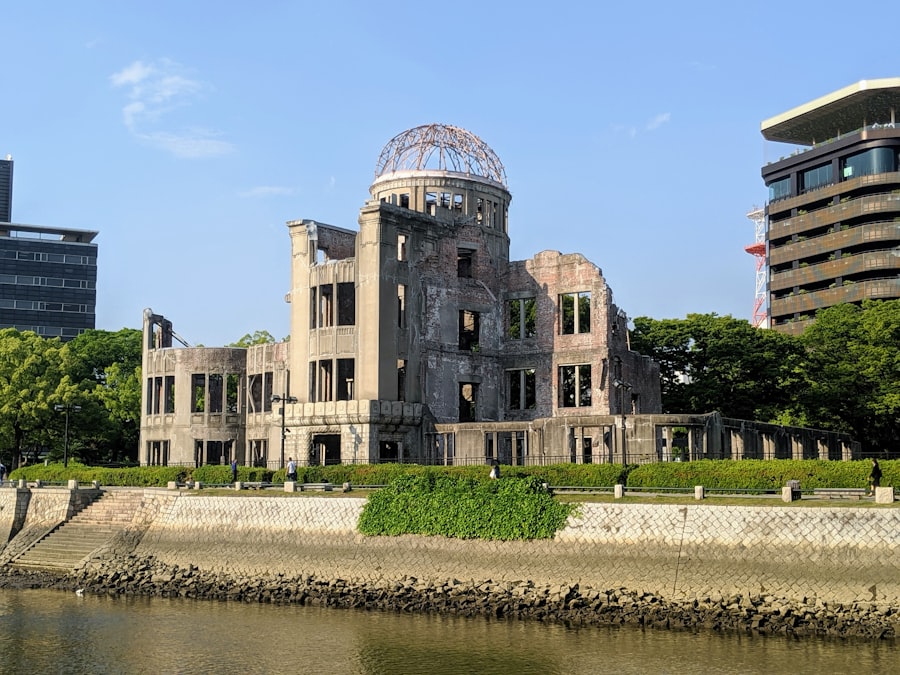
The implementation of the Two Person Rule within nuclear weapons facilities involves a series of structured protocols designed to ensure compliance and effectiveness. Facilities housing nuclear weapons are equipped with stringent access controls, surveillance systems, and physical barriers to prevent unauthorized entry. Personnel are required to undergo thorough background checks and security clearances before being granted access to sensitive areas.
Once inside, the presence of two authorized individuals is mandatory during any operation involving nuclear weapons or their components. In practice, this means that tasks such as maintenance, inspections, or transportation of nuclear materials cannot be performed by a single individual. This requirement not only enhances security but also promotes teamwork and communication among personnel.
By working in pairs, individuals can double-check each other’s actions, reducing the risk of mistakes that could lead to dangerous situations. The implementation of the Two Person Rule is thus a multifaceted approach that combines human oversight with technological safeguards to create a robust security environment.
Importance of the Two Person Rule in Preventing Accidents and Unauthorized Use
The significance of the Two Person Rule extends beyond mere compliance; it plays a crucial role in preventing both accidents and unauthorized use of nuclear weapons. Human error is an inevitable aspect of any operation, particularly in high-stakes environments like those involving nuclear materials. By requiring two individuals to be present, the likelihood of mistakes is diminished.
For instance, if one person overlooks a critical safety procedure, the other can intervene and ensure that proper protocols are followed. Moreover, the Two Person Rule acts as a deterrent against potential malicious actions. The presence of an additional authorized individual serves as a check against any attempts to misuse nuclear materials for personal gain or ideological motives.
This dual oversight creates an environment where accountability is paramount, and individuals are less likely to engage in reckless behavior when they know they are being observed by a peer. In this way, the Two Person Rule not only enhances safety but also reinforces ethical standards within nuclear operations.
Training and Certification for Personnel Involved in the Two Person Rule
| Aspect | Description | Purpose | Example |
|---|---|---|---|
| Definition | A security protocol requiring two authorized personnel to simultaneously agree and act to launch or access nuclear weapons. | Prevent unauthorized or accidental launch of nuclear weapons. | Two officers must turn keys simultaneously to launch a missile. |
| Personnel Involved | Typically two officers with launch authority and clearance. | Ensure checks and balances in decision-making. | Missile combat crew members in US Air Force. |
| Implementation | Physical presence and simultaneous action required, such as turning keys or entering codes. | Reduce risk of single-person error or malicious act. | US Minuteman III ICBM launch control centers. |
| Security Benefits | Prevents unauthorized launch, accidental launch, and insider threats. | Enhance nuclear command and control safety. | Used by US, Russia, and other nuclear states. |
| Limitations | Does not prevent launch if both persons agree; potential vulnerability if both are compromised. | Highlight need for additional safeguards and oversight. | Concerns about insider collusion. |
To ensure the effectiveness of the Two Person Rule, comprehensive training and certification programs are essential for personnel involved in nuclear operations. These programs are designed to equip individuals with the knowledge and skills necessary to navigate complex security protocols while fostering a culture of safety and responsibility. Training typically covers a range of topics, including emergency response procedures, risk assessment, and ethical considerations related to handling nuclear materials.
Certification processes often involve rigorous assessments to verify that personnel understand and can effectively implement the Two Person Rule. This may include practical exercises where individuals must demonstrate their ability to work collaboratively under simulated conditions that mimic real-life scenarios. By investing in thorough training and certification, organizations can ensure that their personnel are not only compliant with safety protocols but also prepared to respond effectively in high-pressure situations.
Challenges and Controversies Surrounding the Two Person Rule
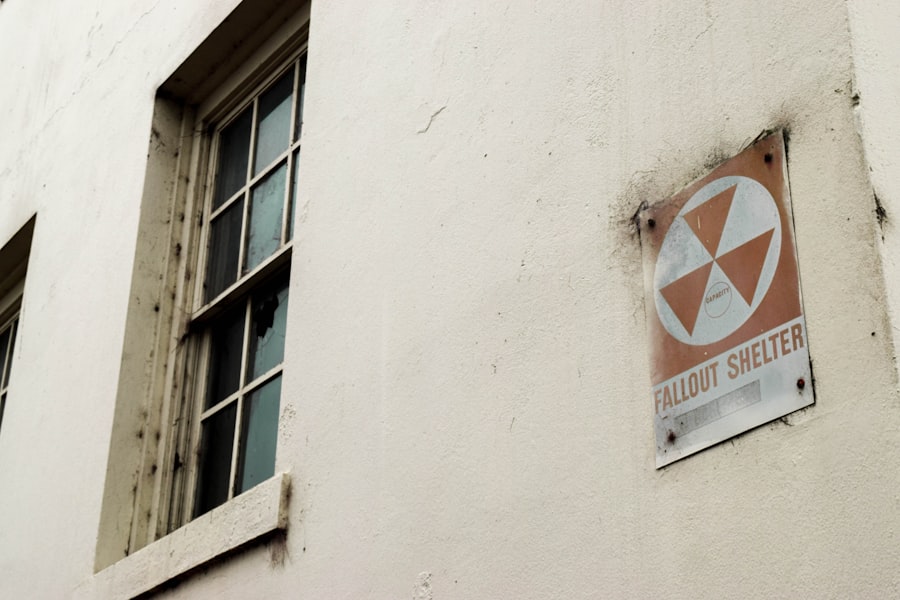
Despite its importance, the Two Person Rule is not without its challenges and controversies. One significant issue is the potential for operational inefficiencies that may arise from strict adherence to this protocol. In some cases, requiring two individuals for every task can lead to delays in critical operations or hinder timely responses during emergencies.
Critics argue that while safety is paramount, there must also be a balance between security measures and operational effectiveness. Additionally, there are concerns regarding the potential for complacency among personnel who may become overly reliant on the presence of a second individual. If individuals begin to assume that their partner will catch any mistakes or ensure compliance with protocols, it could lead to lapses in attention or diligence.
This phenomenon underscores the need for continuous training and reinforcement of personal responsibility within teams operating under the Two Person Rule.
Case Studies of Incidents Prevented by the Two Person Rule
Numerous incidents have highlighted the effectiveness of the Two Person Rule in preventing accidents and unauthorized actions within nuclear facilities.
S. military base where personnel were tasked with conducting routine maintenance on a nuclear weapon system.
Due to adherence to the Two Person Rule, an unauthorized access attempt was thwarted when one technician noticed suspicious behavior from an individual attempting to gain entry into a restricted area. The presence of another authorized individual allowed for immediate reporting and intervention, averting what could have been a serious security breach. Another example involved a near-miss incident during a routine inspection at a nuclear storage facility.
A technician inadvertently bypassed a critical safety procedure while handling sensitive materials. However, their partner recognized the deviation from protocol and intervened before any harm could occur. This incident underscored not only the importance of teamwork but also how effective communication between personnel can serve as an additional layer of protection against potential accidents.
International Standards and Regulations for the Two Person Rule
The Two Person Rule is not solely a national initiative; it has garnered international attention as part of broader efforts to enhance nuclear security worldwide. Various international organizations, including the International Atomic Energy Agency (IAEA), have established guidelines advocating for similar safety protocols across member states. These standards emphasize the importance of maintaining strict access controls and ensuring that personnel involved in nuclear operations adhere to established safety measures.
Countries with nuclear capabilities are encouraged to adopt best practices related to the Two Person Rule as part of their national security frameworks. By aligning with international standards, nations can foster greater cooperation and information sharing regarding nuclear safety practices. This collaborative approach not only strengthens individual countries’ security measures but also contributes to global efforts aimed at preventing nuclear proliferation and ensuring responsible stewardship of nuclear materials.
Advancements in Technology to Support the Two Person Rule
As technology continues to evolve, so too do the tools available to support the implementation of the Two Person Rule in nuclear facilities. Advanced surveillance systems equipped with artificial intelligence can monitor activities within sensitive areas, providing real-time alerts if any anomalies are detected. These systems enhance situational awareness for personnel on-site while also serving as an additional layer of security against unauthorized access.
Moreover, biometric authentication technologies have emerged as valuable assets in ensuring that only authorized individuals can access restricted areas. By integrating biometric systems with existing protocols, facilities can streamline access control while maintaining compliance with the Two Person Rule. These technological advancements not only improve operational efficiency but also reinforce safety measures by ensuring that personnel are properly identified before entering sensitive environments.
Future of the Two Person Rule in Nuclear Weapons Security
Looking ahead, the future of the Two Person Rule in nuclear weapons security will likely be shaped by ongoing developments in both technology and global security dynamics. As nations continue to grapple with evolving threats—ranging from cyberattacks to terrorism—the need for robust safety protocols will remain paramount. The Two Person Rule will likely adapt to incorporate new technologies while maintaining its core principles of accountability and oversight.
Furthermore, as international cooperation on nuclear security strengthens, there may be opportunities for harmonizing standards related to the Two Person Rule across different countries. This could lead to more consistent practices globally, enhancing overall security measures while fostering trust among nations regarding their commitment to responsible nuclear stewardship.
The Continued Role of the Two Person Rule in Ensuring Safety in Nuclear Weapons
In conclusion, the Two Person Rule stands as a cornerstone of safety and security within nuclear weapons operations. Its historical significance, practical implementation, and ongoing relevance underscore its vital role in preventing accidents and unauthorized use of nuclear materials. As challenges persist and new technologies emerge, this protocol will continue to evolve while remaining steadfast in its commitment to safeguarding national and global interests.
The importance of training and certification for personnel involved in implementing this rule cannot be overstated; it ensures that individuals are equipped with the knowledge necessary to uphold safety standards effectively.
Ultimately, this rule embodies a collective commitment to ensuring that humanity’s most dangerous technologies are handled with care and responsibility.
The two-person rule is a critical safety measure in the management of nuclear weapons, ensuring that no single individual can unilaterally launch a nuclear strike. This principle is designed to prevent accidental or unauthorized use of nuclear arms, emphasizing the importance of checks and balances in military protocols. For a deeper understanding of the implications and discussions surrounding this rule, you can read more in the article available at In the War Room.
WATCH THIS 🎬 DEAD HAND: The Soviet Doomsday Machine That’s Still Listening
FAQs
What is the two-person rule in the context of nuclear weapons?
The two-person rule is a security protocol that requires the presence and agreement of two authorized individuals before certain actions involving nuclear weapons can be carried out. This rule is designed to prevent unauthorized or accidental use of nuclear weapons.
Why is the two-person rule important for nuclear weapons security?
The two-person rule helps ensure that no single individual can launch or access nuclear weapons independently. It reduces the risk of accidental launches, unauthorized use, or sabotage by requiring consensus and mutual verification between two authorized personnel.
How is the two-person rule implemented in nuclear weapon systems?
Implementation varies by country and system but generally involves two authorized officers who must simultaneously perform specific actions, such as entering codes or turning keys, to enable the launch or handling of nuclear weapons. Both individuals must be present and agree to proceed.
Does the two-person rule guarantee complete safety against nuclear accidents?
While the two-person rule significantly reduces the risk of accidental or unauthorized use, it is one part of a broader set of safety and security measures. Other protocols, technical safeguards, and command-and-control systems also contribute to nuclear weapons safety.
Is the two-person rule used by all countries with nuclear weapons?
Most nuclear-armed countries employ some form of the two-person rule or similar dual-control procedures to enhance security. However, the specific details and enforcement mechanisms can vary depending on national policies and military practices.
Can the two-person rule be bypassed or overridden?
In general, the two-person rule is designed to be strict and difficult to bypass. However, in extreme situations, such as during wartime or under direct orders from the highest authorities, protocols may allow for exceptions, though these are tightly controlled and rare.
What roles do the two individuals involved in the two-person rule typically have?
The two individuals are usually highly trained and trusted officers with specific authorization levels. Their roles often include verifying each other’s identity, confirming launch orders, and performing coordinated actions to ensure compliance with security protocols.
How does the two-person rule relate to nuclear command and control?
The two-person rule is a critical component of nuclear command and control systems, ensuring that decisions to use nuclear weapons are deliberate, verified, and authorized by multiple individuals, thereby maintaining strict control over these powerful weapons.