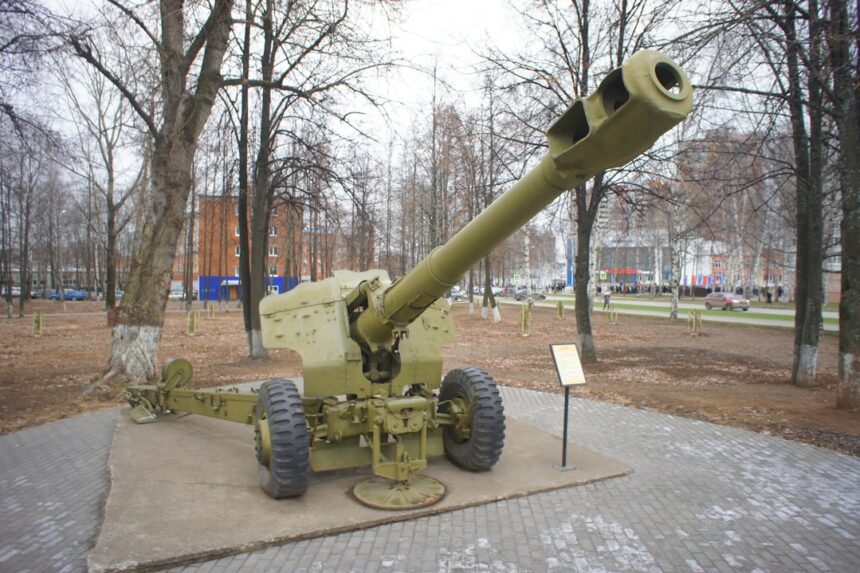
The Cold War era, spanning from the end of World War II in 1945 to the dissolution of the Soviet Union in 1991, was characterized by ideological and geopolitical competition between the United States and the Soviet Union. This period featured an extensive arms race, with both superpowers developing advanced military capabilities. The Soviet Union allocated substantial resources to military technology, creating sophisticated weaponry and defense systems that became central to its strategic doctrine.
Military innovation served both defensive purposes and as a means of projecting Soviet influence internationally. Soviet military technology encompassed nuclear weapons, conventional forces, strategic bombers, intercontinental ballistic missiles (ICBMs), tanks, and armored vehicles. The Soviet military-industrial complex constituted a significant portion of the national economy, driving technological research and development.
This military focus influenced both domestic economic priorities and international relations throughout the Cold War period, establishing technological capabilities that shaped global military dynamics until the Soviet Union’s dissolution in 1991.
Key Takeaways
- Soviet military technology played a crucial role in shaping Cold War dynamics and the global arms race.
- Declassified information has revealed extensive details about Soviet tanks, aircraft, missiles, naval power, and nuclear weapons.
- Espionage and intelligence efforts by the West were key to uncovering Soviet military secrets during the Cold War.
- The legacy of Soviet military innovations continues to influence modern warfare and defense strategies worldwide.
- Museums and exhibits showcasing declassified Soviet technology provide valuable insights into historical and future global security implications.
Declassified: The Unveiling of Soviet Military Secrets
As the Cold War progressed, many aspects of Soviet military technology remained shrouded in secrecy. However, with the collapse of the Soviet Union in 1991, a wealth of information became available to researchers and historians. Declassified documents revealed the extent of Soviet military capabilities and strategies, providing insights into how the USSR approached warfare and defense.
These revelations not only illuminated the technological advancements made by the Soviets but also highlighted the ideological underpinnings that guided their military doctrine. The declassification of Soviet military secrets has allowed scholars to analyze the effectiveness of various technologies and strategies employed during the Cold War. For instance, studies have shown that while the Soviets excelled in certain areas, such as tank production and missile technology, they faced significant challenges in others, particularly in terms of logistics and supply chain management.
This nuanced understanding has reshaped historical narratives about the Cold War, emphasizing that technological prowess alone does not guarantee military success.
The Arms Race: How Soviet Military Technology Shaped the Cold War
The arms race between the United States and the Soviet Union was a defining feature of the Cold War, with each side striving to achieve technological superiority. Soviet military technology played a crucial role in this competition, as advancements in weaponry and defense systems were often seen as indicators of national strength.
Soviet innovations in military technology also influenced global alliances and conflicts. Countries aligned with the USSR often received advanced weaponry and training, which allowed them to challenge Western powers in various regions. This proliferation of Soviet military technology contributed to proxy wars in places like Vietnam and Afghanistan, where local forces were equipped with sophisticated arms that altered the dynamics of conflict.
The arms race thus not only shaped military strategies but also had far-reaching implications for international relations during this tumultuous period.
Tanks and Armored Vehicles: The Power of Soviet Land Forces
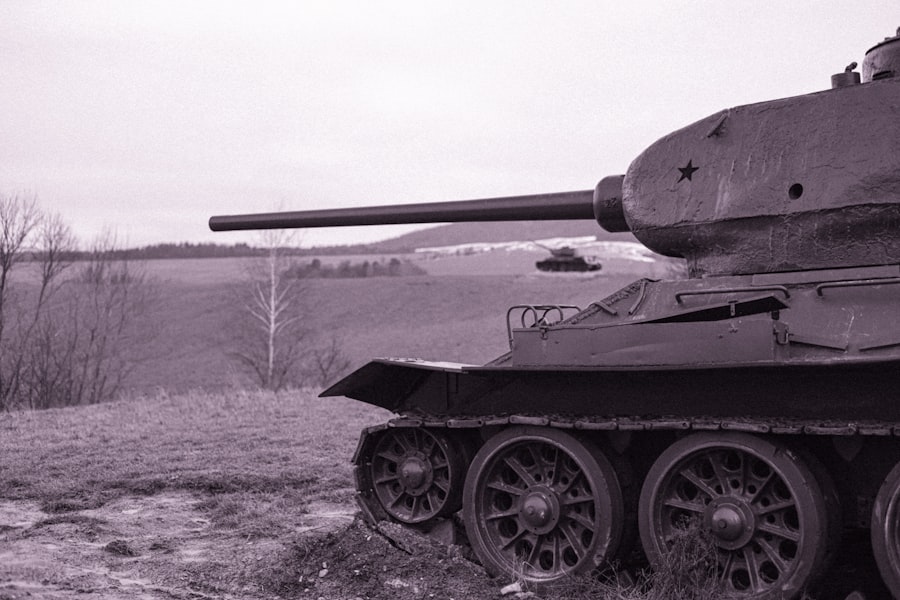
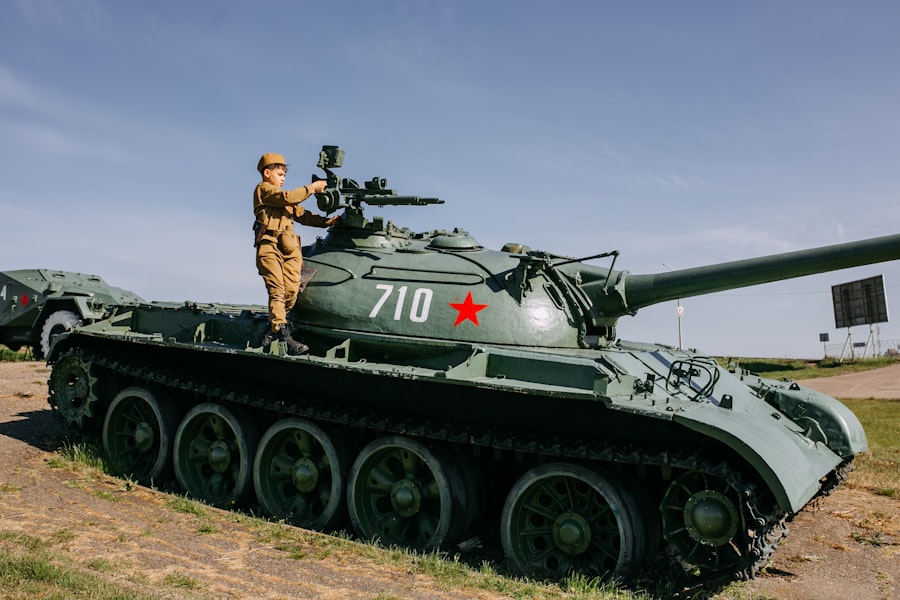
One of the most iconic symbols of Soviet military might during the Cold War was its fleet of tanks and armored vehicles. The T-34 tank, which had proven its effectiveness during World War II, was further developed into a series of models that became staples of Soviet ground forces. These tanks were designed for mass production and ease of use, allowing for rapid deployment in various combat scenarios.
The emphasis on mobility and firepower made Soviet armored divisions formidable opponents on the battlefield. The design philosophy behind Soviet tanks emphasized not only offensive capabilities but also resilience against enemy fire. Innovations such as sloped armor and powerful cannons allowed these vehicles to engage effectively with Western counterparts.
Additionally, the integration of armored personnel carriers and infantry fighting vehicles into ground operations showcased a comprehensive approach to mechanized warfare. This focus on combined arms tactics enabled Soviet forces to execute complex maneuvers that could overwhelm adversaries through sheer numbers and coordinated assaults.
Aircraft and Missiles: The Soviet Union’s Dominance in the Skies
| Technology | Type | Declassification Year | Key Features | Impact on Military Strategy |
|---|---|---|---|---|
| MiG-25 Foxbat | Interceptor/Fighter Jet | 1990 | High-speed (Mach 3+), high-altitude reconnaissance and interception | Revealed Soviet capabilities in high-speed aerial reconnaissance and air defense |
| SS-18 Satan | Intercontinental Ballistic Missile (ICBM) | 1992 | Multiple independently targetable reentry vehicles (MIRVs), heavy payload | Showcased Soviet nuclear deterrence and strategic strike capabilities |
| T-72 Main Battle Tank | Armored Vehicle | 1991 | Composite armor, autoloader, 125mm smoothbore gun | Highlighted Soviet advances in armored warfare and tank design |
| Ka-50 Black Shark | Attack Helicopter | 1995 | Single-seat, coaxial rotors, advanced targeting systems | Demonstrated innovation in helicopter design and attack capabilities |
| R-36M (SS-18 Mod) | ICBM | 1993 | Heavy payload, MIRVs, long range | Enhanced Soviet strategic nuclear force effectiveness |
In addition to its ground forces, the Soviet Union made significant strides in aviation technology during the Cold War. The development of advanced fighter jets like the MiG-15 and MiG-21 showcased Soviet engineering prowess and contributed to air superiority in various conflicts. These aircraft were designed for high performance and agility, allowing them to compete effectively against Western fighters.
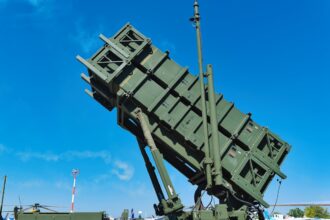
The emphasis on speed and maneuverability became hallmarks of Soviet air combat doctrine. Missile technology also played a pivotal role in establishing Soviet dominance in the skies. The introduction of surface-to-air missiles (SAMs) transformed air defense strategies, making it increasingly difficult for enemy aircraft to operate freely over contested territories.
The deployment of these systems not only protected key installations but also served as a deterrent against potential airstrikes. As a result, air power became a critical component of Soviet military strategy, influencing both offensive operations and defensive postures throughout the Cold War.
Naval Power: The Soviet Union’s Maritime Military Technology
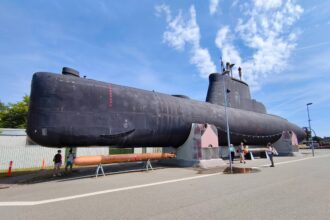
The Cold War era saw significant advancements in naval technology as well, with the Soviet Union striving to expand its maritime capabilities. The development of nuclear-powered submarines marked a revolutionary shift in naval warfare, allowing for extended underwater operations without the need for frequent refueling. These submarines were equipped with ballistic missiles, enabling them to serve as a second-strike capability in the event of a nuclear conflict.
Soviet naval strategy also emphasized the importance of surface vessels, including cruisers and destroyers designed for anti-aircraft and anti-submarine warfare. The construction of aircraft carriers further demonstrated the USSR’s commitment to projecting power across oceans. This focus on naval capabilities allowed the Soviet Union to challenge U.S.
naval dominance during key confrontations, such as the Cuban Missile Crisis, where naval assets played a crucial role in strategic positioning.
Nuclear Weapons: The Soviet Union’s Role in the Arms Race
Nuclear weapons were perhaps the most significant aspect of Soviet military technology during the Cold War. The successful detonation of an atomic bomb by the USSR in 1949 marked the beginning of a new era in warfare, fundamentally altering global security dynamics. The subsequent development of thermonuclear weapons further escalated tensions between superpowers, as both sides raced to build larger arsenals capable of delivering devastating strikes.
The doctrine of mutually assured destruction (MAD) emerged as a central tenet of nuclear strategy during this period. The presence of nuclear weapons on both sides created a precarious balance; any miscalculation could lead to catastrophic consequences. This reality shaped not only military planning but also diplomatic negotiations aimed at arms control, such as the Strategic Arms Limitation Talks (SALT).
The legacy of these developments continues to influence contemporary discussions about nuclear proliferation and disarmament.
Spies and Espionage: How the West Uncovered Soviet Military Secrets
The Cold War was not solely fought on battlefields; it was also characterized by an extensive intelligence war between East and West. Espionage played a crucial role in uncovering Soviet military secrets, with Western intelligence agencies employing various methods to gather information about Soviet capabilities and intentions. High-profile spies like Aldrich Ames and Robert Hanssen provided critical insights into Soviet operations, revealing vulnerabilities that could be exploited.
The use of satellite reconnaissance also revolutionized intelligence-gathering efforts during this period. Advanced imaging technology allowed Western nations to monitor Soviet military installations and troop movements from afar, providing invaluable data that informed strategic decisions. This intelligence advantage contributed to shaping Western responses to perceived threats, ultimately influencing military planning and diplomatic negotiations throughout the Cold War.
The Legacy of Soviet Military Technology: Impact on Modern Warfare
The legacy of Soviet military technology extends far beyond the Cold War era; it has had a lasting impact on modern warfare practices worldwide. Many concepts developed during this time continue to inform contemporary military strategies, particularly regarding combined arms operations and mechanized warfare. The emphasis on rapid mobility and overwhelming force remains relevant today as militaries adapt to new challenges posed by asymmetric warfare and hybrid threats.
Moreover, advancements in missile technology have paved the way for modern precision-guided munitions that dominate contemporary battlefields. The principles underlying Soviet innovations have been integrated into various national defense strategies, influencing how nations approach conflict resolution and deterrence today.
The Future of Declassified Soviet Military Technology: Implications for Global Security
As more information about Soviet military technology continues to be declassified, its implications for global security become increasingly significant. Understanding past innovations can provide valuable lessons for contemporary policymakers grappling with issues related to arms control, non-proliferation, and international stability. By analyzing historical successes and failures within the context of Cold War dynamics, nations can better navigate current security challenges.
Furthermore, declassified information can inform discussions about emerging technologies such as cyber warfare and artificial intelligence in military applications. As nations strive to maintain competitive advantages in these areas, lessons learned from past technological races can guide future investments and strategic planning efforts aimed at ensuring global security.
Declassified: Exploring Soviet Military Technology in Museums and Exhibits
In recent years, numerous museums and exhibits have emerged dedicated to showcasing declassified Soviet military technology. These institutions provide an opportunity for visitors to engage with history through interactive displays featuring tanks, aircraft, missiles, and other artifacts from this pivotal era. By presenting these technologies within their historical context, museums help educate audiences about their significance while fostering discussions about war’s impact on society.
Exhibits often highlight not only technological advancements but also personal stories from those who served during this time—veterans sharing their experiences alongside displays showcasing equipment they operated or encountered in combat situations. This multifaceted approach enriches public understanding while preserving memories that might otherwise fade away over time. In conclusion, exploring declassified Soviet military technology offers valuable insights into both historical events and contemporary security challenges faced by nations today.
By examining how these technologies shaped warfare during one of history’s most tumultuous periods—and continue influencing modern practices—society can better appreciate their complexities while fostering informed dialogue about future implications for global peacekeeping efforts.
One fascinating aspect of Soviet military technology is its evolution during the Cold War, which has been the subject of various declassified documents. For a deeper understanding of this topic, you can explore the article on the declassification of Soviet military technology, which provides insights into the advancements and strategies employed during that era. To read more, visit the article here.
WATCH THIS 🎬 DEAD HAND: The Soviet Doomsday Machine That’s Still Listening
FAQs
What is Soviet military technology declassified?
Soviet military technology declassified refers to the release of previously secret or classified information, documents, and technical details about the military equipment, weapons, and systems developed and used by the Soviet Union during its existence.
When did the declassification of Soviet military technology begin?
The declassification process began primarily after the dissolution of the Soviet Union in 1991, as archives were opened and some information was made available to researchers, historians, and the public. Declassification has continued gradually over the years.
What types of Soviet military technology have been declassified?
Declassified Soviet military technology includes information on aircraft, tanks, missiles, nuclear weapons, radar systems, submarines, and other military hardware and strategic systems developed during the Cold War era.
Why is Soviet military technology declassified?
Declassification serves multiple purposes, including historical research, transparency, arms control verification, and educational use. It also helps former adversaries understand past capabilities and technological advancements.
Where can one access declassified Soviet military technology information?
Declassified information can be found in government archives, military museums, academic publications, and online databases maintained by various countries and research institutions.
How reliable is the information from declassified Soviet military technology documents?
While declassified documents are generally reliable, some information may be incomplete, redacted, or subject to interpretation. Cross-referencing with other sources is often necessary for comprehensive understanding.
Has the declassification of Soviet military technology impacted modern military research?
Yes, the release of Soviet-era technology details has influenced modern military research by providing insights into past design philosophies, engineering solutions, and strategic doctrines, which can inform current developments.
Are there still Soviet military technologies that remain classified?
Yes, some Soviet military technologies and related information remain classified or restricted due to national security concerns, ongoing military relevance, or diplomatic sensitivities.
Did the declassification include nuclear weapons technology?
Some information about Soviet nuclear weapons design, testing, and deployment has been declassified, but many details remain classified due to their sensitive nature and proliferation risks.
How has the declassification of Soviet military technology contributed to historical understanding?
It has provided historians and analysts with a clearer picture of the Cold War military balance, technological competition, and strategic decisions made by the Soviet Union, enriching the global understanding of 20th-century military history.