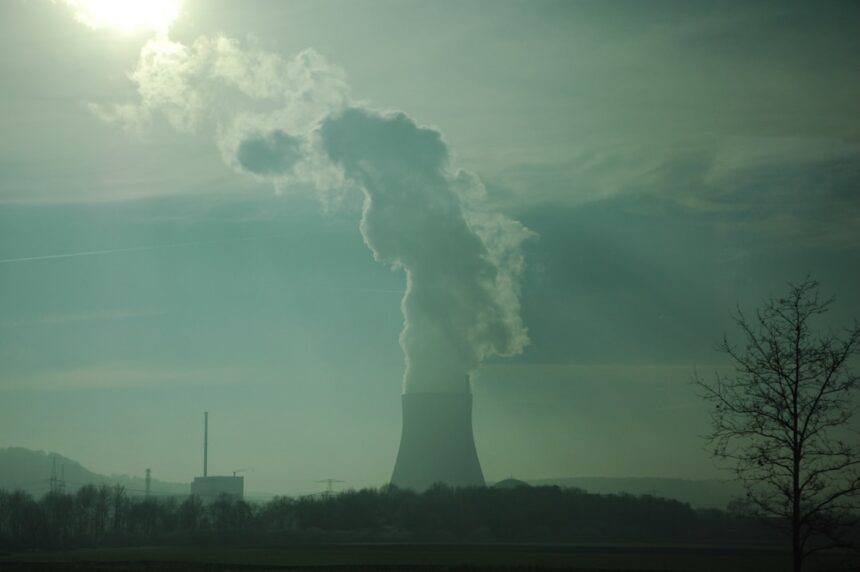
The doomsday machine concept emerged during the Cold War as a theoretical nuclear deterrent system designed to automatically trigger massive retaliation in response to an enemy attack. This idea developed from strategic thinking about nuclear deterrence theory following World War II, when military strategists and political scientists began exploring methods to prevent nuclear warfare through the threat of assured mutual destruction. The concept gained prominence in academic and military circles during the 1950s and 1960s, particularly through the work of nuclear strategists at institutions like the RAND Corporation.
Herman Kahn, a prominent defense analyst, extensively discussed automated retaliation systems in his writings on nuclear strategy. The theoretical framework suggested that a fully automated system, immune to human intervention or communication disruption, would provide the ultimate deterrent by guaranteeing devastating consequences for any nuclear aggressor. The Soviet Union reportedly developed elements of such a system, known as “Dead Hand” or “Perimeter,” which was designed to ensure nuclear retaliation capability even if the country’s leadership was eliminated in a first strike.
This semi-automated system, believed to have been operational since the 1980s, represents the closest real-world implementation of doomsday machine principles. The system’s existence reflects the strategic logic that drove both superpowers to develop increasingly sophisticated command and control mechanisms during the nuclear arms race.
Key Takeaways
- The Doomsday Machine originated during the Cold War as a Soviet strategy to ensure mutual destruction in case of nuclear war.
- It functioned as an automated system designed to launch a retaliatory nuclear strike if the Soviet leadership was incapacitated.
- The existence of the Doomsday Machine heightened global tensions and paranoia, influencing international relations and deterrence policies.
- Ethical and psychological concerns arose from the machine’s potential to trigger uncontrollable nuclear devastation.
- Lessons from the Soviet Doomsday Machine highlight the importance of communication, control, and restraint in modern nuclear deterrence strategies.
The Development of the Soviet Union’s Doomsday Machine
In the context of the Cold War, the Soviet Union embarked on developing its own version of a doomsday machine, known as the “Dead Hand” system. This initiative was born out of a desire to create an automated response mechanism that would ensure retaliation even in the event of a surprise attack. The Dead Hand system was designed to activate if it detected a nuclear strike against the Soviet Union, thereby launching a counterattack without human intervention.
This chilling development underscored the lengths to which nations would go to secure their survival in an increasingly hostile environment. The technical aspects of the Dead Hand system were shrouded in secrecy, but it was believed to involve a network of sensors and communication systems that could assess the state of the nation in real-time. If certain criteria were met—such as a significant loss of communication or a sudden drop in population—the system would automatically trigger a retaliatory strike.
This development not only highlighted the technological advancements in military strategy but also reflected the pervasive paranoia that characterized the era. The Soviet leadership believed that such a system would act as a safeguard against potential first strikes by adversaries, reinforcing their commitment to maintaining a credible deterrent.
The Cold War Context: Tensions and Paranoia
The Cold War was marked by an atmosphere of intense rivalry and suspicion between the United States and the Soviet Union. This period saw an unprecedented buildup of nuclear arsenals, with both superpowers striving to outdo each other in terms of military capabilities. The fear of nuclear annihilation loomed large, leading to an environment where paranoia thrived.
Each side viewed the other as an existential threat, prompting them to develop increasingly sophisticated weapons systems, including doomsday machines. In this context, the doomsday machine served as both a deterrent and a psychological weapon. The mere existence of such a device instilled fear in adversaries, as it suggested that any act of aggression could lead to mutual destruction.
The concept played into the broader strategy of deterrence, where the threat of overwhelming retaliation was seen as essential for maintaining peace.
The Function and Purpose of the Doomsday Machine
The primary function of the doomsday machine was to serve as an ultimate deterrent against nuclear aggression. By ensuring that any attack would result in catastrophic consequences for both the aggressor and the defender, it aimed to create a stable balance of power. The underlying philosophy was rooted in the idea that rational actors would avoid initiating conflict if they understood that their actions would lead to their own destruction.
In this sense, the doomsday machine was intended to promote stability through fear. However, this reliance on fear raised significant ethical questions about its effectiveness and morality. Critics argued that such systems could lead to unintended consequences, including accidental launches or misinterpretations of data that could trigger catastrophic responses.
The very existence of a doomsday machine could create an environment where leaders felt compelled to act preemptively out of fear of being caught off guard. Thus, while its purpose was ostensibly to prevent war, it also risked escalating tensions and increasing the likelihood of conflict.
The Implications of the Doomsday Machine
| Metric | Details |
|---|---|
| Name | Dead Hand (Perimeter) |
| Type | Automated nuclear weapons control system |
| Country | Soviet Union |
| Operational Period | Late 1970s to present (in modified form) |
| Purpose | Automatic retaliation in case of nuclear attack |
| Activation Criteria | Detection of nuclear explosions, loss of communication with command |
| Weapons Controlled | Intercontinental ballistic missiles (ICBMs), strategic bombers |
| Estimated Number of Missiles Controlled | Several hundred ICBMs |
| System Components | Seismic sensors, communication satellites, command bunkers |
| Significance | Ensures second-strike capability, deters nuclear first strike |
The implications of developing a doomsday machine extended far beyond military strategy; they permeated political discourse and societal attitudes toward war and peace. The existence of such devices contributed to a culture of fear and mistrust among nations, fostering an environment where dialogue and diplomacy were often sidelined in favor of military posturing. As countries invested heavily in their arsenals, resources that could have been allocated for social development or humanitarian efforts were diverted toward maintaining and enhancing military capabilities.
Moreover, the psychological impact on populations cannot be understated. Citizens lived under the constant threat of nuclear annihilation, leading to widespread anxiety and existential dread. This pervasive fear influenced public opinion and shaped political landscapes across nations.
In many cases, it prompted grassroots movements advocating for disarmament and peace, as people sought to challenge the prevailing narrative that equated security with military might. The doomsday machine thus became emblematic not only of military strategy but also of broader societal struggles against fear and violence.
The Impact on International Relations

The development and potential deployment of doomsday machines had profound effects on international relations during the Cold War era. Nations were compelled to navigate a complex web of alliances and rivalries shaped by nuclear capabilities. The existence of such devices created an intricate balance where countries had to consider not only their own arsenals but also those of their adversaries when formulating foreign policy.
This dynamic often led to heightened tensions and an atmosphere where miscalculations could have catastrophic consequences. Furthermore, the doomsday machine contributed to a shift in how states approached diplomacy. Traditional negotiations were complicated by the presence of nuclear weapons, as leaders grappled with how to engage with adversaries while maintaining their own security.
Arms control agreements became essential tools for managing these relationships, as nations sought to establish frameworks that would limit proliferation and reduce the risk of accidental conflict. However, these agreements were often fraught with challenges, as trust remained elusive in an environment defined by suspicion.
The Role of Deterrence in the Cold War
Deterrence played a central role in shaping military strategies during the Cold War, with doomsday machines serving as critical components in this framework. The theory posited that by possessing overwhelming retaliatory capabilities, nations could dissuade adversaries from launching attacks. This logic underpinned much of the arms race between the United States and the Soviet Union, as each side sought to develop systems that would ensure their survival in the face of potential aggression.
However, reliance on deterrence also raised significant concerns about stability and security. Critics argued that an overemphasis on military capabilities could lead to an escalation spiral, where each side felt compelled to enhance its arsenal in response to perceived threats from the other. This dynamic created an environment ripe for miscalculations and misunderstandings, where small incidents could spiral into larger conflicts due to fears surrounding nuclear capabilities.
Thus, while deterrence aimed to promote peace through strength, it also risked perpetuating cycles of tension and hostility.
The Psychological and Ethical Dimensions of the Doomsday Machine
The psychological dimensions surrounding doomsday machines are complex and multifaceted. On one hand, they served as tools for instilling fear in adversaries; on the other hand, they contributed to widespread anxiety among civilian populations. The knowledge that nations possessed weapons capable of annihilating entire cities created a pervasive sense of dread that permeated everyday life during the Cold War era.
This psychological burden influenced not only individual behavior but also collective societal attitudes toward war and peace. Ethically, the existence of doomsday machines raises profound questions about humanity’s relationship with technology and violence. The decision to develop systems designed for mass destruction challenges moral frameworks that prioritize human life and dignity.
Critics argue that such devices dehumanize warfare by reducing it to calculations about numbers and probabilities rather than recognizing the inherent value of human life. As societies grappled with these ethical dilemmas, movements advocating for disarmament emerged, calling for a reevaluation of priorities in favor of diplomacy and cooperation over militarization.
The Legacy of the Doomsday Machine
The legacy of the doomsday machine is one marked by both cautionary tales and lessons learned from history. While it served as a deterrent during its time, its existence also highlighted the dangers inherent in relying on fear-based strategies for security. As nations reflect on this legacy, there is an ongoing debate about how best to navigate contemporary security challenges without repeating past mistakes.
In many ways, the doomsday machine symbolizes humanity’s struggle with its own destructive potential. It serves as a reminder that technological advancements can have dire consequences if not tempered by ethical considerations and diplomatic efforts. As new threats emerge in today’s geopolitical landscape—ranging from cyber warfare to emerging technologies—the lessons learned from the Cold War era remain relevant as nations seek to balance security with responsibility.
The Potential for Modern-Day Doomsday Machines
In an age characterized by rapid technological advancements, discussions surrounding modern-day doomsday machines have resurfaced with renewed urgency. While traditional nuclear arsenals remain significant threats, emerging technologies such as artificial intelligence and autonomous weapon systems raise new concerns about their potential applications in warfare. The prospect of automated systems capable of making life-and-death decisions without human intervention echoes past fears surrounding doomsday machines.
Moreover, contemporary geopolitical tensions continue to fuel discussions about deterrence strategies reminiscent of those employed during the Cold War. Nations are increasingly investing in advanced military technologies that could serve similar functions as historical doomsday machines—deterring adversaries through overwhelming capabilities while simultaneously raising ethical questions about their use. As policymakers grapple with these challenges, it becomes imperative to consider not only technological advancements but also their implications for global security and stability.
Lessons Learned from the Soviet Union’s Doomsday Machine
The experience surrounding the Soviet Union’s doomsday machine offers valuable lessons for contemporary policymakers navigating complex security landscapes. One key takeaway is the importance of transparency and communication among nations to mitigate misunderstandings that could lead to conflict.
Additionally, there is a pressing need for ethical considerations to guide technological advancements in military applications. As nations develop new capabilities, prioritizing human rights and dignity must remain at the forefront of decision-making processes. By learning from past mistakes associated with doomsday machines—such as overreliance on fear tactics—policymakers can work toward creating a more stable international environment rooted in cooperation rather than confrontation.
In conclusion, while doomsday machines may have served specific functions during their time, their legacy continues to shape discussions about security and ethics today. As humanity grapples with its own destructive potential amidst evolving threats, reflecting on these lessons becomes essential for fostering a more peaceful future.
The concept of a doomsday machine, particularly in the context of the Soviet Union, has been a topic of intense discussion and analysis. For those interested in exploring this subject further, a related article can be found on In The War Room, which delves into the historical implications and strategic considerations of such a device. You can read more about it in this insightful piece: In The War Room.
WATCH THIS 🎬 DEAD HAND: The Soviet Doomsday Machine That’s Still Listening
FAQs
What was the Doomsday Machine in the context of the Soviet Union?
The Doomsday Machine was a theoretical or conceptual weapon system designed during the Cold War by the Soviet Union. It was intended to automatically trigger a massive nuclear retaliation in the event of a nuclear attack, ensuring mutual destruction and deterring a first strike by an enemy.
Did the Soviet Union actually build a Doomsday Machine?
There is no confirmed evidence that the Soviet Union built a fully operational Doomsday Machine as described in popular culture. The concept was more of a theoretical deterrent strategy rather than a deployed weapon system.
What was the purpose of the Doomsday Machine?
The primary purpose of the Doomsday Machine was to guarantee a retaliatory nuclear strike even if the Soviet leadership was incapacitated or destroyed in a first strike, thereby deterring nuclear attacks by ensuring mutual assured destruction (MAD).
How did the Doomsday Machine concept influence Cold War nuclear strategy?
The concept reinforced the doctrine of mutual assured destruction, where both superpowers maintained second-strike capabilities to prevent either side from launching a first nuclear attack. It contributed to the tense but stable deterrence balance during the Cold War.
Is the Doomsday Machine related to any real Soviet nuclear systems?
While the Doomsday Machine as a fully automated system is largely theoretical, the Soviet Union did develop various early-warning and automated command systems to ensure rapid response to nuclear threats, such as the “Dead Hand” (Perimeter) system, which had some similarities to the Doomsday Machine concept.
What is the “Dead Hand” system and how does it relate to the Doomsday Machine?
The “Dead Hand” or Perimeter system was a Soviet automated nuclear control system designed to launch a retaliatory strike if the command structure was destroyed. It is often cited as a real-world counterpart to the Doomsday Machine concept, though it was more controlled and less indiscriminate.
Why is the Doomsday Machine significant in discussions about nuclear weapons?
The Doomsday Machine symbolizes the extreme measures considered during the Cold War to maintain deterrence and prevent nuclear war. It highlights the risks of automated retaliation systems and the potential for catastrophic consequences if such systems malfunction or are triggered accidentally.
Are there any known risks associated with Doomsday Machine-like systems?
Yes, automated nuclear retaliation systems carry risks of accidental or unintended launches due to false alarms, technical malfunctions, or misinterpretations, which could lead to unintended nuclear war.
Has the concept of the Doomsday Machine appeared in popular culture?
Yes, the Doomsday Machine has been referenced in various books, films, and television shows, often as a symbol of ultimate nuclear threat and the dangers of automated weapons systems. One famous example is the 1964 film “Dr. Strangelove,” which features a fictional Doomsday Machine.