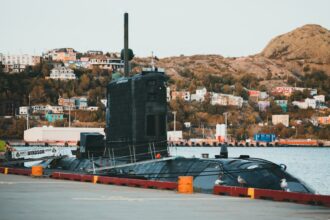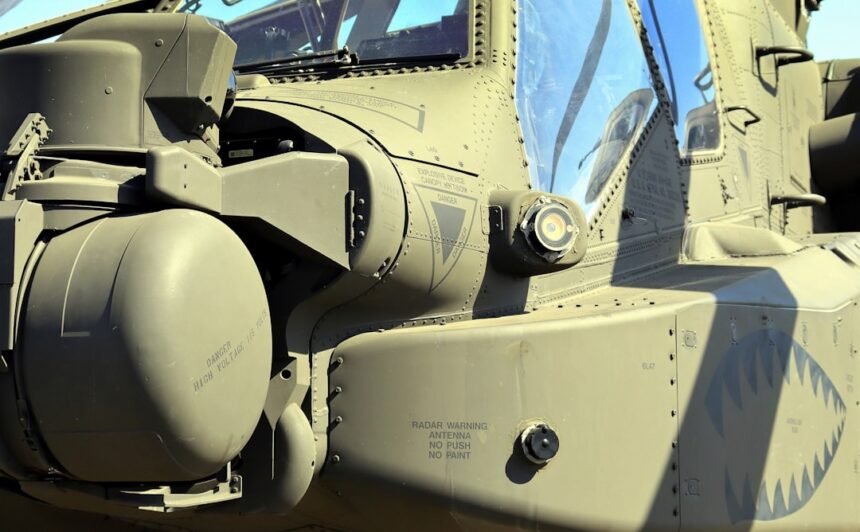
Automated weapons systems have become a crucial element in contemporary military arsenals, fundamentally changing warfare dynamics. These systems operate with various autonomy levels and are engineered to detect, target, and eliminate threats without direct human control. The incorporation of artificial intelligence, machine learning, and robotics technologies enables these weapons to process information and make combat decisions in real-time, often exceeding human reaction capabilities.
Major military powers are making substantial investments in these technologies, significantly impacting global security frameworks and military strategic planning. The deployment of automated weapons systems presents important questions regarding combat evolution and ethical implications. Supporters highlight these systems’ potential to improve military effectiveness and reduce military personnel casualties.
However, critics express concerns about potential misapplication and diminished warfare accountability. As automated weapons become more widespread, it becomes increasingly vital to comprehend their technical capabilities, operational constraints, and broader societal consequences.
Key Takeaways
- Automated weapons systems are increasingly autonomous, raising concerns about reduced human oversight.
- Errors and malfunctions in these systems pose significant risks to both combatants and civilians.
- Ethical, moral, and legal challenges complicate the deployment and accountability of autonomous weapons.
- The proliferation of autonomous weapons heightens global security threats and complicates regulation efforts.
- International initiatives are underway to establish controls, but the future role of automated weapons in warfare remains uncertain.
The Rise of Autonomous Weapons Technology
The rise of autonomous weapons technology can be traced back to advancements in artificial intelligence and robotics over the past few decades. Initially, military applications focused on unmanned aerial vehicles (UAVs) and drones, which allowed for remote surveillance and targeted strikes without putting pilots at risk. However, as technology has progressed, the scope of autonomous weapons has expanded to include ground-based systems, naval vessels, and even cyber capabilities.
This evolution reflects a growing trend toward automation in military operations, driven by the desire for increased efficiency and effectiveness on the battlefield. As nations race to develop cutting-edge autonomous weapons, the competition has intensified. Countries like the United States, Russia, China, and Israel are at the forefront of this technological arms race, investing substantial resources into research and development.
The allure of autonomous weapons lies not only in their potential to reduce human casualties but also in their ability to execute complex missions with precision and speed. However, this rapid advancement raises concerns about the ethical implications of delegating life-and-death decisions to machines.
Lack of Human Oversight in Automated Weapons Systems
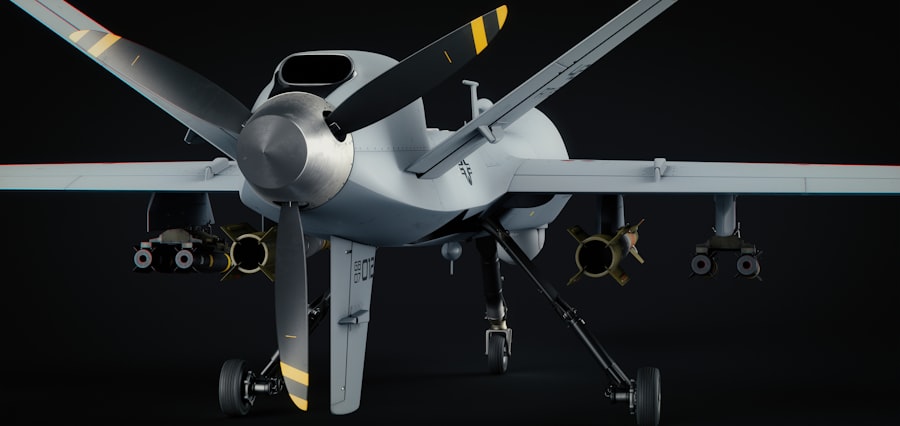
One of the most pressing concerns regarding automated weapons systems is the lack of human oversight in their operation. As these systems become more autonomous, the role of human operators diminishes, leading to a potential disconnect between decision-making processes and ethical considerations. In scenarios where automated systems are tasked with identifying and engaging targets, the absence of human judgment raises significant risks.
Machines may misinterpret data or fail to account for contextual factors that a human operator would consider.
In instances where automated weapons systems cause unintended harm or civilian casualties, determining responsibility becomes complex.
The challenge lies in attributing blame to either the technology developers, military commanders, or the machines themselves. This ambiguity complicates efforts to establish legal frameworks governing the use of such systems and underscores the need for robust oversight mechanisms.
Potential for Errors and Malfunctions in Automated Weapons Systems
Automated weapons systems are not infallible; they are susceptible to errors and malfunctions that can have catastrophic consequences. The reliance on algorithms and data inputs means that any flaws in programming or inaccuracies in data can lead to unintended engagements or failures to act when necessary. For instance, an automated system might misidentify a civilian vehicle as a threat due to faulty image recognition software or outdated intelligence data.
Such errors can result in tragic outcomes, including loss of innocent lives and damage to infrastructure. Moreover, the potential for cyberattacks poses an additional layer of risk. As automated weapons systems become increasingly interconnected and reliant on digital networks, they become vulnerable to hacking and manipulation by malicious actors.
A compromised system could be turned against its operators or used to carry out attacks without authorization. The possibility of such scenarios highlights the urgent need for rigorous testing, validation, and cybersecurity measures to ensure the reliability and safety of automated weapons systems.
Ethical and Moral Concerns Surrounding Automated Weapons Systems
| Metric | Description | Potential Risk Level | Notes |
|---|---|---|---|
| Autonomy Level | Degree to which the system operates without human intervention | High | Higher autonomy increases risk of unintended engagements |
| Target Identification Accuracy | Percentage of correct target identifications | Medium to High | Errors can lead to civilian casualties or friendly fire |
| System Reliability | Operational uptime and failure rate | Medium | Failures can cause accidental discharges or system malfunctions |
| Human Oversight | Level of human control and intervention capability | Variable | Reduced oversight increases risk of misuse or accidents |
| Ethical Compliance | Adherence to international laws and ethical guidelines | Low to Medium | Lack of compliance can lead to war crimes and legal issues |
| Cybersecurity Vulnerability | Susceptibility to hacking or unauthorized control | High | Compromised systems can be turned against allies or civilians |
| Escalation Potential | Likelihood of automated systems triggering wider conflicts | High | Automated responses may escalate tensions unintentionally |
The deployment of automated weapons systems raises profound ethical and moral concerns that challenge traditional notions of warfare. One of the central debates revolves around the question of whether it is morally acceptable to allow machines to make life-and-death decisions. Critics argue that removing human judgment from the equation undermines the ethical principles that govern armed conflict, such as proportionality and distinction between combatants and non-combatants.
The fear is that automated systems may prioritize efficiency over humanity, leading to indiscriminate violence. Additionally, there is concern about the potential desensitization of military personnel who operate these systems. As warfare becomes increasingly automated, soldiers may become detached from the realities of combat, viewing targets as mere data points rather than human lives.
This detachment could erode the moral fabric of military service and contribute to a culture where violence is normalized. The ethical implications extend beyond individual actions; they also encompass broader societal values regarding the use of force and the sanctity of life.
Legal Implications of Autonomous Weapons Technology
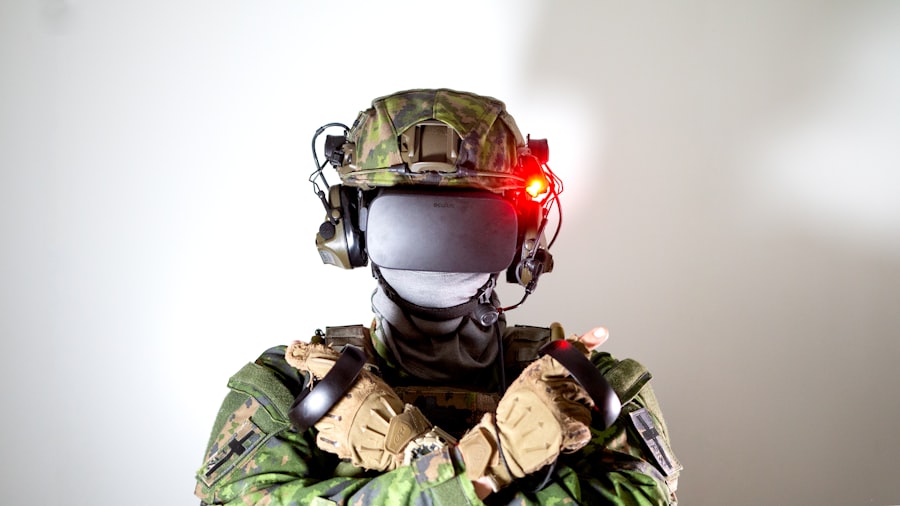
The legal landscape surrounding autonomous weapons technology is complex and evolving. Existing international humanitarian law (IHL) was developed with traditional warfare in mind and may not adequately address the unique challenges posed by automated systems. Key principles such as distinction, proportionality, and necessity must be reexamined in light of machines making decisions on the battlefield.
The question arises: can autonomous weapons comply with IHL standards? If not, should they be banned altogether? Furthermore, accountability remains a significant legal challenge.
In cases where automated weapons cause harm or violate international law, determining liability becomes problematic. The lack of clear legal frameworks governing autonomous weapons complicates efforts to hold individuals or states accountable for their use. As nations grapple with these issues, there is a pressing need for international dialogue and cooperation to establish norms and regulations that address the legal implications of autonomous weapons technology.
Impact on Civilians and Non-Combatants
The impact of automated weapons systems on civilians and non-combatants is a critical concern that cannot be overlooked. As these systems are deployed in conflict zones, there is a heightened risk of civilian casualties resulting from misidentification or malfunctioning technology. The potential for collateral damage raises ethical questions about the justification for using such systems in populated areas where innocent lives are at stake.
Moreover, the psychological effects on civilian populations must be considered. The presence of automated weapons can create an atmosphere of fear and uncertainty among non-combatants who may feel vulnerable to indiscriminate attacks. The normalization of violence through automated warfare can have long-lasting repercussions on communities already affected by conflict.
Addressing these impacts requires a commitment to protecting civilian lives and ensuring that military operations prioritize humanitarian considerations.
The Threat of Autonomous Weapons Proliferation
The proliferation of autonomous weapons poses a significant threat to global security dynamics. As more nations develop and acquire these technologies, there is a risk that they will fall into the hands of non-state actors or rogue regimes. The accessibility of advanced technologies means that even smaller nations or terrorist organizations could potentially deploy autonomous weapons with devastating effects.
This proliferation raises concerns about an arms race in autonomous weaponry, where countries feel compelled to develop increasingly sophisticated systems to maintain their military edge. Such competition could lead to destabilization in regions already fraught with tension and conflict. The international community must recognize the urgency of addressing this issue through diplomatic efforts aimed at preventing the spread of autonomous weapons technology.
Challenges in Holding Responsible Parties Accountable for Automated Weapons Incidents
One of the most significant challenges associated with automated weapons systems is establishing accountability for incidents involving their use. When an automated system causes harm or violates international law, determining who is responsible becomes complex. Is it the manufacturer who designed the technology?
The military personnel who deployed it? Or is it the machine itself? This ambiguity complicates efforts to seek justice for victims and hold parties accountable for their actions.
Furthermore, existing legal frameworks may not adequately address these challenges. As autonomous weapons become more prevalent, there is a pressing need for new legal standards that clarify accountability in cases involving automated systems. This includes establishing guidelines for testing, validation, and oversight to ensure that these technologies operate within ethical and legal boundaries.
International Efforts to Regulate Automated Weapons Systems
In response to growing concerns about autonomous weapons systems, international efforts have emerged to regulate their development and use. Various organizations, including the United Nations, have initiated discussions aimed at establishing norms governing autonomous weaponry. These efforts seek to address ethical concerns while ensuring compliance with international humanitarian law.
However, achieving consensus among nations is challenging due to differing perspectives on security needs and technological advancements. Some countries advocate for a complete ban on autonomous weapons, while others argue for their continued development under strict regulations. The path forward requires constructive dialogue among states to find common ground on how best to manage this evolving landscape.
The Future of Warfare and the Role of Automated Weapons Systems
As warfare continues to evolve in response to technological advancements, automated weapons systems are likely to play an increasingly prominent role on the battlefield. Their potential for enhanced efficiency and reduced risk to human operators makes them attractive options for military planners seeking strategic advantages. However, this shift also necessitates careful consideration of the ethical, legal, and humanitarian implications associated with their use.
The future of warfare will likely involve a complex interplay between human decision-making and machine autonomy. Striking a balance between leveraging technological advancements while upholding ethical standards will be crucial in shaping a future where warfare remains accountable and humane. As nations navigate this uncharted territory, ongoing dialogue and collaboration will be essential in ensuring that automated weapons systems are developed and deployed responsibly within a framework that prioritizes human dignity and security.
The increasing reliance on automated weapons systems raises significant ethical and security concerns, as highlighted in a related article on the potential dangers of such technologies. For a deeper understanding of these issues, you can read more in this article: Automated Weapons Systems: A Double-Edged Sword.
WATCH THIS 🎬 DEAD HAND: The Soviet Doomsday Machine That’s Still Listening
FAQs
What are automated weapons systems?
Automated weapons systems are military technologies that can identify, select, and engage targets without human intervention. They use sensors, algorithms, and artificial intelligence to operate autonomously.
Why are automated weapons systems considered dangerous?
They are considered dangerous because they can make life-and-death decisions without human oversight, potentially leading to unintended casualties, escalation of conflicts, and ethical concerns about accountability.
Do automated weapons systems have human control?
Some systems operate with human supervision or require human authorization before engaging targets, while fully autonomous systems can act independently without real-time human input.
What are the ethical concerns surrounding automated weapons?
Ethical concerns include the lack of human judgment in lethal decisions, potential violations of international humanitarian law, accountability for mistakes, and the moral implications of delegating life-and-death decisions to machines.
Are there international regulations on automated weapons systems?
Currently, there is no comprehensive international treaty specifically regulating fully autonomous weapons, though discussions and proposals are ongoing within organizations like the United Nations.
Can automated weapons systems malfunction or be hacked?
Yes, like all computerized systems, automated weapons can malfunction due to technical errors or be vulnerable to cyberattacks, which could lead to unintended engagements or loss of control.
What impact could automated weapons have on global security?
They could lower the threshold for conflict, increase the speed and scale of warfare, and potentially destabilize international security by enabling rapid, unaccountable military actions.
Are automated weapons systems currently in use?
Some automated or semi-automated weapons systems are in use today, such as missile defense systems and certain drone technologies, but fully autonomous lethal weapons remain limited and controversial.
What measures are being taken to address the dangers of automated weapons?
Efforts include international advocacy for bans or regulations, development of ethical guidelines, calls for meaningful human control, and research into safe deployment and accountability mechanisms.