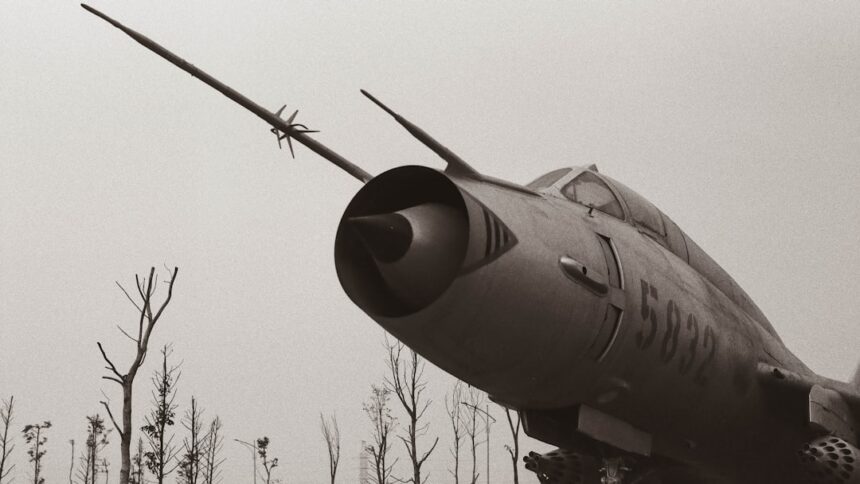
The Cold War (1947-1991) was a prolonged period of geopolitical tension between the United States and the Soviet Union, characterized by ideological opposition between capitalism and communism, nuclear arms competition, and conflicts fought through allied nations rather than direct military engagement. The Cuban Missile Crisis of October 14-28, 1962, represents the closest the world came to nuclear war during this era. The crisis began when American U-2 spy planes photographed Soviet medium-range ballistic missiles under construction in Cuba.
These missiles, capable of reaching most of the continental United States within minutes, fundamentally altered the strategic balance of power. The Soviet Union’s decision to place nuclear weapons in Cuba was motivated by several factors: protecting Cuba from potential American invasion following the failed Bay of Pigs operation in 1961, countering American Jupiter missiles stationed in Turkey and Italy, and achieving nuclear parity with the United States. The thirteen-day crisis tested the nuclear doctrines and crisis management capabilities of both superpowers.
President John F. Kennedy faced pressure from military advisors advocating for immediate air strikes or invasion of Cuba, while Soviet Premier Nikita Khrushchev sought to avoid escalation while maintaining Soviet credibility. The resolution came through diplomatic negotiations, with the Soviet Union agreeing to remove missiles from Cuba in exchange for American assurances not to invade Cuba and the secret removal of American missiles from Turkey.
This crisis established important precedents for nuclear crisis management and led to the installation of the Moscow-Washington hotline for direct communication between the superpowers.
Key Takeaways
- The Cuban Missile Crisis marked a pivotal moment in Cold War military strategy, highlighting the risks of nuclear confrontation.
- Stalin’s military doctrine emphasized massive conventional forces and nuclear capabilities, shaping Soviet defense policies.
- Khrushchev introduced reforms and the “New Look” strategy, focusing on nuclear deterrence and reducing conventional forces.
- The Cuban Revolution influenced Soviet strategy by expanding Soviet influence in the Western Hemisphere and escalating tensions.
- Post-crisis, Soviet military doctrine evolved towards flexible response, deterrence, and a balanced emphasis on nuclear and conventional forces.
The Legacy of Stalin’s Military Doctrine
Stalin’s military doctrine left an indelible mark on Soviet military strategy, emphasizing the importance of large-scale conventional forces and a focus on offensive operations. Under Stalin’s leadership, the Red Army was shaped by a series of purges and reorganizations that prioritized loyalty to the Communist Party over military competence. This approach fostered a culture of fear and conformity, which stifled innovation and adaptability within the military ranks.
The legacy of this doctrine was a military establishment that was often ill-prepared for the complexities of modern warfare. Moreover, Stalin’s emphasis on mass mobilization and overwhelming force created a strategic framework that would influence Soviet military thinking for years to come. The doctrine prioritized rapid advances and encirclements, drawing lessons from World War II victories.
However, as the Cold War progressed, it became increasingly clear that such strategies were inadequate in addressing the challenges posed by nuclear weapons and asymmetric warfare. The rigidity of Stalin’s approach would eventually necessitate a reevaluation of military doctrine as new leaders sought to adapt to an evolving global landscape.
Khrushchev’s Reforms and the New Look Strategy
With Nikita Khrushchev’s rise to power in the mid-1950s, Soviet military strategy underwent significant reforms aimed at modernizing the armed forces and adapting to the realities of nuclear warfare. Khrushchev’s “New Look” strategy emphasized a shift away from traditional large-scale ground forces towards a more balanced approach that incorporated nuclear capabilities. This transition reflected an understanding that future conflicts would likely involve nuclear deterrence rather than conventional engagements.
Khrushchev’s reforms also included an emphasis on missile technology and air power, recognizing that these elements would play a crucial role in maintaining strategic parity with the United States. The development of intercontinental ballistic missiles (ICBMs) and submarine-launched ballistic missiles (SLBMs) became central to Soviet military planning. This shift not only altered the balance of power but also introduced new complexities into international relations, as both superpowers raced to enhance their nuclear arsenals while grappling with the implications of mutually assured destruction.
The Influence of the Cuban Revolution
The Cuban Revolution of 1959 had profound implications for Soviet foreign policy and military strategy. Fidel Castro’s rise to power represented a significant ideological victory for communism in Latin America, prompting the Soviet Union to reevaluate its approach to regional conflicts. The revolution not only provided an opportunity for Soviet influence in the Western Hemisphere but also served as a catalyst for increased tensions with the United States.
Cuba became a focal point for Soviet efforts to project power and counter American hegemony in the region. The establishment of a communist regime just 90 miles from Florida was perceived as a direct challenge to U.S. interests, leading to heightened paranoia within American political circles.
In response, Khrushchev sought to bolster Cuba’s defenses by providing military aid and support, ultimately culminating in the deployment of nuclear missiles on the island. This decision was driven by a desire to deter U.S. aggression while simultaneously demonstrating Soviet resolve in the face of American dominance.
The Development of Flexible Response
| Aspect | Details |
|---|---|
| Time Period | 1962 |
| Strategic Focus | Deterrence and defense against NATO forces, emphasis on nuclear capabilities |
| Military Doctrine | Defensive posture with readiness for limited nuclear war, emphasis on combined arms operations |
| Key Military Branches | Ground Forces, Strategic Rocket Forces, Air Defense Forces, Navy |
| Nuclear Arsenal | Approximately 3,000 nuclear warheads (strategic and tactical) |
| Missile Capabilities | Deployment of intermediate-range ballistic missiles (IRBMs) and intercontinental ballistic missiles (ICBMs) |
| Military Exercises | Large-scale maneuvers simulating rapid mobilization and nuclear conflict scenarios |
| Strategic Challenges | Cuban Missile Crisis impact, balancing conventional forces with nuclear deterrence |
| Command Structure | Centralized control under the Soviet General Staff and Ministry of Defense |
In response to the evolving nature of warfare and the challenges posed by nuclear weapons, both superpowers began to develop strategies that emphasized flexibility in military responses.
This approach allowed for a range of military capabilities, from conventional forces to limited nuclear strikes, enabling leaders to tailor their responses based on specific circumstances.
For the Soviet Union, this meant investing in conventional forces while maintaining a credible nuclear deterrent. The idea was to create a military posture that could respond effectively to any aggression while avoiding escalation into full-scale nuclear war. This strategy reflected an understanding that conflicts could arise in diverse contexts, necessitating a more nuanced approach than simply relying on overwhelming force or nuclear threats.
The Role of Nuclear Weapons in Soviet Strategy
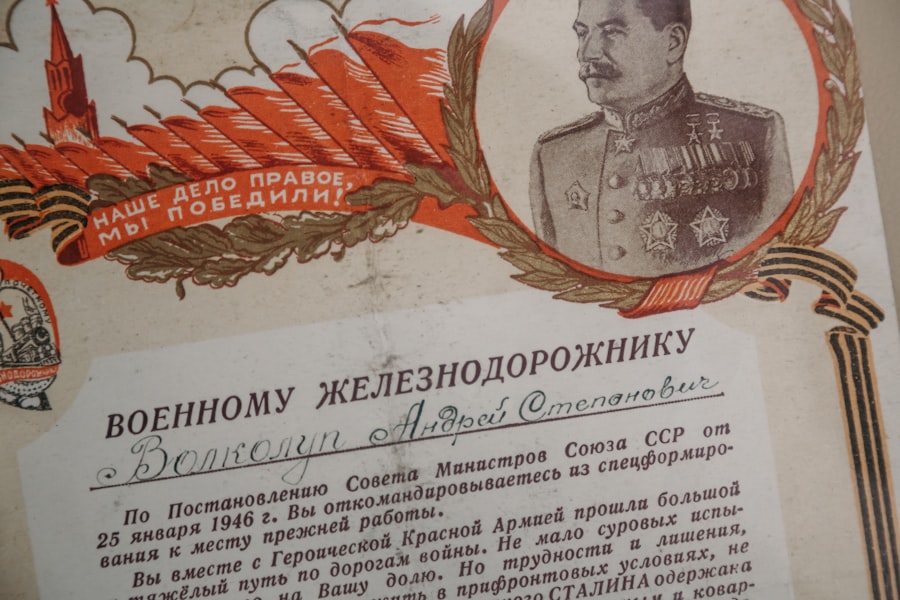
Nuclear weapons became central to Soviet military strategy during the Cold War, fundamentally altering the calculus of international relations.
S. aggression. The doctrine of mutually assured destruction (MAD) emerged as a guiding principle, asserting that any nuclear attack would result in catastrophic retaliation from both sides. The significance of nuclear weapons extended beyond mere deterrence; they also served as tools for political leverage in diplomatic negotiations. The presence of nuclear capabilities allowed Soviet leaders to project strength on the global stage while simultaneously seeking to avoid direct confrontations that could escalate into nuclear conflict. This duality created a complex dynamic where nuclear arsenals were both a source of security and a potential catalyst for instability.
The Importance of Conventional Forces
While nuclear weapons dominated strategic thinking during the Cold War, conventional forces remained essential components of Soviet military doctrine. The ability to project power through conventional means was crucial for maintaining influence in regional conflicts and deterring adversaries from engaging in direct confrontations. The Soviet Union recognized that conventional forces could serve as both a deterrent and an instrument for achieving political objectives without resorting to nuclear options.
The emphasis on conventional capabilities also reflected an understanding that not all conflicts would escalate to nuclear levels. By maintaining robust ground forces, air power, and naval capabilities, the Soviet Union aimed to ensure its readiness for various scenarios while preserving flexibility in its military responses. This dual focus on both nuclear and conventional forces allowed Soviet leaders to navigate complex geopolitical landscapes while safeguarding their national interests.
The Impact of the Cuban Missile Crisis on Soviet Strategy
The Cuban Missile Crisis had profound implications for Soviet military strategy, prompting a reevaluation of existing doctrines and approaches. The near-catastrophic confrontation underscored the dangers inherent in nuclear brinkmanship and highlighted the need for more effective communication channels between superpowers. In its aftermath, Soviet leaders recognized that reliance on aggressive posturing could lead to unintended consequences that jeopardized national security.
As a result, there was a shift towards more cautious strategies that prioritized deterrence over provocation. The lessons learned from the crisis influenced subsequent military planning, leading to an increased emphasis on diplomacy and negotiation as tools for managing tensions with the United States. This recalibration reflected an understanding that maintaining stability required not only military preparedness but also effective engagement with adversaries.
The Shift towards Deterrence and Defense
In the wake of the Cuban Missile Crisis, there was a notable shift in Soviet military strategy towards deterrence and defense rather than aggressive posturing. Leaders recognized that maintaining peace required a careful balance between demonstrating strength and avoiding actions that could provoke conflict. This shift was characterized by an increased focus on defensive capabilities, including missile defense systems and civil defense measures aimed at protecting against potential attacks.
The emphasis on deterrence also led to greater investment in intelligence-gathering capabilities, allowing Soviet leaders to better assess threats and respond accordingly. By prioritizing defensive strategies, the Soviet Union sought to create an environment where adversaries would think twice before engaging in aggressive actions, thereby reducing the likelihood of escalation into full-scale conflict.
The Evolution of Soviet Military Doctrine in the 1960s
Throughout the 1960s, Soviet military doctrine continued to evolve in response to changing geopolitical realities and technological advancements. The lessons learned from events such as the Cuban Missile Crisis prompted leaders to adopt more sophisticated approaches that integrated both conventional and nuclear capabilities into cohesive strategies. This evolution reflected an understanding that future conflicts would require adaptability and innovation rather than rigid adherence to past doctrines.
The integration of new technologies, such as advanced missile systems and reconnaissance capabilities, further transformed Soviet military thinking during this period. Leaders recognized that success in future conflicts would depend not only on sheer numbers but also on technological superiority and strategic flexibility. As a result, investments were made in research and development aimed at enhancing military effectiveness across various domains.
The Long-Term Implications of Soviet Military Strategy in 1962
The events surrounding the Cuban Missile Crisis in 1962 had far-reaching implications for Soviet military strategy and international relations as a whole. The crisis served as a catalyst for reevaluating existing doctrines and approaches, leading to significant shifts towards deterrence, defense, and diplomatic engagement. As leaders grappled with the realities of nuclear warfare, they recognized that maintaining stability required not only military preparedness but also effective communication with adversaries.
In retrospect, the legacy of these developments shaped not only Soviet military strategy but also influenced global dynamics throughout the remainder of the Cold War and beyond. The lessons learned from this tumultuous period underscored the importance of adaptability in military thinking while highlighting the need for ongoing dialogue between superpowers to prevent future crises from spiraling out of control. Ultimately, the Cuban Missile Crisis marked a turning point that redefined how nations approached security in an era dominated by nuclear weapons and ideological conflict.
In examining Soviet military strategy during the critical year of 1962, it is essential to consider the broader context of Cold War tensions and military doctrines. A related article that delves into these themes can be found at this link, which provides insights into the strategic decisions made by the Soviet leadership during this pivotal period. Understanding these strategies helps to illuminate the complexities of international relations and military preparedness during the Cold War.
WATCH THIS 🛑 The Submarine Captain Who Said NO to Nuclear War
FAQs
What was the primary focus of Soviet military strategy in 1962?
The primary focus of Soviet military strategy in 1962 was to maintain a strong conventional and nuclear deterrent against NATO forces, emphasizing the balance of power during the Cold War. This included the deployment of strategic missile forces and the readiness to respond to any potential conflict in Europe or globally.
How did the Cuban Missile Crisis influence Soviet military strategy in 1962?
The Cuban Missile Crisis was a pivotal event in 1962 that highlighted the risks of nuclear confrontation. It led the Soviet Union to reassess its military strategy, emphasizing the importance of strategic missile deployment, crisis management, and improving communication channels with the United States to avoid direct conflict.
What role did nuclear weapons play in Soviet military strategy in 1962?
Nuclear weapons were central to Soviet military strategy in 1962, serving as a key deterrent against Western aggression. The Soviet Union focused on expanding its intercontinental ballistic missile (ICBM) capabilities and maintaining a credible second-strike capability to ensure mutual assured destruction (MAD).
How did the Soviet Union plan to counter NATO forces in Europe during 1962?
In 1962, the Soviet military strategy involved preparing for a potential large-scale conventional war in Europe by maintaining large ground forces, including tank and mechanized infantry units, supported by tactical nuclear weapons. The strategy aimed to delay or repel a NATO advance while leveraging nuclear deterrence to prevent escalation.
What was the significance of the Strategic Rocket Forces in 1962?
The Strategic Rocket Forces, established in 1959, became a crucial component of Soviet military strategy by 1962. They were responsible for operating the Soviet Union’s land-based ICBMs, which provided a powerful nuclear strike capability and enhanced the USSR’s strategic deterrence posture.
Did Soviet military strategy in 1962 include naval forces?
Yes, Soviet military strategy in 1962 included a significant naval component, focusing on expanding the submarine fleet, particularly ballistic missile submarines (SSBNs), to ensure a second-strike nuclear capability. The navy also aimed to challenge NATO’s control of the seas and protect Soviet maritime interests.
How did technological advancements impact Soviet military strategy in 1962?
Technological advancements, especially in missile technology, radar, and communications, significantly impacted Soviet military strategy in 1962. These developments enhanced the USSR’s ability to conduct strategic nuclear operations, improve early warning systems, and coordinate military responses more effectively.
What was the role of conventional forces in Soviet military strategy during 1962?
Conventional forces remained vital in Soviet military strategy in 1962, as the USSR prepared for the possibility of a large-scale conventional conflict in Europe. The strategy emphasized massed armored and mechanized units, artillery, and air support to achieve rapid breakthroughs and territorial control if war broke out.
How did the Soviet Union view the possibility of nuclear war in 1962?
In 1962, the Soviet Union viewed nuclear war as a catastrophic but possible outcome of Cold War tensions. Their military strategy aimed to deter nuclear conflict through a credible threat of retaliation while preparing for limited nuclear engagements and managing escalation to avoid full-scale nuclear war.
What lessons did the Soviet military learn from the events of 1962?
The Soviet military learned the importance of strategic communication, crisis management, and the risks of nuclear brinkmanship from the events of 1962, particularly the Cuban Missile Crisis. These lessons influenced subsequent military planning, emphasizing the need for controlled escalation and improved diplomatic channels to prevent accidental war.