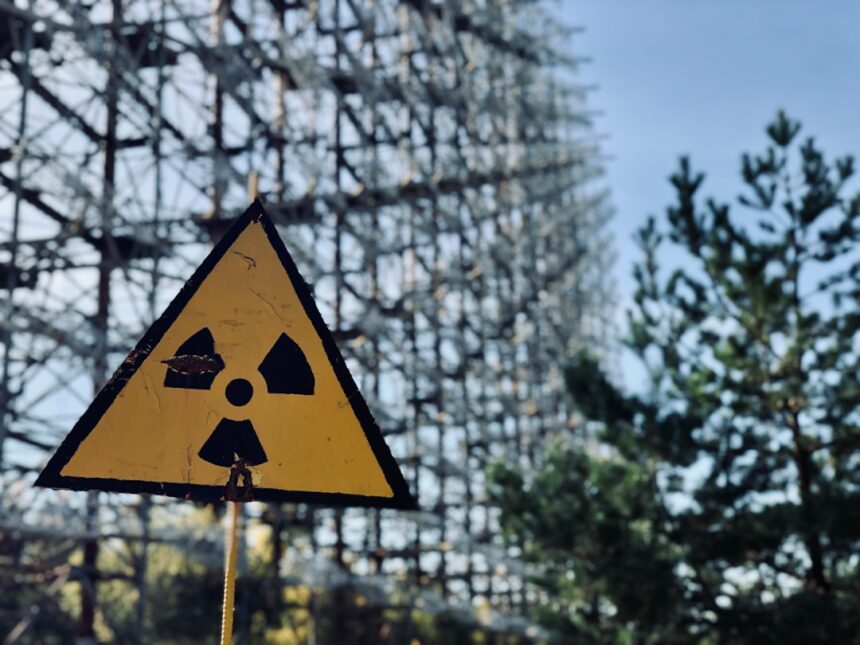
The Cuban Missile Crisis, which unfolded in October 1962, marked a pivotal moment in the Cold War, characterized by an intense standoff between the United States and the Soviet Union. This confrontation arose when American reconnaissance flights over Cuba revealed the presence of Soviet nuclear missiles on the island, just 90 miles from the U.S. mainland. The discovery sent shockwaves through Washington, igniting fears of an imminent nuclear threat. President John F. Kennedy and his advisors faced a daunting challenge: how to respond to this provocative act without escalating tensions into a full-blown war. As the crisis deepened, the world held its breath, caught in the grip of uncertainty. The U.S. government quickly moved to establish a naval blockade around Cuba, a decision that was both bold and fraught with risk. The blockade aimed to prevent further shipments of military equipment to the island while signaling to the Soviet leadership that America would not tolerate the presence of nuclear weapons so close to its shores. The stakes were incredibly high, as any miscalculation could lead to catastrophic consequences, plunging both superpowers into a nuclear conflict that could devastate large parts of the globe.
As tensions escalated, both the United States and the Soviet Union found themselves on the brink of war. The military posturing on both sides was alarming; each nation mobilized its forces and prepared for potential conflict. The U.S. placed its military on high alert, and strategic bombers were readied for deployment. Meanwhile, Soviet Premier Nikita Khrushchev remained resolute in his support for Fidel Castro’s regime in Cuba, viewing the missiles as a necessary deterrent against American aggression in Latin America. The situation was further complicated by the fact that both leaders were acutely aware of the potential for miscommunication and miscalculation. The world watched as each side engaged in a dangerous game of brinkmanship, with both superpowers unwilling to back down. The fear of nuclear annihilation loomed large, as military advisors on both sides urged their leaders to consider preemptive strikes. The atmosphere was charged with anxiety, as citizens around the globe grappled with the reality that their lives could change irrevocably within moments.
Key Takeaways
- The Cuban Missile Crisis brought the U.S. and Soviet Union to the brink of nuclear war, highlighting the dangers of Cold War tensions.
- Diplomatic negotiations and secret backchannel communications were crucial in defusing the crisis and preventing conflict.
- Key leaders, including Kennedy and Khrushchev, played vital roles in managing the standoff and avoiding nuclear catastrophe.
- The crisis underscored the importance of international cooperation, public opinion, and pressure in promoting peace and arms control.
- Lessons from the crisis have shaped ongoing nuclear non-proliferation efforts and the need for vigilant crisis management today.
Diplomatic Negotiations and Backchannel Communications
Amidst the chaos and fear, diplomatic negotiations began to take shape, albeit through backchannel communications that were often fraught with tension. Both Kennedy and Khrushchev recognized that a peaceful resolution was essential to avoid disaster. Secret exchanges between their respective representatives allowed for a more candid discussion of terms and conditions that could lead to de-escalation.
These backchannel communications were critical in establishing a framework for dialogue that would ultimately pave the way for a resolution. The negotiations were not without their challenges; mistrust ran deep between the two nations, and each side had its own set of demands. The U.S.
sought the removal of Soviet missiles from Cuba, while the Soviets wanted assurances that the U.S. would not invade Cuba and would also withdraw its missiles from Turkey. These discussions highlighted the complexities of international diplomacy during a time of crisis, as both leaders had to navigate their domestic political landscapes while also considering global implications.
The Role of Key Leaders in Preventing Nuclear War

The role of key leaders during the Cuban Missile Crisis was instrumental in averting nuclear war. President Kennedy’s calm demeanor and measured approach to decision-making played a crucial role in steering the United States through this perilous period. He surrounded himself with a group of trusted advisors known as the Executive Committee of the National Security Council (ExComm), who provided diverse perspectives and insights.
This collaborative approach allowed Kennedy to weigh options carefully and avoid hasty decisions that could have led to disaster. On the other side, Nikita Khrushchev’s willingness to engage in dialogue was equally significant. Despite his initial hardline stance, he ultimately recognized the need for compromise to prevent catastrophic consequences.
Khrushchev’s decision to withdraw missiles from Cuba in exchange for U.
assurances not to invade demonstrated a pragmatic approach to leadership during a time of extreme tension. Both leaders’ ability to communicate effectively and prioritize diplomacy over military action was vital in diffusing one of history’s most dangerous confrontations.
The Impact of Public Opinion and International Pressure
Public opinion played a significant role during the Cuban Missile Crisis, influencing how leaders approached their decisions. In the United States, citizens were gripped by fear and uncertainty as news reports detailed the escalating situation. Many Americans rallied behind Kennedy, urging him to take a strong stance against Soviet aggression while also hoping for a peaceful resolution.
The pressure from the public added another layer of complexity to an already tense situation, as leaders had to balance national security interests with the desire for peace. International pressure also loomed large during this crisis. Allies and adversaries alike watched closely as events unfolded, with many nations advocating for diplomacy over military confrontation.
The United Nations became a platform for discussions aimed at de-escalation, with various countries calling for restraint from both superpowers. This global scrutiny underscored the interconnectedness of international relations during the Cold War era and highlighted how public sentiment could influence diplomatic outcomes.
Lessons Learned from the Close Call
| Year | Incident | Location | Number of Warheads Involved | Preventive Action Taken | Outcome |
|---|---|---|---|---|---|
| 1962 | Cuban Missile Crisis | Cuba / USA / USSR | Approximately 42 | Diplomatic negotiations and naval blockade | Nuclear war averted |
| 1983 | Stanislav Petrov Incident | USSR | Unknown (false alarm) | Decision to not retaliate based on human judgment | False alarm prevented nuclear launch |
| 1995 | Norwegian Rocket Incident | Russia | Unknown (rocket misidentified) | Verification and communication with Norway | Potential nuclear response avoided |
| 2007 | US-Russia Nuclear Risk Reduction Center Communication | USA / Russia | N/A | Improved communication protocols | Reduced risk of accidental nuclear conflict |
The Cuban Missile Crisis served as a stark reminder of the dangers inherent in nuclear brinkmanship and the importance of effective communication between rival powers. One of the key lessons learned was the necessity of establishing direct lines of communication to prevent misunderstandings that could lead to conflict. In response to this crisis, both superpowers implemented measures such as the “hotline” between Washington and Moscow, allowing for immediate communication in times of crisis.
Additionally, the events of October 1962 underscored the importance of diplomacy in resolving international disputes. Leaders recognized that military solutions often carried unacceptable risks, prompting a shift toward negotiation and dialogue as preferred methods for addressing conflicts. This realization laid the groundwork for future arms control agreements and efforts aimed at reducing nuclear arsenals worldwide.
The Evolution of Nuclear Arms Control and Disarmament
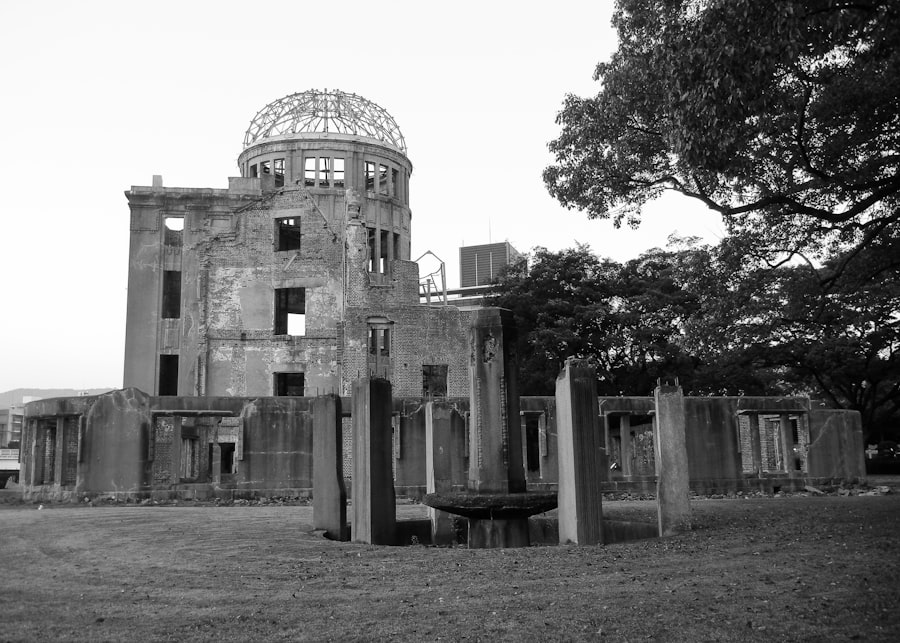
In the aftermath of the Cuban Missile Crisis, there was a renewed focus on nuclear arms control and disarmament efforts between the United States and the Soviet Union. The crisis highlighted the urgent need for frameworks that would limit nuclear proliferation and reduce tensions between nuclear powers. This led to significant agreements such as the Partial Nuclear Test Ban Treaty in 1963, which prohibited atmospheric nuclear tests and marked a critical step toward arms control.
Over subsequent decades, various treaties emerged aimed at curbing nuclear weapons development and promoting disarmament. The Strategic Arms Limitation Talks (SALT) in the 1970s resulted in agreements that placed limits on intercontinental ballistic missiles (ICBMs) and submarine-launched ballistic missiles (SLBMs). These efforts reflected a growing recognition among world leaders that cooperation was essential for global security in an era defined by nuclear capabilities.
The Continued Threat of Nuclear Annihilation
Despite advancements in arms control and disarmament, the threat of nuclear annihilation remains ever-present in today’s geopolitical landscape. New challenges have emerged as nations continue to develop their nuclear arsenals or pursue nuclear capabilities under various pretexts. Regional conflicts, rogue states, and non-state actors pose significant risks that could lead to nuclear escalation if not managed effectively.
The specter of nuclear war is compounded by technological advancements that have transformed warfare dynamics. Cybersecurity threats, artificial intelligence, and missile defense systems have introduced new complexities into international relations, making it imperative for nations to remain vigilant against potential threats while fostering dialogue aimed at preventing conflict.
The Importance of International Cooperation and Diplomacy
In an increasingly interconnected world, international cooperation and diplomacy are more critical than ever in addressing global security challenges. The lessons learned from the Cuban Missile Crisis underscore the necessity for nations to engage in constructive dialogue rather than resorting to military posturing or aggression. Collaborative efforts can help build trust among nations and create frameworks for conflict resolution that prioritize peace over confrontation.
Organizations such as the United Nations play an essential role in facilitating diplomatic discussions and promoting multilateral agreements aimed at reducing tensions between nations. By fostering an environment conducive to dialogue, these institutions can help mitigate risks associated with nuclear proliferation and encourage countries to work together toward shared goals of security and stability.
The Role of Nuclear Non-Proliferation Agreements
Nuclear non-proliferation agreements have become vital tools in preventing the spread of nuclear weapons and promoting disarmament efforts globally. The Treaty on the Non-Proliferation of Nuclear Weapons (NPT), established in 1968, serves as a cornerstone for international efforts aimed at curbing nuclear proliferation while encouraging peaceful uses of nuclear energy. By committing signatory states to refrain from developing nuclear weapons, this treaty has played a crucial role in maintaining global security.
However, challenges remain as some nations pursue nuclear capabilities outside established frameworks or withdraw from existing agreements altogether. Addressing these challenges requires ongoing commitment from all parties involved to uphold non-proliferation norms while engaging diplomatically with states that may be resistant to disarmament efforts.
The Ongoing Need for Vigilance and Crisis Management
As history has shown, vigilance is paramount when it comes to managing crises involving nuclear weapons. The Cuban Missile Crisis serves as a reminder that even minor miscalculations can lead to catastrophic consequences if not addressed promptly and effectively. Nations must remain proactive in monitoring potential flashpoints while investing in crisis management strategies that prioritize communication and collaboration.
In an era where geopolitical tensions continue to rise, maintaining open lines of communication between rival powers is essential for preventing misunderstandings that could escalate into conflict. By fostering an environment conducive to dialogue and cooperation, nations can work together toward ensuring global security while mitigating risks associated with nuclear weapons proliferation. In conclusion, the Cuban Missile Crisis stands as a defining moment in history that shaped international relations during the Cold War era and beyond.
Its lessons continue to resonate today as nations grapple with complex security challenges posed by nuclear weapons proliferation and geopolitical tensions. Through ongoing commitment to diplomacy, arms control agreements, and international cooperation, there remains hope for a future where global security is prioritized over conflict—a future where humanity learns from its past mistakes rather than repeating them.
In the context of nuclear annihilation being averted, an insightful article can be found on In The War Room, which discusses the critical decisions made during tense moments in history that helped prevent catastrophic outcomes. For more details, you can read the article [here](https://www.inthewarroom.com/).
WATCH THIS 🛑 The Submarine Captain Who Said NO to Nuclear War
FAQs
What is nuclear annihilation?
Nuclear annihilation refers to the complete destruction or devastation caused by the use of nuclear weapons, resulting in massive loss of life, environmental damage, and long-term global consequences.
How can nuclear annihilation be prevented?
Nuclear annihilation can be prevented through diplomatic efforts, arms control agreements, disarmament initiatives, effective communication between nuclear-armed states, and international cooperation to reduce the risk of nuclear conflict.
What are some historical examples where nuclear annihilation was prevented?
Historical examples include the Cuban Missile Crisis in 1962, where diplomatic negotiations between the United States and the Soviet Union averted a potential nuclear war, and various arms control treaties such as the Strategic Arms Reduction Treaty (START).
What role do international organizations play in preventing nuclear annihilation?
International organizations like the United Nations and the International Atomic Energy Agency (IAEA) promote nuclear non-proliferation, monitor nuclear activities, facilitate dialogue, and support treaties aimed at reducing nuclear weapons and preventing their use.
Why is nuclear disarmament important in preventing nuclear annihilation?
Nuclear disarmament reduces the number of nuclear weapons globally, lowering the risk of accidental or intentional nuclear conflict and contributing to global security and stability.
What are the risks if nuclear annihilation is not prevented?
If nuclear annihilation is not prevented, it could lead to catastrophic loss of human life, environmental destruction, long-term radiation effects, global economic collapse, and potential extinction-level consequences for humanity.
Can technology help in preventing nuclear annihilation?
Yes, technology such as early warning systems, secure communication networks, and missile defense systems can help detect and prevent accidental launches or misunderstandings that could lead to nuclear conflict.
What is the significance of treaties like the Non-Proliferation Treaty (NPT) in preventing nuclear annihilation?
The NPT aims to prevent the spread of nuclear weapons, promote peaceful uses of nuclear energy, and encourage disarmament, thereby reducing the likelihood of nuclear war and contributing to global security.
How do political tensions affect the risk of nuclear annihilation?
High political tensions and conflicts between nuclear-armed states increase the risk of miscalculation, escalation, and potential use of nuclear weapons, making diplomatic efforts crucial to maintaining peace.
What can individuals do to support the prevention of nuclear annihilation?
Individuals can raise awareness, support disarmament initiatives, advocate for peaceful conflict resolution, and engage with organizations working towards nuclear non-proliferation and global security.