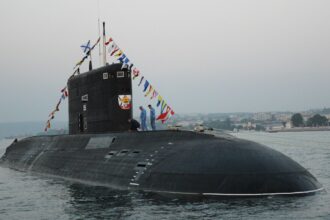
Soviet submarines represented a significant component of naval warfare during the Cold War period, when geopolitical tensions between the Soviet Union and Western nations intensified. The Soviet Navy constructed an extensive submarine fleet designed for both defensive and offensive military operations. These vessels incorporated contemporary advanced technologies that enabled covert operations across global maritime environments.
The submarines’ capacity to deploy nuclear missiles established them as a fundamental element of Soviet military doctrine and strategic deterrence. Soviet submarine development paralleled broader technological progress in naval warfare systems. The transition from early diesel-electric propulsion systems to nuclear-powered vessels marked successive improvements in operational speed, operational range, and stealth characteristics.
Soviet submarine design prioritized both offensive weapon systems and detection avoidance capabilities. The emphasis on stealth technology created substantial operational challenges for opposing forces conducting surveillance and tracking operations, prompting the development of enhanced detection systems and countermeasures by Western naval forces.
Key Takeaways
- Soviet submarine detection relied on a combination of advanced technologies including sonar, MAD, and passive acoustic methods.
- Active sonar and hydroacoustic monitoring played crucial roles in precisely locating and tracking submarines underwater.
- Satellite imaging and electromagnetic detection enhanced surface and near-surface monitoring capabilities.
- Underwater drones have become important tools for searching and identifying submarine activity in modern detection efforts.
- Effective submarine detection requires integrating multiple intelligence, surveillance, and technological approaches for comprehensive coverage.
Sonar Technology and its Role in Submarine Detection
Sonar technology has been a cornerstone in the detection and tracking of submarines since its inception. Utilizing sound waves to detect objects underwater, sonar systems can identify the presence of submarines by analyzing the echoes that bounce back from submerged vessels. There are two primary types of sonar: active and passive.
Active sonar emits sound pulses and listens for their return, while passive sonar relies on listening for sounds made by submarines themselves, such as engine noise or propeller cavitation. The effectiveness of sonar technology in submarine detection cannot be overstated. It has revolutionized naval warfare by providing real-time data on underwater activities.
The ability to detect submarines at significant distances has allowed naval forces to maintain a strategic advantage over potential adversaries. However, the effectiveness of sonar is influenced by various factors, including water temperature, salinity, and oceanic conditions, which can affect sound propagation. As a result, naval forces have continually refined their sonar systems to enhance detection capabilities in diverse environments.
Magnetic Anomaly Detection (MAD) and its Effectiveness in Uncovering Submarines
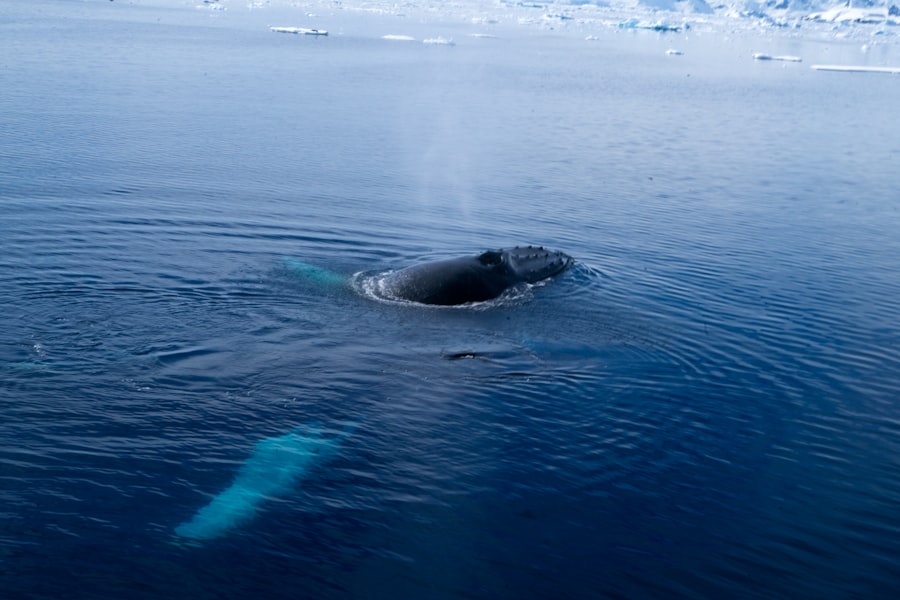
Magnetic Anomaly Detection (MAD) is another critical technology employed in the quest to uncover submarines. This method relies on detecting variations in the Earth’s magnetic field caused by the presence of large metallic objects, such as submarines. MAD systems are typically mounted on aircraft or ships and can identify submarines that are submerged or at periscope depth.
The effectiveness of MAD lies in its ability to detect submarines that may be attempting to evade traditional sonar detection. While MAD is a powerful tool, it is not without limitations. The technology is most effective against submarines that are not heavily shielded or those that are operating at shallow depths.
Additionally, environmental factors such as geological formations and magnetic interference can complicate detection efforts. Despite these challenges, MAD remains an essential component of multi-faceted submarine detection strategies, often used in conjunction with other technologies to enhance overall effectiveness.
Passive Acoustic Detection and its Importance in Tracking Submarines
Passive acoustic detection has emerged as one of the most vital methods for tracking submarines in modern naval warfare. This technique involves listening for sounds generated by submarines, such as engine noise, propeller cavitation, and even the sounds of onboard machinery. By analyzing these sounds, naval forces can determine the location, speed, and heading of a submarine without revealing their own position.
The significance of passive acoustic detection lies in its stealthy nature. Unlike active sonar, which emits sound waves that can be detected by enemy vessels, passive systems allow for covert monitoring of submarine activity. This capability is particularly crucial in scenarios where maintaining operational secrecy is paramount.
Furthermore, advancements in signal processing technology have enhanced the ability to filter out background noise and focus on specific acoustic signatures associated with different classes of submarines.
Active Sonar and its Role in Locating Submarines
| Detection Method | Description | Effectiveness | Limitations | Era of Use |
|---|---|---|---|---|
| Passive Sonar | Listening for noise generated by submarine machinery and propellers. | High in quiet waters; effective for long-range detection. | Less effective against quiet or stationary submarines. | Cold War (1950s-1990s) |
| Active Sonar | Emitting sound pulses and listening for echoes from submarine hulls. | Good for precise location at medium ranges. | Reveals own position; limited by water conditions and noise. | Cold War (1950s-1990s) |
| Magnetic Anomaly Detection (MAD) | Detecting disturbances in Earth’s magnetic field caused by metal hulls. | Effective at close range, especially from aircraft. | Limited range; affected by geological features. | Cold War (1960s-1990s) |
| Hydrophone Arrays | Networks of underwater microphones to triangulate submarine positions. | High sensitivity and coverage in strategic areas. | Fixed locations; limited mobility. | Cold War (1960s-1990s) |
| Sonobuoys | Deployable sonar devices dropped from aircraft or ships. | Flexible deployment; useful for tracking and localizing submarines. | Limited battery life; can be detected by submarines. | Cold War (1960s-1990s) |
| Infrared Detection | Detecting heat signatures from submarine exhaust or disturbances on water surface. | Limited; useful in specific conditions. | Environmental factors reduce effectiveness. | Late Cold War (1980s-1990s) |
Active sonar plays a crucial role in locating submarines, particularly when other methods may fall short. By emitting sound pulses and analyzing the returning echoes, active sonar systems can provide precise information about the distance and direction of submerged vessels. This technology is particularly useful in shallow waters where passive methods may struggle due to ambient noise levels.
However, the use of active sonar comes with inherent risks. The sound waves emitted can be detected by enemy submarines, potentially compromising the position of the detecting vessel. As a result, naval forces must carefully weigh the benefits of active sonar against the potential risks involved.
In many cases, active sonar is employed as part of a broader detection strategy that includes passive methods and other technologies to ensure comprehensive situational awareness.
Satellite Imaging and its Contribution to Submarine Detection
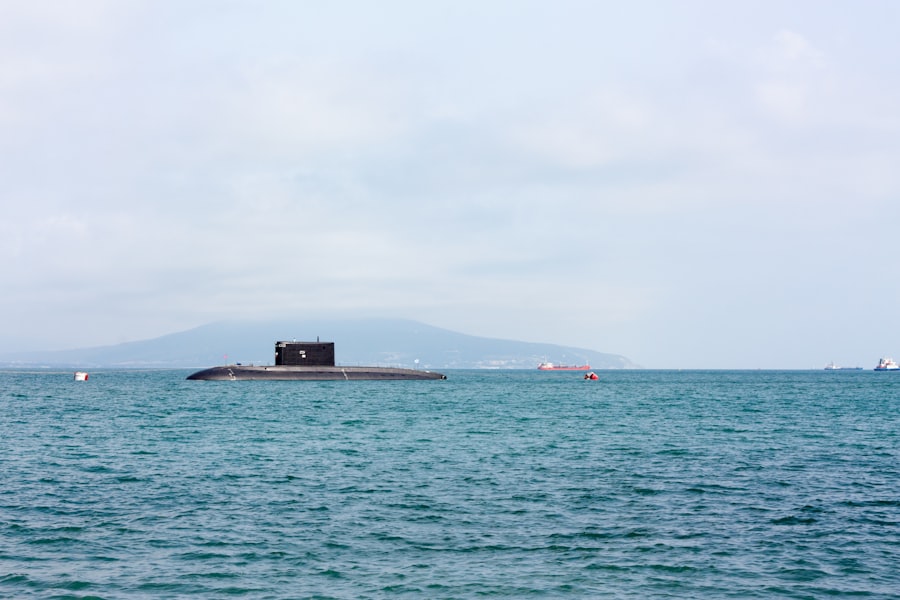
In recent years, satellite imaging has emerged as a valuable tool in submarine detection efforts. While traditional methods focus on underwater surveillance, satellite technology provides a unique perspective from above the ocean’s surface. High-resolution satellite imagery can identify surface vessels associated with submarine operations, such as support ships or aircraft carriers conducting anti-submarine warfare exercises.
Moreover, advancements in synthetic aperture radar (SAR) have enhanced the ability to detect anomalies on the ocean’s surface that may indicate submarine activity beneath. For instance, disturbances in water patterns or wakes left by submarines surfacing can be captured through satellite imagery. This capability allows naval forces to monitor vast areas of ocean more efficiently than ever before, complementing traditional underwater detection methods.
Hydroacoustic Monitoring and its Significance in Uncovering Submarines
Hydroacoustic monitoring represents another layer of sophistication in submarine detection technology. This method involves deploying underwater sensors that continuously listen for sounds generated by submarines over extended periods. These sensors can be strategically placed along critical maritime routes or near naval bases to provide real-time data on underwater activity.
The significance of hydroacoustic monitoring lies in its ability to create a comprehensive acoustic picture of an area over time. By analyzing patterns in submarine movements and behaviors, naval forces can develop predictive models that enhance their understanding of potential threats. This proactive approach allows for timely responses to emerging situations and contributes to overall maritime security.
Electromagnetic Detection and its Use in Identifying Submarine Activity
Electromagnetic detection has gained prominence as a complementary method for identifying submarine activity. This technology focuses on detecting electromagnetic signals emitted by submarines or their onboard systems. For instance, communication systems or electronic devices can produce detectable electromagnetic signatures that reveal a submarine’s presence.
By integrating electromagnetic detection with other methods such as sonar and hydroacoustic monitoring, naval forces can create a more comprehensive picture of submarine activity in a given area.
Underwater Drones and their Role in Searching for Submarines
The advent of underwater drones has revolutionized submarine detection efforts by providing an agile and versatile platform for surveillance operations. These unmanned underwater vehicles (UUVs) can be equipped with various sensors, including sonar systems and cameras, allowing them to conduct detailed searches for submarines without risking human lives. Underwater drones offer several advantages over traditional methods.
They can operate at greater depths and remain submerged for extended periods, making them ideal for covert operations. Additionally, their ability to gather real-time data enhances situational awareness for naval forces engaged in anti-submarine warfare. As technology continues to advance, UUVs are expected to play an increasingly prominent role in maritime security operations.
The Role of Intelligence and Surveillance in Uncovering Soviet Submarines
Intelligence and surveillance have always been integral components of efforts to uncover Soviet submarines. The collection and analysis of intelligence data provide critical insights into submarine movements, capabilities, and operational patterns. Various intelligence-gathering methods, including human intelligence (HUMINT), signals intelligence (SIGINT), and imagery intelligence (IMINT), contribute to a comprehensive understanding of potential threats.
Surveillance operations often involve a combination of aerial reconnaissance, satellite imagery analysis, and maritime patrols to monitor key areas where Soviet submarines are likely to operate. By integrating intelligence from multiple sources, naval forces can develop actionable strategies for countering submarine threats effectively. This multi-faceted approach enhances situational awareness and enables timely responses to emerging challenges.
The Importance of Multi-faceted Approaches in Detecting Submarines
In conclusion, the detection of Soviet submarines necessitates a multi-faceted approach that leverages various technologies and methodologies. From traditional sonar systems to advanced satellite imaging and underwater drones, each tool plays a vital role in enhancing situational awareness and ensuring maritime security. The complexities associated with submarine operations demand that naval forces remain adaptable and innovative in their detection strategies.
As technological advancements continue to reshape the landscape of naval warfare, it is imperative that nations invest in research and development to stay ahead of potential threats posed by submarines. The integration of diverse detection methods not only improves the chances of uncovering submerged vessels but also fosters greater collaboration among allied forces in addressing shared security challenges on the high seas.
Soviet submarine detection methods have evolved significantly over the years, incorporating advanced technologies and strategies to enhance maritime security. For a deeper understanding of these techniques and their historical context, you can explore a related article on this topic at In The War Room. This resource provides valuable insights into the challenges and innovations in submarine detection during the Cold War era.
WATCH THIS 🛑 The Submarine Captain Who Said NO to Nuclear War
FAQs
What were the primary methods used by the Soviet Union to detect submarines?
The Soviet Union primarily used sonar systems, including both passive and active sonar, to detect submarines. They also employed underwater hydrophone arrays, magnetic anomaly detectors, and aerial reconnaissance to track submarine movements.
How did passive sonar contribute to Soviet submarine detection?
Passive sonar allowed Soviet forces to listen for sounds emitted by enemy submarines, such as engine noise and propeller cavitation, without revealing their own position. This method was crucial for covert detection and tracking.
What role did active sonar play in Soviet submarine detection?
Active sonar involved emitting sound pulses and listening for echoes reflected from submarine hulls. While it provided precise location data, it also risked revealing the position of the detecting vessel, so it was used selectively.
Did the Soviet Union use any non-sonar technologies for submarine detection?
Yes, the Soviets used magnetic anomaly detectors to sense disturbances in the Earth’s magnetic field caused by large metal objects like submarines. They also utilized aerial patrols equipped with radar and infrared sensors to spot submarines near the surface.
How effective were Soviet submarine detection methods during the Cold War?
Soviet submarine detection methods were considered advanced for their time and posed a significant challenge to NATO submarines. However, detection effectiveness varied depending on environmental conditions, technology levels, and countermeasures employed by adversaries.
Were there any specific Soviet systems known for submarine detection?
One notable system was the “Berkut” (Golden Eagle) sonar system, which was deployed on various Soviet naval vessels. Additionally, the Soviet Union developed extensive underwater hydrophone networks, such as the “SOSUS”-like systems, to monitor submarine activity in strategic areas.
How did environmental factors affect Soviet submarine detection capabilities?
Environmental factors like water temperature, salinity, and ocean depth influenced sound propagation underwater, impacting sonar performance. The Soviets had to account for these variables to optimize detection accuracy and reduce false alarms.
Did the Soviet Union collaborate with other countries on submarine detection technology?
While the Soviet Union primarily developed its submarine detection technology independently, it shared some advancements with Warsaw Pact allies. However, most cutting-edge research and deployment were conducted within the Soviet military-industrial complex.