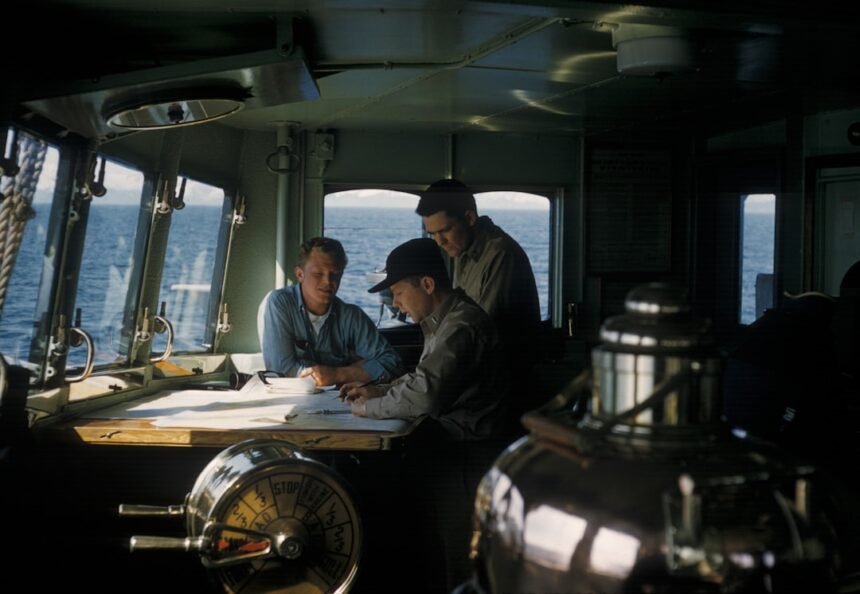
Submarine operations present significant physiological and psychological challenges due to the demanding nature of underwater military missions. Personnel operate within confined spaces while managing complex technical systems under high-stakes conditions that require sustained attention and precision. The enclosed environment limits physical movement and personal space, while mission-critical responsibilities demand continuous alertness over extended periods.
The operational environment generates stress through multiple factors: technical complexity of submarine systems, coordination requirements among crew members, and the critical nature of mission objectives. Equipment failures, tactical changes, and emergency situations require rapid decision-making and adaptive responses from personnel operating sophisticated machinery in challenging conditions. Extended deployment periods create additional stressors through isolation from external support networks and limited communication with family members.
Submarine crews typically remain submerged for weeks to months, with restricted access to outside contact and recreational activities. This prolonged separation from normal social connections, combined with the confined living conditions and operational pressures, can contribute to psychological strain and requires systematic stress management protocols to maintain crew effectiveness and mental health.
Key Takeaways
- Submarine operations impose significant stress due to isolation and confined environments.
- Leadership plays a crucial role in sustaining crew morale during extended underwater missions.
- Effective coping mechanisms are essential for managing the psychological effects of prolonged deployments.
- Addressing mental health stigma and conducting regular psychological evaluations improve crew well-being.
- Implementing targeted strategies can prevent psychological breakdowns and support submarine crews’ mental health.
The Impact of Isolation on Submarine Crews
Isolation is one of the most significant challenges faced by submarine crews. Living in close quarters with a small group of individuals for extended periods can lead to feelings of claustrophobia and emotional strain. The absence of natural light and fresh air can contribute to a sense of disconnection from the outside world, making it difficult for crew members to maintain a positive outlook.
The psychological impact of this isolation is profound. Crew members may experience mood swings, irritability, and difficulty concentrating as they grapple with the emotional toll of being submerged for long durations.
The lack of personal space and privacy can lead to interpersonal conflicts among crew members, further complicating an already challenging environment. As the days turn into weeks, the cumulative effects of isolation can manifest in various ways, underscoring the need for effective coping strategies and support systems within the submarine community.
The Role of Leadership in Maintaining Crew Morale
Leadership plays a crucial role in maintaining crew morale during submarine operations. Effective leaders are not only responsible for mission success but also for fostering a supportive environment that prioritizes the mental well-being of their crew. They must be attuned to the emotional states of their team members, recognizing signs of stress or distress and intervening when necessary.
By promoting open communication and encouraging crew members to express their feelings, leaders can help mitigate the negative effects of isolation and stress. Moreover, strong leadership involves creating a culture of resilience within the crew. Leaders can implement team-building exercises and morale-boosting activities that foster camaraderie and strengthen relationships among crew members.
By emphasizing the importance of mental health and encouraging self-care practices, leaders can help their teams navigate the challenges of submarine life more effectively. Ultimately, the ability of leaders to inspire and support their crews can significantly impact overall morale and mission success.
Coping Mechanisms for Submarine Crews
Coping mechanisms are essential for submarine crews to manage the unique stresses associated with their environment. One effective strategy is the establishment of routines that provide structure and predictability amidst the chaos of underwater operations. By adhering to a daily schedule that includes designated times for work, exercise, and relaxation, crew members can create a sense of normalcy that helps alleviate anxiety.
Additionally, fostering social connections among crew members is vital for emotional support. Engaging in group activities, such as games or movie nights, can provide much-needed distractions from the pressures of submarine life. These shared experiences not only strengthen bonds but also create a sense of belonging that is crucial for mental health.
Furthermore, individual coping strategies such as mindfulness practices or journaling can help crew members process their emotions and maintain a positive outlook during challenging deployments.
The Psychological Effects of Extended Underwater Deployments
| Metric | Description | Typical Range/Value | Impact on Crew |
|---|---|---|---|
| Incidence Rate of Psychological Breakdown | Percentage of crew members experiencing significant psychological distress during deployment | 1-5% | Reduced operational effectiveness, increased risk of errors |
| Average Duration of Deployment | Length of time crew members spend underwater without surfacing | 60-90 days | Increased stress and isolation, potential for psychological strain |
| Sleep Disruption Rate | Percentage of crew reporting sleep disturbances during deployment | 30-50% | Fatigue, impaired cognitive function |
| Incidence of Anxiety and Depression | Percentage of crew diagnosed or reporting symptoms | 10-20% | Lower morale, decreased teamwork |
| Conflict Incidence | Number of interpersonal conflicts reported per deployment | 5-15 incidents | Disrupted cohesion, increased stress |
| Psychological Support Sessions | Average number of counseling or support sessions per crew member | 1-3 sessions | Helps mitigate psychological breakdowns |
| Resilience Training Participation | Percentage of crew undergoing pre-deployment psychological resilience training | 80-100% | Improved coping mechanisms, reduced breakdowns |
Extended underwater deployments can have profound psychological effects on submarine crews. Prolonged isolation and confinement can lead to increased levels of anxiety, depression, and even post-traumatic stress disorder (PTSD) in some individuals. The inability to escape from stressful situations or seek outside support can exacerbate these conditions, making it essential for crews to have access to mental health resources.
Research has shown that the psychological toll of extended deployments can manifest in various ways, including difficulty sleeping, changes in appetite, and withdrawal from social interactions. Crew members may also experience heightened irritability or mood swings as they struggle to cope with the pressures of their environment.
Addressing Mental Health Stigma in the Submarine Community

Addressing mental health stigma within the submarine community is a critical step toward ensuring the well-being of crew members. Historically, there has been a reluctance to discuss mental health issues openly due to fears of judgment or perceived weakness. This stigma can prevent individuals from seeking help when they need it most, leading to untreated mental health conditions that can impact both personal lives and mission effectiveness.
To combat this stigma, it is essential to foster an environment where mental health discussions are normalized and encouraged. Leadership should actively promote mental health awareness initiatives and provide training on recognizing signs of distress among crew members. By creating a culture that values mental well-being as much as physical fitness, submariners can feel more comfortable seeking support without fear of repercussions.
The Importance of Regular Psychological Evaluations for Submarine Crews
Regular psychological evaluations are vital for monitoring the mental health of submarine crews throughout their deployments. These assessments provide an opportunity for crew members to discuss any concerns they may have and receive professional guidance on managing stress and anxiety. By implementing routine evaluations, leadership can identify individuals who may be struggling and offer appropriate resources before issues escalate.
Furthermore, these evaluations serve as a proactive measure to promote mental well-being within the crew. They reinforce the message that mental health is a priority and that seeking help is not only acceptable but encouraged. Regular check-ins can also help destigmatize mental health discussions, fostering an environment where crew members feel supported in addressing their emotional needs.
Case Studies of Psychological Breakdowns on Submarines
Case studies of psychological breakdowns on submarines highlight the critical need for effective mental health support within this unique environment. One notable incident involved a crew member who experienced severe anxiety during an extended deployment, leading to erratic behavior that jeopardized both personal safety and mission integrity. This case underscored the importance of early intervention and the need for accessible mental health resources onboard submarines.
Another case involved a crew member who developed symptoms consistent with PTSD after experiencing a traumatic event during a mission. Despite initial reluctance to seek help due to stigma, this individual ultimately received support through counseling services provided by military mental health professionals. Their recovery journey emphasized the importance of addressing mental health issues promptly and highlighted how effective support systems can facilitate healing.
Strategies for Preventing Psychological Breakdowns in Submarine Crews
Preventing psychological breakdowns in submarine crews requires a multifaceted approach that addresses both individual needs and systemic factors within the submarine community. One effective strategy is implementing comprehensive training programs focused on resilience-building techniques. These programs can equip crew members with tools to manage stress effectively and develop coping strategies tailored to their unique circumstances.
Additionally, fostering an environment that encourages open communication about mental health is crucial for prevention efforts. Leadership should prioritize regular discussions about emotional well-being during briefings and encourage crew members to share their experiences without fear of judgment. By normalizing these conversations, submariners can feel empowered to seek help when needed, ultimately reducing the risk of psychological breakdowns.
The Unique Challenges of Submarine Life
Submarine life presents unique challenges that set it apart from other military operations. The confined living quarters create an environment where personal space is limited, leading to potential conflicts among crew members. Additionally, the absence of natural light and fresh air can contribute to feelings of disorientation and fatigue over time.
Moreover, submariners must navigate complex technical systems while maintaining constant vigilance against potential threats. This dual responsibility can create an overwhelming sense of pressure that affects both individual performance and overall team dynamics. Understanding these unique challenges is essential for developing effective support systems that address the specific needs of submarine crews.
Supporting Submarine Crews in their Mental Health Needs
Supporting submarine crews in their mental health needs requires a comprehensive approach that encompasses prevention, intervention, and ongoing care. Leadership must prioritize mental health initiatives by providing access to resources such as counseling services and stress management programs tailored specifically for submariners. Furthermore, fostering a culture that values mental well-being is essential for creating an environment where crew members feel comfortable seeking help when needed.
By promoting open discussions about mental health and normalizing vulnerability within the submarine community, leaders can help dismantle stigma and encourage individuals to prioritize their emotional well-being. In conclusion, addressing the mental health needs of submarine crews is paramount for ensuring their overall well-being and mission success. By recognizing the unique challenges they face and implementing effective support systems, both leadership and crew members can work together to create an environment that prioritizes mental health alongside operational readiness.
Submarine crews often face unique psychological challenges due to the confined environment and extended periods away from the surface. A related article that delves into the psychological breakdowns experienced by submarine personnel can be found on In The War Room. This article explores the various factors contributing to mental health issues in such high-pressure situations. For more insights, you can read the article [here](https://www.inthewarroom.com/).
WATCH THIS 🛑 The Submarine Captain Who Said NO to Nuclear War
FAQs
What is a psychological breakdown in submarine crew members?
A psychological breakdown in submarine crew members refers to a severe mental health crisis that impairs an individual’s ability to function effectively. This can include symptoms such as extreme anxiety, depression, hallucinations, or psychosis, often triggered by the intense stress and isolation experienced during prolonged underwater missions.
What factors contribute to psychological breakdowns among submarine crews?
Contributing factors include prolonged confinement in a small, enclosed environment, limited social interaction, high-pressure operational demands, disrupted circadian rhythms due to lack of natural light, and the constant awareness of potential dangers. These stressors can accumulate and lead to mental health issues.
How common are psychological breakdowns on submarines?
Psychological breakdowns are relatively rare due to rigorous psychological screening and training of submarine personnel. However, the risk remains due to the unique and challenging environment, and incidents have been documented historically.
What measures are taken to prevent psychological breakdowns in submarine crews?
Preventive measures include thorough psychological evaluation before deployment, ongoing mental health monitoring, team-building exercises, stress management training, and ensuring adequate recreational activities and communication with the outside world during missions.
How is a psychological breakdown managed if it occurs on a submarine?
Management involves immediate assessment by medical personnel onboard, implementation of supportive interventions, possible isolation of the affected individual to ensure safety, and, if necessary, early termination of the mission to evacuate the individual for specialized psychiatric care.
Can technology help in monitoring the mental health of submarine crews?
Yes, advancements in wearable health monitors and telemedicine allow for continuous monitoring of physiological and psychological indicators, enabling early detection of stress or mental health deterioration and timely intervention.
What training do submarine crews receive to cope with psychological stress?
Crews undergo training in stress resilience, conflict resolution, teamwork, and coping strategies for isolation and confinement. They are also educated about recognizing signs of mental distress in themselves and others.
Are there any long-term psychological effects for submarine crew members after deployment?
Some crew members may experience lingering effects such as post-traumatic stress, anxiety, or depression, especially after extended or particularly stressful missions. Follow-up mental health support is important to address these issues.
How does the submarine environment differ from other military settings in terms of psychological impact?
The submarine environment is unique due to its extreme isolation, confined space, lack of natural light, and inability to leave the vessel during missions. These factors can intensify psychological stress compared to other military settings.
What role does leadership play in maintaining the psychological well-being of submarine crews?
Effective leadership is crucial in fostering a supportive environment, maintaining morale, monitoring crew behavior, and ensuring open communication, all of which help mitigate psychological stress and prevent breakdowns.